- Category
- Latest news
North Korea Secretly Sent Up to 11 Million Artillery Shells to Russia, Investigation Finds
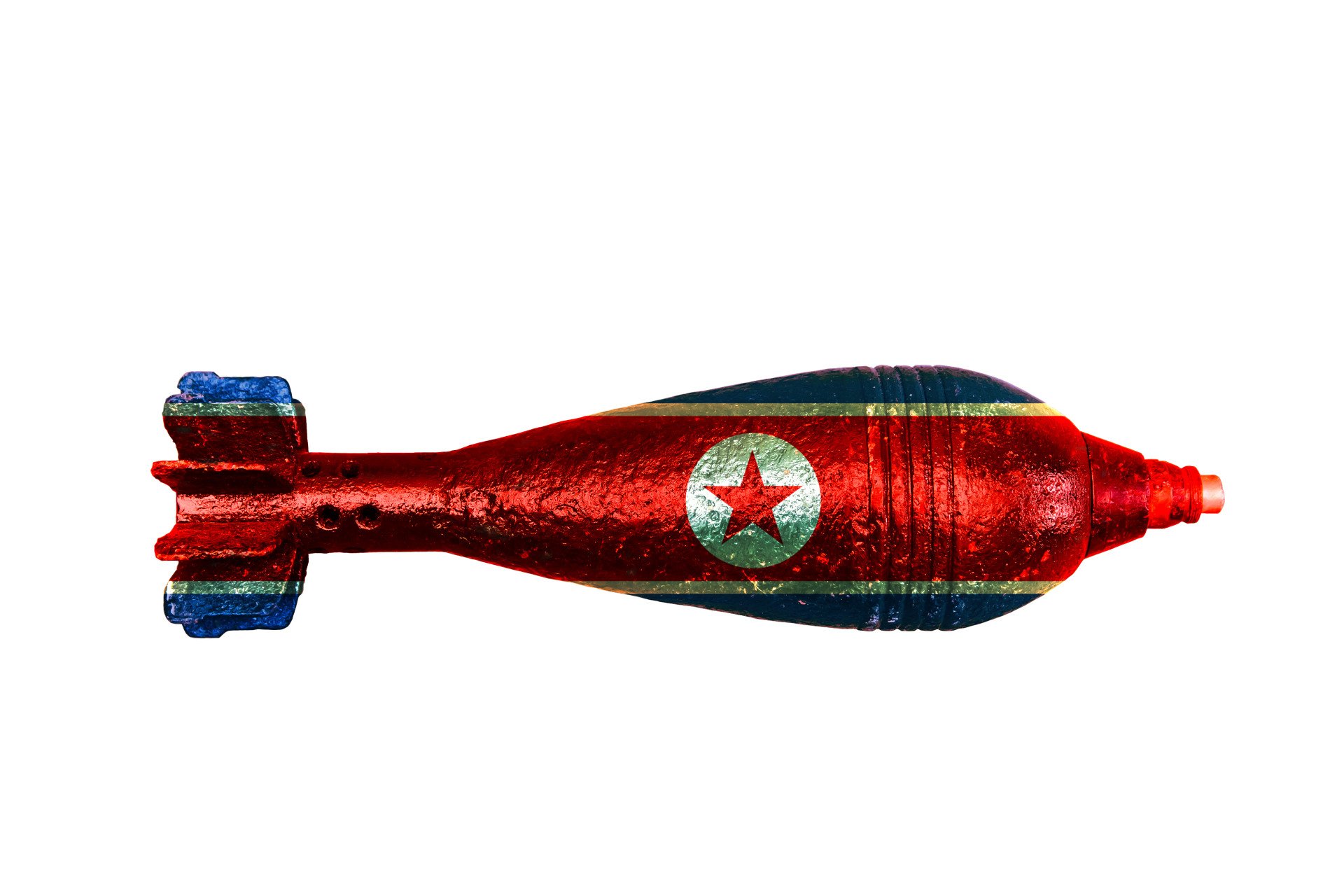
North Korea has emerged as a key external supplier of artillery ammunition for Russia during its full-scale war against Ukraine, delivering millions of shells through a covert logistics network that bypassed international sanctions and helped sustain Moscow’s heavy artillery fire on the battlefield.
 Prefer U24 Media on Google
- Authors


North Korea has supplied Russia with between 8 million and 11 million artillery shells over the past two and a half years through a covert maritime supply chain designed to bypass international sanctions, according to an investigation by Vazhnyye Istorii (“Important Stories”) and the Open Source Center published on March 16.
We bring you stories from the ground. Your support keeps our team in the field.
The shipments enabled Moscow to maintain large-scale artillery operations in its war against Ukraine, with North Korean ammunition accounting for up to half of Russia’s artillery fire on some parts of the front.
Russians are using North Korean cluster munitions to shell Kherson. https://t.co/CWK52eps14 pic.twitter.com/vmFFU2Z7yr
— Special Kherson Cat 🐈🇺🇦 (@bayraktar_1love) September 23, 2025
Cargo ships used to move ammunition between ports
The investigation found that Russian cargo vessels transported the ammunition through a coordinated logistics network combining sea and rail transport.
According to the report, four Russian container ships—Angara, Maria, Lady R, and Maia-1—completed at least 112 voyages to North Korea since 2023.
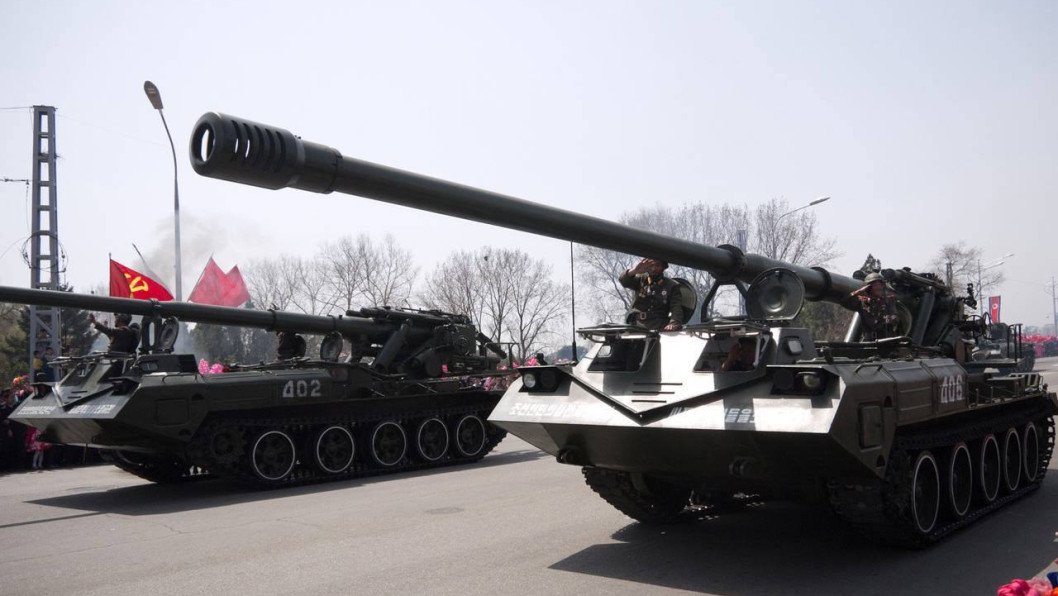
North Korean 170-mm "Koksan" self-propelled artillery systems are now actively used by Russian forces in/against Ukraine. Previously, several trainloads carrying these artillery systems were spotted in Russia. pic.twitter.com/uFbADB9TsA
— NOELREPORTS 🇪🇺 🇺🇦 (@NOELreports) January 7, 2025
Shipping records often listed Busan, South Korea, as the official destination, but satellite imagery and other data indicated that the ships instead docked at North Korean ports.
Investigators reconstructed the supply routes using satellite images, vessel tracking data, and social media posts published by crew members.
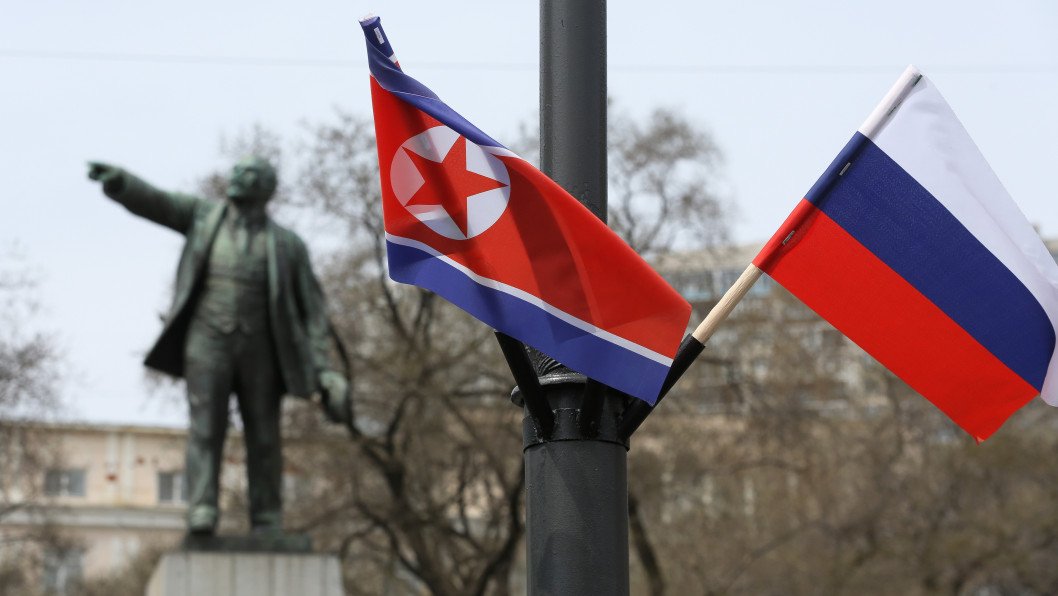
Despite restrictions on mobile phone use aboard ships when crossing borders, sailors reportedly uploaded dozens of photos and videos from voyages between Russia and North Korea. These images allowed analysts to confirm port visits that would otherwise have remained undisclosed.
Up to 350,000 shells delivered each month
The investigation estimates that Russia received around 350,000 artillery shells per month, delivered through roughly five shipments monthly.
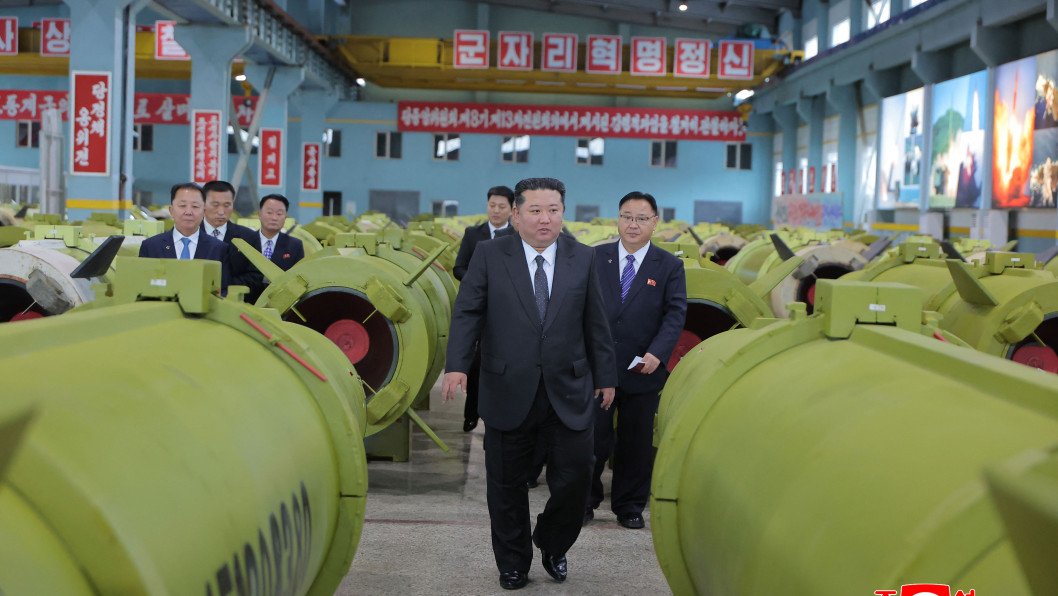
According to analysts cited in the report, this amount roughly corresponds to the ammunition Russian forces typically use during one month of offensive operations on the battlefield.
The logistics chain usually began in North Korean ports, where containers with ammunition were loaded onto cargo vessels and shipped to the Russian Far East port of Dunai in Primorsky Krai.
The containers were then transferred onto railway trains and transported deeper into Russia to storage depots before being distributed to military units and sent to the front.
The shipments primarily included 122-mm and 152-mm artillery shells, calibers widely used by Russian ground forces in the war against Ukraine.
Shipments appear to slow in 2026
Maritime shipments appear to have slowed in early 2026. Researchers reported identifying only one confirmed shipment this year.
Analysts cited in the investigation link the slowdown to a combination of increased Russian domestic ammunition production and the possible depletion of North Korean stockpiles.
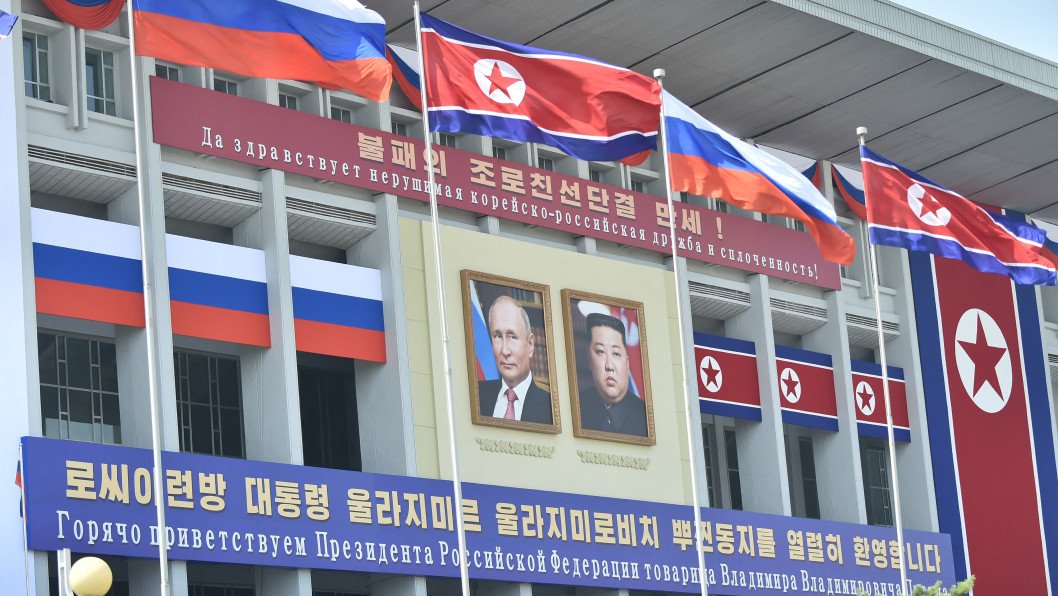
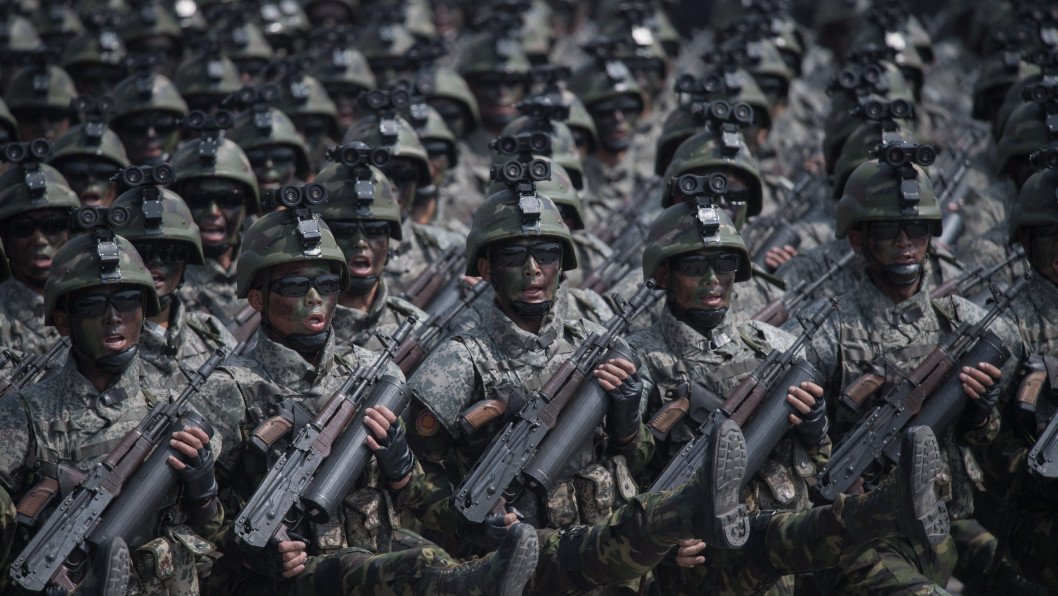
Neither Moscow nor Pyongyang has officially confirmed the deliveries, according to the report. However, both governments have acknowledged expanding military cooperation, including the reported deployment of several thousand North Korean soldiers to support Russia’s war effort in Ukraine.
According to Vazhnyye Istorii, the North Korean shipments allowed Russia to compensate for shortages in its own ammunition reserves caused by prolonged combat and sanctions, enabling the Russian military to maintain a high level of artillery fire throughout the war.
Earlier, NK News reported on March 10 that a Russian company had partnered with a North Korean entity to build a plastics manufacturing plant in Vladivostok, a project that appears to violate UN Security Council sanctions banning commercial joint ventures with Pyongyang.
The facility—developed by Moscow-based Golden Autumn Agroholding and a North Korean partner identified as Phurunsan Plastics—was nearing completion and expected to begin producing packaging materials, including polyethylene bags and disposable tableware, as early as April, according to the report.
Discuss this article:
-4a56a6b482ec132402c16ef6fcabf9a2.png)