- Category
- Latest news
North Korea May Have Earned Up to $14.4 Billion Supplying Troops and Weapons to Russia
 Prefer U24 Media on Google
- Authors


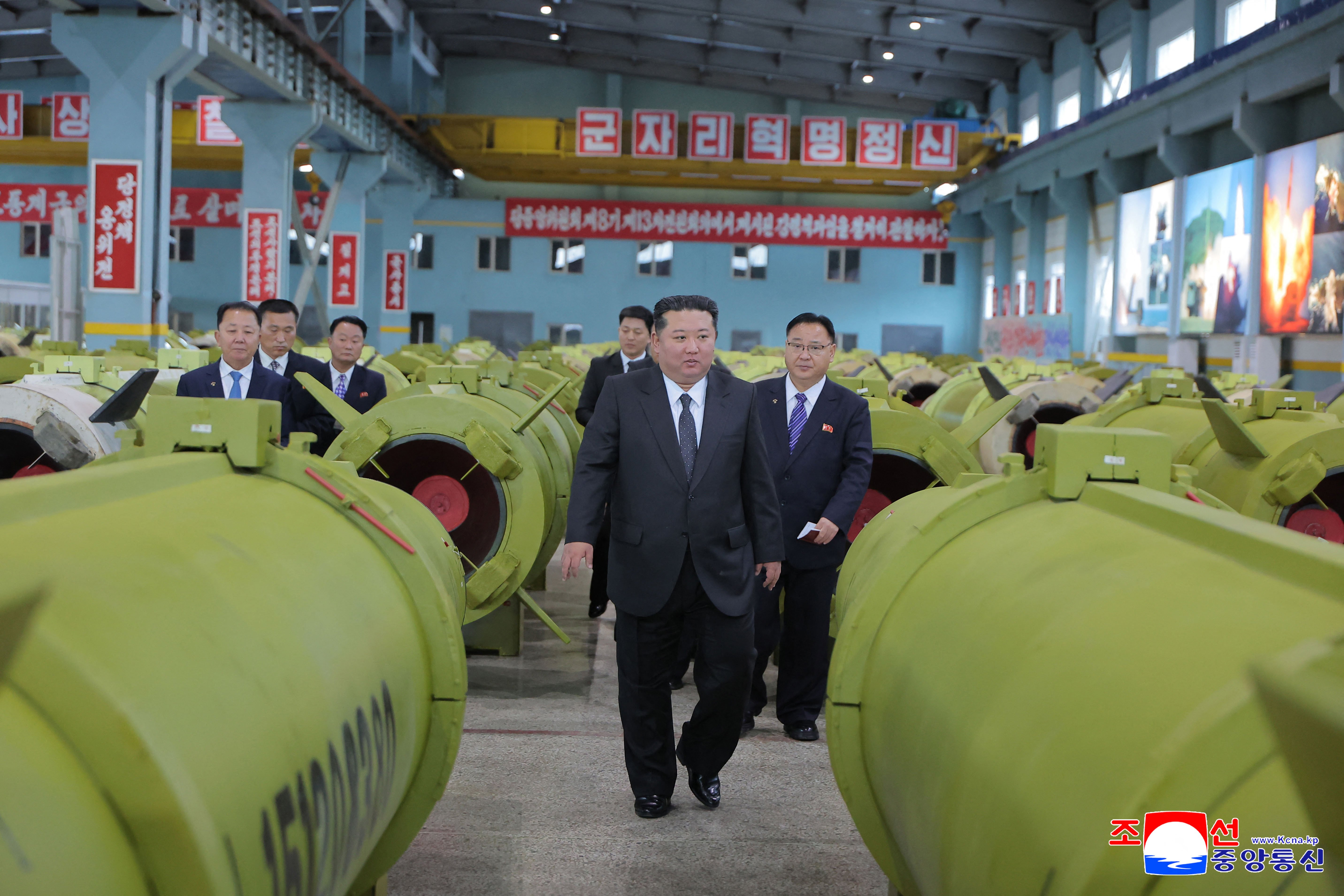
North Korea may have earned as much as $14.4 billion through troop deployments and weapons exports to Russia during the war in Ukraine, according to a new analysis by the Institute for National Security Strategy in Seoul released on March 13.
The report examines the economic impact of North Korea’s growing military cooperation with Moscow since 2023, concluding that the partnership could significantly offset the financial pressure created by international sanctions targeting Pyongyang.
We bring you stories from the ground. Your support keeps our team in the field.
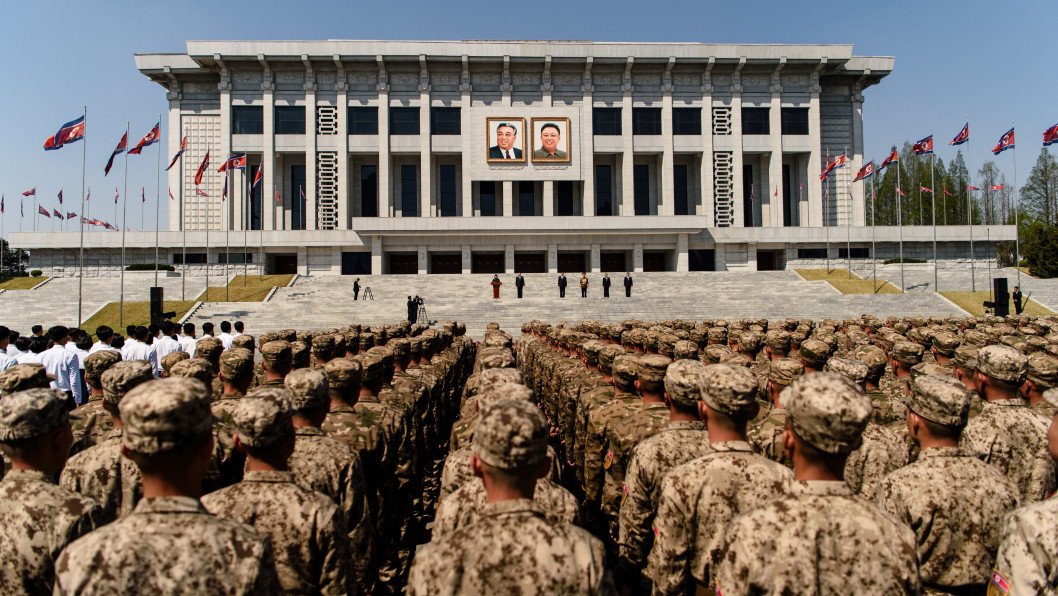
Researchers estimate that North Korea began deploying military personnel to Russia in October 2024 and has conducted four separate deployments since then. More than 20,000 personnel—including combat troops and engineering units—are believed to have been sent as part of the cooperation.
Satellite imagery and other open-source intelligence indicators suggest that North Korea had already begun supplying Russia with military equipment before the troop deployments and continued shipments afterward.
North Korea supplies 35 to 50% of russia's ammunition needs.
— Jürgen Nauditt 🇩🇪🇺🇦 (@jurgen_nauditt) October 6, 2025
The Koreans supply 200,000 to 260,000 152mm and 122mm shells per month, said Oleg Alexandrov, an official with the Ukrainian Foreign Intelligence Service.
This figure is consistent with previous estimates by Ukrainian…
The transfers reportedly included artillery shells, multiple launch rocket systems, self-propelled artillery, and ballistic missiles, many of which were transported in containers.
The findings were presented by Lim Soo-ho, a senior research fellow at the Institute for National Security Strategy, in a report titled “Economic Effects of North Korea’s Troop Deployment to Russia and Military Equipment Exports.”
“If North Korea fully collects compensation for troop deployment and arms exports, the core economic effect of sanctions against North Korea—reducing foreign currency inflows—is expected to be neutralized,” Lim wrote in the report.
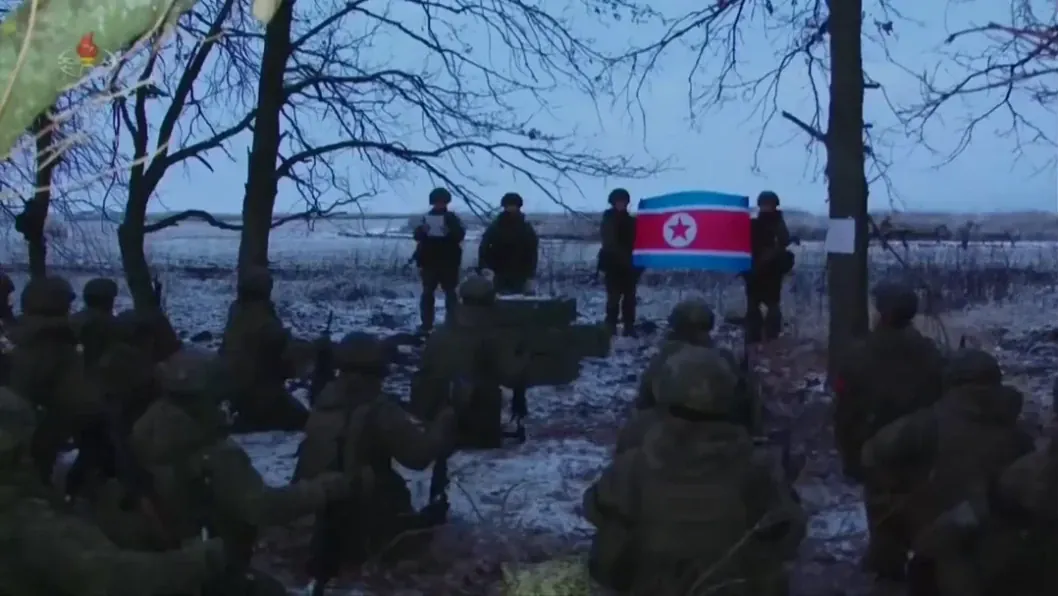
According to the study, North Korea’s foreign currency earnings from arms exports and troop deployments between August 2023 and December 2024 could range between $7.67 billion and $14.4 billion.
The report estimates that direct revenue from troop deployments—including soldiers’ wages and death compensation payments—accounts for around $620 million.
If the current arrangements continue, Pyongyang could earn about $560 million annually from troop deployments alone, according to the analysis.
However, researchers caution that verified payments represent only a small portion of the total estimated value.
Lim said confirmed compensation likely accounts for between 4% and 19.6% of the total revenue, since only certain types of transfers can be directly observed.
“Confirmed compensation is limited to physical goods that are easy to observe visually or by satellite,” Lim wrote.
“The majority of compensation for troop deployment and arms exports is highly likely to be received, or will be received in the future, in the form of sensitive military technologies or related precision components and materials that are difficult to observe by satellite.”
Because many of the potential transfers may involve technology or specialized components, verifying the full scope of the economic exchange between Moscow and Pyongyang remains difficult.
North Korea has long faced extensive international sanctions aimed at restricting its access to foreign currency and military technologies, particularly in connection with its missile and nuclear weapons programs.
However, its expanding military cooperation with Russia during the war in Ukraine has drawn increasing scrutiny from governments and security analysts.
North Korea continues to supply Russia with military equipment and ammunition, significantly increasing deliveries despite talks of a ceasefire.
— WarTranslated (@wartranslated) March 26, 2025
This time, in Crimea, a trainload of 7–8 M-1978 "Koksan" self-propelled guns with 170/180mm calibers was spotted, along with several… pic.twitter.com/CeCrV1CXy1
Western officials have previously accused North Korea of supplying ammunition and other weapons to support Russia’s military operations, while analysts say such cooperation could provide Pyongyang with both new revenue streams and access to advanced military technologies.
Satellite imagery and shipping records cited in previous studies have shown containers moving between North Korean and Russian ports, movements that analysts believe are linked to suspected transfers of artillery ammunition and other military equipment.
The South Korean report suggests that technology transfers could play a major role in the compensation structure between the two countries, potentially involving advanced defense technologies or specialized industrial components that cannot easily be detected through open-source monitoring.
Earlier, Ukrainian forces destroyed a rare North Korean–supplied 170-mm M-1989 Koksan self-propelled artillery system used by Russian troops near the city of Huliaipole in Ukraine’s Zaporizhzhia region.
Discuss this article: