- Category
- Latest news
North Korea Unleashes Nuclear Rocket Artillery After Secret Weapons Deal With Russia
 Prefer U24 Media on Google
- Authors


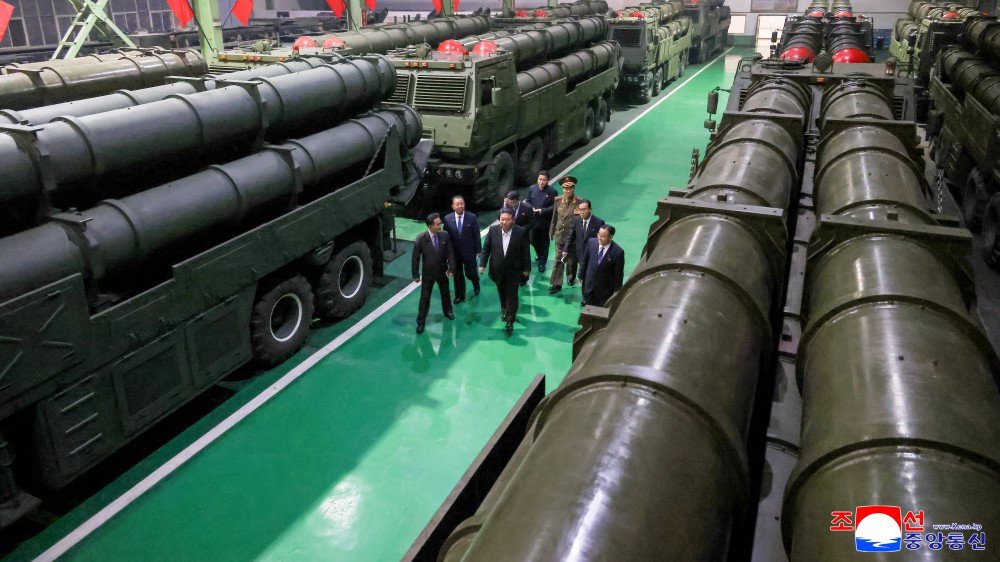
North Korea is increasingly prioritizing large-caliber multiple launch rocket systems (MLRS) with nuclear capabilities, signaling a shift in strategic doctrine after transferring a number of its conventional long-range artillery systems to Russia.
According to Defense Express on December 30, North Korean leader Kim Jong Un announced that MLRS platforms will now serve as the core strike assets of the Korean People’s Army.
The remarks were made during a visit to a defense facility—likely the March 16 Factory—where these systems are reportedly produced.
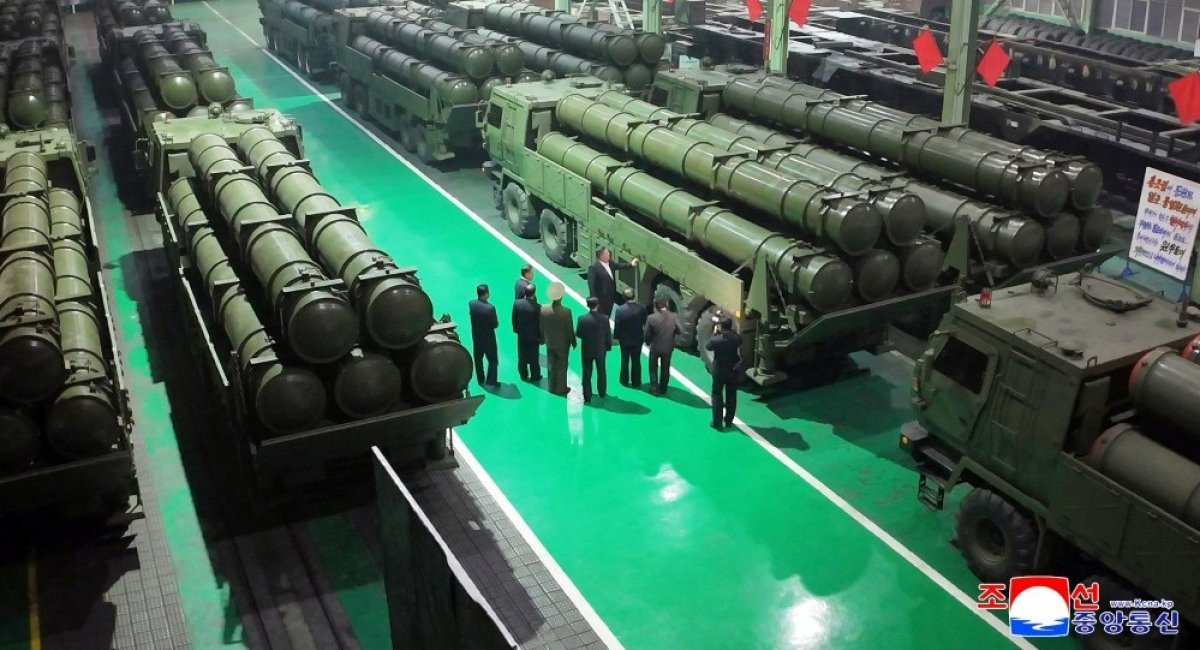
Images released from the visit showed unidentified rocket launchers that appear to exceed the size of North Korea’s known KN-25 system, with larger launch tubes and revised transporter-launcher configurations. These new systems are believed to be in the 600 mm caliber class or greater.
The KN-25, which was previously North Korea’s most prominent MLRS of this type, has a verified range of approximately 380 kilometers, with a stated maximum of 400 kilometers. The system fires precision-guided munitions and is often characterized by its ability to conduct salvo launches of up to five rockets.
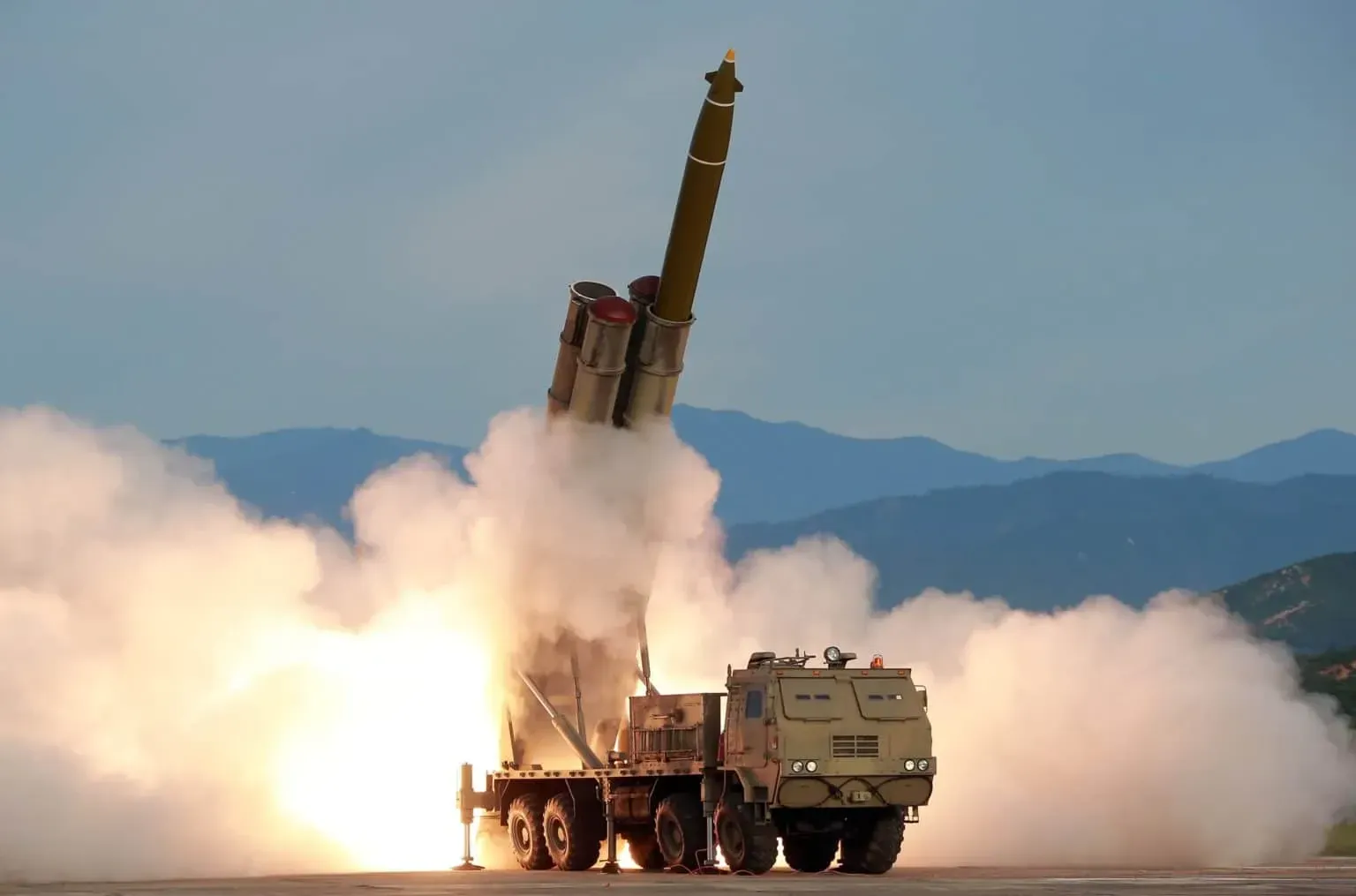
Kim Jong Un’s statement described the updated rocket artillery systems as platforms for “strategic strikes,” implying the potential use of nuclear warheads. According to Defense Express, this marks the first time Pyongyang has publicly assigned a strategic nuclear role to such artillery systems.
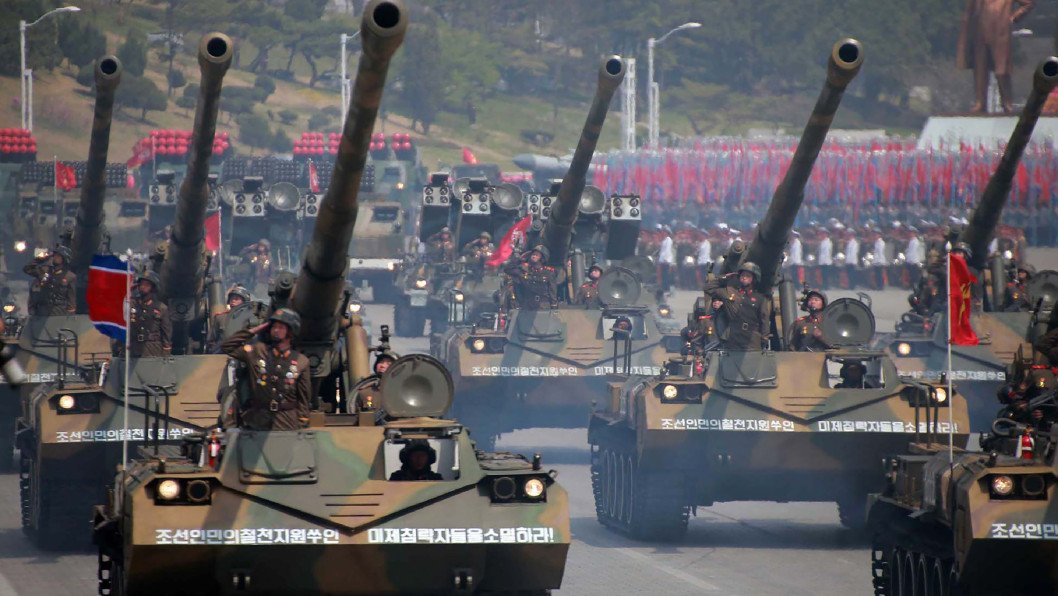
The announcement comes after North Korea reportedly transferred quantities of its M1989 “Koksan” 170 mm self-propelled artillery systems to Russian forces. These long-range guns, which had previously been a centerpiece of North Korea’s firepower demonstrations, are believed to have been shipped with accompanying specialized ammunition.
In exchange, Russia has supplied North Korea with missile and nuclear-related technologies, including miniaturization techniques for thermonuclear warheads. This cooperation has enabled Pyongyang to develop and scale up production of longer-range and potentially nuclear-capable missile systems.
The strategic shift toward MLRS platforms with potential nuclear roles could significantly impact South Korea’s missile defense planning. A single salvo from a 600 mm system, such as an updated KN-25 variant, could require intercepting five separate warheads—each possibly nuclear.
Earlier in December, Kim Jong Un visited key munitions enterprises and approved modernization plans for North Korea’s missile and artillery production, according to Reuters. State media reported that these initiatives will be presented at the upcoming Workers’ Party congress to shape the country’s next five-year defense strategy.
Discuss this article:
-4a56a6b482ec132402c16ef6fcabf9a2.png)



-111f0e5095e02c02446ffed57bfb0ab1.jpeg "Photo of Roman Kohanets")