- Category
- Latest news
1,000-Kilo Warheads From North Korea—Could a New Missile Threat Loom Over Ukraine?
 Prefer U24 Media on Google
- Authors


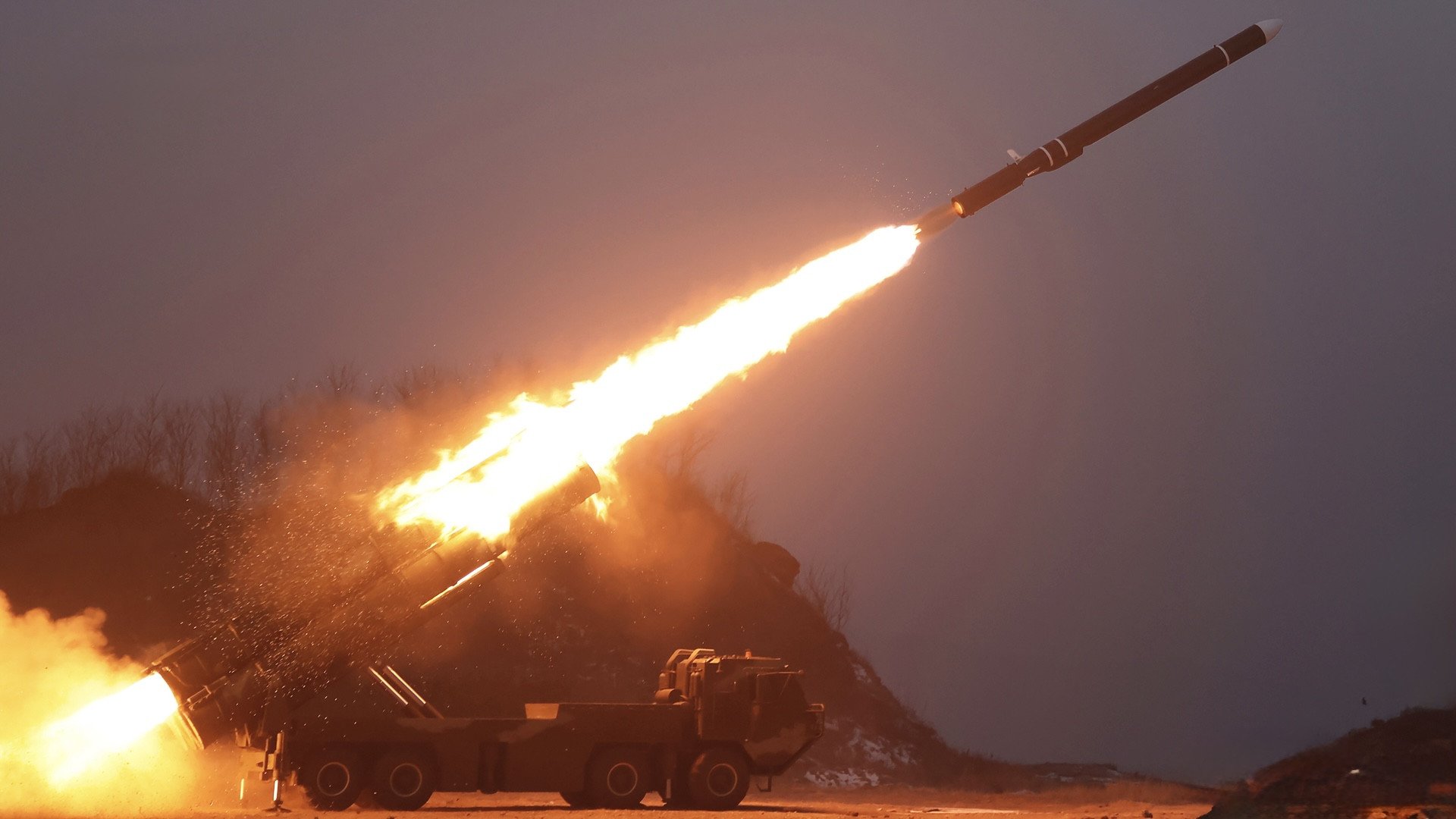
Russia may be seeking to acquire a variant of the North Korean Hwasal-1 cruise missile—known as Ra-3—that is reportedly capable of carrying a 1,000 kg warhead over short distances.
According to Defense Express, this development could enhance Russia’s ability to conduct strikes on critical infrastructure in Ukraine’s border and frontline regions.
The assessment originates from an analysis by Defense Express based on open-source imagery and commentary from OSINTWarfare.
Some Russian sources report that a variant of the North Korean Hwasal-1 Ra-3 strategic cruise missile, equipped with a 1-ton high-explosive warhead and an estimated range of 130–250 km, could be employed by the Russian Armed Forces in the war against Ukraine. pic.twitter.com/cJ9vww9lm5
— OSINTWarfare (@OSINTWarfare) December 25, 2025
While there is no official confirmation or verifiable source about a completed transfer, the platform stresses that it is necessary to consider a worst-case scenario in threat evaluations.
The Hwasal-1 Ra-3, also designated as KN-27, is a ground-launched subsonic cruise missile. While standard Hwasal-1 missiles have reportedly demonstrated a range of up to 1,500 kilometers, the Ra-3 variant—equipped with a heavier warhead—may have a significantly reduced range, estimated between 130 and 250 kilometers.
This limitation would require Russian forces to deploy the system within 80–200 kilometers of Ukrainian targets, potentially within occupied territories.

Due to its large warhead and relatively short range, the missile could be optimized for high-damage strikes on fixed targets such as energy infrastructure or transportation hubs. However, without confirmed data on the number of launchers or missiles potentially being transferred, the operational threat level remains uncertain.
This is not the first time reports have surfaced about potential North Korean arms transfers to Russia. In December 2024, similar concerns were raised regarding possible deliveries of KN-15 medium-range ballistic missiles. That scenario ultimately did not materialize.
Previous assessments have also noted that North Korea may have received technical documentation from Russia to produce the KN-23 missile system—based on the Russian Iskander—and that such technology transfers could extend to the Hwasal family.
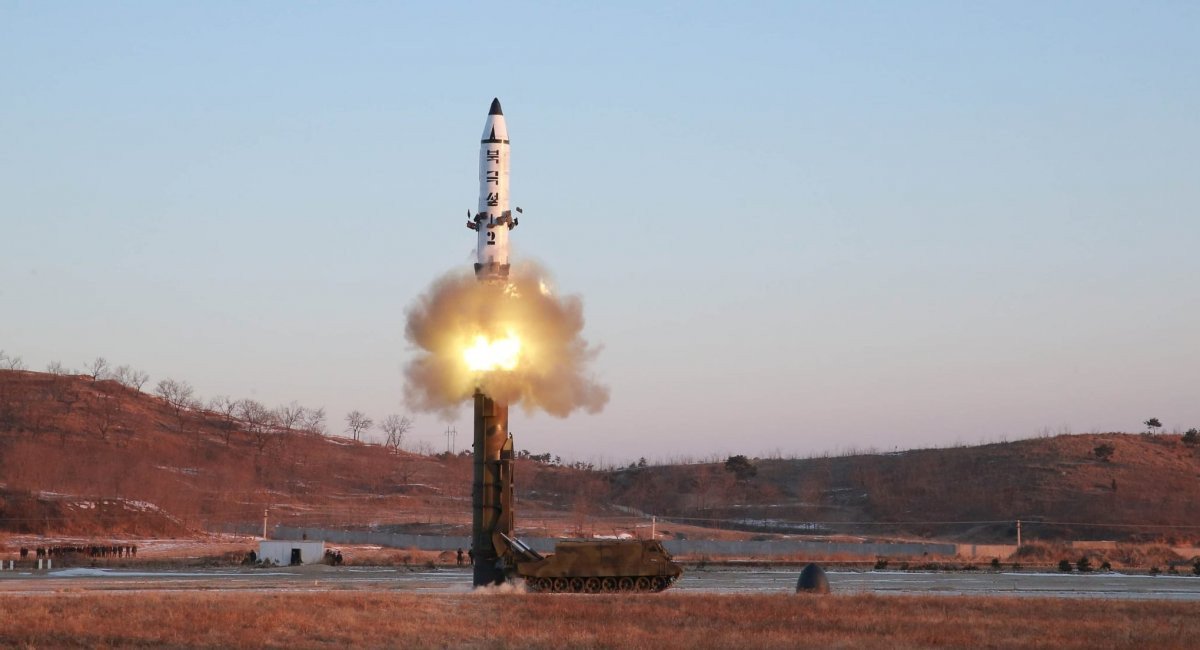
The Ra-3 variant, in particular, could be an adapted version developed either for domestic North Korean use or specifically to fulfill Russian needs for a heavy conventional strike missile.
Some analysts point to similarities between the Ra-3 and older Soviet systems like the Kh-55 or the ground-launched RK-55 “Relief,” suggesting that the design lineage may stem from Russian or Chinese platforms such as the CJ-10.
If deployed, the Ra-3 would likely be used to supplement Russia’s current stockpile of land-attack cruise missiles and short-range ballistic systems. However, as a subsonic platform, its effectiveness would depend on Russia’s ability to overcome Ukrainian air defenses.
Defense Express notes that Ukraine’s continued access to Western-made surface-to-air missiles will be a critical factor in countering such threats. The larger concern is whether the volume and frequency of missile transfers from North Korea could justify the creation of dedicated Russian missile brigades for this system—similar to what may have occurred with the KN-23.
Earlier, images published by Defense Express showed that Russian forces are using Chinese‑made 107mm rockets with North Korean Type‑75 multiple launch rocket systems supplied by Pyongyang.
The rockets, dated 1990, are not newly produced and are believed to have reached Russia through secondary or black‑market channels rather than direct deliveries from China.
Discuss this article: