- Category
- Latest news
Ukraine Destroys Another Rare North Korean Koksan Gun—How Many Does Russia Have Left?
 Prefer U24 Media on Google
- Authors


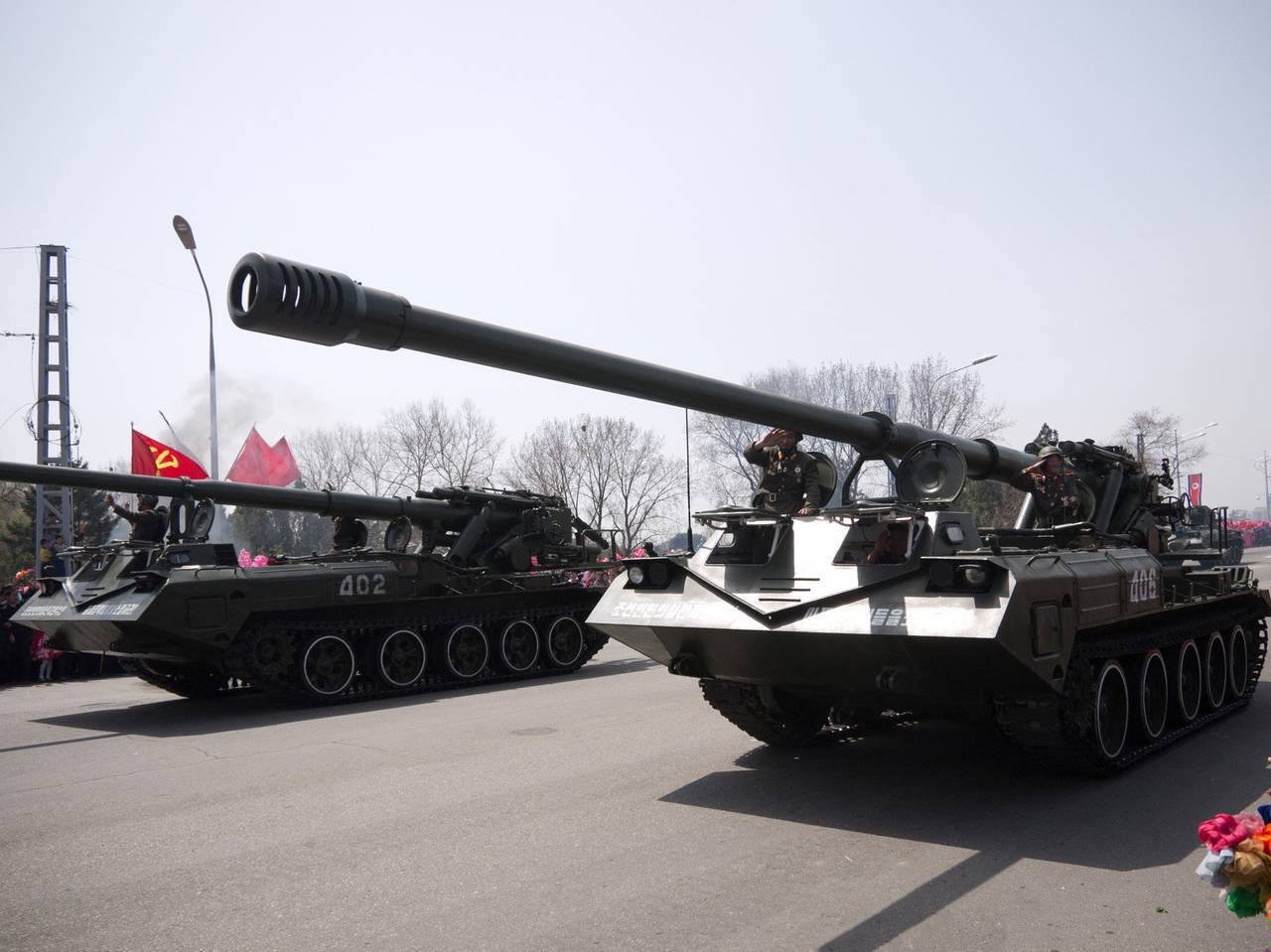
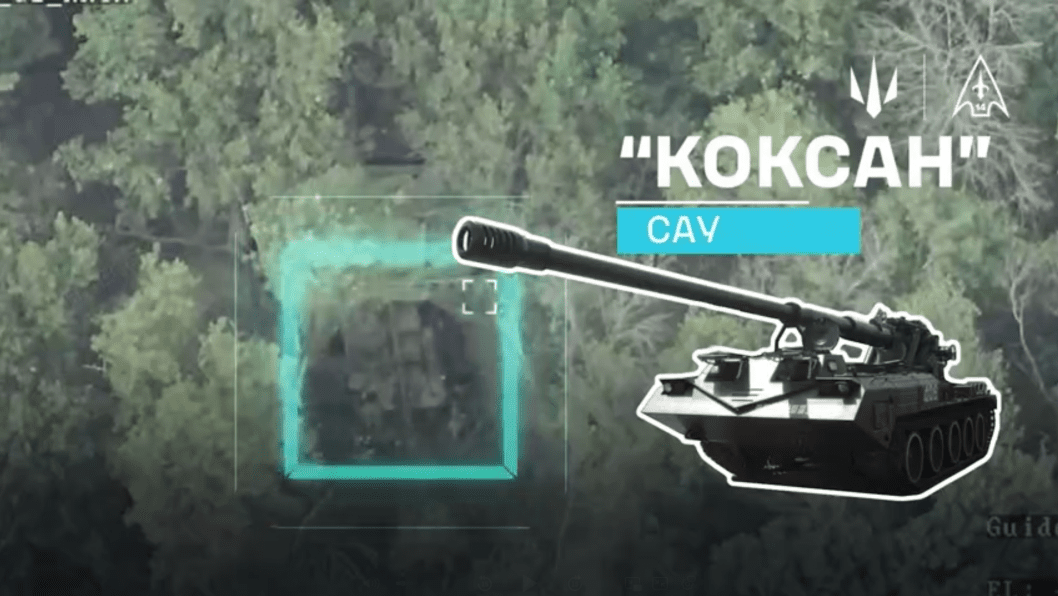
Ukrainian forces have destroyed a rare North Korean–supplied 170-mm M-1989 Koksan self-propelled artillery system used by Russian troops near the city of Huliaipole in Ukraine’s Zaporizhzhia region.
We bring you stories from the ground. Your support keeps our team in the field.
According to Defense Express on March 8, operators from the 413th SBS “Raid” Regiment identified and struck the artillery system while operating on the Oleksandrivske direction near Huliaipole.
The strike has renewed questions about how many of these long-range North Korean artillery systems Russia may now have in service.
What is the Koksan artillery system?
According to Defense Express, visual characteristics of the destroyed vehicle—particularly its extended chassis—indicate the system was the M-1989 Koksan, a later version of North Korea’s long-range artillery platform.
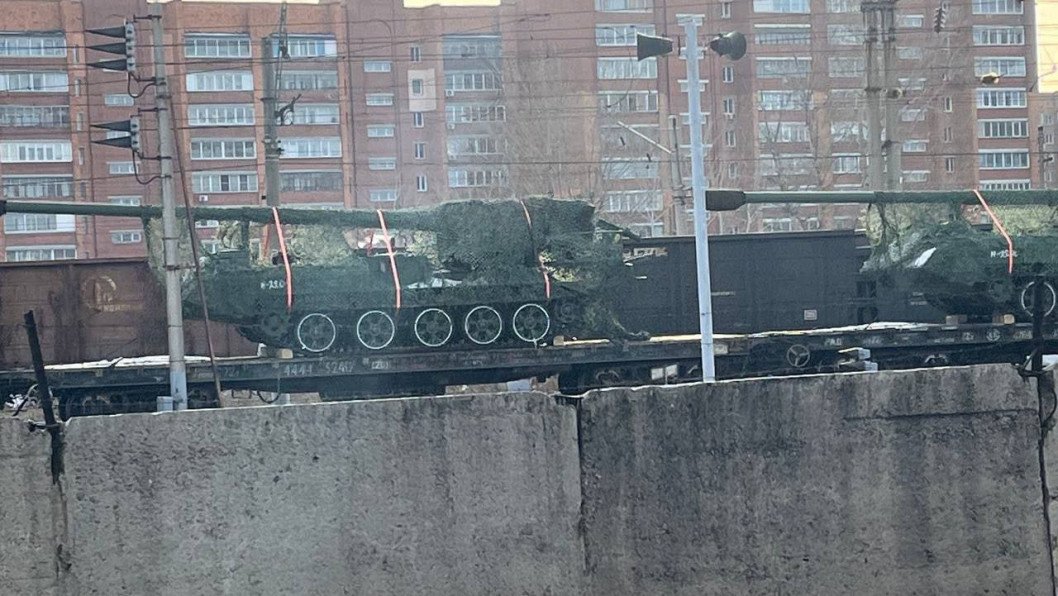
The Koksan family consists of two main variants. The earlier M-1979 version mounts a 170-mm gun on the chassis of a Soviet T-54 tank or the Chinese Type-59. This configuration does not carry onboard ammunition and typically operates alongside a separate ammunition transporter.
The later M-1989 version, identified in the Huliaipole strike, features a longer chassis and carries up to 12 rounds of onboard ammunition, allowing more independent operation in combat.
According to Defense Express, both variants are designed for long-range strikes. The artillery system reportedly has a maximum range of up to 40 kilometers using conventional high-explosive shells and up to 60 kilometers with rocket-assisted projectiles. Its firing rate is estimated at one to two rounds every five minutes, with a 50-caliber barrel length.
Another batch of North Korean 170mm M-1989 “Koksan” Self-Propelled Gun arrived at Russia. pic.twitter.com/mJVjWZoymT
— OSINTWarfare (@OSINTWarfare) January 25, 2025
Open-source monitoring cited by Defense Express indicates that Ukrainian forces have recorded around ten confirmed battlefield hits against Koksan systems since they began appearing in the war.
When did Koksan guns appear in Russia’s army?
The first confirmed appearance of Koksan artillery in Russian units was recorded in January 2025, roughly two months after initial deliveries from North Korea.
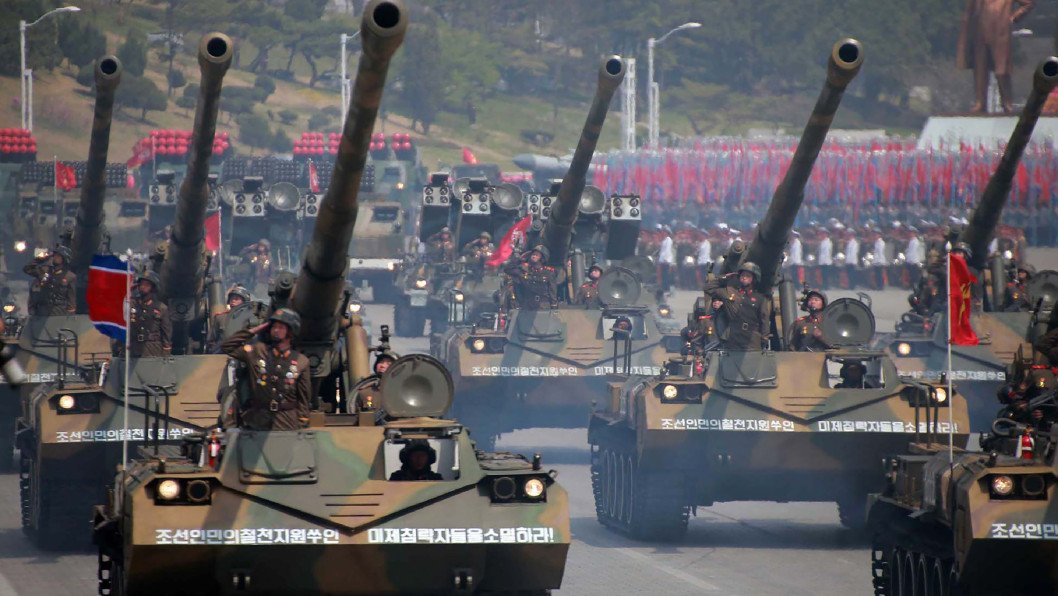
Earlier imagery circulating online in November 2024 showed M-1989 Koksan systems transported by rail across Russian territory, suggesting the weapons were being moved toward operational deployment.
North Korean 170mm M-1978 'Koksan' self-propelled artillery and the Pukguksong-2 IRBM (KN-15) being transported somewhere in Russia. pic.twitter.com/9lKFG0LXyq
— OSINTWarfare (@OSINTWarfare) December 21, 2024
By December 2024, reports indicated that Russia had already received several dozen Koksan artillery systems from Pyongyang.
How many could Russia receive?
Plans discussed in early 2025 suggested Russia could receive up to 240 Koksan self-propelled guns along with 240 M-1991 multiple launch rocket systems from North Korea.
The actual number delivered so far remains unclear. If these deliveries are completed, the North Korean systems could significantly reinforce Russia’s heavy artillery capabilities.
At the beginning of 2025 Russia’s armed forces operated around 50 2S7 Pion self-propelled guns and 75 upgraded 2S7M Malka systems, with about 50 additional Pion units remaining in storage.
The appearance of Koksan artillery on the battlefield reflects the expanding military cooperation between Russia and North Korea during the war.
According to Defense Express, estimates circulating in late 2024 suggested Russia may have paid around $5.5 billion for North Korean weapons and ammunition, along with $576 million related to North Korean personnel deployments.
Earlier, Ukraine’s Defense Forces struck a Russian Pantsir-S1 air defense system and a BK-16 high-speed assault boat near the settlement of Novoozerne in occupied Crimea, according to the General Staff of the Armed Forces of Ukraine. The strikes were part of a broader operation targeting Russian drone command centers, air defense assets, and military infrastructure across occupied territories and Russia’s Belgorod region.
Discuss this article:
-9a7b3a98ed5c506e0b77a6663f5727c5.png)

-c439b7bd9030ecf9d5a4287dc361ba31.jpg "Photo of Katherina Popilnichenko")