- Category
- World
Ukrainian Drone Campaign Cuts Russian Explosives Precursor Production by 9%
 Prefer U24 Media on Google
- Authors

-72b63a4e0c8c475ad81fe3eed3f63729.jpeg "Photo of Cyril Barabaltchouk")
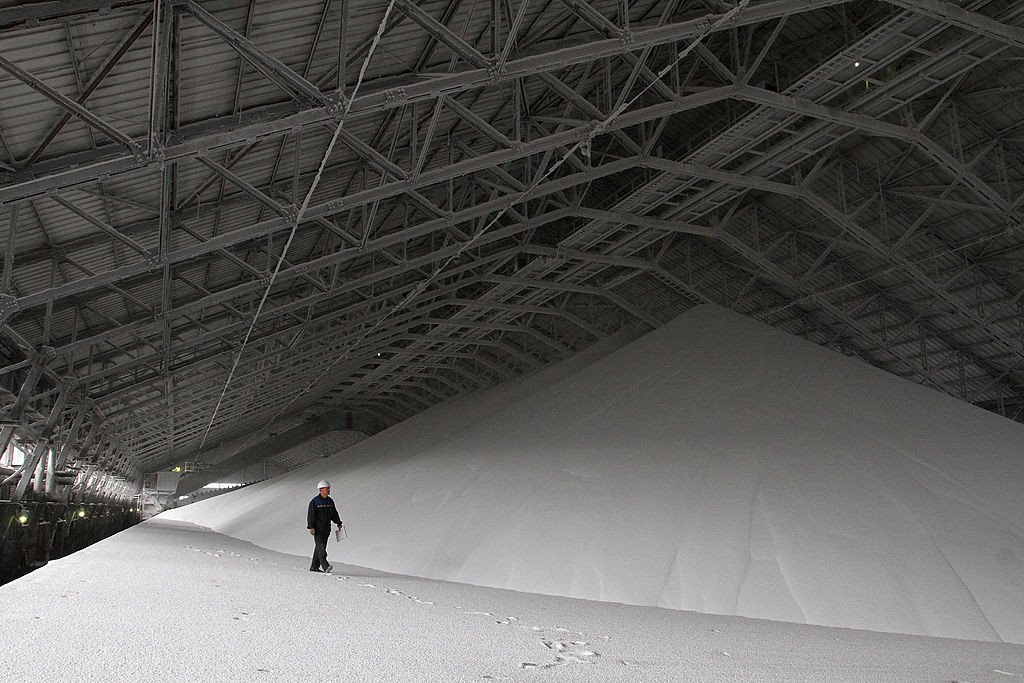
Russia’s production of ammonium nitrate has experienced a notable decline following a wave of Ukrainian drone strikes against domestic chemical facilities, The Moscow Times reported on June 30.
According to the state statistics agency Rosstat, Russian ammonium nitrate production dropped by 9 percent year-on-year between January and May 2026, falling to 4.7 million tons. The slowdown was particularly severe in May, when output plunged 14 percent year-on-year to 786,100 tons.
We bring you stories from the ground. Your support keeps our team in the field.
Ammonium nitrate is a key nitrogen fertilizer widely used in agriculture, but it also serves as a fundamental component in the manufacture of military-grade explosives. The drop in output is attributed to limited operational capacity as manufacturers grapple with unscheduled repairs following drone impacts, The Moscow Times wrote.
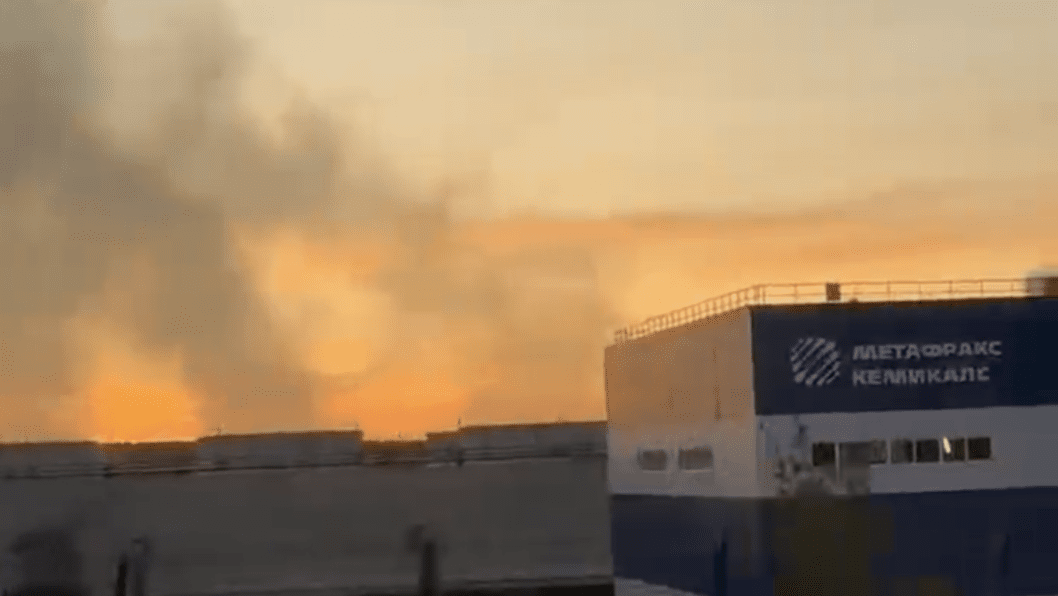
The Ukrainian Armed Forces accelerated their long-range drone campaign against Russian chemical infrastructure in early 2026, striking facilities that process raw materials for munitions. The campaign has managed to reach the Redkinsky Experimental Plant in Tver Region on February 7, and long-range drones hit the Metafrax Chemicals plant in the Perm region on February 17, temporarily disrupting a facility that supplies precursors for weapons-grade explosives.
Following another late-winter strike on the Dorogobuzh plant in Smolensk on February 25, the campaign continued into the spring, hitting PhosAgro’s Apatit facility in Vologda in March, KuibyshevAzot in Samara, and Minudobreniya in Voronezh in April, alongside two separate drone strikes targeting the Azot factory in Stavropol Krai during May, according to The Moscow Times.
The drone campaign also impacted the production of ammonia, an essential precursor for manufacturing nitrate. Rosstat reported that Russian ammonia output decreased by 7.5 percent year-on-year during the first five months of 2026, reaching 7.6 million tons.
The Moscow Times noted that, to prioritize supplies for domestic agricultural producers amid the shortages, the Russian Ministry of Agriculture enforced a temporary suspension on ammonium nitrate export licenses from March 21 to April 21, 2026.
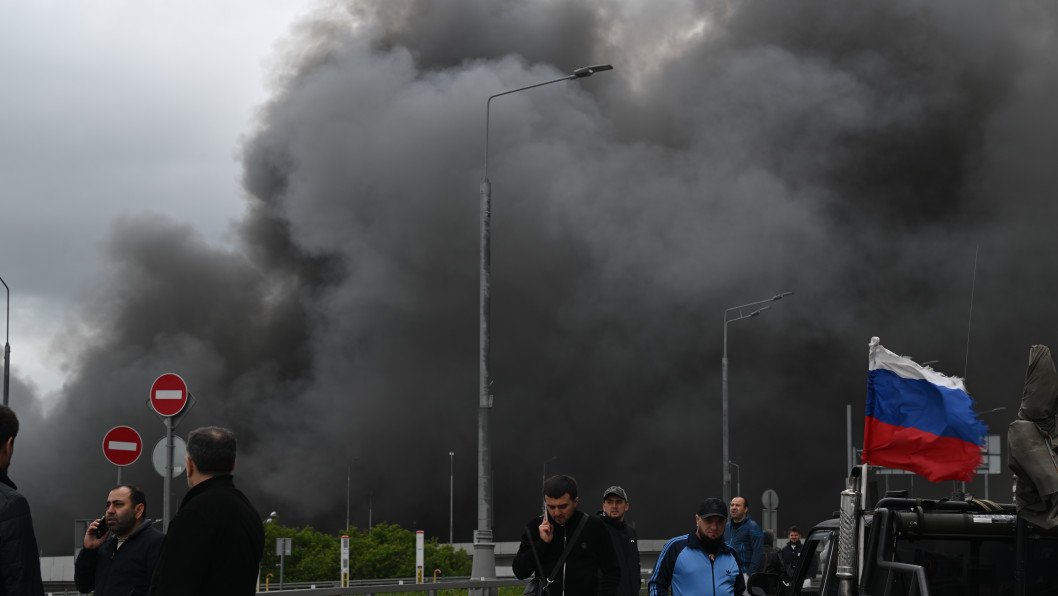
While industrial analysts from Metals & Mining Intelligence (MMI) suggest that manufacturing might see a partial stabilization during the second half of the year, the spring supply deficits are unlikely to be fully reversed. The industry is currently projected to finish 2026 with an overall 5 percent annual decline in total ammonium nitrate production, dropping to approximately 11 million tons, The Moscow Times reported.
Ukrainian drones had also recently struck the Azot chemical plant in Novomoskovsk, Tula region.
The EuroChem-owned facility, which specializes in nitrogen fertilizers and produces chemical components for military explosives, sustained infrastructure damage alongside neighboring power transmission lines following a multi-hour raid that left the surrounding area with power outages and a distinct smell of ammonia.
Discuss this article:



-c439b7bd9030ecf9d5a4287dc361ba31.jpg "Photo of Katherina Popilnichenko")


-111f0e5095e02c02446ffed57bfb0ab1.jpeg "Photo of Roman Kohanets")