- Category
- War in Ukraine
Ukrainian Drones Strike Russia’s Largest Satellite Ground Hub Near Moscow for Second Time
 Prefer U24 Media on Google
- Authors


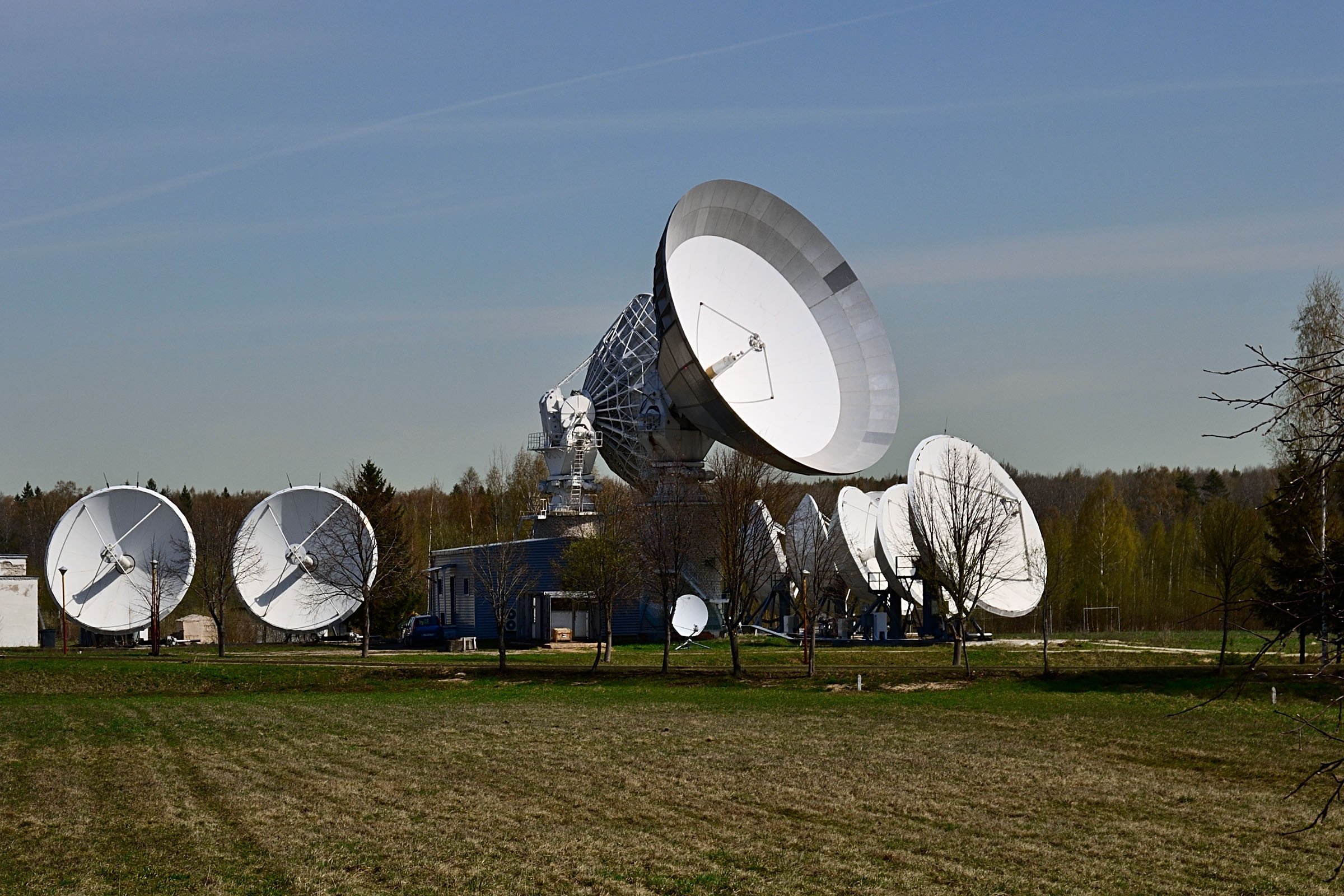
Drones targeted the Dubna Space Communications Center in Russia's Moscow region on the morning of June 30, according to the Telegram channel Exilenova+.
We bring you stories from the ground. Your support keeps our team in the field.
Video footage published by the channel, reportedly recorded by eyewitnesses at the scene, shows a column of smoke rising from the facility after the attack.
Exilenova+ also noted that two strikes were recorded in the town of Dubna, where the space communications center is located.
UPD: Ukrainian President Volodymyr Zelenskyy confirmed that Ukrainian long-range operations have again reached the Dubna Space Communications Centre in Russia’s Moscow region.
“We are systematically implementing our plan of long-range sanctions and are making it as difficult as possible for the aggressor state to conduct offensive operations against Ukraine and to continue the occupation of our territories. Appropriate actions are also being prepared against other similar enemy targets,” Zelenskyy stated.
Ukrainian attack drones reportedly struck the Dubna Space Communications Center this morning, Russia’s largest satellite communications complex.
— OSINTtechnical (@Osinttechnical) June 30, 2026
This would be the second time the center has been struck in the last week, and the third strike on a Russian SATCOM facility. pic.twitter.com/dXLi9JmRWV
The strike comes amid a 40-day strategic operation approved by President Volodymyr Zelenskyy and conducted by the Security Service of Ukraine aimed at intensifying pressure on Russia to bring its war to an end. The operation involves sustained long-range attacks on military targets, defense-industrial facilities, as well as logistics and energy infrastructure that support Russia’s military effort.
This is not the first time the Dubna Space Communications Center has come under drone attack. On June 21 and during the night of June 21–22, Ukraine’s Defense Forces struck the facility in Russia’s Moscow region, according to Ukraine’s General Staff.
About Dubna Space Communications Center
The Dubna Satellite Communications Center is considered Russia's largest satellite teleport, serving as a major ground hub that connects satellites with terrestrial communications networks. Operated by the Russian Satellite Communications Company, it plays a central role in managing satellite communications across Russia and internationally.
The facility was established in 1980 under an order from the Soviet Ministry of Communications ahead of the 1980 Moscow Summer Olympics. Its initial mission was to transmit live television broadcasts of the Games to audiences across Europe and North America.
Originally, the complex operated two primary antennas: a 12-meter Soviet-built TNA-57 dish and a 32-meter Japanese-made NEC MARK-4 antenna designed to work with the international Intelsat satellite network.
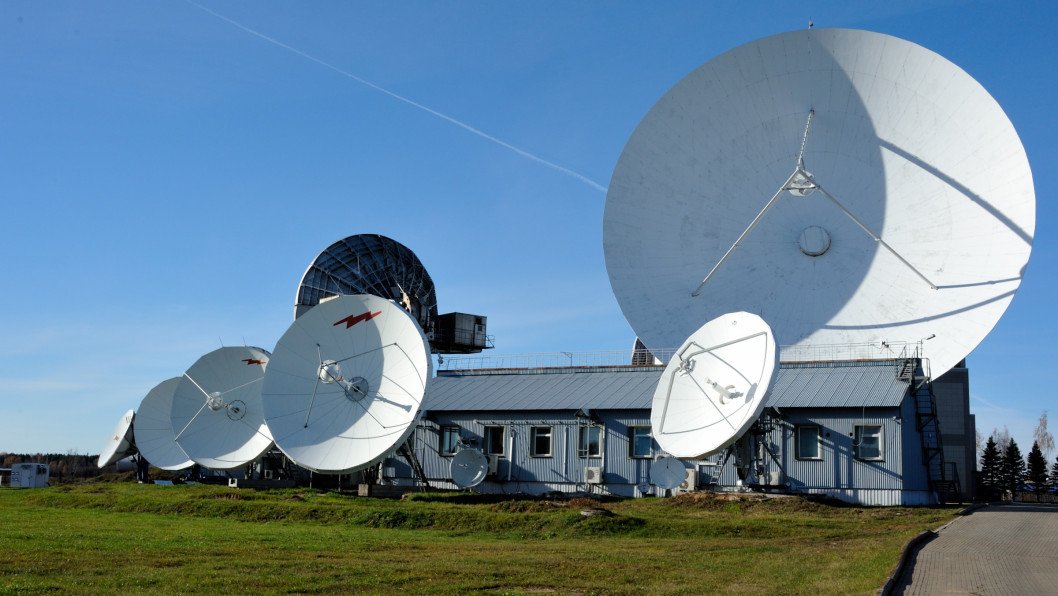
Over the years, the Dubna center developed into one of Russia's largest satellite communications facilities. Today, it operates more than 20 antennas of various sizes, ranging from two-meter dishes to the original 32-meter antenna.
The facility is responsible for telemetry, tracking, and command operations for a significant portion of Russia's civilian satellite constellation, including the Express series of geostationary satellites.
Although officially managed by the civilian Russian Satellite Communications Company, the center also serves important military and state security purposes. Its infrastructure is integrated into Russia's national defense and strategic communications systems, making it a dual-use facility.

Another satellite communications facility, the Vladimir Space Communications Center in Russia’s Vladimir region, was also hit on June 24, with Ukrainian officials saying the strike caused damage and a fire.
Defense analysts cited in Ukrainian media have described the recent strikes as part of a broader campaign aimed at degrading Russia’s satellite communications infrastructure, which plays a role in both civilian operations and military command systems.
Discuss this article:
-9a7b3a98ed5c506e0b77a6663f5727c5.png)