- Category
- War in Ukraine
Fuel Shortages Spread Across 50+ Russian Regions as Refinery Strikes Knock Out Quarter of Output
 Prefer U24 Media on Google
- Authors


A fuel crisis is rapidly escalating across Russia, with gasoline and diesel shortages already affecting a majority of the country’s regions, according to recent assessments by DroneBomber on June 29.
Over the past week, the situation has deteriorated sharply. Restrictions on fuel sales are now in place in dozens of regions, long queues have formed at filling stations, and in some areas fuel has disappeared entirely.
We bring you stories from the ground. Your support keeps our team in the field.
Since the beginning of 2026, more than 20 Ukrainian strikes have targeted Russian oil refineries, with several facilities hit repeatedly. Eight of Russia’s ten largest refineries have come under attack.
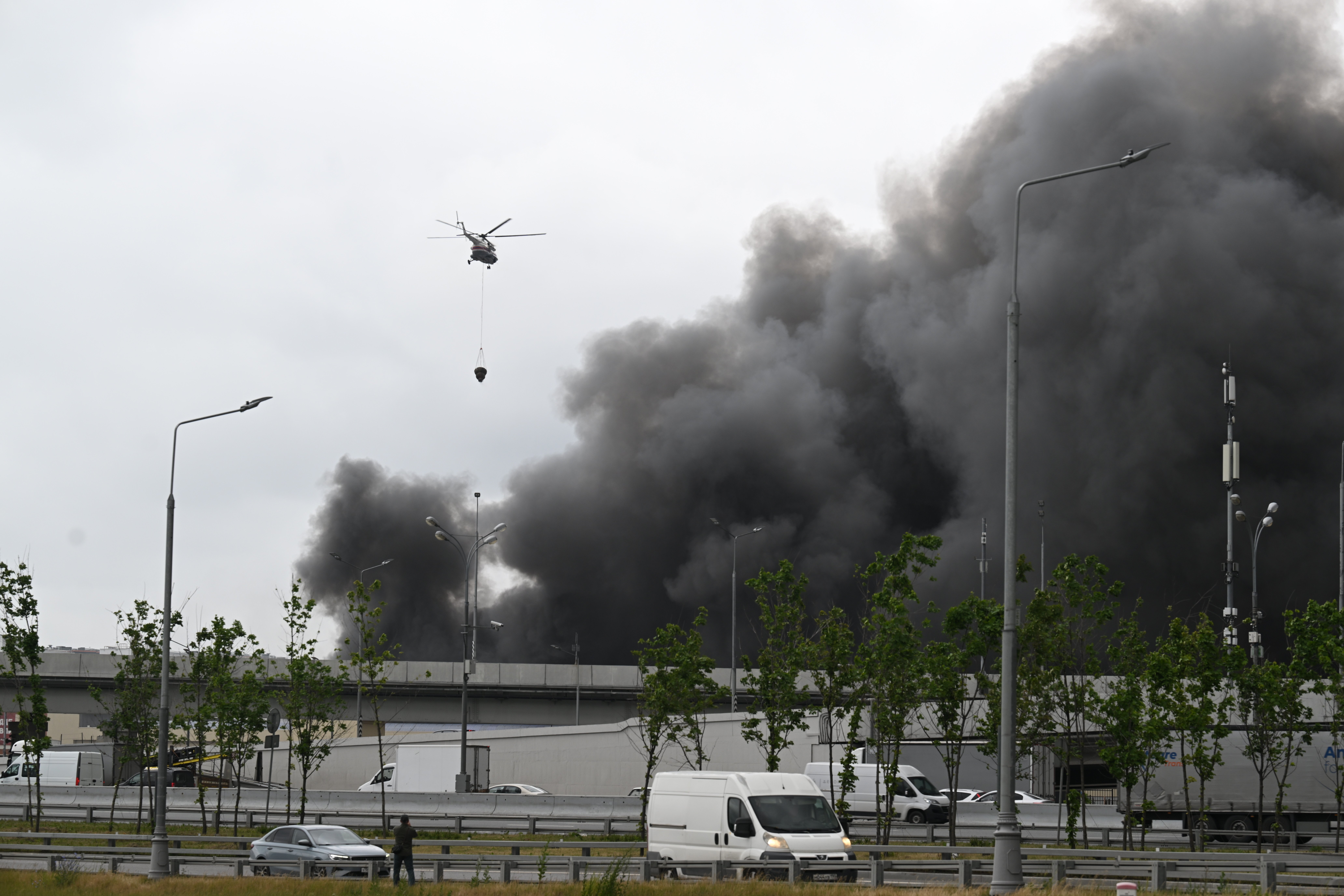
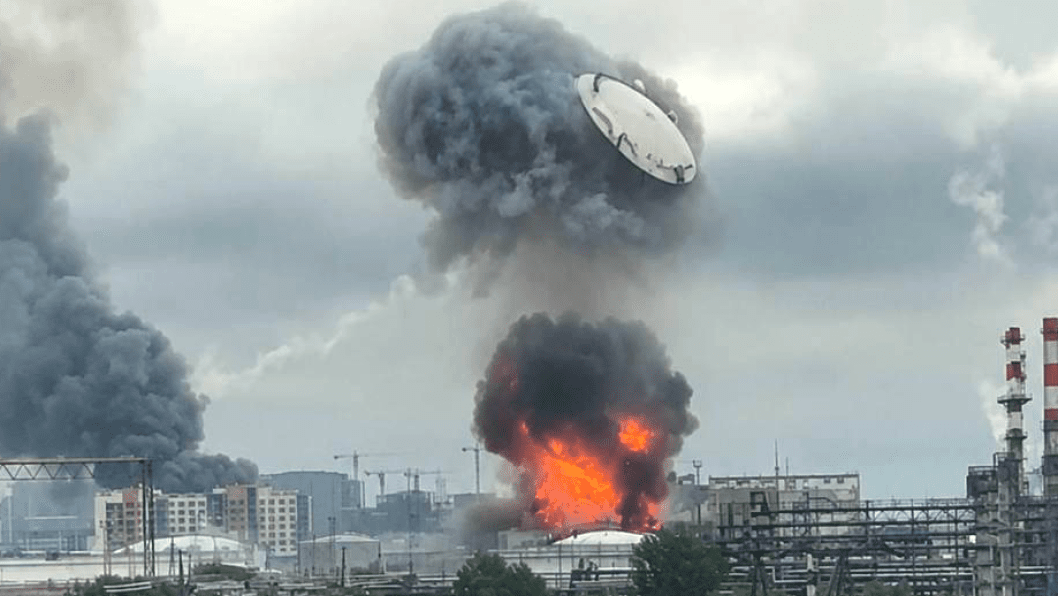
The most significant impact has been recorded at the Moscow refinery in Kapotnya, which was struck twice on June 16 and 18. Following the second attack, the facility sustained critical damage and is not expected to resume operations for at least six months. The refinery was a key supplier of fuel to Moscow and the surrounding region.
Among the facilities that have been fully or partially shut down or significantly reduced production are:
Moscow refinery;
Saratov refinery;
Volgograd refinery;
Kirishsky refinery (KINEF);
Ryazan refinery;
TANECO;
Kuybyshev refinery;
Novokuibyshev refinery;
Syzran refinery;
Tuapse refinery;
Yaroslavl refinery, and several others.
")
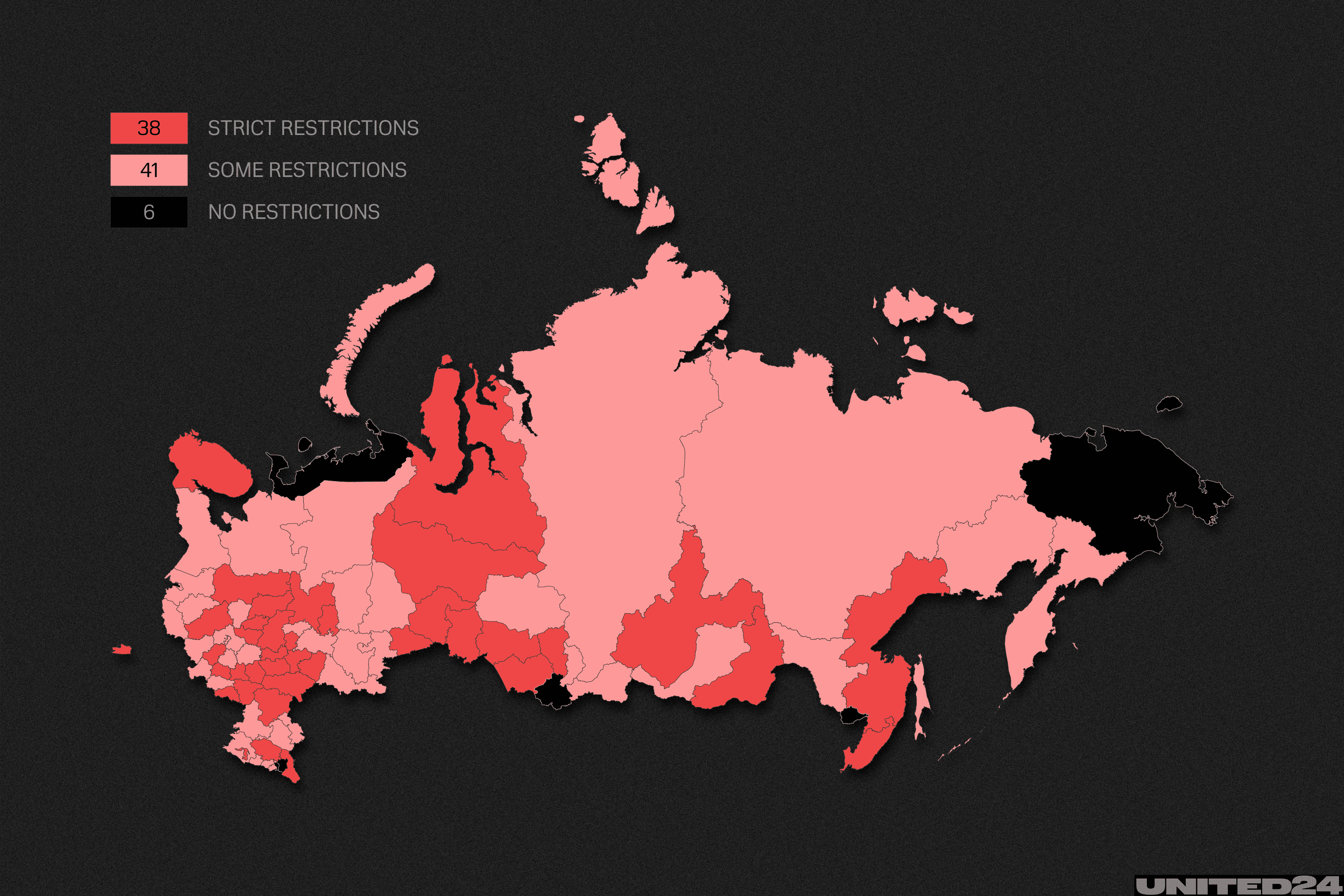
Map showing fuel sale restrictions across Russian regions following refinery disruptions caused by Ukrainian strikes. (Source: UNITED24 Media/Oleksandr Manukians)
According to DroneBomber, international analysts estimate that more than 20–25% of Russia’s total refining capacity is currently offline or operating under severe restrictions, with some assessments putting the figure closer to 40%. As a result, gasoline production has reportedly fallen by around 25% compared to the same period last year.
Experts note that compensating for these losses is increasingly difficult. Other refineries are already operating near maximum capacity, while repairs to major installations take months. A significant share of equipment is imported, making restoration more complicated due to sanctions.
Regions most affected
The most severe shortages are currently recorded in occupied Crimea, where civilian gasoline sales are heavily restricted and fuel is distributed mainly through ration cards or special permits.
Significant restrictions are also reported in Moscow and the Moscow region, as well as the Ryazan, Saratov, Lipetsk, Ulyanovsk regions, Krasnodar Krai, and parts of Siberia and the Volga region.
In many areas, limits of 20–40 litres per customer have been introduced, filling of fuel canisters has been banned, and long queues lasting several hours are regularly reported at petrol stations. Overall, fuel-related problems are now recorded in approximately 50–60 Russian regions, DroneBomber reported.
The crisis has escalated to the point that Russia has begun importing gasoline by sea for the first time in years, is negotiating fuel purchases from Kazakhstan, is considering a full ban on diesel exports, and is adjusting tax regulations in an attempt to stabilise the market.
-c65beef38eb42c5c49f25778e5905100.jpg)
Systemic strain on fuel distribution
As of late June 2026, the situation is characterised by widespread disruption: more than 20 refinery strikes since the start of the year, eight of Russia’s ten largest refineries affected, around 25% of refining capacity offline, and a roughly 25% decline in gasoline production.
Despite most strikes occurring in the European part of Russia, shortages are now spreading to Siberia and the Far East. Analysts attribute this to the structure of Russia’s fuel system, which operates as a single interconnected network, according to DroneBomber.
-dc205b180838c9c0335f241aa3b333de.jpg)
Following disruptions at major refineries, fuel is being redirected toward Moscow, major industrial hubs, military logistics priorities, and other strategic regions. As a result, remote areas are increasingly supplied on a residual basis, contributing to the widening spread of shortages.
Belarus has also increased emergency fuel exports to Russia. In May, gasoline deliveries rose by 11% to 57,000 tonnes, diesel shipments increased by 23% to 50,000 tonnes, and more than 5,000 tonnes of aviation fuel were additionally supplied.
Discuss this article: