- Category
- War in Ukraine
Inside Raid, Ukraine’s Secret Long-Range Drone Unit Hitting Targets Deep Inside Russia
 Prefer U24 Media on Google
- Authors

-c439b7bd9030ecf9d5a4287dc361ba31.jpg "Photo of Katherina Popilnichenko")
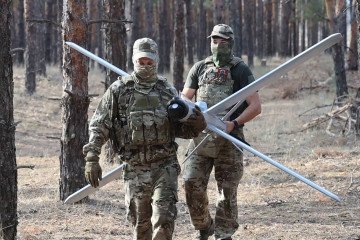
A secretive Ukrainian deep-strike unit within the 413th Separate Unmanned Systems Regiment, known as Raid, has revealed its long-standing operations deep behind enemy lines during Russia’s full-scale invasion of Ukraine.
Officially acknowledged only in 2026, the specialized battalion has executed strategic strikes on the Tuapse oil refinery, Ust-Luga port, Moscow, and the Engels airbase, according to NV on June 25.
We bring you stories from the ground. Your support keeps our team in the field.
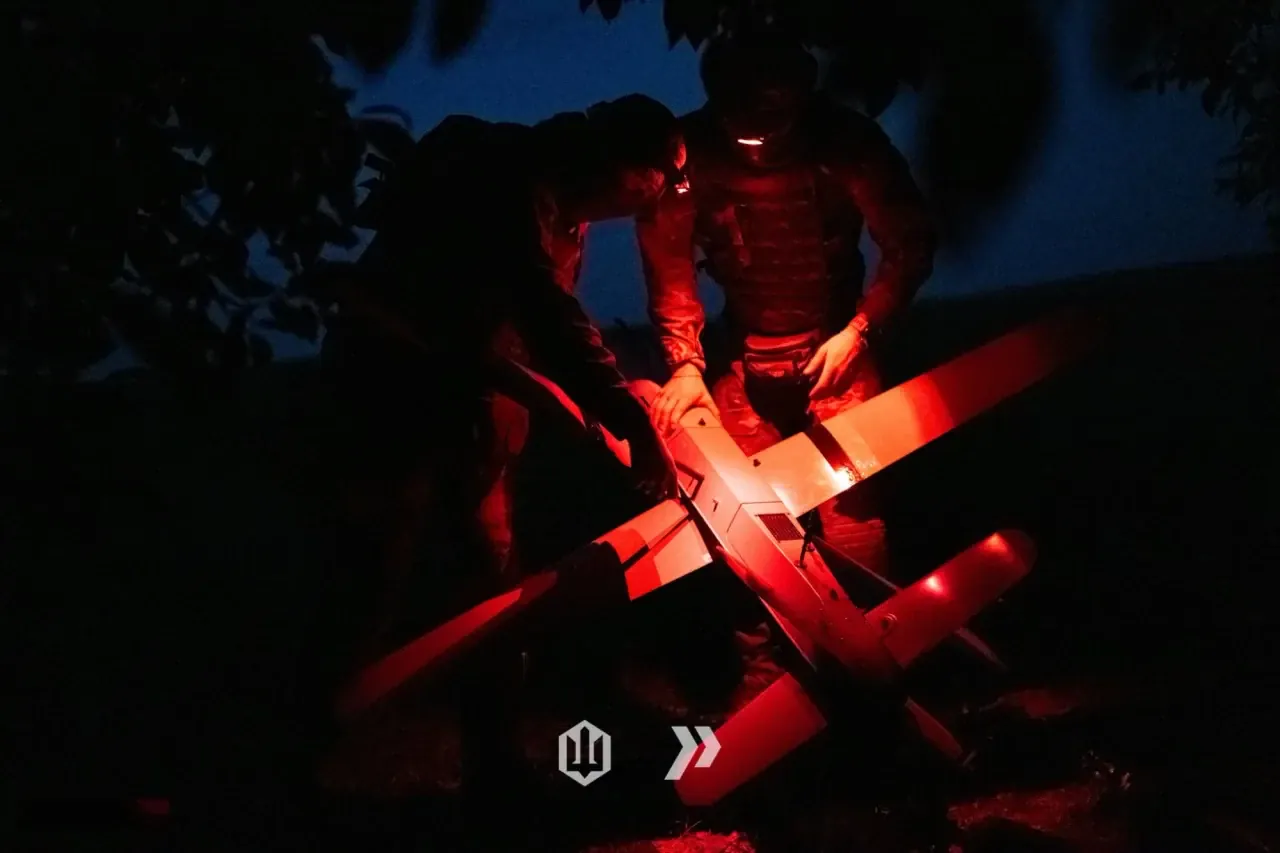
Operating in teams of fewer than ten personnel using ordinary minivans, the unit deploys Fire Point drones equipped with reactive boosters, allowing them to launch from any terrain without runways.
OSINT analyst Kyle Glen reported a 3.4-fold increase in the destruction of Russian air defenses between February and April 2026, forcing Russian forces to pull obsolete 1963-designed Kub missile systems to the front lines.

To maintain operational security during weeks of preparation, launch crews are often not informed of final targets until after takeoff. Raid battalion commander, callsign Shults, stressed that these deep strikes rely on broad cooperation.
Formed from experienced first-person view (FPV), reconnaissance, and bomber drone operators from the 14th Regiment, the unit systematically shifted to long-range missions following a logistical transition in late 2025.

"The preparation of the battalion lasted for a certain time, but systematic work in the field of deep strike began after New Year 2026... but already now it can be said that we have fully 'stepped onto the tracks', this is already stable work," said the Raid battalion commander.
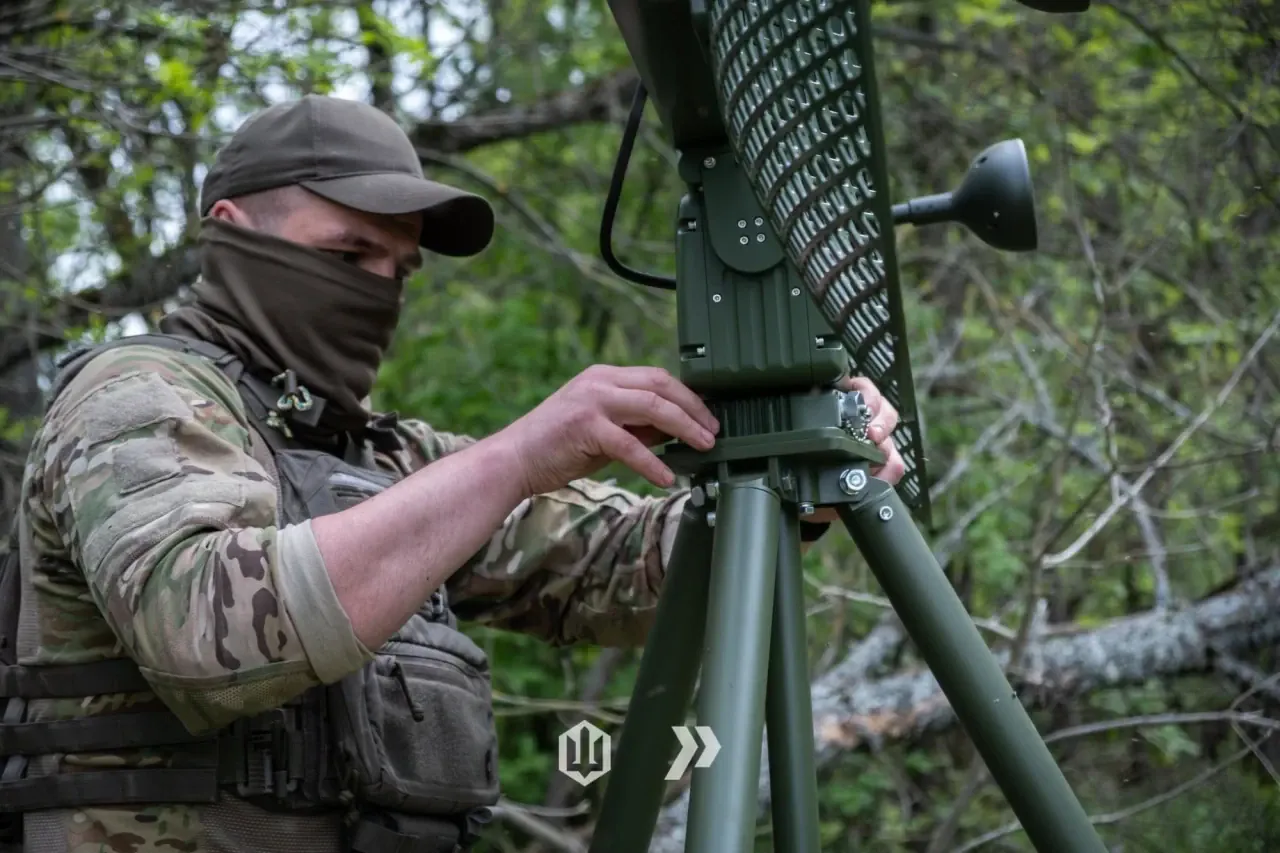
The mobility of Fire Point drones provides critical defense against enemy tracking, allowing crews to constantly shift positions.
In addition to strategic operations, the unit conducts middle-depth strikes targeting tactical supply lines, command hubs, and radar networks, successfully suppressing enemy anti-aircraft systems.
"Now our intensity is very high. Sometimes even several units of enemy air defense per week... And then they brutally began to hide. Even, funny to say, they stopped responding to certain tasks of theirs, because they understood that if they reveal themselves — they will be destroyed," Shults noted.
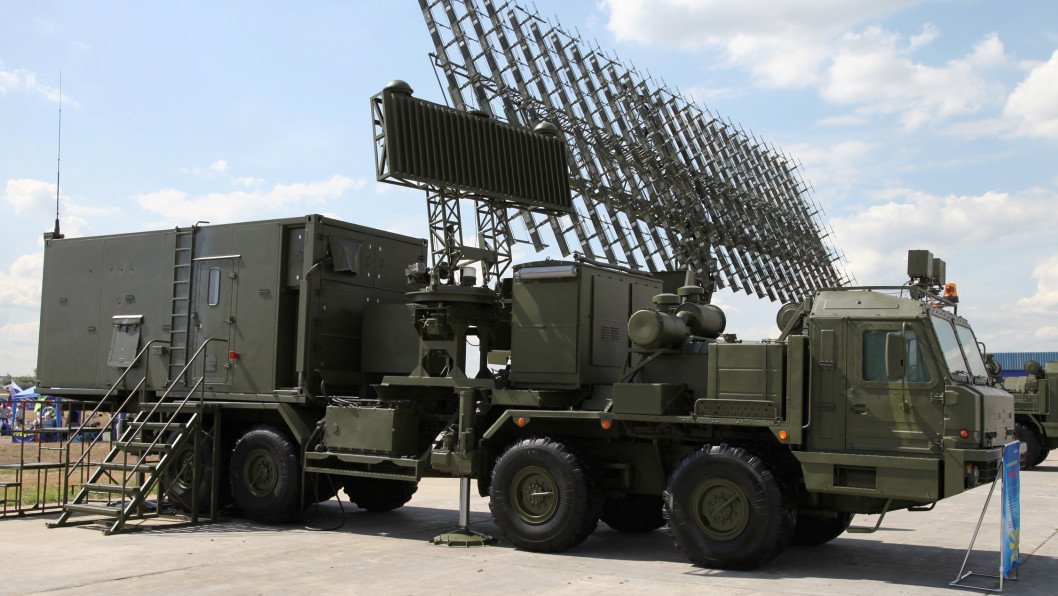
According to NV, the systematic attrition of high-tier assets like Pantsir, Tor, and Buk systems has forced Russian forces to deploy aging equipment to protect vulnerable sectors.
"When on one of the directions after the work of my crews on the opponent, on Buks, on Tors, on Pantsirs, the opponent rolls out a Kub-'grandfather' to cover a certain area… There is a feeling that the colossus is still on straw legs, and this gives further motivation to work," Shults added.
While Ukraine's deep-strike campaign expanded rapidly in 2026, sustaining this operational pace depends directly on the steady volume of domestic drone manufacturing.
A previously undisclosed Ukrainian long-range drone unit within the 413th Regiment has revealed details of its deep-strike operations inside Russia.
Earlier, the Ukrainian Ministry of Defense formally established the Unmanned Systems Forces (USF), creating a dedicated independent branch with its own command structure, doctrine, and combat units to integrate drone technologies across the military.
The branch rapidly demonstrated its strategic impact, reporting that within its first year of operations, it carried out more than 1.65 million combat missions and struck Russian targets valued at nearly $40 billion.
This sustained campaign inflicted significant damage, destroying over 350,000 enemy targets and resulting in losses for more than 100,000 Russian soldiers.
Discuss this article: