- Category
- War in Ukraine
From Garage Workshops to Deep Strikes: Why Ukraine’s Drone Force Has Its Own Holiday
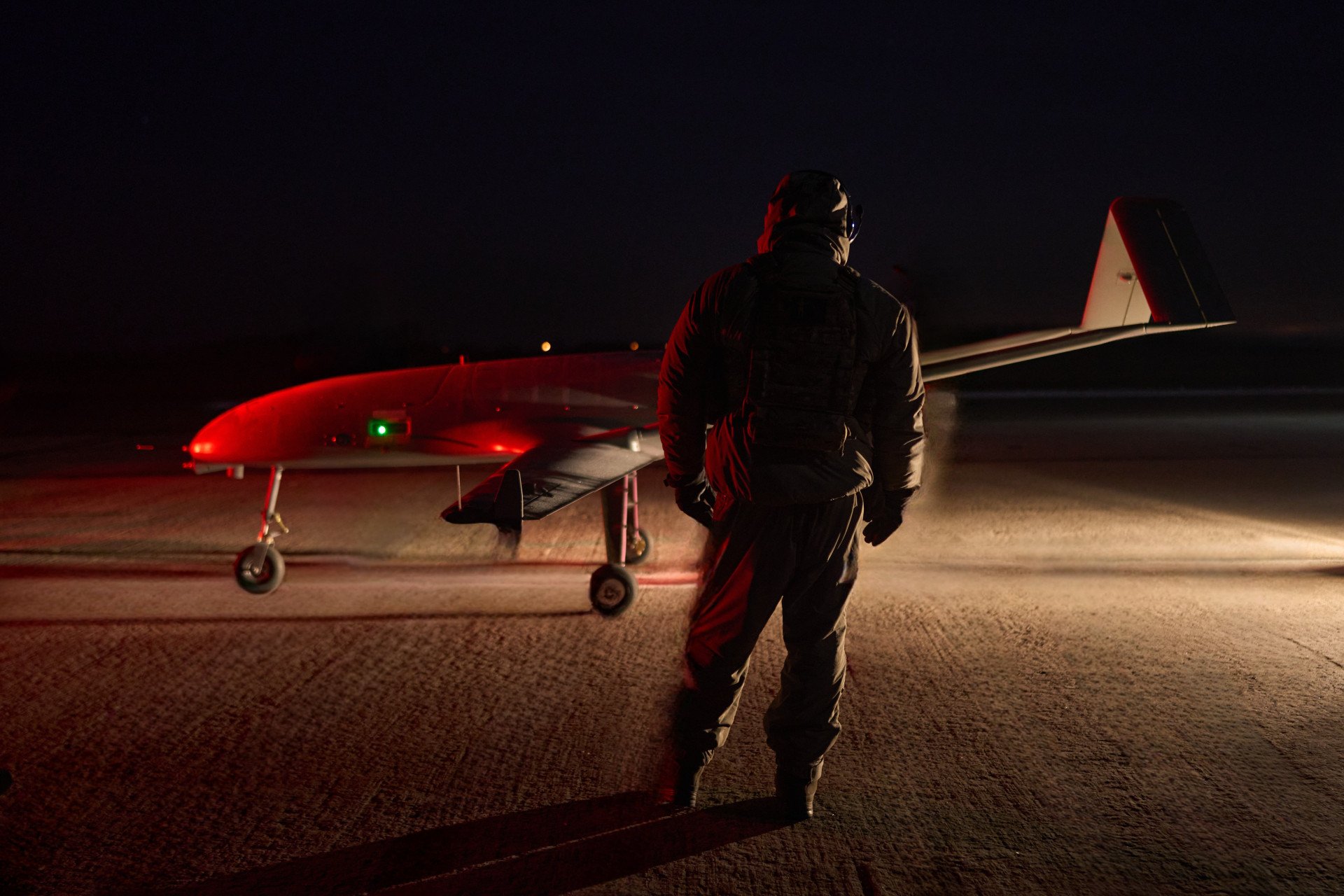
What started with volunteers building drones in garages, workshops, and warehouses has evolved into one of the most consequential military innovations of the war. On June 11, Ukraine honors the Day of the Unmanned Systems Forces (USF) for the first time.
 Prefer U24 Media on Google
- Authors


Facing a larger enemy, Ukraine increasingly relied on drones to conduct asymmetric warfare. That is why in June 2024, the Ministry of Defense formally established the Unmanned Systems Forces (USF), creating a dedicated branch responsible for developing and integrating drone technologies across the military. The USF became independent, with its own command structure, doctrine, training system, and combat units.
The results have been significant. Within its first year, the USF reported striking Russian targets valued at nearly $40 billion. The branch carried out more than 1.65 million combat missions, destroying over 350,000 Russian targets and inflicting losses on more than 100,000 Russian soldiers.
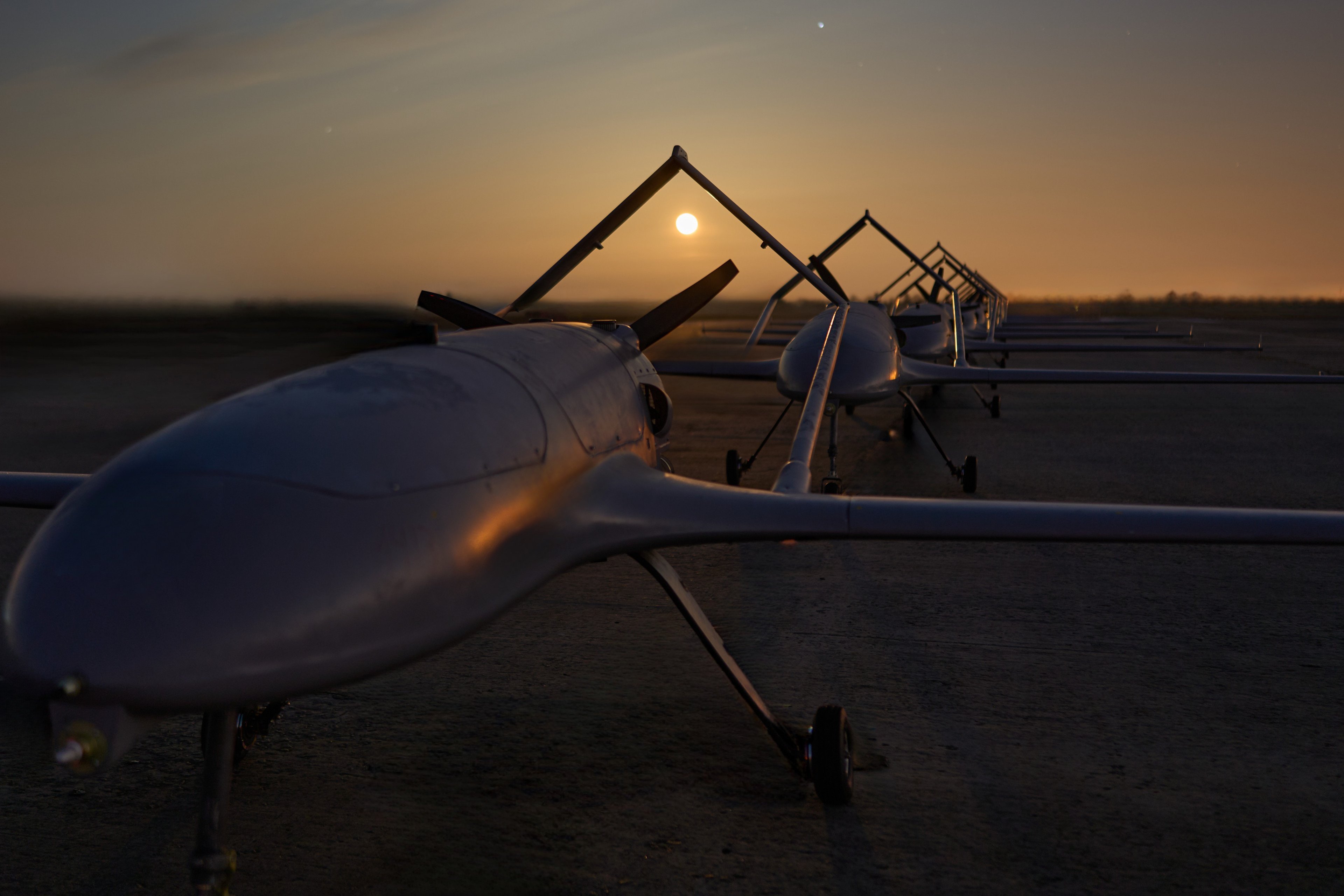
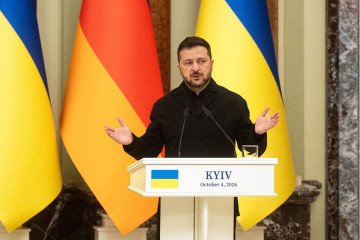
Ukrainian President Volodymyr Zelenskyy established the Day of the Unmanned Systems Forces, turning June 11 into an annual military holiday. Now we can say that unmanned systems have reshaped how modern wars are fought.
Ukraine’s drone force in action
While formally established in 2024, the Unmanned Systems Forces had been taking shape for years. On June 10, 2022, three fighters from Ukraine’s SIGNUM battalion, known by the call signs “Turist,” “Shvaiger,” and “Baghdad,” carried out what is widely considered the world’s first successful combat FPV-drone strike. The grainy footage has since become part of Ukrainian military history.
Within two years, Ukraine’s drone operators had progressed from experimental FPV strikes to conducting the world’s first assault carried out entirely by drones and robotic systems.
The battle for the Black Sea
Ukraine’s maritime drone campaign achieved what few expected: forcing much of Russia’s Black Sea Fleet away from occupied Crimea.
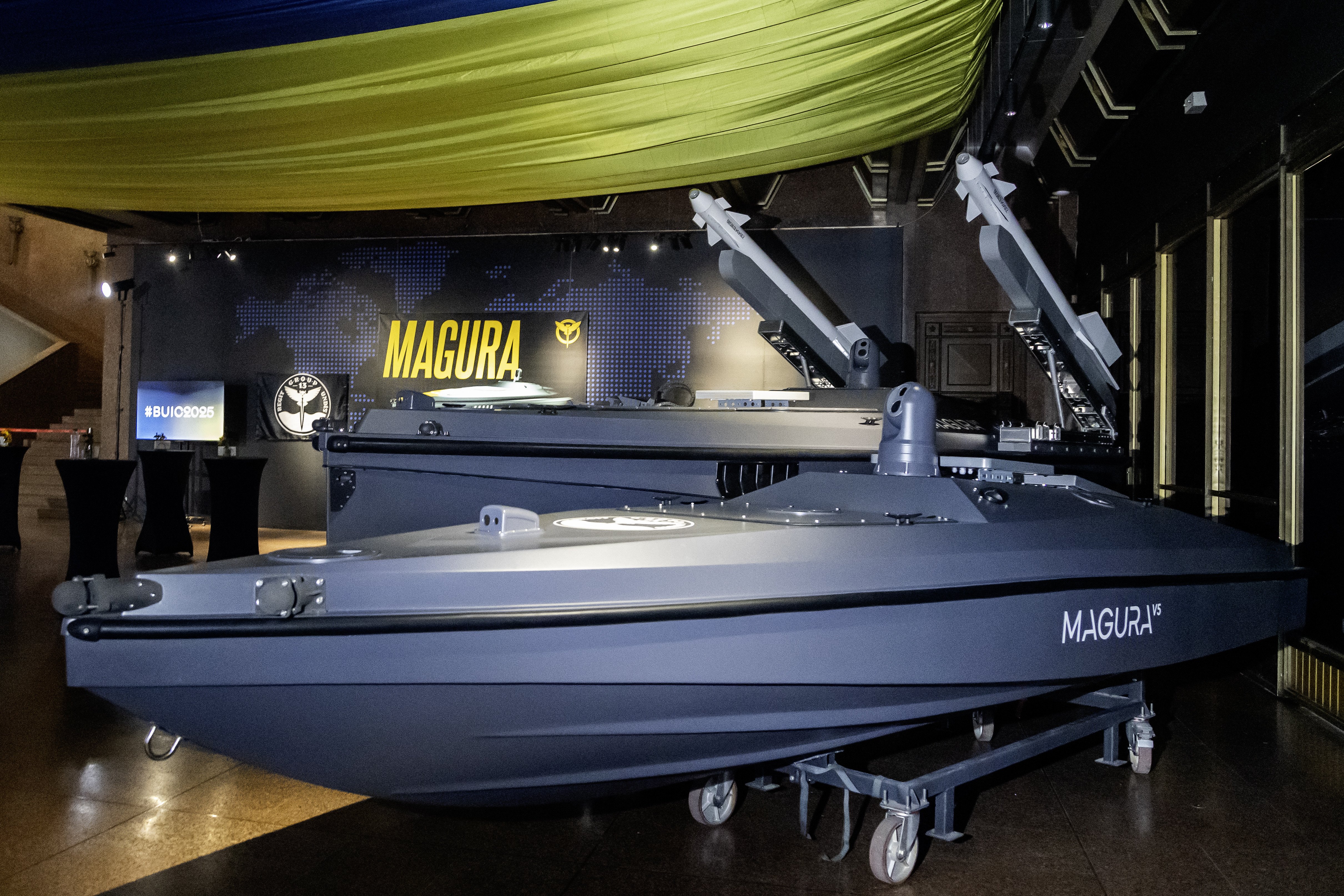
Using Magura and Sea Baby maritime drones, Ukrainian operators struck warships, patrol vessels, and naval infrastructure. A key role was played by HUR’s Group 13, whose missile-equipped Magura V5 drones helped pioneer a new form of naval drone warfare. Operating missile-equipped versions of the platform, the unit reportedly became the first naval drone force to destroy helicopters in combat.
Together with Ukraine’s intelligence services and other drone operators, these units helped complicate Russia’s efforts to dominate shipping lanes and create conditions for Ukraine’s alternative Black Sea export corridor.
Ground robots join the fight
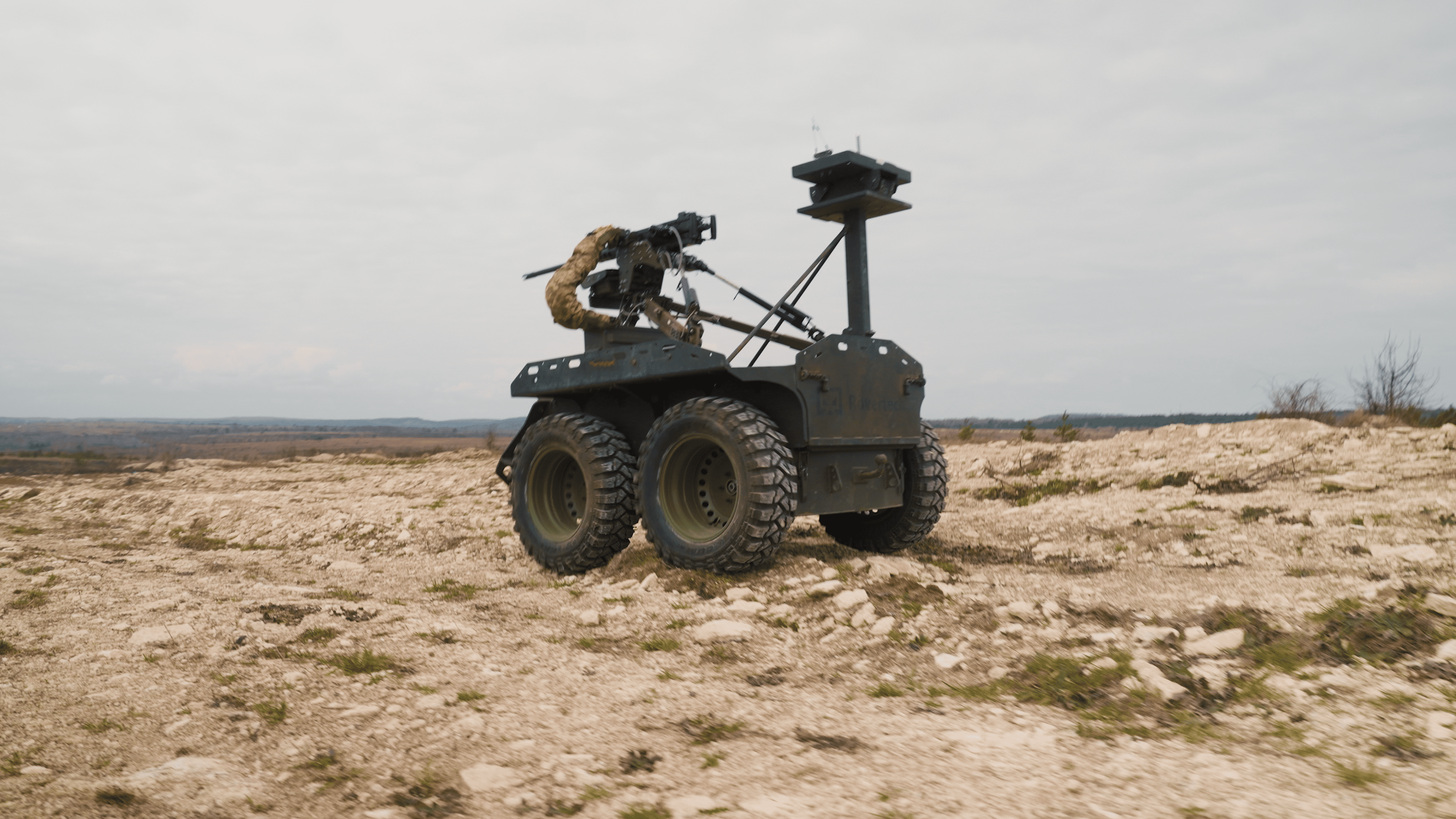
The USF is not limited to aerial and maritime systems. Unmanned ground vehicles are playing an increasingly important role on the battlefield, conducting logistics, evacuation, reconnaissance, and combat missions.
Their use has expanded rapidly. During the past month alone, ground robots completed an average of 367 missions per day, with confirmed monthly deployments surpassing 10,000. Ukrainian ground robotic systems have carried out more than 50,000 logistics and medical evacuation missions since the beginning of 2026.
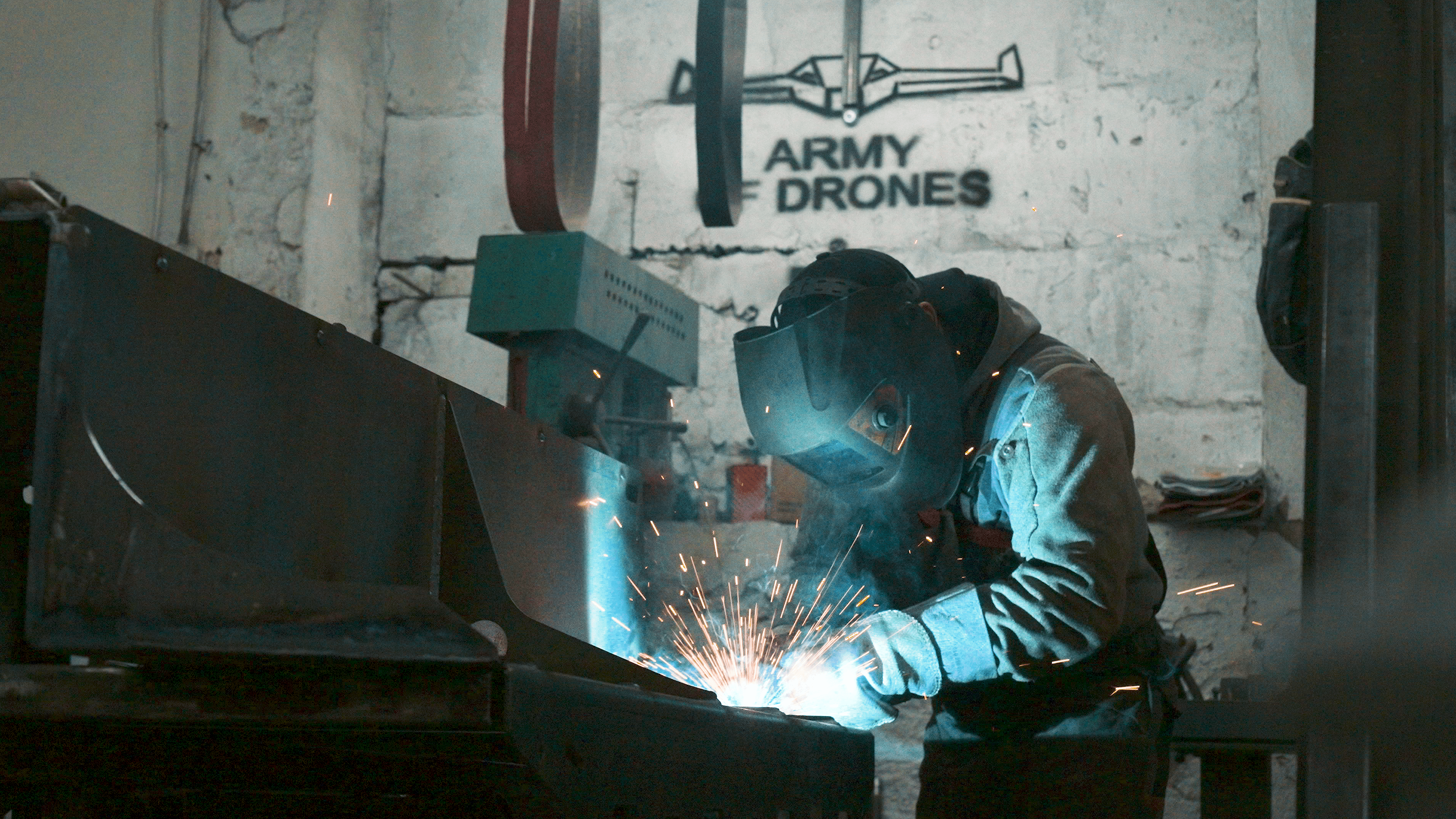
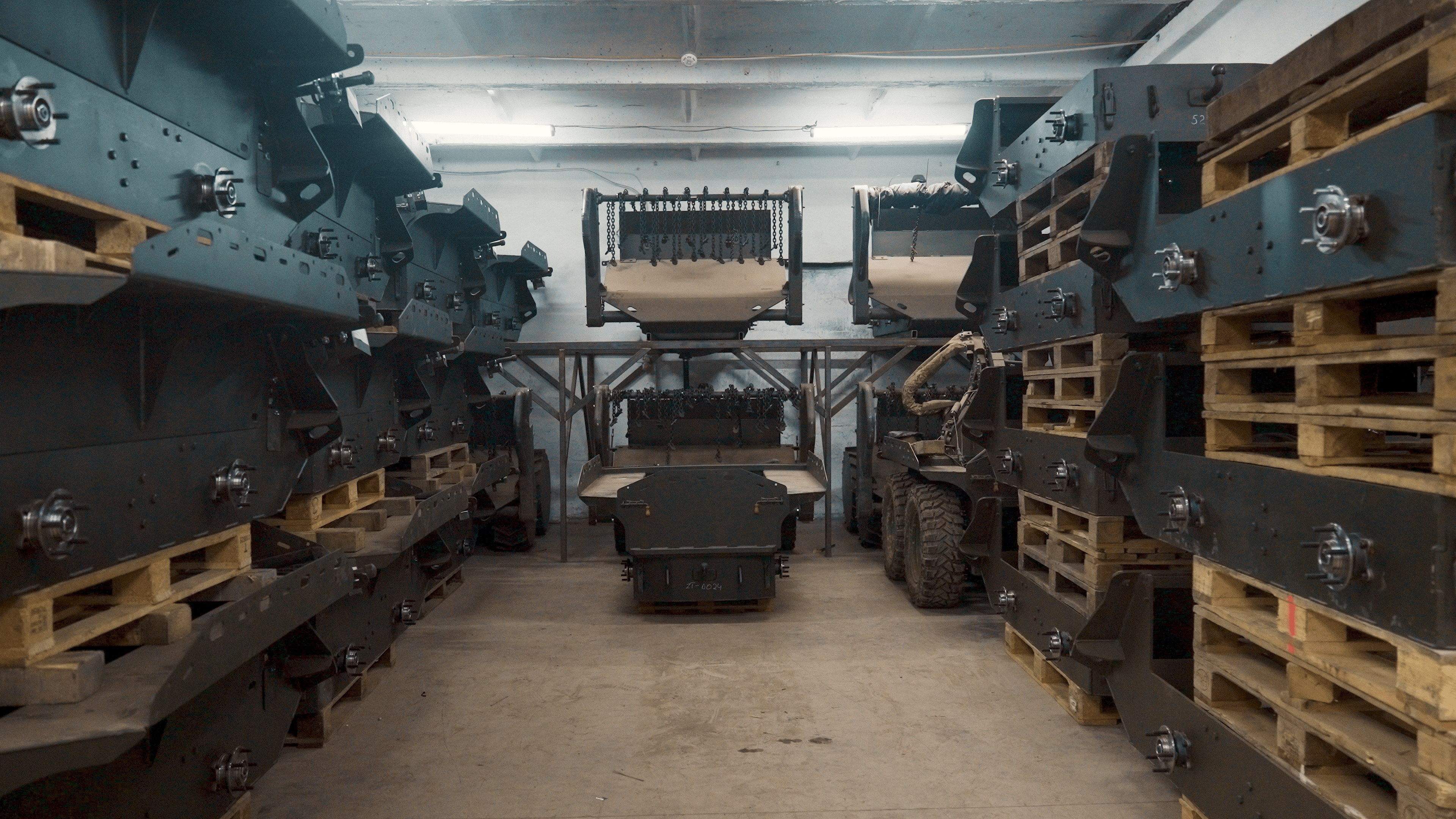
In early 2026, a remotely operated Droid TW-7.62 robotic combat platform used by Ukraine’s 3rd Assault Brigade reportedly forced three Russian soldiers to surrender during a frontline operation conducted without exposing Ukrainian troops to direct fire.
The incident highlighted how rapidly robotic warfare is evolving. What began as a tool for logistics and evacuation is increasingly being used for combat missions, reconnaissance, and even the capture of Russian soldiers.
Shahed killers
The USF has also become a pioneer in drone interception. As Russia launches hundreds of Shahed attack drones and reconnaissance UAVs at Ukraine, specialized interceptor drones are increasingly used to destroy them in the air without expending expensive air-defense missiles.
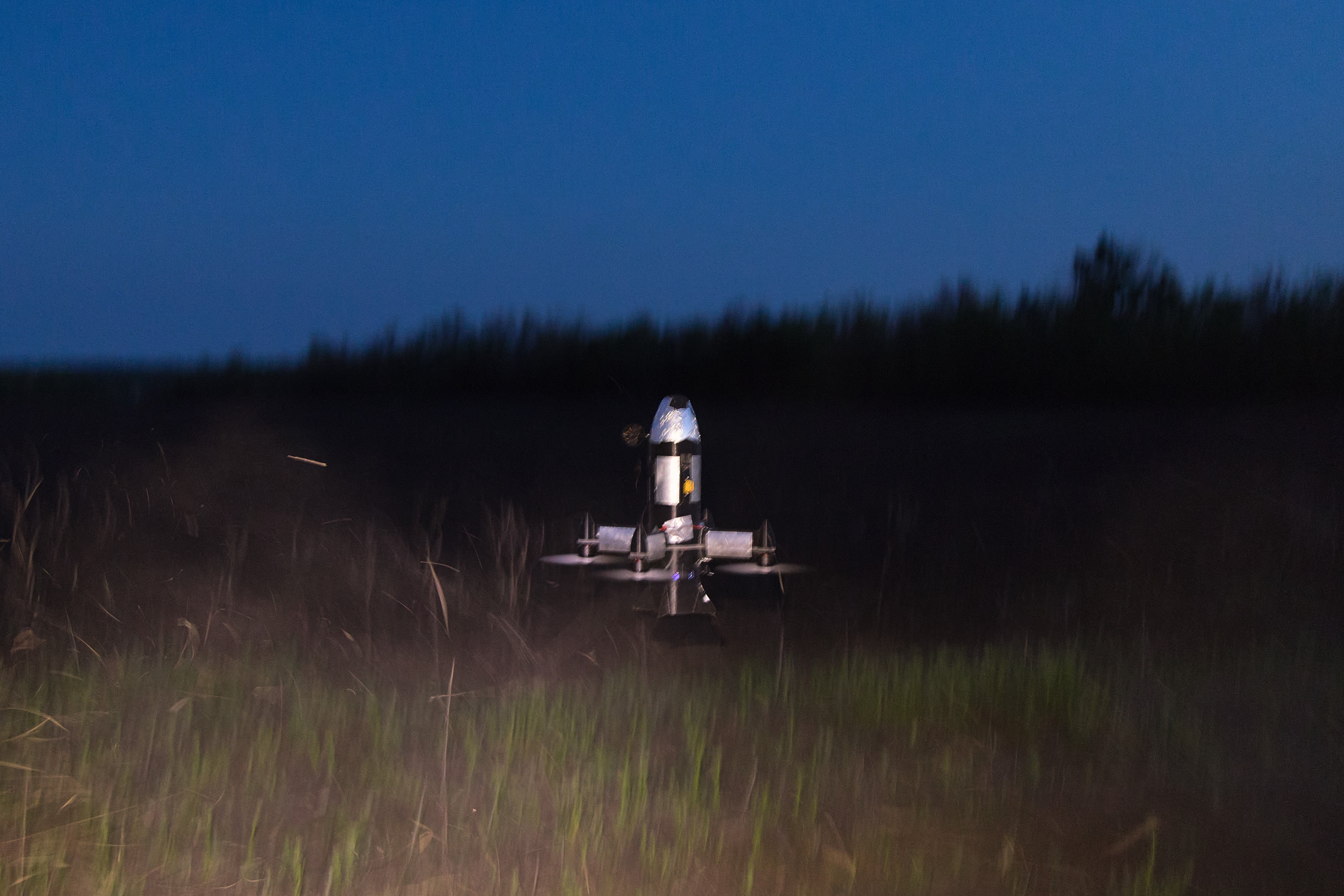
In April 2026, operators from the unmanned surface systems division of the 412th Nemesis Brigade carried out what the USF described as the world’s first interception of a Shahed drone using an interceptor UAV launched from an unmanned surface vessel.
Drone interception has become one of the force’s fastest-growing capabilities. During its first year, the USF reportedly intercepted more than 7,600 Shahed drones and Gerbera decoys.
Destroying Russia’s oil empire
Beginning in 2024, Ukrainian long-range drones launched a sustained campaign against Russian oil refineries, fuel depots, and energy infrastructure. The strikes repeatedly disrupted refining capacity, forced temporary shutdowns, and compelled Russia to invest heavily in additional air defenses and protective measures.
Among the targets were the Baltic export hubs of Primorsk and Ust-Luga, as well as major refineries in Yaroslavl, Ryazan, and Tuapse. Rather than striking facilities in isolation, Ukrainian forces targeted different links in Russia’s oil supply chain in succession, seeking to disrupt refining, storage, and export operations simultaneously.
-0ad4bc8b1ddfcc0f0f3af7c35316ee87.jpg)
By May 2026, Ukraine had already conducted over 30 strikes on Russian oil refineries, nearly matching the total recorded during all of 2024.
The strikes demonstrated how drones could generate strategic economic effects far from the battlefield, turning energy infrastructure into a new front in the war.
Turning the war back on Russia
Middle Strike operations
Middle Strike operations target the infrastructure that keeps Russian forces fighting. These missions focus on logistics hubs, ammunition depots, command posts, communications systems, and air-defense assets located behind the front line.
By 2026, Ukrainian operators were using fixed-wing strike drones to reach targets more than 200 kilometers away. Under the “Logistics Lockdown” campaign, drones struck supply routes, fuel depots, military equipment, and ammunition stockpiles across occupied territories, forcing Russian forces to move resources farther from the battlefield and complicating offensive operations.
Middle Strike drones have also played a key role in degrading Russian air defenses and communications networks. In March 2026, Ukrainian operators destroyed a rare Russian R-416G-MS communications relay station in the Luhansk region, disrupting command and communications in that sector of the front.
The campaign has targeted air-defense systems on a large scale, creating gaps that enable subsequent Deep Strike operations.
Deep Strike operations
Deep Strikes go even further. They target facilities hundreds or even thousands of kilometers from the fighting, including military-industrial enterprises, air bases, weapons factories, and strategic infrastructure inside Russia.
One of the most recognizable symbols of the campaign is the Liutyi long-range strike drone, which helped expand Ukraine’s ability to strike strategic targets hundreds of kilometers from the front.
“We have to strike asymmetrically so that the enemy does not just hit our soil unpunished,” said Casper, the commander of the 1st Battalion of the 14th Deep Strike Regiment of the Unmanned Systems Forces that heavily use Liutyi drones.
Deep Strike is not limited to explosive payloads. In March 2026, operators from the 413th “Raid” Regiment reportedly provided real-time targeting correction for a Storm Shadow strike on the Kremniy El microelectronics plant in Bryansk—the first known case of a strategic defense-industry target being adjusted in real time by a UAV.
Together, these campaigns have helped bring the war to military targets far beyond the front, forcing Russia to spend additional resources on defense while disrupting production, logistics, and command networks.
A new way of war
Marking the Day of the Unmanned Systems Forces, Commander-in-Chief Oleksandr Syrskyi said the terms Middle Strike and Deep Strike had become symbols of “inevitable punishment” for Russian forces.
The establishment of a separate military branch dedicated to unmanned systems was a “strategic, forward-looking, and unavoidable decision,” he said. “Modern warfare is, above all, a war of technology, intellect, innovation, and the speed of decision-making.”
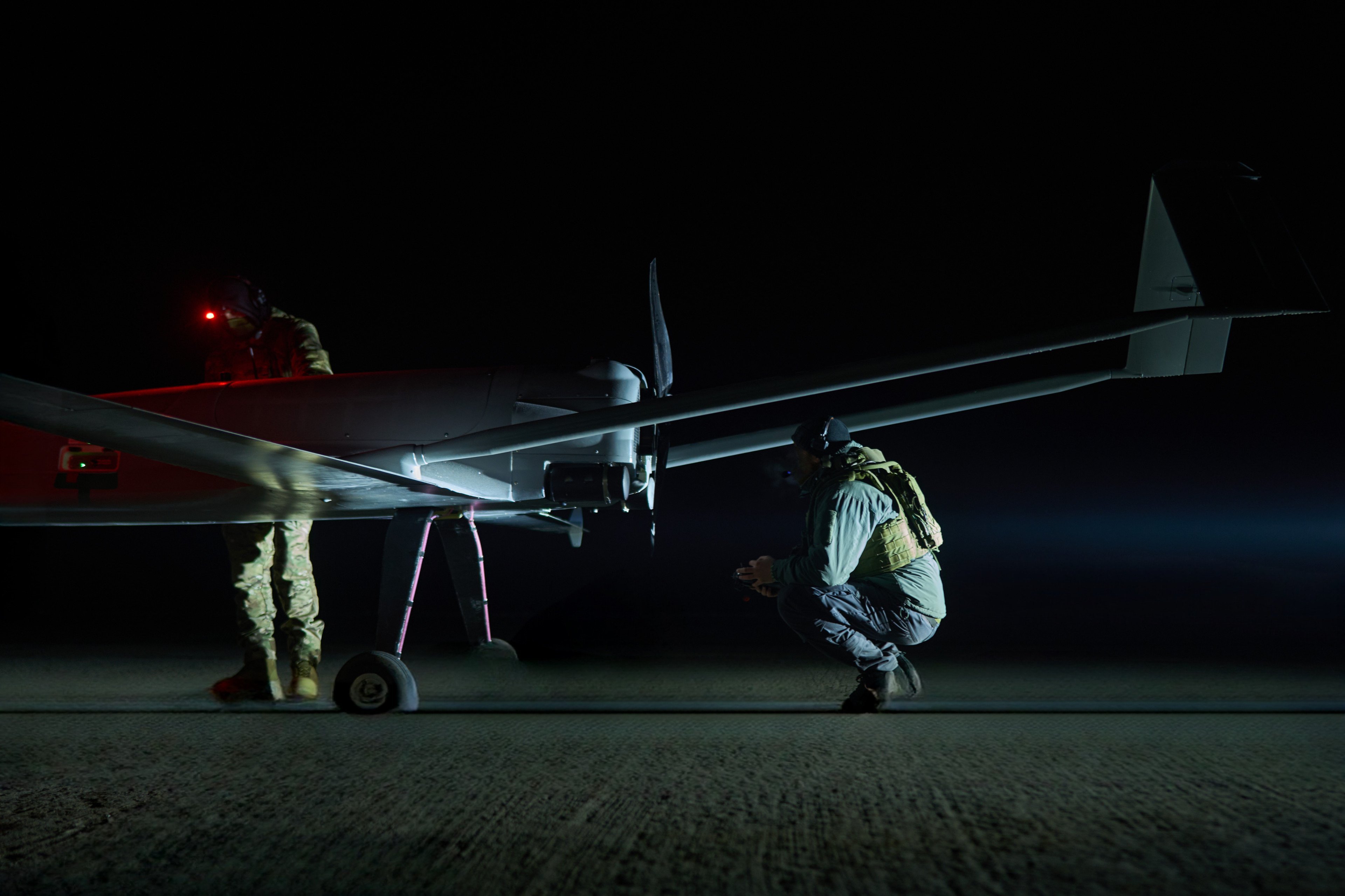
“Today, the Unmanned Systems Forces are not only about the sky,” he said. “They also operate on land and at sea. They represent a unique combination of combat experience, engineering expertise, analytics, and innovation. Operators, engineers, designers, programmers, and analysts—you all embody a new era of warfare.”
The USF continues to evolve, unlocking new capabilities and developing new ways to fight Russia, said Syrskyi.
“The future is being created right now. And to a great extent, it is being shaped by your hands,” Syrskyi concluded.
Discuss this article:
-4a56a6b482ec132402c16ef6fcabf9a2.png)

-72b63a4e0c8c475ad81fe3eed3f63729.jpeg "Photo of Cyril Barabaltchouk")



-111f0e5095e02c02446ffed57bfb0ab1.jpeg "Photo of Roman Kohanets")