- Category
- World
Kremlin Orders Media to Mask Fuel Crisis With Queue-Free Gas Station Images
 Prefer U24 Media on Google
- Authors

-111f0e5095e02c02446ffed57bfb0ab1.jpeg "Photo of Roman Kohanets")
Russia's Presidential Administration has instructed state-aligned and pro-government outlets to downplay the country's worsening fuel shortage and present the leadership as firmly in control, according to Meduza on June 25.
A source at one state-run outlet described the guidance to Meduza, and a second source at a separate pro-government outlet confirmed its contents.
We bring you stories from the ground. Your support keeps our team in the field.
The instructions amount to a tacit acknowledgment that the shortage is serious enough to demand centralized narrative management. Kremlin now treats a domestic supply crisis as an information problem to be contained rather than an economic one to be solved.
For ordinary Russians facing rationing and rising prices at the pump, the directive means the official picture they receive is being deliberately shaped to look calmer than conditions on the ground.
Outlets were told that their coverage should stress one message above all: that the country's leadership is aware of the problem and is actively working to stabilize the market.
-91f8cc789a82e975fd200d679189c07c.jpg)
The guidance singled out specific developments for emphasis. Coverage was directed to highlight that Deputy Prime Minister Alexander Novak convened a meeting on June 23, at which officials developed an action plan intended to ensure stability in the domestic fuel market, and that the Federal Antimonopoly Service had been tasked with continuously monitoring prices and taking appropriate measures.
"The state is addressing the challenges that have arisen—work is proceeding on a daily basis," the guidance document stated, supplying outlets with a ready phrase to convey steady, routine management of the crisis.
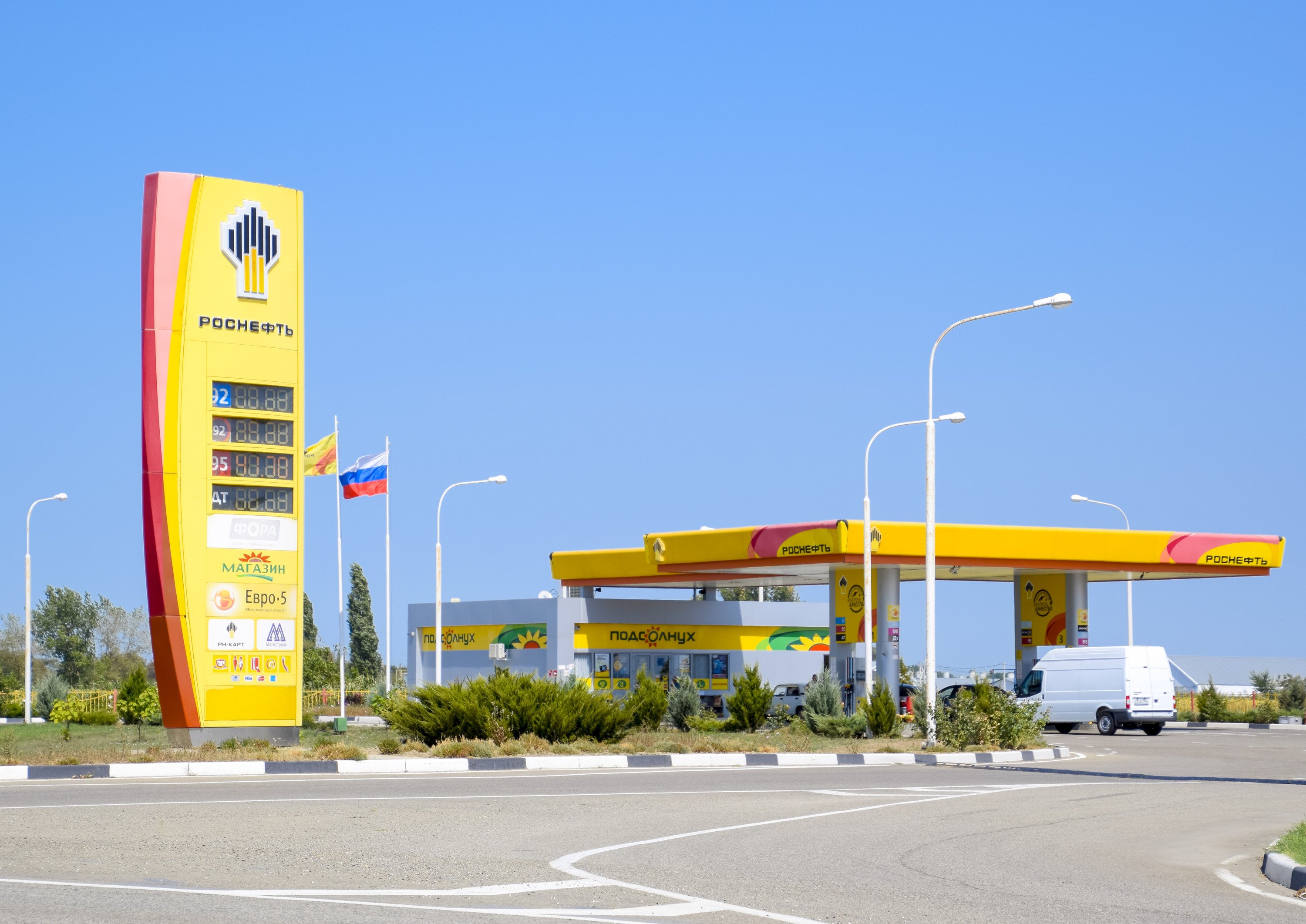
Editors were also advised to publish photographs and videos of functioning gas stations operating without lines.
The emphasis on the absence of queues, by implication, pointed to the very scarcity the coverage was meant to obscure, with the imagery intended to project normalcy against visible signs of disruption.
The Presidential Administration has long shaped output across Russia's state and loyalist media, issuing periodic guidance on politically sensitive subjects and steering the framing of those subjects.
Novak, as deputy prime minister, oversees the country's energy sector and has become the public face of the government's response to fuel-market strain, while the Federal Antimonopoly Service is the regulator formally responsible for policing prices and competition—both institutions positioned in the guidance as evidence of a coordinated official answer to the shortage.
The shortage the Kremlin now seeks to soften in print has its roots in a sustained Ukrainian campaign against Russia's oil-processing infrastructure.
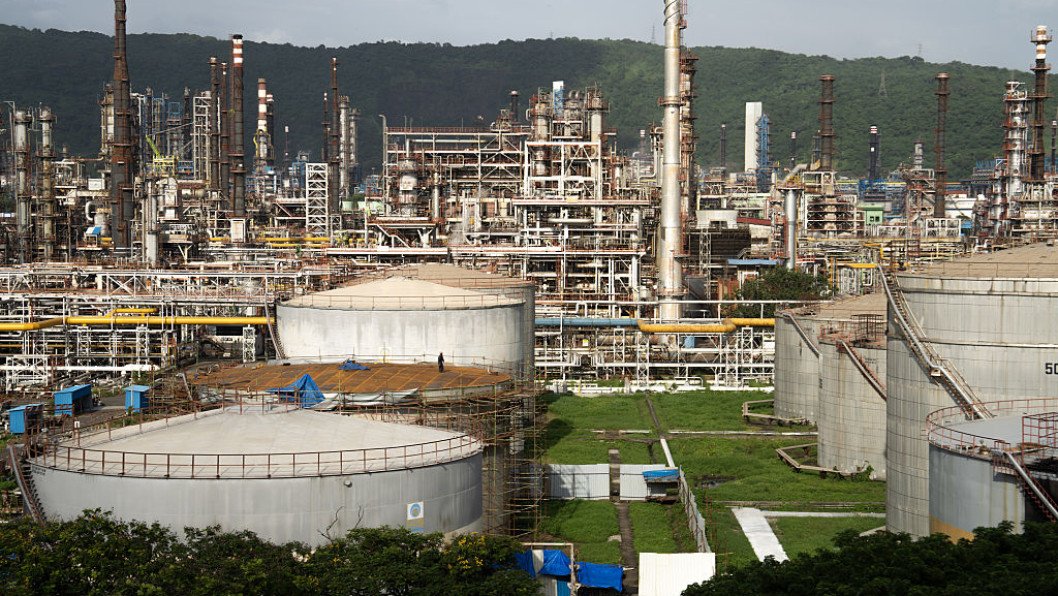
In mid-June, Ukrainian drones struck the Moscow Oil Refinery in the capital's Kapotnya district. A plant that supplies roughly 40% of the Moscow region's petroleum products—setting its primary crude-processing unit ablaze at a range of about 500 kilometers from Ukrainian-controlled territory.
Those strikes have steadily widened the gap between supply and demand. Days before the Moscow hit, drones and missiles ignited multiple fires at the 7-million-ton Kuibyshev refinery in the Samara region.
Rosneft plants were struck repeatedly over the course of the war. In the period that followed, gasoline sales restrictions spread to at least 20 Russian regions and Russian-occupied parts of Ukraine, with fuel disruptions affecting no fewer than 15 federal subjects, including Moscow and St. Petersburg.
Discuss this article:
-4a56a6b482ec132402c16ef6fcabf9a2.png)




-7412c634555bc1f248d0867183951c7f.jpg "Ukrainian Air Force F-16 fighter jet.")