- Category
- World
Banned Gasoline Returns to Russian Gas Stations to Prevent Total Fuel Crisis
 Prefer U24 Media on Google
- Authors

-c439b7bd9030ecf9d5a4287dc361ba31.jpg "Photo of Katherina Popilnichenko")
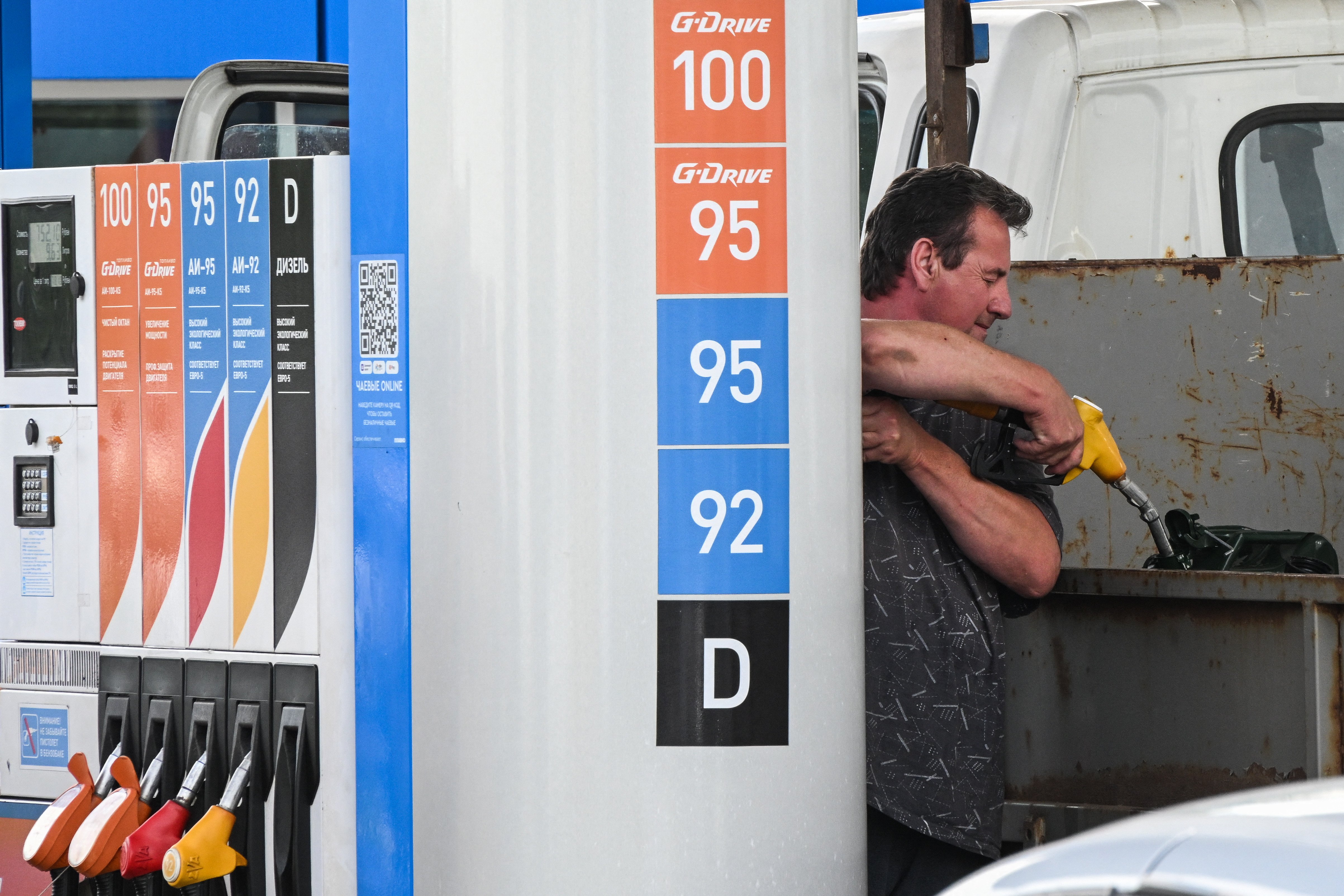
The Russian government has permitted the production, import, and sale of motor gasoline meeting environmental classes K2, K3, and K4—corresponding to Euro-2, Euro-3, and Euro-4 standards—until July 1, 2027.
Ongoing attacks reduced Russian gasoline production to 65% of average domestic consumption by early July 2026, while diesel output dropped to levels barely matching demand, as reported by The Moscow Times on August 5.
We bring you stories from the ground. Your support keeps our team in the field.
Sales of Euro-2 gasoline had been banned in Russia since 2013. Under the updated regulations, fuel may contain up to 3% methanol, while sulfur limits for Euro-2 allow up to 500 mg per kilogram, compared to the 10 mg per kilogram limit set under current Euro-5 standards.
Energy officials explained that the measure aims to prevent domestic fuel shortages caused by supply chain changes, technological constraints, and the need to maintain market stability.
As part of this update, the government canceled a previous decree that allowed the sale of K5 gasoline with elevated sulfur levels through the end of 2026.
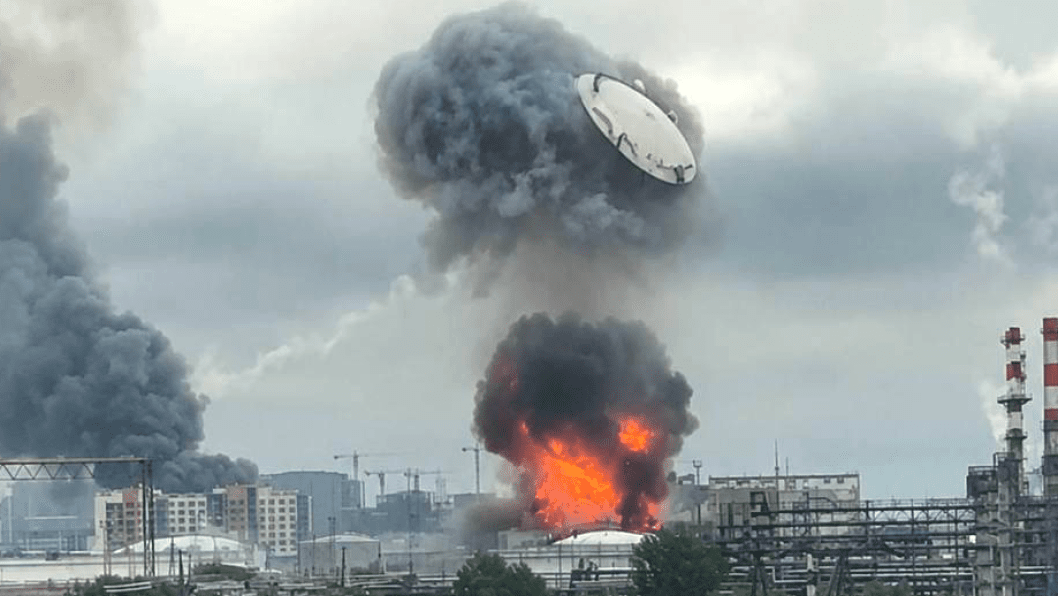
Earlier in July, authorities allowed select Russian oil refineries to manufacture and sell Euro-3 fuel until the end of the year.
Russian Deputy Prime Minister Alexander Novak stated that the step was necessary to supply the domestic market and make up for deficits resulting from drone strikes on oil refineries.
Dmitry Prokofyev, Communications Director at NEFT Research, noted that producing lower environmental class fuel allows refineries to process naphtha without deep processing and utilize capacity that cannot produce higher-grade gasoline. He also warned that using Euro-2 fuel may not be safe for many modern vehicles.
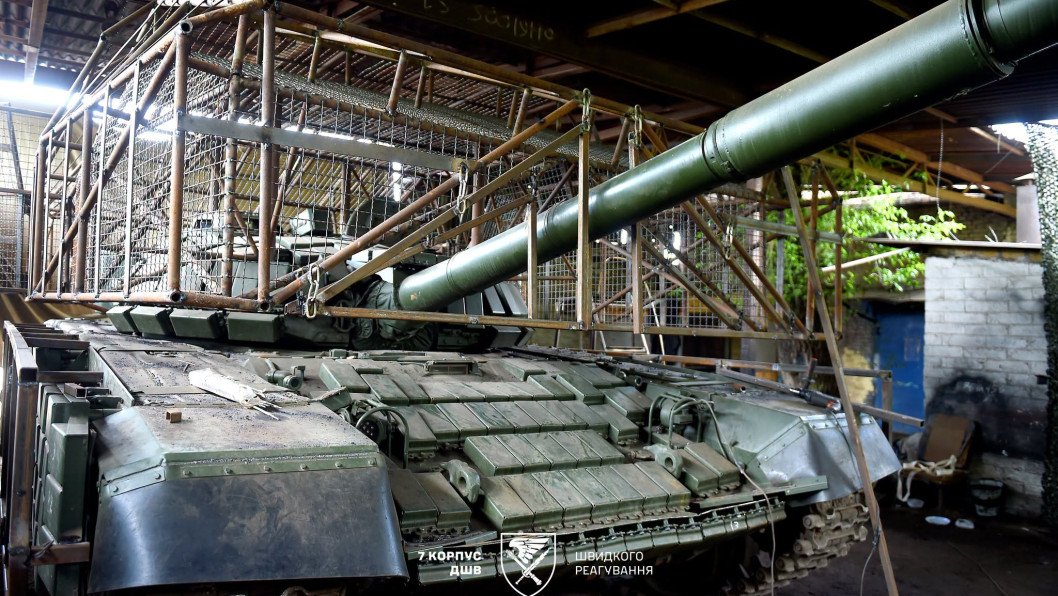
Supplies of gasoline and diesel from Belarus to Russia reached a record high in July 2026 due to severe domestic fuel shortages caused by Ukrainian drone strikes on Russian refineries.
Over the first seven months of 2026, gasoline imports from Belarus surged 25-fold compared to the same period in 2025 to nearly 665,000 tons, while diesel imports grew nearly sevenfold to 418,000 tons.
To manage the ongoing deficit, which saw Russian gasoline production drop to roughly 65% of seasonal averages, the Russian government banned diesel exports and turned to additional fuel imports from India, Kazakhstan, and Morocco.
Discuss this article:




-72b63a4e0c8c475ad81fe3eed3f63729.jpeg "Photo of Cyril Barabaltchouk")