- Category
- World
EU Targets Russian Disinformation Network and Pro-Kremlin Hackers With New Sanctions
 Prefer U24 Media on Google
- Authors


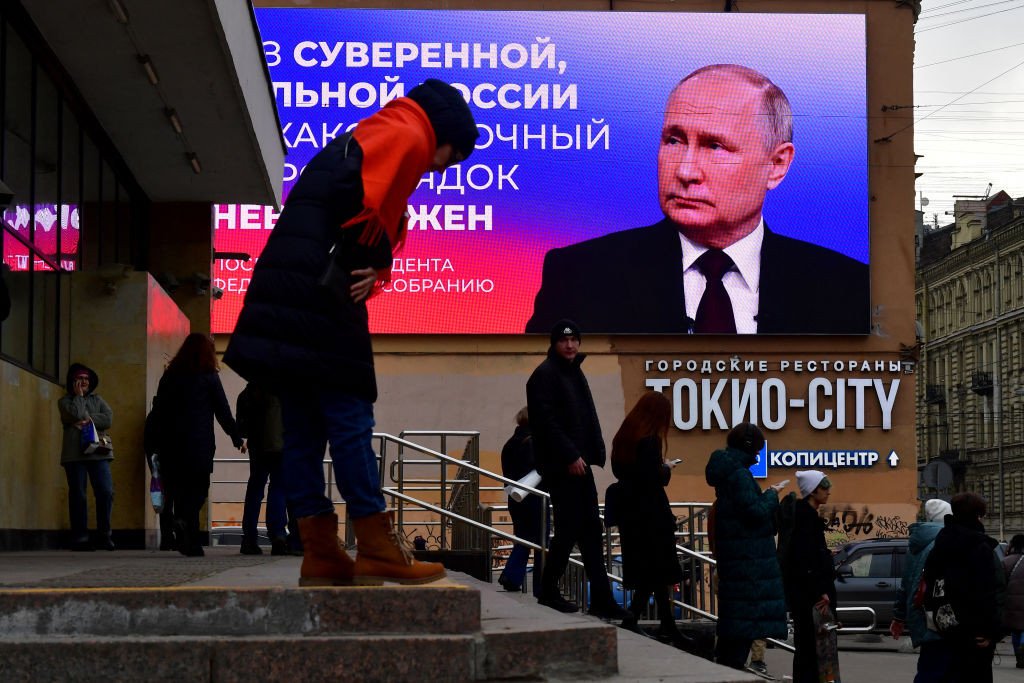
The European Union imposed sanctions on 30 individuals and two entities over Russian foreign information manipulation, interference, and malicious cyber activities targeting EU states, institutions, and partners, the European Council announced on November 16.
Among the newly sanctioned entities is the Moscow-based Social Design Agency, or SDA, which the Council described as a public relations and political technology company carrying out large-scale influence operations funded, directed, and supervised by the Russian Presidential Administration.
We bring you stories from the ground. Your support keeps our team in the field.
According to the Council, SDA has manipulated traditional and social media, spread pro-Russian propaganda and disinformation, and conducted foreign information manipulation and interference campaigns targeting EU countries, institutions, and public support for Ukraine.
The agency was also linked to operations surrounding the 2024 European Parliament elections and campaigns directed specifically at Germany and France. The EU additionally sanctioned 24 individuals working for SDA who contributed to the so-called European counter-campaign and Ukrainian counter-campaign.
The listings also include Russian television figures Vitaly Eliseev and Petr Marchenko, Ukrainian-born blogger and military commentator Yurii Podoliaka, and RT International contributor Chay Bowes.
The Council stated that they had participated in information manipulation and the spread of narratives used to legitimize and sustain Russia’s war against Ukraine. The sanctions package also targets NoName057(16), a pro-Russian hacker group active since March 2022.
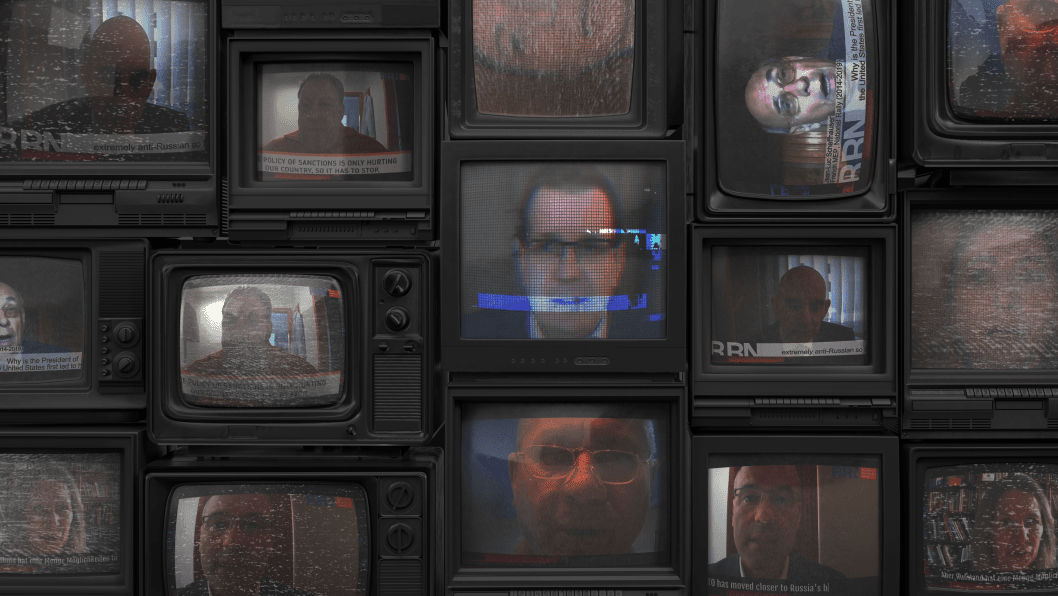
According to the Council, the group has claimed responsibility for cyberattacks against government institutions, critical infrastructure, and private companies in Ukraine, the US, and EU member states.
Within the EU, NoName057(16) has used distributed denial-of-service attacks against websites and portals across multiple sectors, including energy, finance, transport, water supply, and electoral infrastructure.
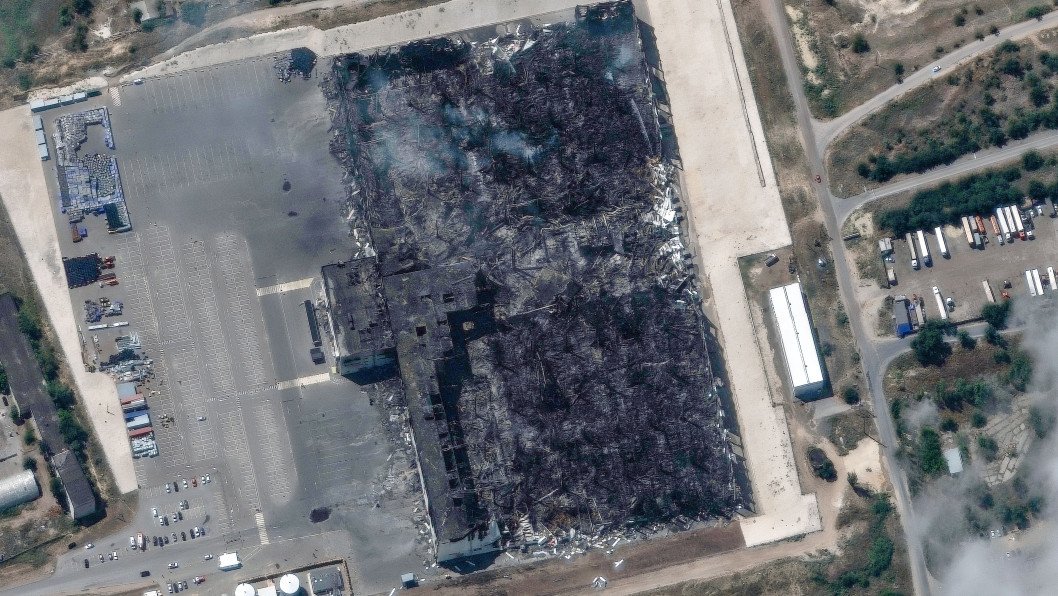
Reuters reported that the EU had also added Tatyana Kim, chief executive of Russia’s largest online retailer Wildberries, to its sanctions list. The EU stated that Wildberries is one of Russia’s largest taxpayers and operates as a supply network for the Russian military by facilitating sales of military and dual-use goods.
Those sanctioned are subject to asset freezes and travel bans, while EU citizens and companies are prohibited from making funds available to them directly or indirectly.
The latest measures bring the number of individuals and entities sanctioned under the EU framework targeting Russian destabilizing activities to 111 individuals and 21 entities.
Under the EU’s separate cyber sanctions regime, the new listings bring the total to 27 individuals and 12 entities.
Recent Russian influence operations have also targeted domestic tensions inside EU countries. In November, an EU assessment found that the Russia-linked “Operation Overload” campaign exploited unrest in France with manipulated videos and false narratives designed to amplify divisions and weaken public support for Ukraine.
Discuss this article: