- Category
- World
Russia’s Biggest Bank Warns of Rising Bad Loans as Ukrainian Drone Strikes Strain Businesses
 Prefer U24 Media on Google
- Authors


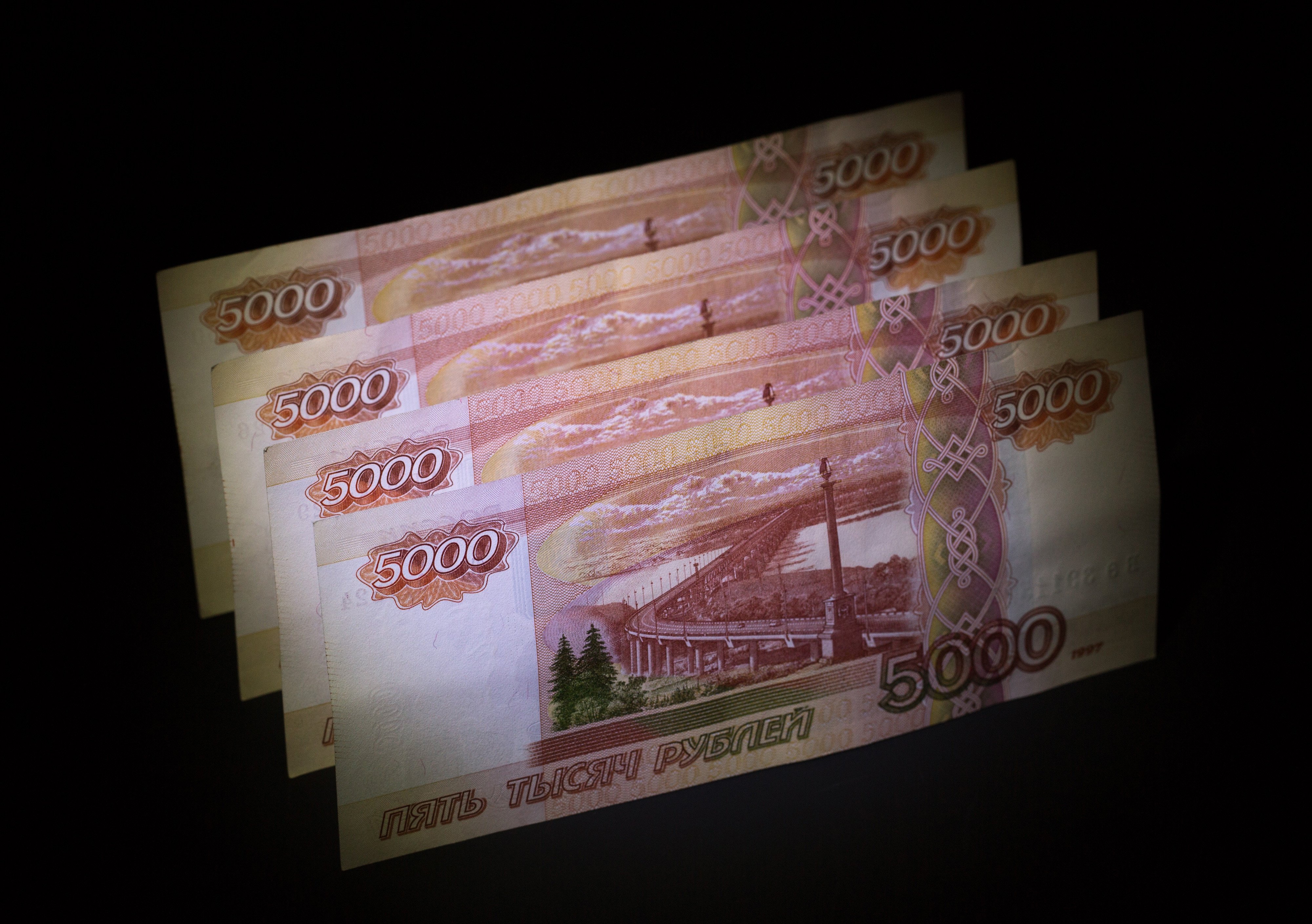
Russia’s largest lender, Sberbank, expects a rise in bad loans through 2027 as Ukrainian drone strikes and mounting economic difficulties strain Russian businesses, Reuters reported on November 16.
Sberbank First Deputy CEO Alexander Vedyakhin identified disruptions at oil refineries, ports, and warehouses resulting from Ukrainian attacks as significant factors affecting the Russian economy.
We bring you stories from the ground. Your support keeps our team in the field.
“The number of non-performing loans will definitely increase, primarily among small and medium-sized businesses, but also in large businesses,” Vedyakhin stated.
Non-performing loans are debts borrowers have failed to repay as agreed. Rising defaults can reduce bank profitability, restrict lending, and indicate broader economic distress.
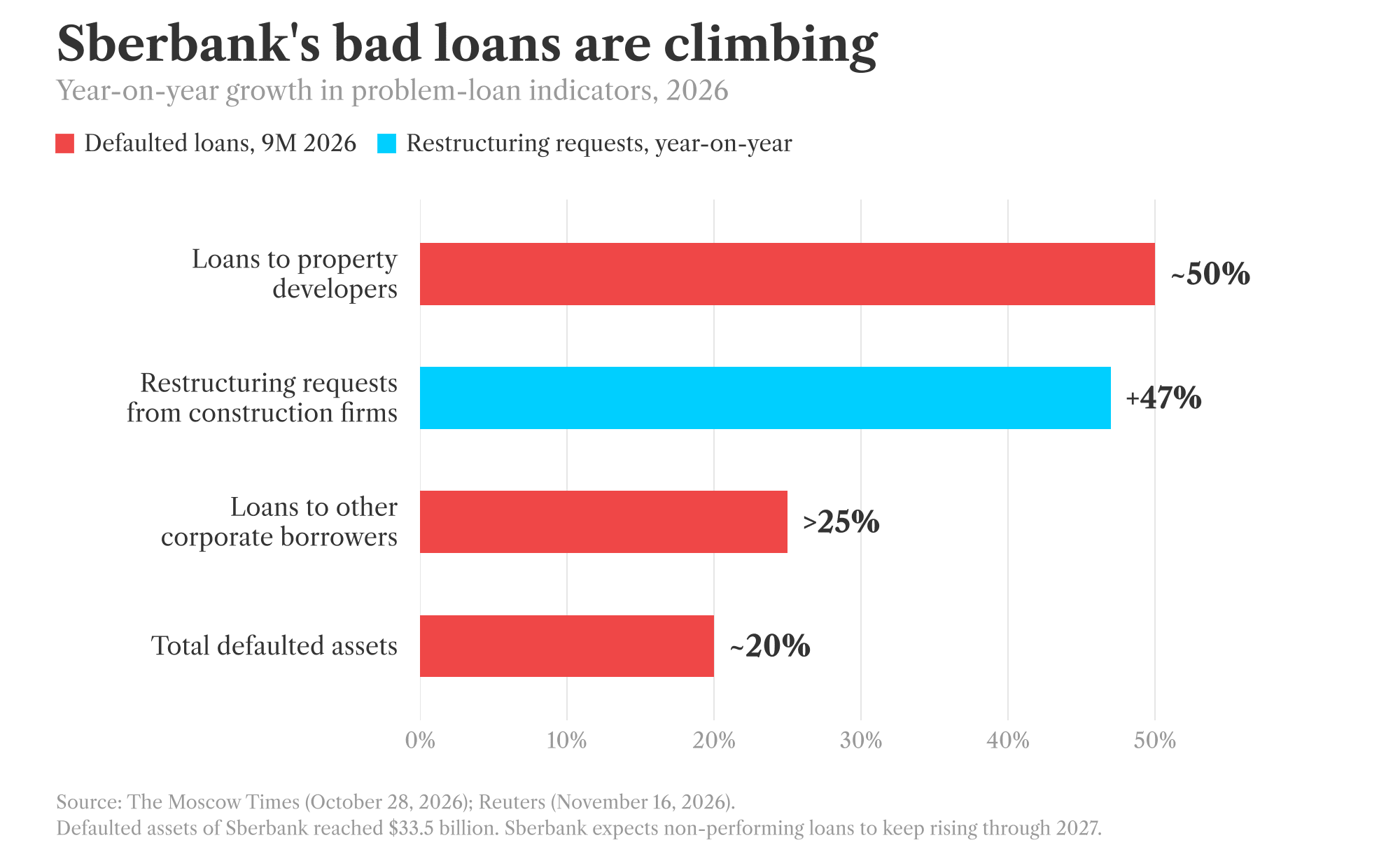
He identified coal mining, construction, construction materials, and export-oriented metals production as particularly vulnerable sectors. Requests for loan restructuring from construction companies have risen by 47% year-on-year.
Despite the deterioration, Vedyakhin ruled out a systemic banking crisis, citing conservative central bank regulations.
Sberbank projects Russian economic growth of 0.6% in 2026 and 1.4% in 2027, with the benchmark interest rate falling to 12% by the end of next year.
Sberbank’s defaulted assets had already increased by nearly 20% during the first nine months of 2026, reaching $33.5 billion, the Moscow Times reported on October 28.
Defaulted loans to property developers increased by nearly 50%, while defaults on loans to other corporate borrowers rose by more than 25%.

The strain on Russia's construction sector has already turned into a wave of corporate failures. Bankruptcy cases among Russian construction companies climbed from 1,089 in June to 1,454 by early September, a 41% year-over-year increase driven by collapsing housing demand and prohibitive borrowing costs.
Developers have also accumulated roughly $1 billion in fines for delayed housing projects, and industry analysts estimate the key interest rate would need to fall to 10–11% for development activity to recover. Meanwhile, Moscow has been delaying civilian expenditures to prioritize military funding, with the federal deficit reaching $72.5 billion between January and August.
Discuss this article: