- Category
- World
Historic Worker Shortage Grips Russia as War Pulls Millions From Economy
 Prefer U24 Media on Google
- Authors


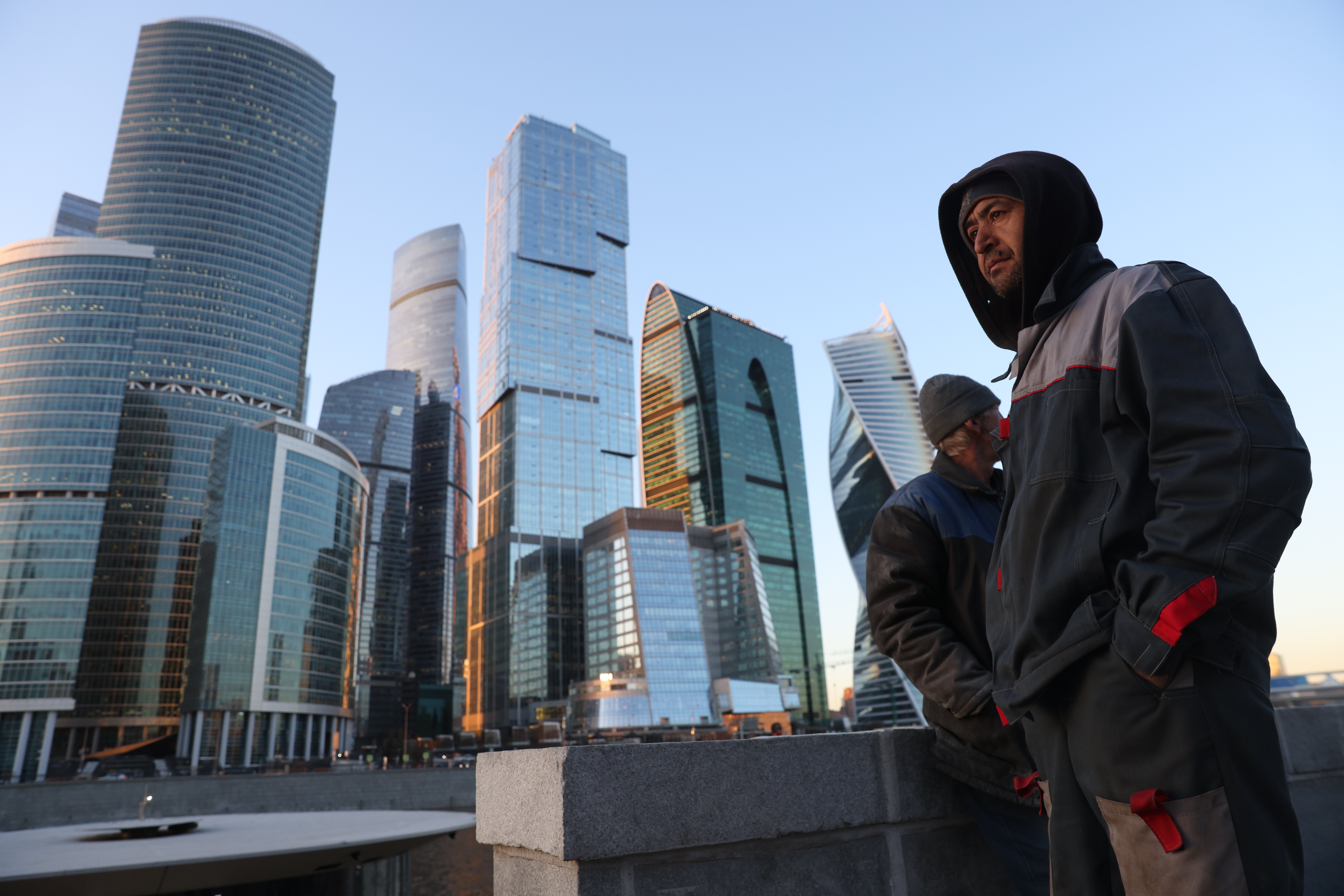
Russia is experiencing an unprecedented shortage of workers, with the labor crunch reaching levels unseen in the country’s modern history, Central Bank chief Elvira Nabiullina said, according to Russian media Interfax on April 28.
We bring you stories from the ground. Your support keeps our team in the field.
Speaking at the Alfa Summit, Nabiullina described the current labor market as a defining challenge for the economy.
“The peculiarity of the current situation is the labor market. We have truly never lived in such a shortage of workforce in the modern history of Russia. We have never had anything like this before, and it affects the entire economic situation,” she said.
The shortage reflects a combination of wartime losses, mass emigration, and long-term demographic trends that have significantly reduced the available labor pool.
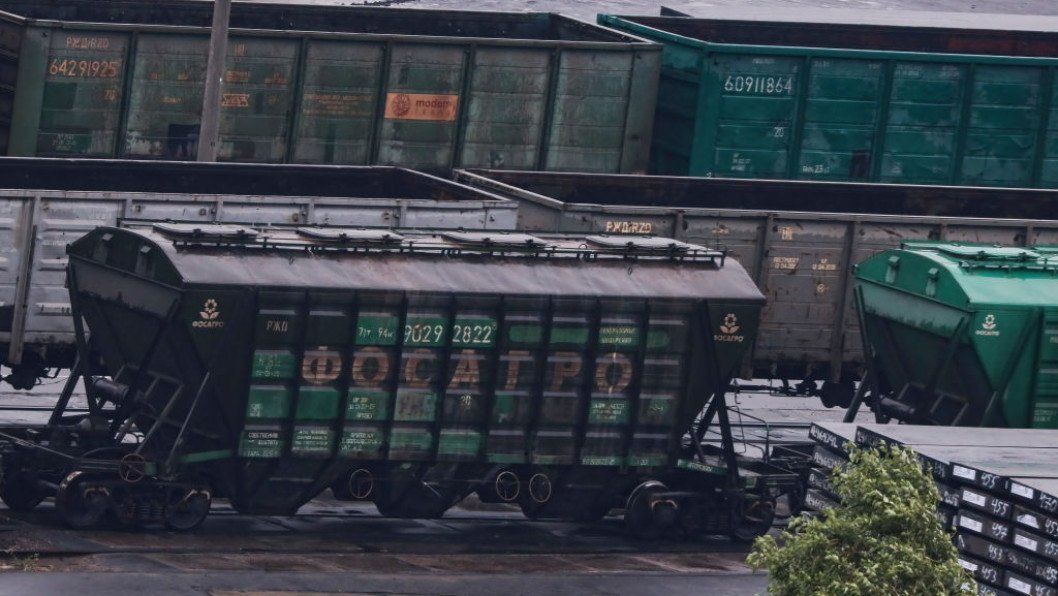
According to estimates by consulting firm FinExpertiza, cited by The Moscow Times, Russia’s so-called labor reserve—people who are not employed and could potentially work—has dropped to 4.4 million.
That figure is down 40% from 2021, a decline of 2.6 million workers, as hundreds of thousands left the country in the early years of the war and roughly 1.5 million were recruited into the military.
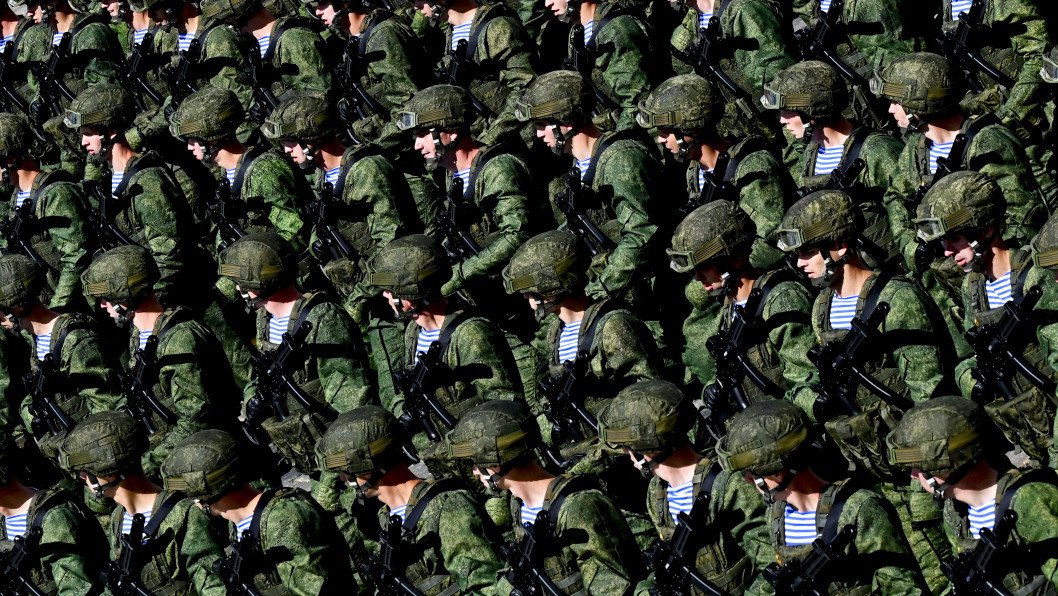
Russian Defense Ministry figures show that, in addition to the 300,000 troops mobilized in the fall of 2022, another 500,000 Russians signed contracts with the Defense Ministry in 2023, followed by 450,000 in 2024 and 422,700 in 2025.
-f9dfe5a91bdeceaca1da449afa83ddd6.png)
War casualties have further deepened the strain. According to estimates by the Washington-based Center for Strategic and International Studies (CSIS), around 325,000 Russian troops have been killed. Total losses, including the wounded, are believed to have reached nearly 1.2 million—among the highest recorded for any army since World War II.
As a result, the labor reserve has fallen to just 6% of the total workforce, compared to about 10% before the full-scale invasion, The Moscow Times wrote.
“Available labor resources are becoming increasingly scarce,” said FinExpertiza President Elena Trubnikova.
The shortage is particularly acute in key sectors. Industry alone is short roughly 2 million workers, according to business group estimates.
According to the Moscow mayor, the gap is believed to range between 400,000 and 500,000 workers in the city, while the Interior Ministry is reportedly missing around 170,000 personnel. The agricultural sector faces a deficit of more than 130,000 workers.
Analysts say demographic factors are compounding the problem. Smaller generations born in the 1990s and early 2000s are now entering the workforce, while the share of older workers continues to grow.
At the same time, rising demand from defense industries has absorbed much of the remaining labor capacity, as military production ramps up in response to the war.
Earlier, reports emerged that Russia’s contract soldier recruitment has dropped by roughly 20% compared to 2025.
After a relatively stable period in 2024, recruitment began to slow, with the downward trend continuing into 2025 and early 2026. At certain points, the decline reached around 20% compared to previous months.
Discuss this article:
-9bd5e1532102621f8fb1c4ba871a3171.png)


-c439b7bd9030ecf9d5a4287dc361ba31.jpg "Photo of Katherina Popilnichenko")