- Category
- World
Hungary Reinstates Import Ban on Ukrainian Agricultural Products
 Prefer U24 Media on Google
- Authors

-c439b7bd9030ecf9d5a4287dc361ba31.jpg "Photo of Katherina Popilnichenko")
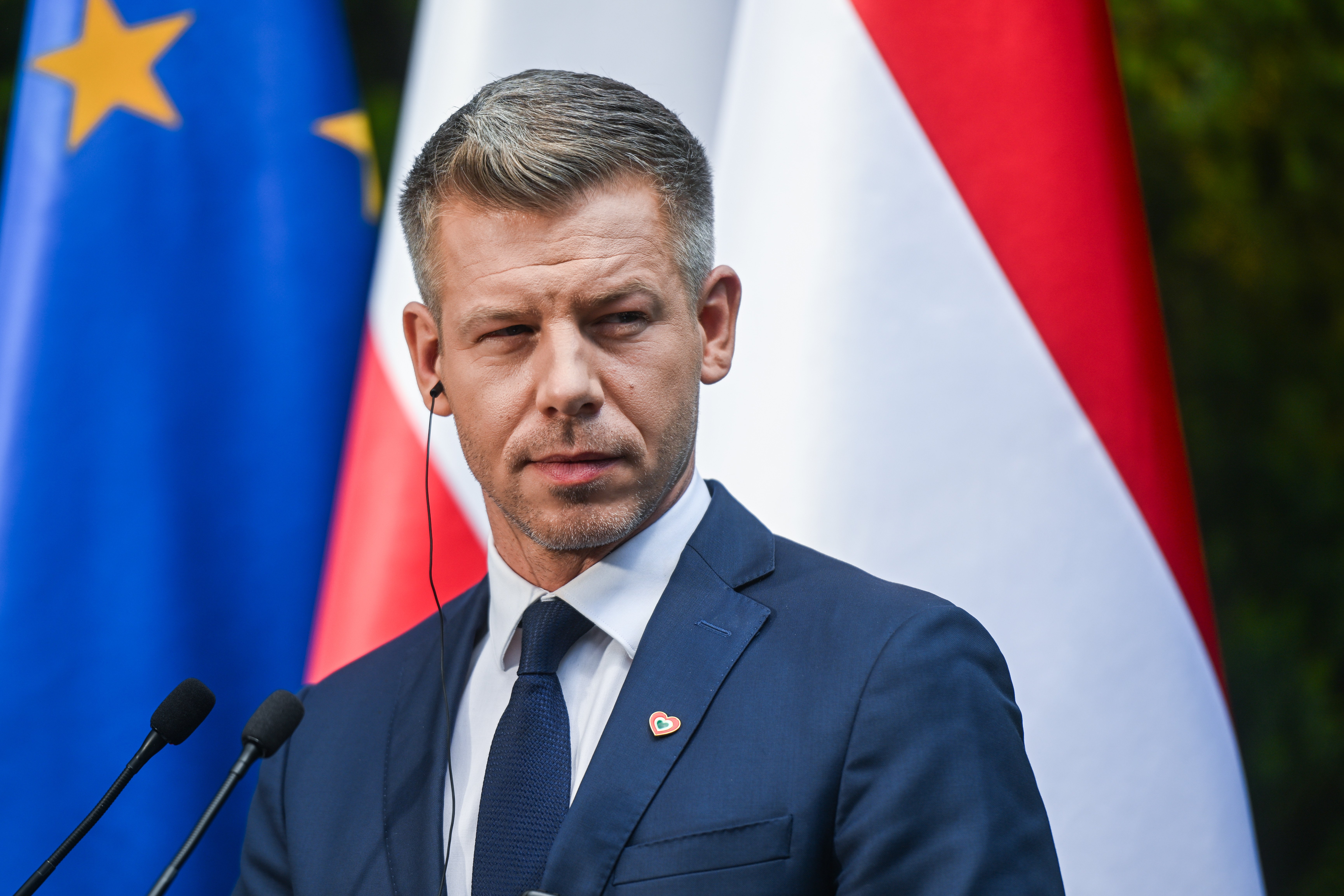
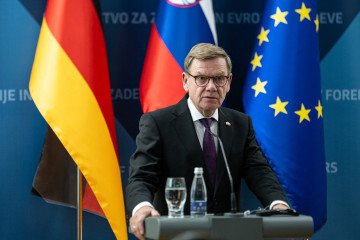
The government of Hungarian Prime Minister Péter Magyar announced a comprehensive ban on the import of most agricultural products from Ukraine, effective on May 22.
This decision targets a wide range of goods and introduces strict enforcement measures, including potential fines of up to 100% of the product's value excluding VAT for violations, according to European Pravda.
We bring you stories from the ground. Your support keeps our team in the field.
The decision reverses a brief lapse in restrictions that occurred when Hungary's state of emergency expired on May 14, which accidentally nullified previous emergency import restrictions.
"The government is withdrawing Hungary's intention to withdraw from the International Criminal Court and is banning the import of agricultural products from Ukraine," Magyar wrote.
Following the announcement, the government decree outlining measures for transporting specific agricultural products from Ukraine was published in the official Hungarian Gazette on Friday afternoon. According to the document, the import ban covers beef, pork, sheep and goat meat, poultry, eggs, honey, vegetables, wheat, rye, barley, corn, buckwheat, flour, sunflower seeds, cooking oil, and wine originating from Ukraine.
The restrictions specifically exclude cargo that is merely transiting through Hungary to other destinations. However, these transit shipments will be subject to strict regulatory conditions to ensure they do not enter the domestic market. If carriers violate these rules, authorities can impose a fine equal to 100% of the total value of the goods before taxes.
The legislative gap that led to this sudden announcement occurred after Hungary's state of emergency ended on May 14. Emergency decrees lost their legal force, prompting the Tisza party government to transfer necessary regulations into standard legislation. While several provisions were successfully transitioned, the ban on Ukrainian agricultural imports was omitted, requiring this immediate correction by the cabinet.
Hungarian Minister of Agriculture and Food Economy Szabolcs Bóna addressed the situation on Thursday, emphasizing the government's priority to protect the local economy. Bóna stated that they will not allow Ukrainian or any other imported goods to endanger the livelihoods of Hungarian farmers and the provision of healthy food for the Hungarian population.
According to the minister, protecting Hungarian products, Hungarian agricultural land, and Hungarian farmers is a matter of national interest.
Bóna added that the Ministry of Agriculture would immediately analyze the current situation and take the necessary legal measures to ensure that the protection of the Hungarian market becomes clear and enforceable once again.
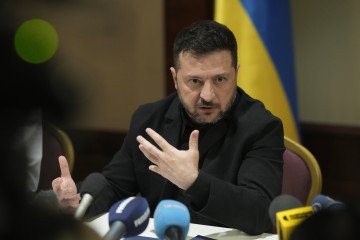
This trade restriction comes just ahead of scheduled diplomatic talks. The foreign ministers of Ukraine and Hungary are set to hold negotiations during the final week of May, where they have already agreed on the parameters that will determine a future meeting between Ukrainian President Volodymyr Zelenskyy and Hungarian Prime Minister Péter Magyar.
Additionally, Ukrainian Foreign Minister Andrii Sybiha held his first in-person meeting with Hungarian diplomat Anita Orbán on Friday, later publishing a photograph from the encounter.
Previously, Péter Magyar’s administration has formally engaged with Ukrainian officials to negotiate the required linguistic, educational, and cultural frameworks necessary to lift the veto. This veto specifically blocks the official opening of Cluster 1 of Ukraine’s European Union accession negotiations, which covers fundamental areas like the rule of law and human rights, effectively halting Ukraine's EU progress until an 11-point plan concerning the rights of the Hungarian minority is fulfilled.
Magyar recently stated that European Council President Antonio Costa also affirmed that progress on the minority issue must precede further steps in Ukraine’s EU integration. Ukrainian officials have confirmed their readiness to address the 11-point plan to fulfill the requirements for advancing accession negotiations.
Discuss this article:
-9bd5e1532102621f8fb1c4ba871a3171.png)