- Category
- War in Ukraine
Ukraine Recaptures 400 Sq Km of Territory After Russian Starlink Terminals Suddenly Go Dark
 Prefer U24 Media on Google
- Authors


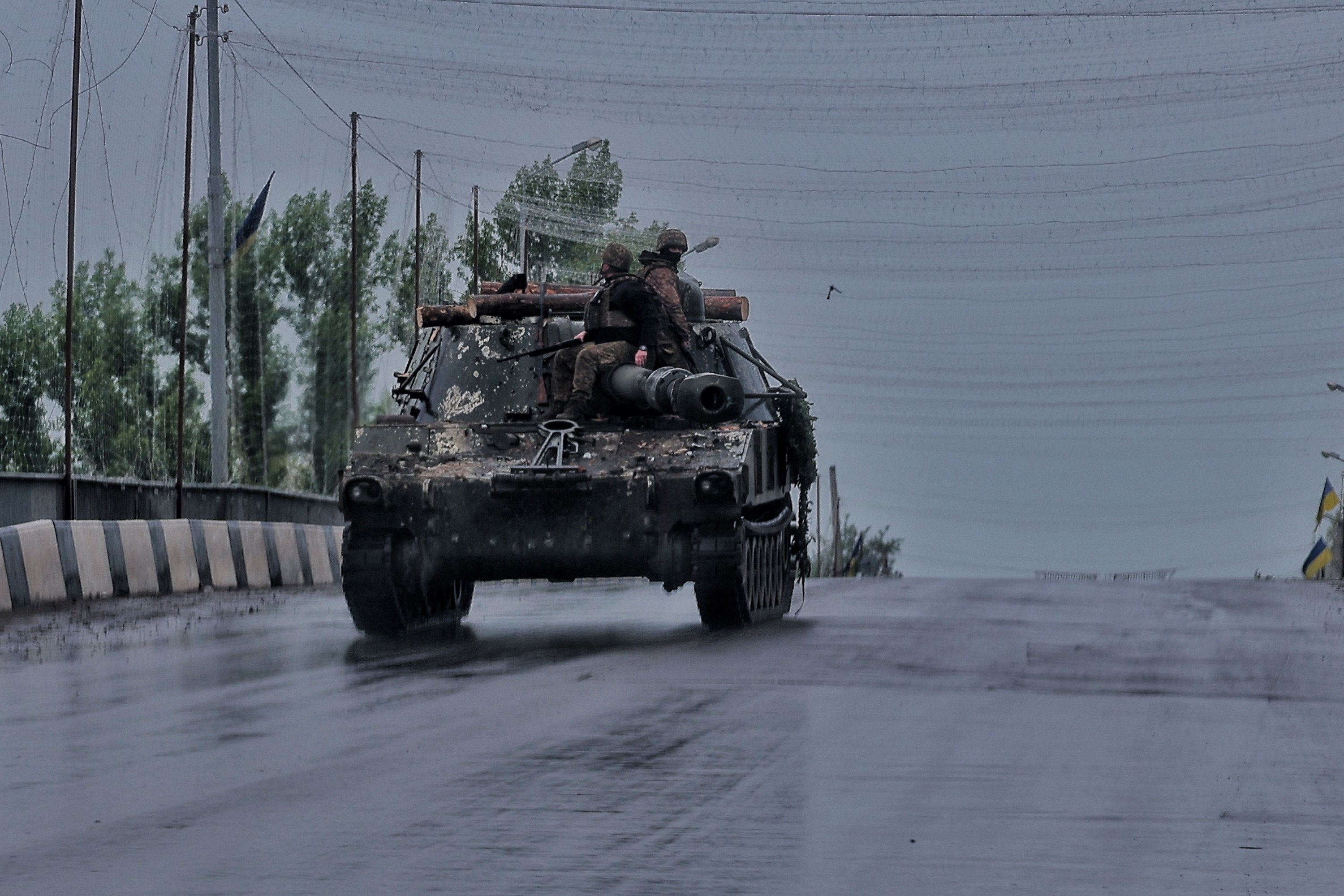
A Ukrainian military offensive earlier this year succeeded in recapturing approximately 400 square kilometers of territory after thousands of Starlink internet terminals used by Russian forces were reportedly disabled.
This was reported by Bloomberg on May 21, citing the latest assessment by the US Defense Intelligence Agency (DIA).
We bring you stories from the ground. Your support keeps our team in the field.
The report, prepared for the US Congress and cited alongside findings from United States European Command, stated that Russian military operations in Ukraine were “temporarily yet significantly degraded” following efforts by Ukrainian officials in February to deactivate Starlink terminals allegedly being used illegally by Russian troops.
“Russian military capabilities in Ukraine were temporarily yet significantly degraded following Ukrainian officials’ efforts in February to deactivate thousands of Starlink terminals that were illicitly used by Russian forces to coordinate movements and unmanned aircraft strikes in areas where communications were unreliable or easily jammed,” US European Command and DIA’s statement read.
The intelligence review suggested the temporary loss of satellite communications played a significant role in weakening Russian operational capabilities during the fighting, according to Bloomberg.
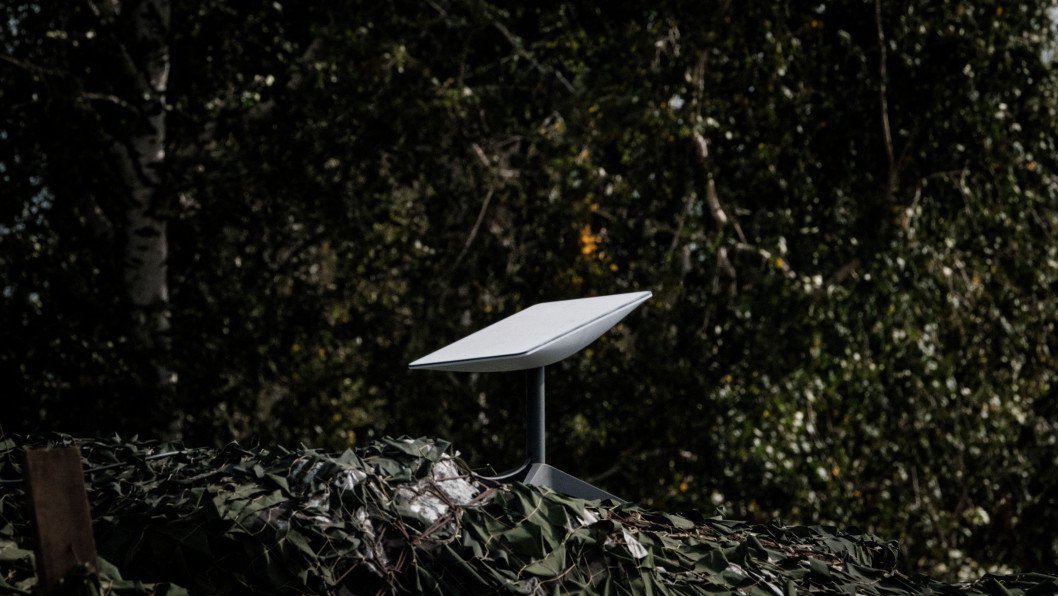
The report stated that Russian forces had relied on thousands of portable Starlink terminals to coordinate troop movements and unmanned aerial vehicle strikes across the front line.
However, there are growing concerns that Russia could soon develop its own equivalent of Starlink. Earlier this month, Commander of Ukraine’s Unmanned Systems Forces Robert Brovdi warned that Moscow may be capable of deploying a domestic front-line satellite communication network within the next year.
In an interview with Ukrainska Pravda, Brovdi, known by the call sign “Madyar,” said Russian forces were already testing prototype satellite communication systems intended to improve battlefield connectivity in a way comparable to Starlink technology.
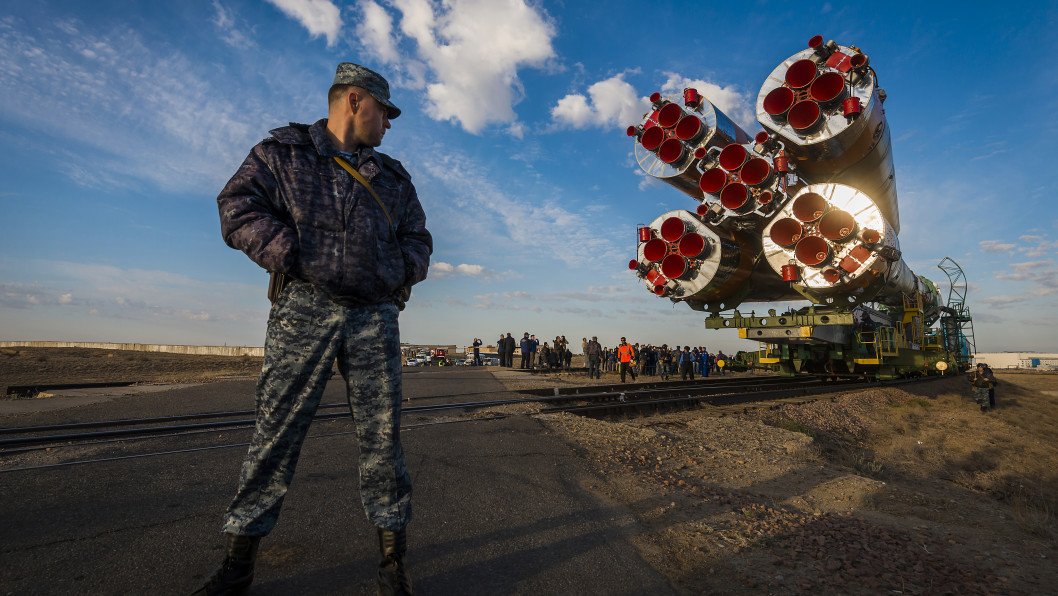
According to him, while Russian access to Starlink has become more restricted, Moscow continues investing in domestic satellite infrastructure and communications systems.
“They already have their own satellite system, and they have prototypes of signal-enhancing systems similar to Starlink,” Brovdi said. “Yes, they are primitive, easy to detect, large in size, and so on. But it is only a matter of time.”
He warned that within a year Russia could potentially deploy its own communications network across much of the front line, significantly improving coordination capabilities for its troops and drone operations.

Separate reports have also indicated that Russian forces are increasingly deploying a new generation of compact satellite communication terminals aimed at reducing dependence on foreign systems such as Starlink. According to Defense Express on April 6, Russia has expanded the use of “Sprint-030” terminals in recent months.
The system is reportedly considerably smaller than traditional satellite terminals and is designed to connect through Russia’s existing orbital infrastructure, including satellites originally manufactured by European aerospace companies Airbus and Thales.
Discuss this article:
-9a7b3a98ed5c506e0b77a6663f5727c5.png)

-72b63a4e0c8c475ad81fe3eed3f63729.jpeg "Photo of Cyril Barabaltchouk")