- Category
- Latest news
Russia Is Paying More Than Ever for Soldiers—But Fewer Are Signing Up
 Prefer U24 Media on Google
- Authors


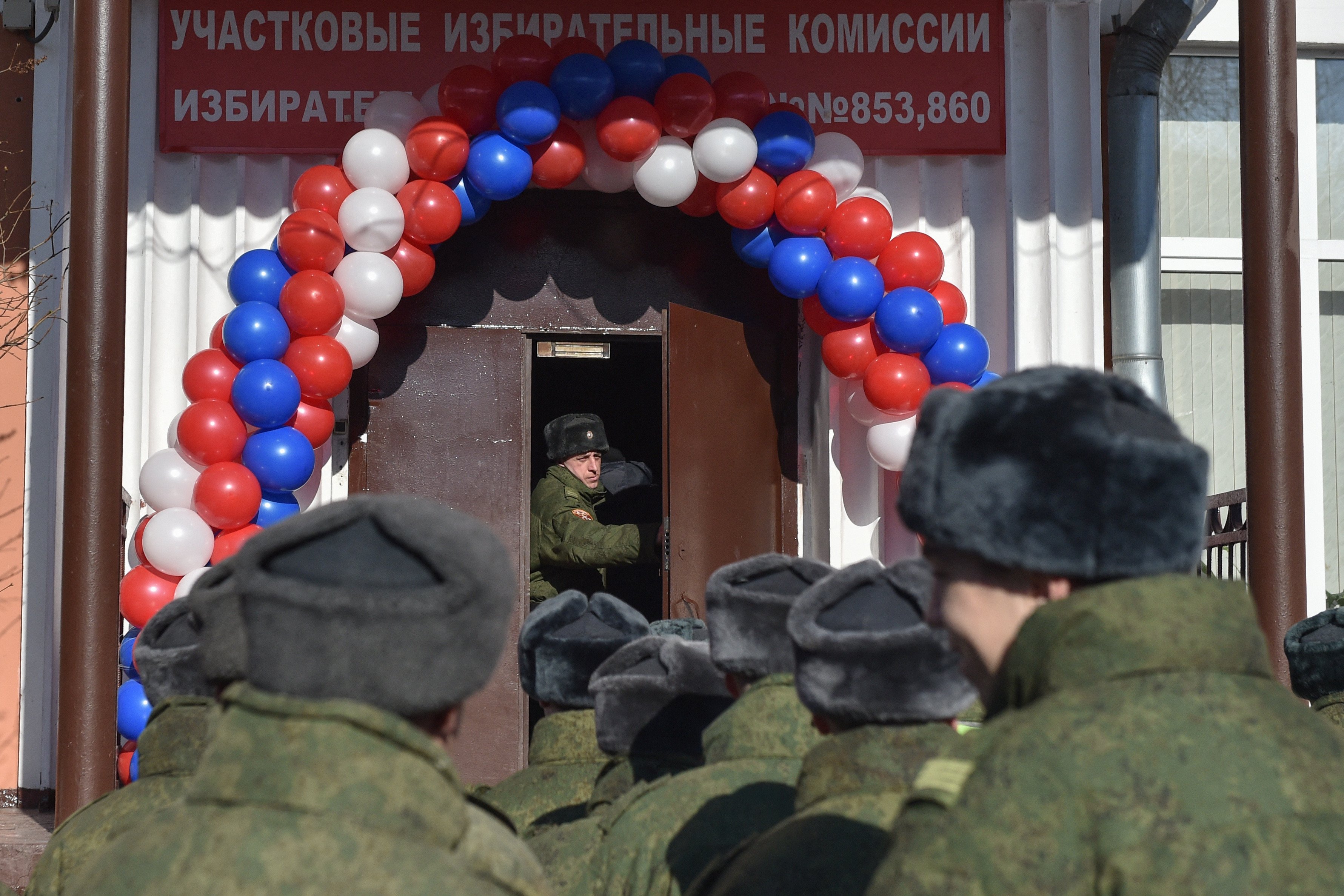
Russia’s contract soldier recruitment has dropped by roughly 20% compared to 2025, according to an analysis published by German researcher Janis Kluge on March 12.
Kluge notes that after a relatively stable period in 2024, recruitment began to slow, with the downward trend continuing into 2025 and early 2026. At certain points, the decline reached around 20% compared to previous months.
We bring you stories from the ground. Your support keeps our team in the field.
At the start of 2026, Russia was recruiting approximately 800 soldiers per day, down from an estimated 1,000 to 1,200 daily recruits during the first quarter of 2025.
Despite this slowdown, Russian authorities continue to publicly claim stable recruitment levels of 400,000 to 500,000 contract soldiers annually. However, independent estimates based on budget data suggest a more modest reality.
On average, Russia is now recruiting around 30,000 new troops per month. While this is enough to offset ongoing battlefield losses, it falls short of enabling any large-scale expansion of the force.
Lots of Russian regions are raising their sign-on bonus right now. A few examples from the last weeks:
— Janis Kluge (@jakluge) April 13, 2026
Volgograd 2.6m
YaNAO 3.6m
Astrakhan 2.6m
Rostov 3m
Khabarovsk 2.1m
Magadan 3.6m
Sakha/Yakutia 2.1m
KhMAO 3.55m
Kab-Balk 2.4m
Karach-Cherk 2.4m
Novosibirsk 2.9m
Sevastopol 1.5m https://t.co/GDf14m4IGs
The recruitment system itself is becoming increasingly dependent on financial incentives. High one-time bonuses and rising salaries remain the primary drivers attracting volunteers, with payments significantly increasing since 2024.
The federal government has doubled the contract signing bonus to 400,000 rubles ($5,250), while regional authorities add their own payments, which now make up a substantial portion of total compensation.
Kluge also identified a new record in signing bonuses. In March, the average payout in his sample reached 1.47 million rubles ($19,300), with a median of 1.55 million rubles ($20,000).
Meanwhile, payouts for killed soldiers are continuing at a rapid rate. I only have data for 17 regions (22% of Russia's population), so treat this information with caution. There is also greater uncertainty surrounding the timing of KIA, i.e. the time lag between KIA and payout. pic.twitter.com/tl6euYksgc
— Janis Kluge (@jakluge) April 13, 2026
At the same time, this model is placing a growing financial strain on Russia’s regions. On average, regional governments are spending up to 4% of their budgets on recruitment, with some allocating as much as 10%—levels comparable to spending on healthcare or education.
Kluge emphasized that Russian Finance Ministry data allows analysts to track not only recruitment spending but also real activity at the regional level.
According to his estimates, Russian regions funded the recruitment of approximately 70,500 soldiers in the first quarter of 2026.
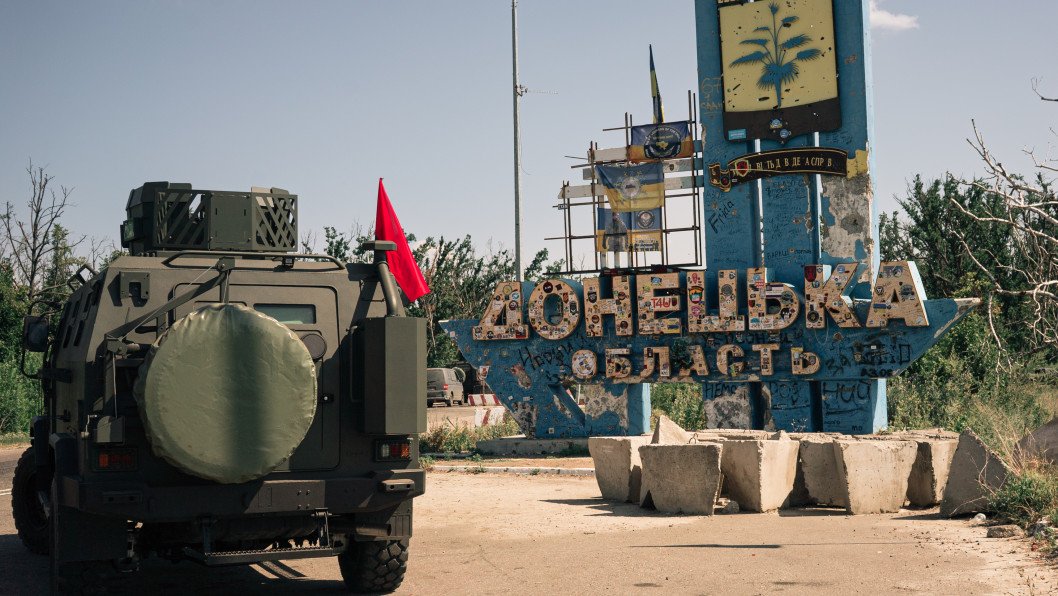
Earlier, reports emerged that in February 2026, regional and municipal executive bodies across Russia were instructed to create lists of “volunteers” to be sent to the front lines. These lists primarily include individuals with unpaid utility bills.
In cases where the debtor is a woman, her husband or adult relatives, such as sons, brothers, or even parents, are added to the list.
The authorities intend to use these lists as leverage to pressure individuals into signing “voluntary” contracts by offering the cancellation of utility debts as an incentive.
Discuss this article:
-4a56a6b482ec132402c16ef6fcabf9a2.png)

-c439b7bd9030ecf9d5a4287dc361ba31.jpg "Photo of Katherina Popilnichenko")