- Category
- World
How Russia Hid Its Colonialism in Plain Sight
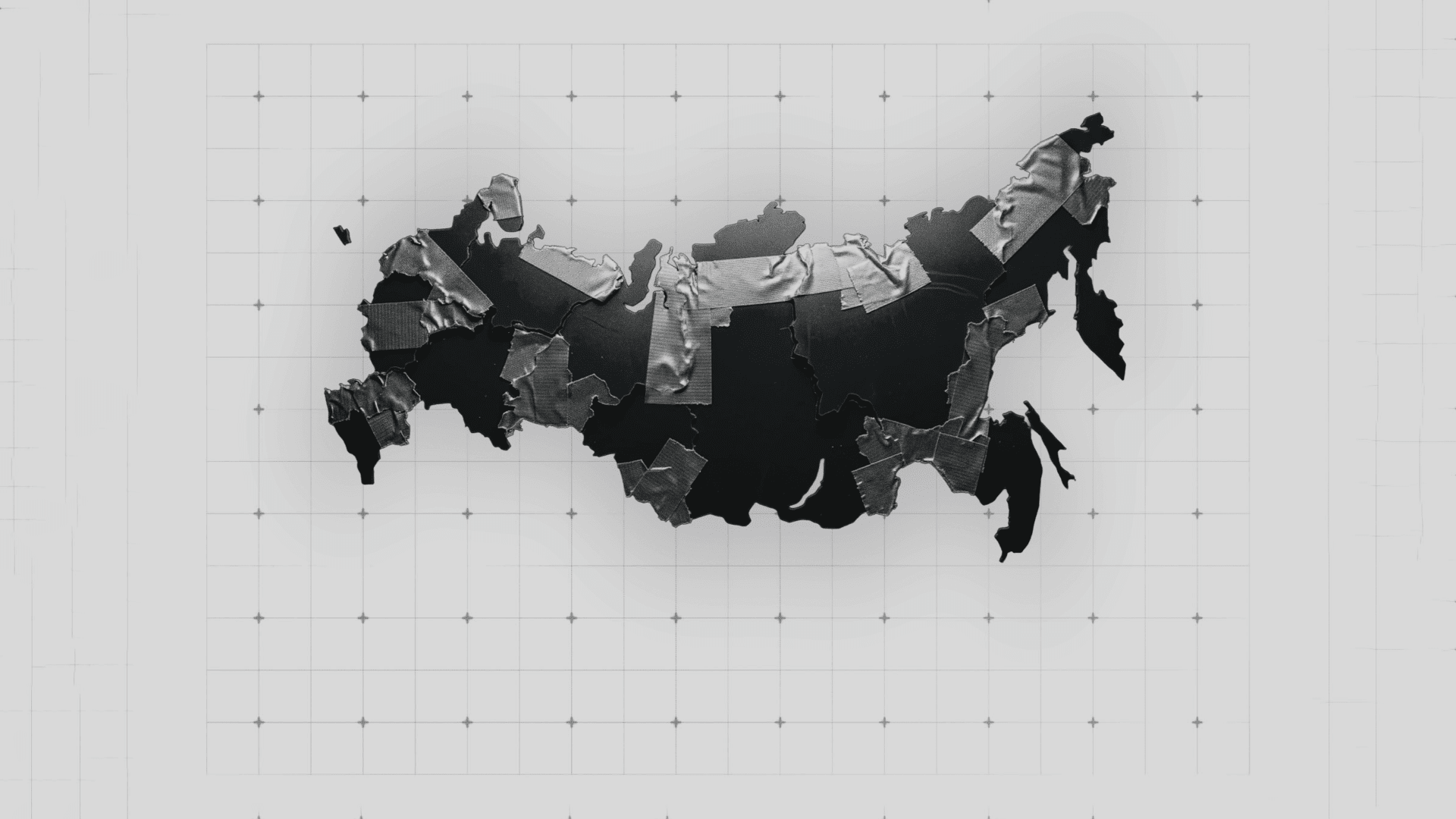
“We have never acted as colonizers anywhere,” Russian leader Vladimir Putin told an audience at the Eastern Economic Forum in Vladivostok in 2023. He was making the case for closer ties with Africa and Asia while Russia waged a war of conquest in Ukraine. How did Russia get away with denying its colonial past for so long?
 Prefer U24 Media on Google
- Authors


Russia, the largest country on Earth, spans more than 17 million square kilometers and encompasses scores of peoples and ethnic groups—with more than 70% of its population identifying as ethnically Russian. It acquired much of its territory through centuries of expansion, conquest, and settlement, and subjected many of the peoples it conquered to forced assimilation. Today it is waging war against a neighbor it once oppressed, occupying parts of Ukraine and trying to seize more. And yet there is still great debate over whether Russia is a colonial power.
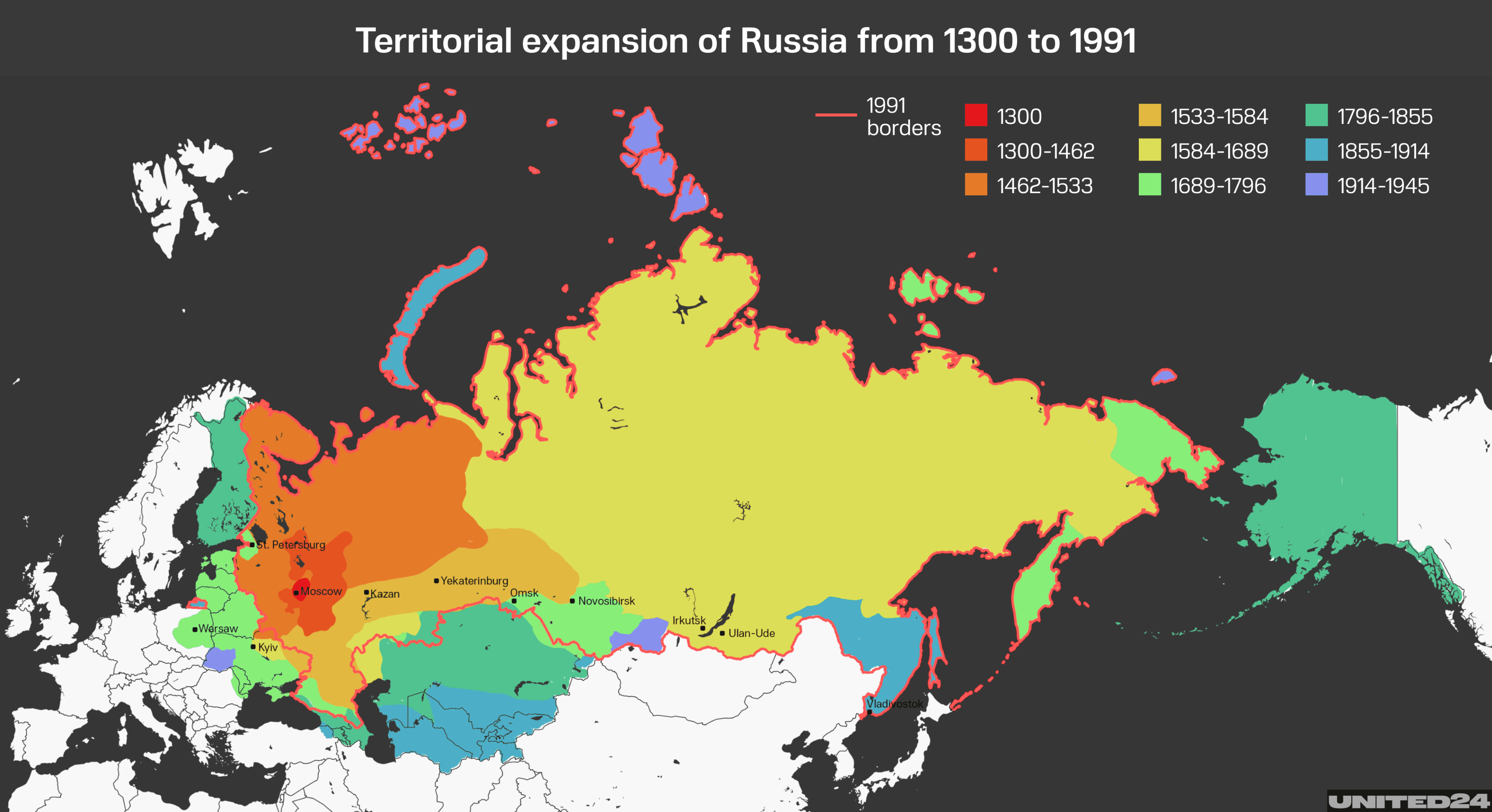
As Russia seized territories, deported entire peoples, and tried to erase their languages and identities, its conquests were for centuries described as “development” or “incorporation,” and Russia itself was rarely grouped with other colonial empires. Ukrainian writer Maksym Eristavi, author of Russian Colonialism 101, argues that this misunderstanding of Russian history shapes what goes into textbooks and how decisions about war and peace are made today.
What exactly makes Russia a colonial state?
There are many forms of imperialism and colonialism. Every empire was different. Russia, of course, has its own peculiarities, and those are part of what made it hard for people to recognize it for what it was. Another reason is that Russia spent centuries working to conceal its colonialism.
One of the clearest hallmarks of colonialism, which we can see in the current war, is the drive to destroy the identity of a people being subjugated. An ordinary territorial dispute or conflict between neighbors is one thing. In a colonial war, seizing territory is only part of the objective. The goal is also to rewrite or destroy the identity of the people being brought under control. That’s the first major sign that we’re dealing with colonialism in a war over territory.
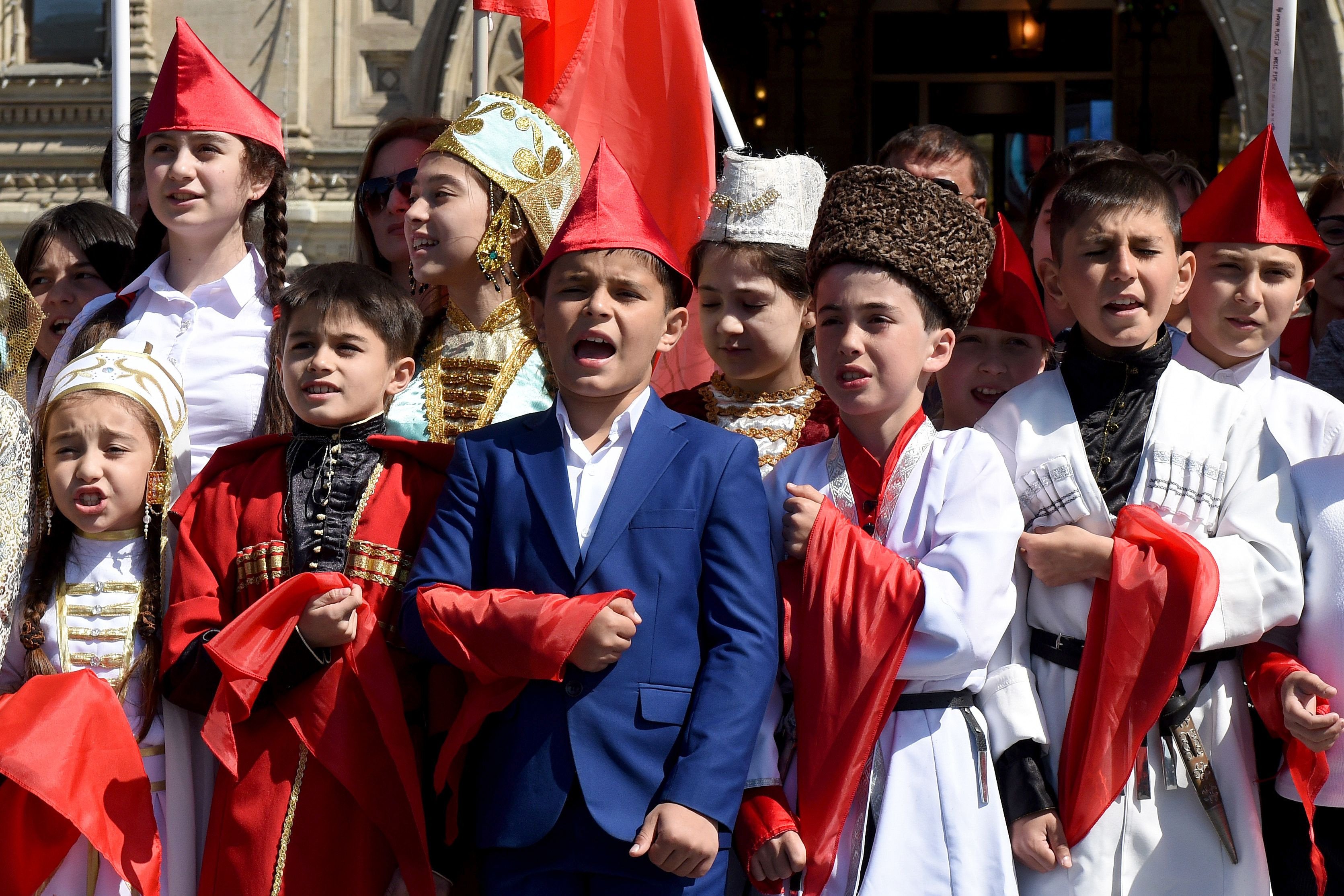
The second hallmark is how the invaders explain and justify their actions. In a colonial war, they usually claim to have a mission to civilize, educate, protect, or save people. They present themselves as coming to help the inhabitants, as though taking someone else’s land had nothing to do with it. This messianic language is another feature of colonialism.
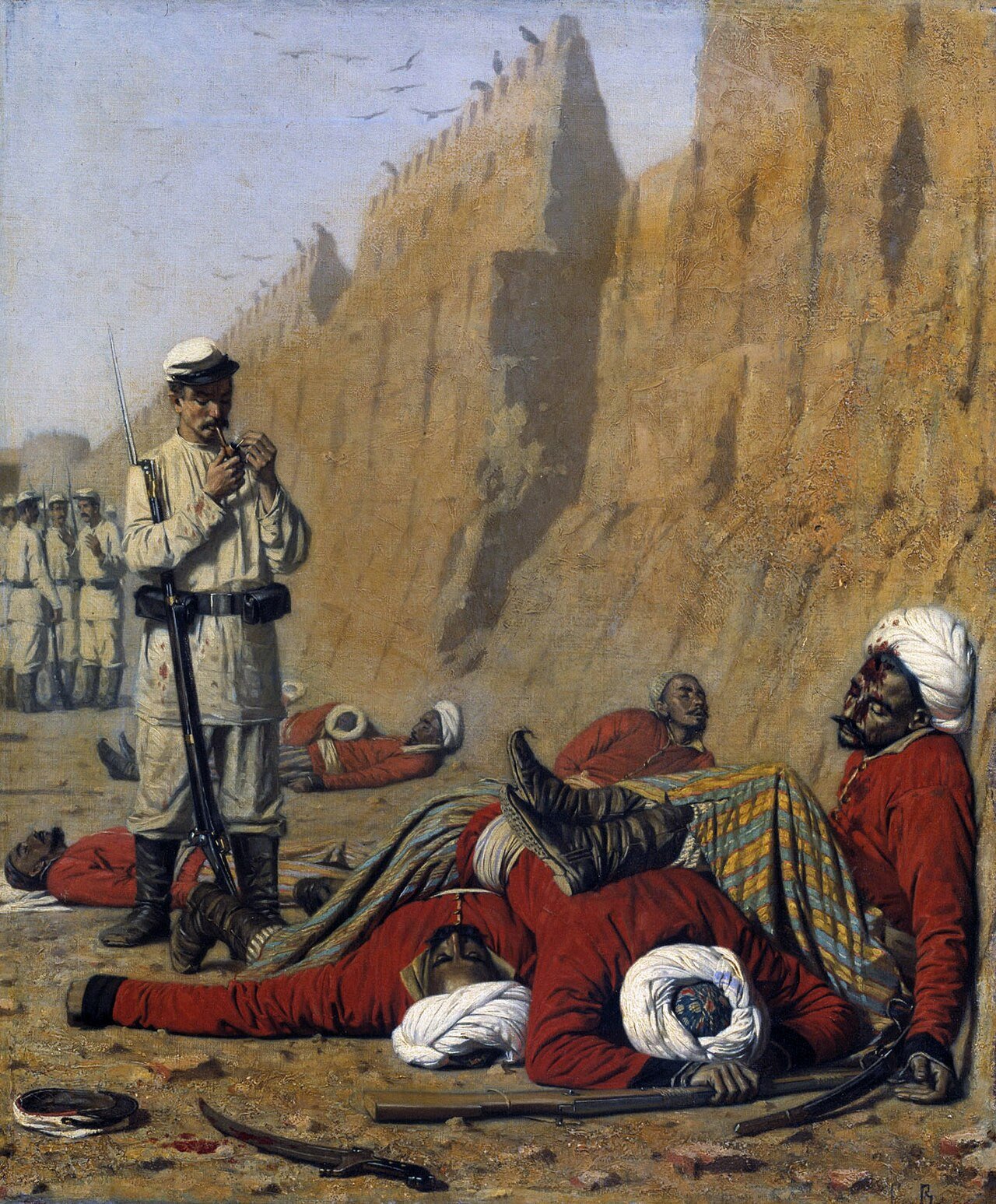
The third hallmark is the exploitation of resources. It’s one of the main reasons colonial wars are fought. That includes natural resources and human ones. They take children away, turn men and women into soldiers, and use them in subsequent wars.
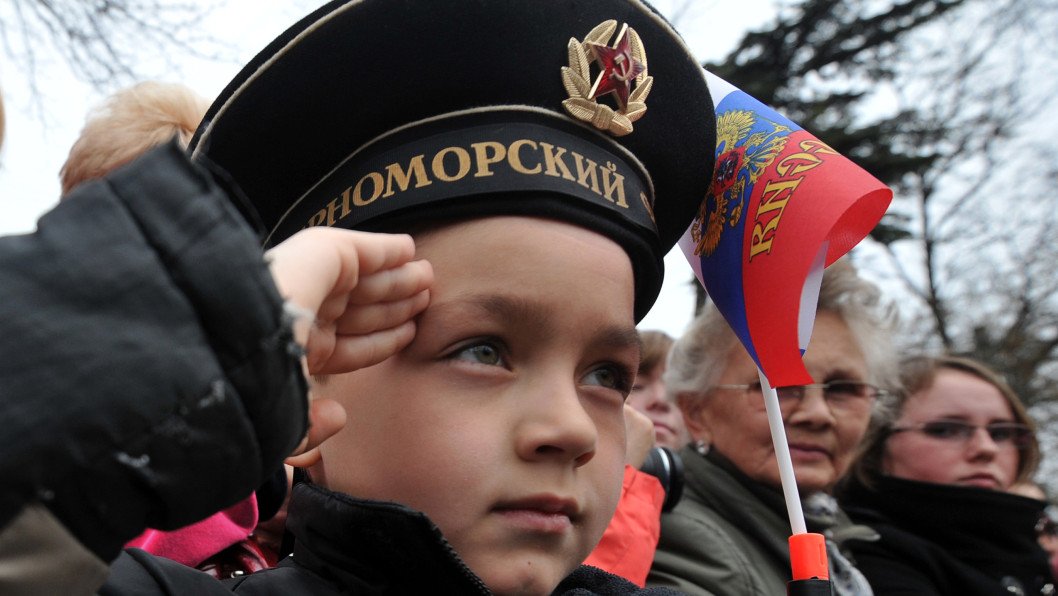
How did Russia manage to avoid the very word “colonialism” for so long?
We’d need hours to answer that question. The campaign to conceal Russian colonialism is one of the most successful in history. Russia understood fairly early how important it was to control how the world saw it and probably began investing in that effort as early as the 18th or 19th century.
For example, European writers and intellectuals were invited to Russia. They were encouraged to see it as something mysterious and utterly unique, supposedly beyond the reach of ordinary concepts. What followed was a long campaign to penetrate intellectual circles around the world. For decades, Moscow’s own perspective dominated university scholarship and academic debates about Russia.
The colonized peoples, who knew a great deal about how the empire worked, were rarely treated as credible authorities. Often they had no opportunity to talk about their own experiences at all. Russia built a kind of barrier that kept Indigenous voices out of the international conversation.
Even today, as things gradually change, the problem persists. Some universities have already renamed their Russian Studies programs Eastern European Studies. But look at whose work they publish. At best, it’s Western researchers who speak only Russian and have been to Moscow a couple of times. At worst, it’s Russians themselves.
That’s why so many Western experts completely misunderstood the nature of this war and were shocked when the full-scale invasion began. For people who really know the history of Russian colonialism, it came as much less of a surprise. Many other peoples besides Ukrainians had already been through something similar.
How accurate is it to speak of an unbroken imperial tradition from the Tsardom of Muscovy through the Russian Empire and the Soviet Union to modern Russia?
It’s accurate at least as far back as the Ukrainian Baroque, a period spanning the 17th and 18th centuries.
What’s interesting is that Ukrainian intellectuals such as Inokentiy Gizel and Oleksandr Bezborodko played a direct role in shaping the idea of the Russian Empire and its mythology. The prominent Ukrainian intellectual and writer Oksana Zabuzhko has been writing a lot about this lately. Much of the grand imperial myth we still hear today was written at the time. Putin’s hours-long pseudohistorical lectures for Western audiences draw on ideas that have been around for centuries.
What distinguishes Russian colonialism from classic Western European colonialism?
There’s very little difference in principle. Yes, Russia was predominantly a land empire. It did, however, colonize overseas, including in North America. Think of Alaska. There were even attempts in Africa, though they failed completely.
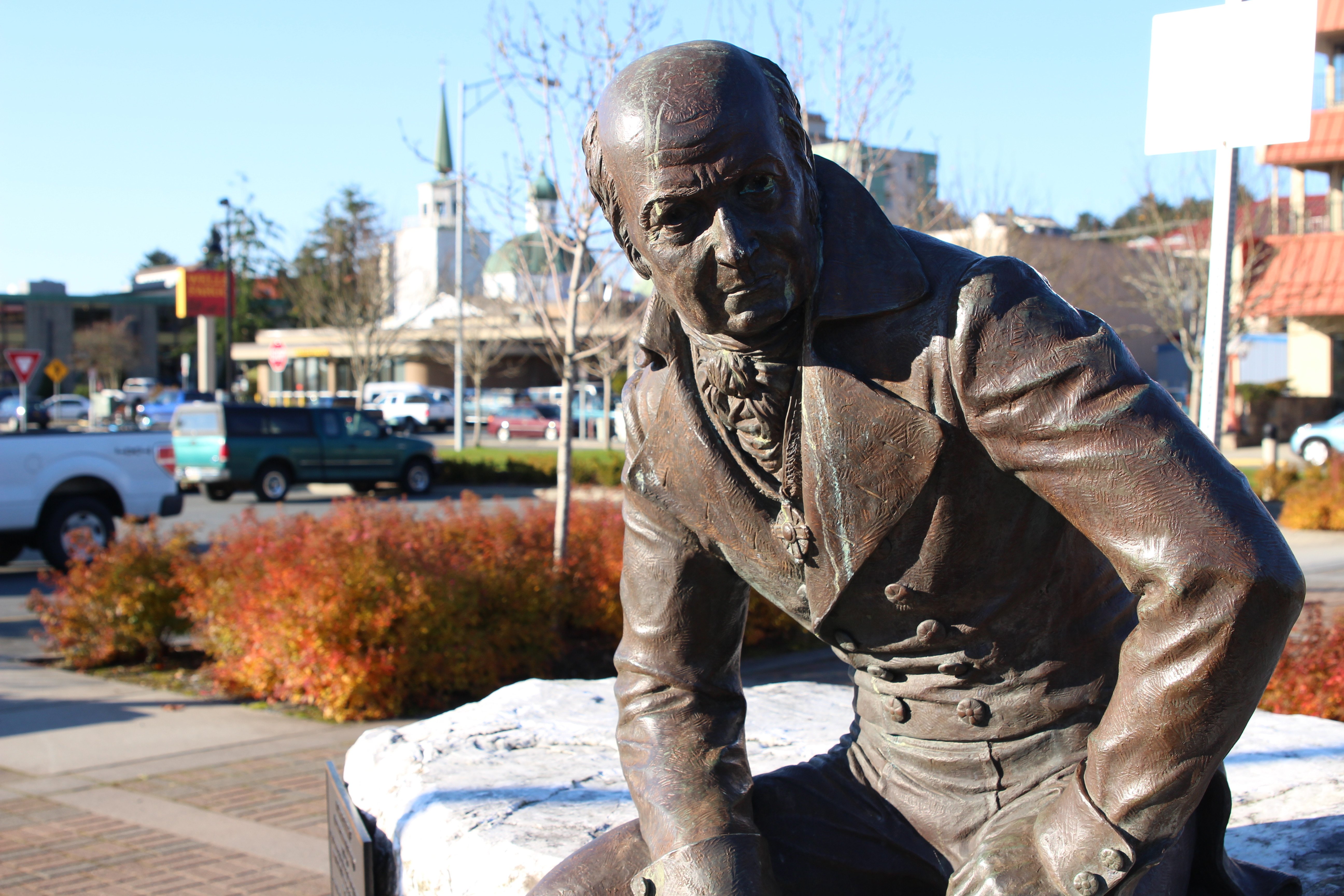
I don’t think Russia developed in an entirely different way from other empires. The West judged everything through the lens of its own experience. If that was how we colonized, then any other empire had to look the same. Western powers had trouble recognizing colonialism when someone else was doing it, and it looked a little different.
Which specific cases are key to understanding Russian colonialism?
Physical annihilation plays a major role in Russian invasions. It’s how the empire cuts the cost of administering conquered territories. Mass killings, deportations, forced displacement, genocide—all of it clears space for Russian colonizers. It’s a classic example of settler colonialism.
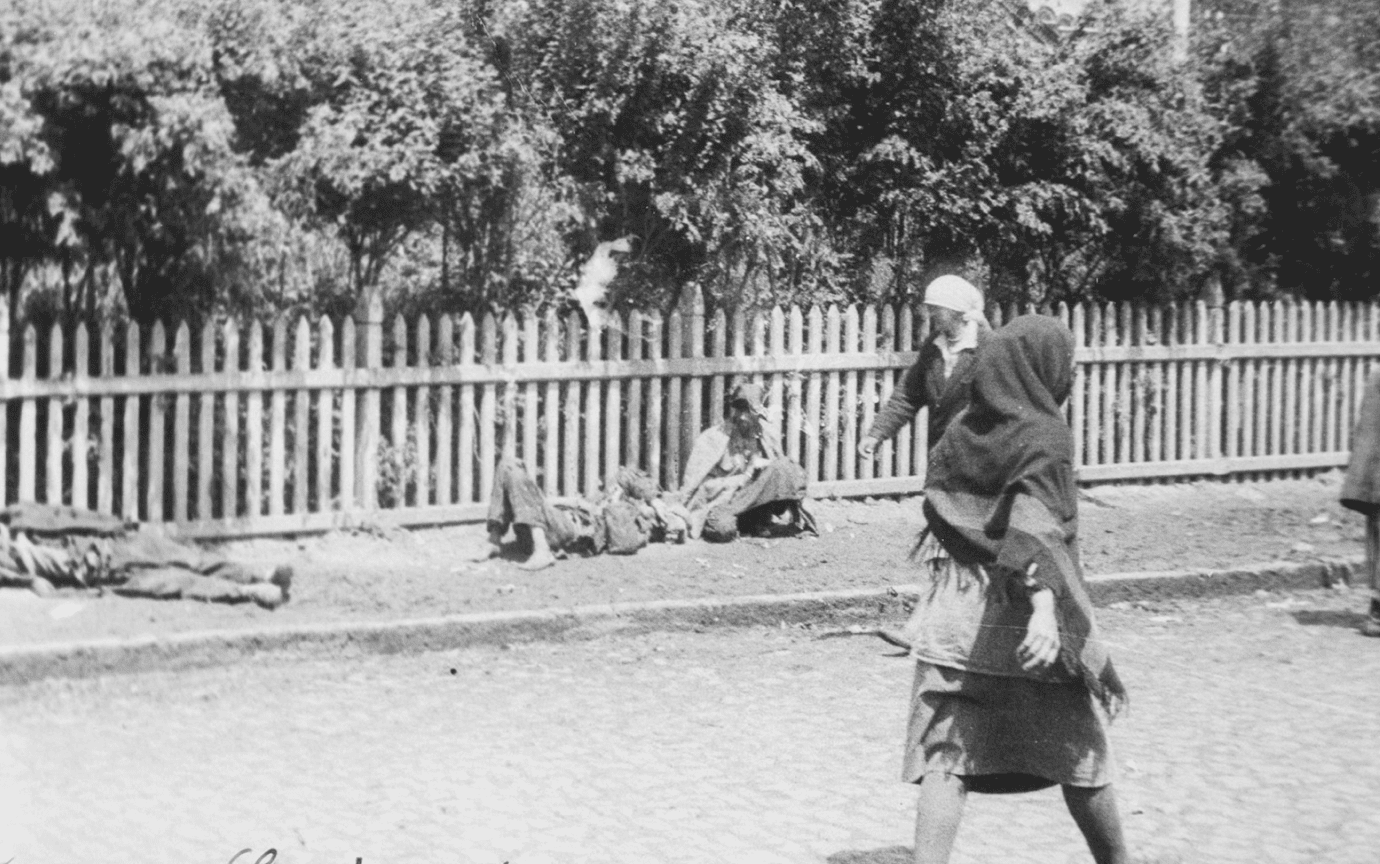
The empire then tries to reprogram the survivors. It subjects them to cultural cleansing and tries to change their culture and identity.
In my book, I write about 48 Russian invasions over the past hundred years. I also write about more than a hundred peoples or ethnic groups completely wiped out over 450 years of Russian imperial wars.
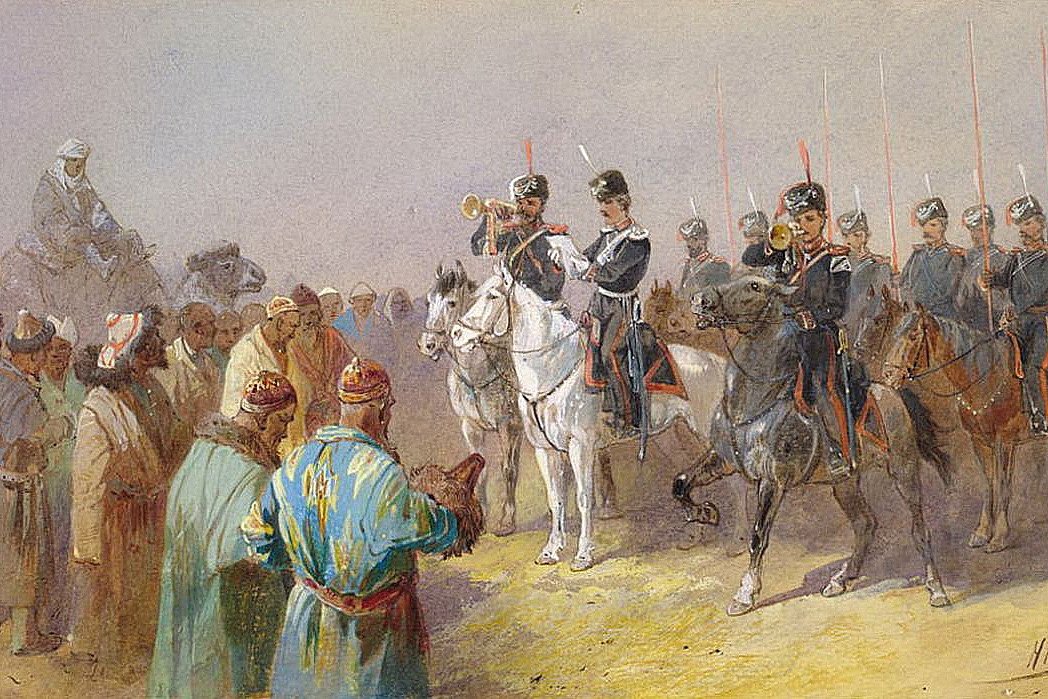
People sometimes wonder why Russia is constantly at war. Look back over the past 450 years and, by my estimate, only 20 or 30 of them were peaceful. Wars of expansion are a natural and necessary part of an empire’s life cycle.
Many of the Russian troops killed in the war or called up for service come from Russia’s ethnic republics. What does that tell us about the imperial system?
That’s exactly what I was talking about at the beginning when I mentioned the exploitation of human resources. For an empire that constantly needs new wars, subjugated peoples become a resource it can use to keep conquering.
Look at Russian history. Think of the wars against Napoleon, the subsequent expansion in the Caucasus, Siberia, and Europe, and the wars of the Soviet era, including the war in Afghanistan. The successes of the Russian Empire and the Soviet Union owed a great deal to people from subjugated nations, especially Ukrainians. And it’s impossible to imagine victory over Nazi Germany without the enormous contribution of Ukrainians.
Europe’s most experienced army will become part of the Russian war machine. The people forced to serve the empire will bring with them the knowledge and skills they gained fighting this war. Imagine how hard it will be to stop a force like that, especially given the current state of Europe’s armies.
People from colonized nations end up in the Russian army and go off to fight against Ukraine. But they still have a choice about whether to resist. That’s why it’s so important that we do nothing to downplay the crimes they commit, even if they come from colonized nations. Yes, they too can become agents of the empire.
— UNITED24 Media (@United24media) October 27, 2025
After the Soviet Union collapsed, why did most of the ethnic republics that remained within Russia fail to gain independence as Ukraine, Georgia, and the Baltic states did?
In my book, I try to show that every Russian conquest met with resistance. It was always there. But one of the main myths imperialism perpetuates is that it’s invincible. The empire is so vast and powerful, and has been around for so long, that even the thought of resisting seems futile. The empire needs to keep reinforcing that belief. Whenever it gets the chance, it erases the stories of resistance.
Yet even the colonized peoples still within the Russian Federation have a history of struggle. I wouldn’t agree that they simply had no desire for independence. They may have lacked the means to achieve it at times, but they made attempts at different points in their history.
Russia actively presents itself to countries in Africa, Asia, and Latin America as an anticolonial force fighting Western imperialism. Why does that image still work?
That, too, has to do with suppressing and rewriting history. You go to countries in the Global South, and people tell you how the Russians once helped build infrastructure and sent specialists, doctors, and money. Then you start looking at individual stories and find many Ukrainian, Kazakh, and Georgian names. Russians worked systematically to present all those achievements as exclusively Russian.
Even where the Soviet Union did help countries in the Global South, modern Russia has no grounds to claim all the credit. Most of the people who did that work came from different parts of the empire.
Today, Russia is trying to gain access to other countries’ natural resources while running an information campaign claiming to protect them from Western exploitation. Similar things were happening 50 and 100 years ago. Too little of the record has survived for us to see the full picture.
What does decolonizing Russia mean in practice?
It’s a difficult question because it has at least two dimensions.
The first concerns colonized peoples who remain within the empire. We have to keep demanding their right to self-determination. Within Russia itself, virtually no legal mechanisms remain for these peoples to exercise that right.
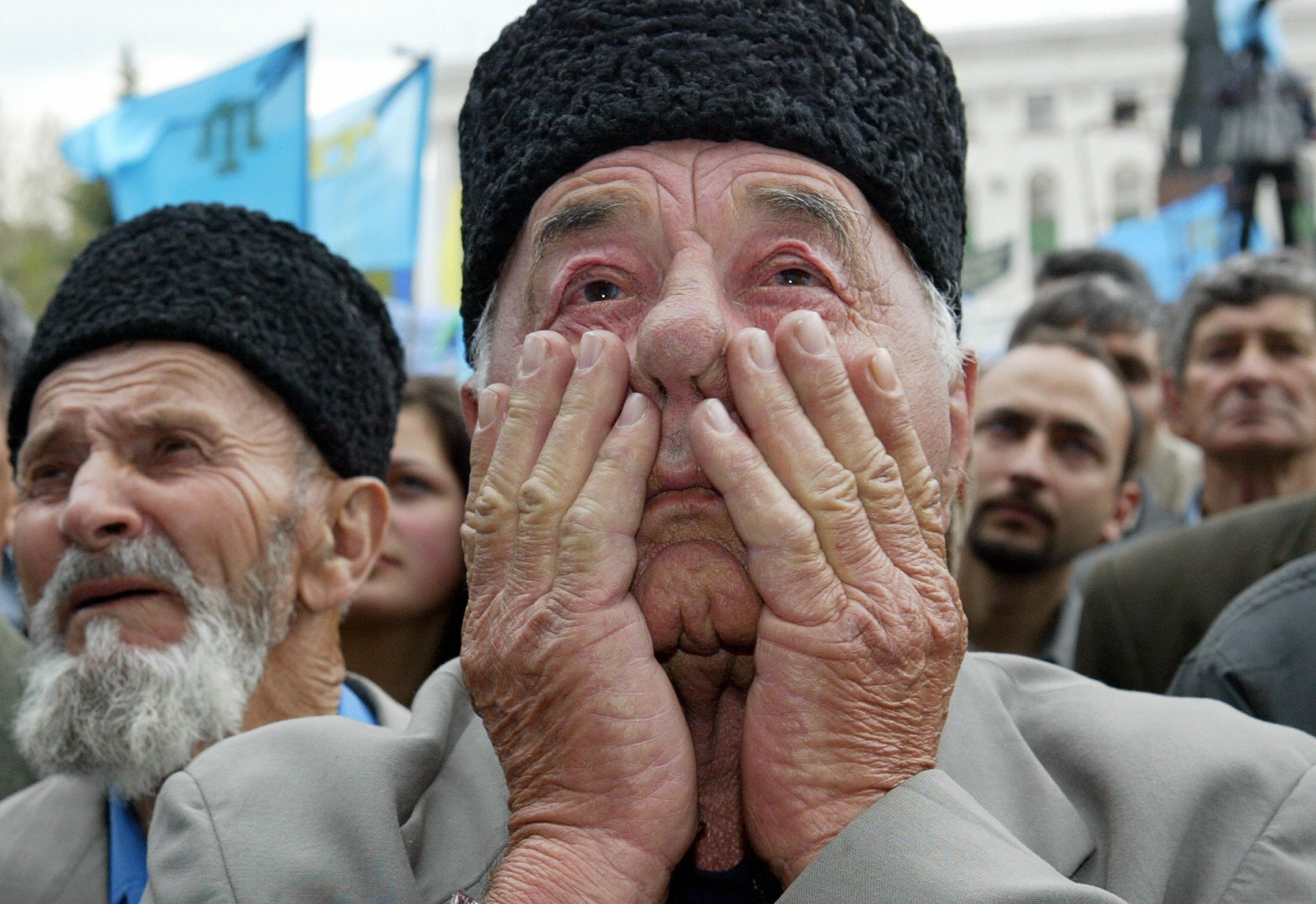
Under Putin’s regime, opportunities for them to develop their cultures independently have been steadily eliminated. If you fight to preserve who you are, even in a purely cultural sense and without advocating political separation, you can find yourself on the wrong side of the law.
The second dimension concerns Russian identity itself. In my view, being Russian is first and foremost an imperial identity. It emerged and developed in the context of empire, and it’s hard to imagine it outside that context. The Kazakh-German professor Botakoz Kassymbekova has written extensively on this.
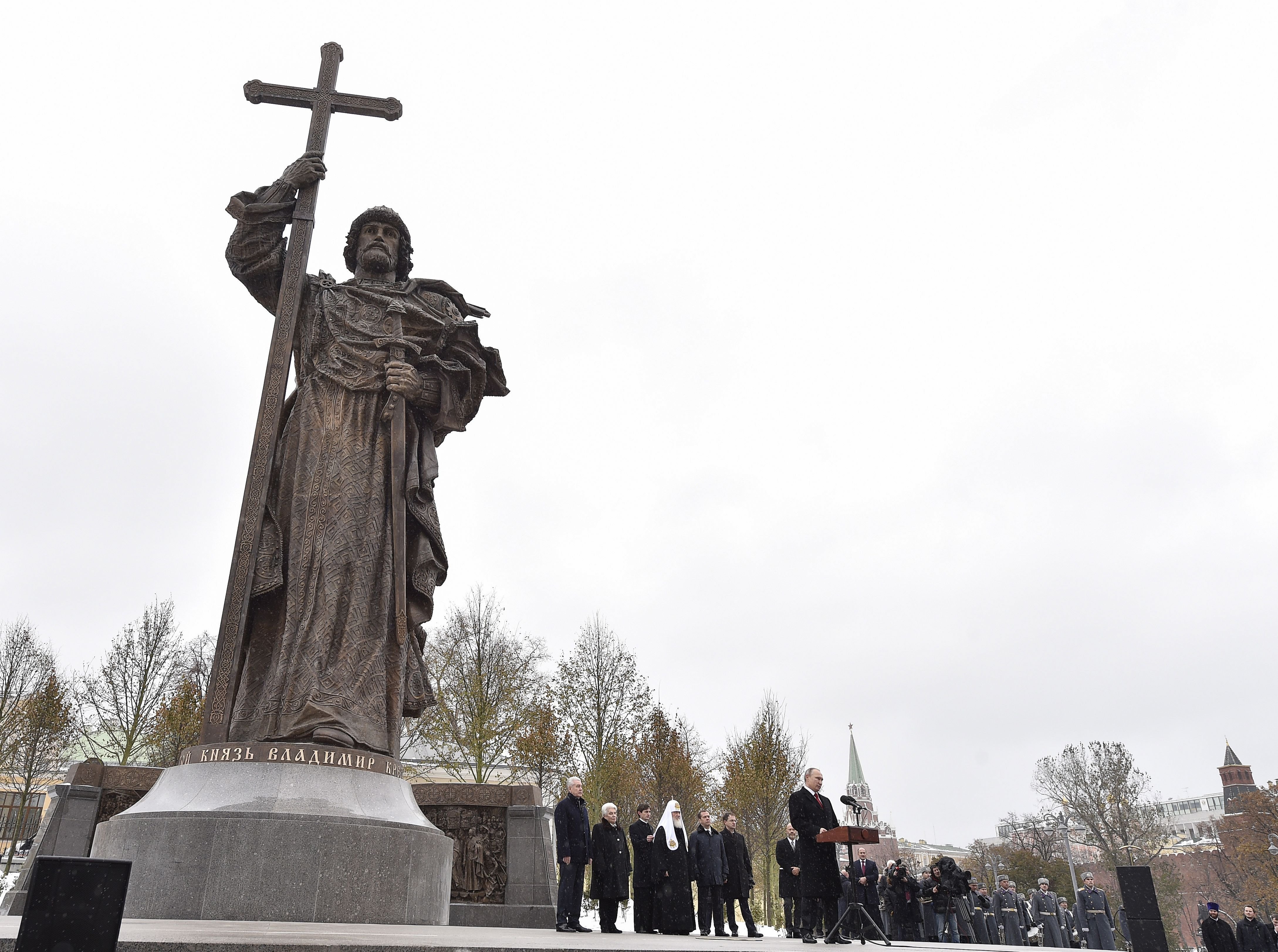
Russians face an enormous task in rethinking what it means to be Russian without an empire.
What would it mean for countries around the world to understand Russia as a colonial state?
I approach this very much as a journalist. I’m convinced that using accurate terms matters for fairness and fact-checking. It also helps us think more clearly.

When you call things by their proper names, you can see a situation from angles you couldn’t see before. When we talk about what’s happening in Ukraine and use terms like “imperialism,” “colonialism,” and “war of conquest,” it opens up entirely different ways to analyze the situation in practical terms.
For example, when we talk about negotiations or a peace plan, it’s important to be clear about Russia’s objective in this war. Its goal is the complete destruction of Ukrainian identity. Once you understand that, your tactics in negotiations and your approach to security decisions will be entirely different. You prepare for both differently.
I see this problem often, even in discussions about defense strategies and budgets, especially in Europe. The thinking is that all of this will pass, that things will settle down in a year or two or five, and that we’ll go back to business as usual with Moscow.
But once you understand that you’re dealing with a colonial culture that’s been around for almost 500 years and repeats the same practices over and over, whoever is in power in Moscow and whatever regime is in place, you’ll start building your strategy very differently. You’ll also plan on a very different time horizon.
Discuss this article: