- Category
- World
Russia Tries to Turn France’s Violent Protests Into a Disinformation Weapon, EU Investigation Finds
 Prefer U24 Media on Google
- Authors


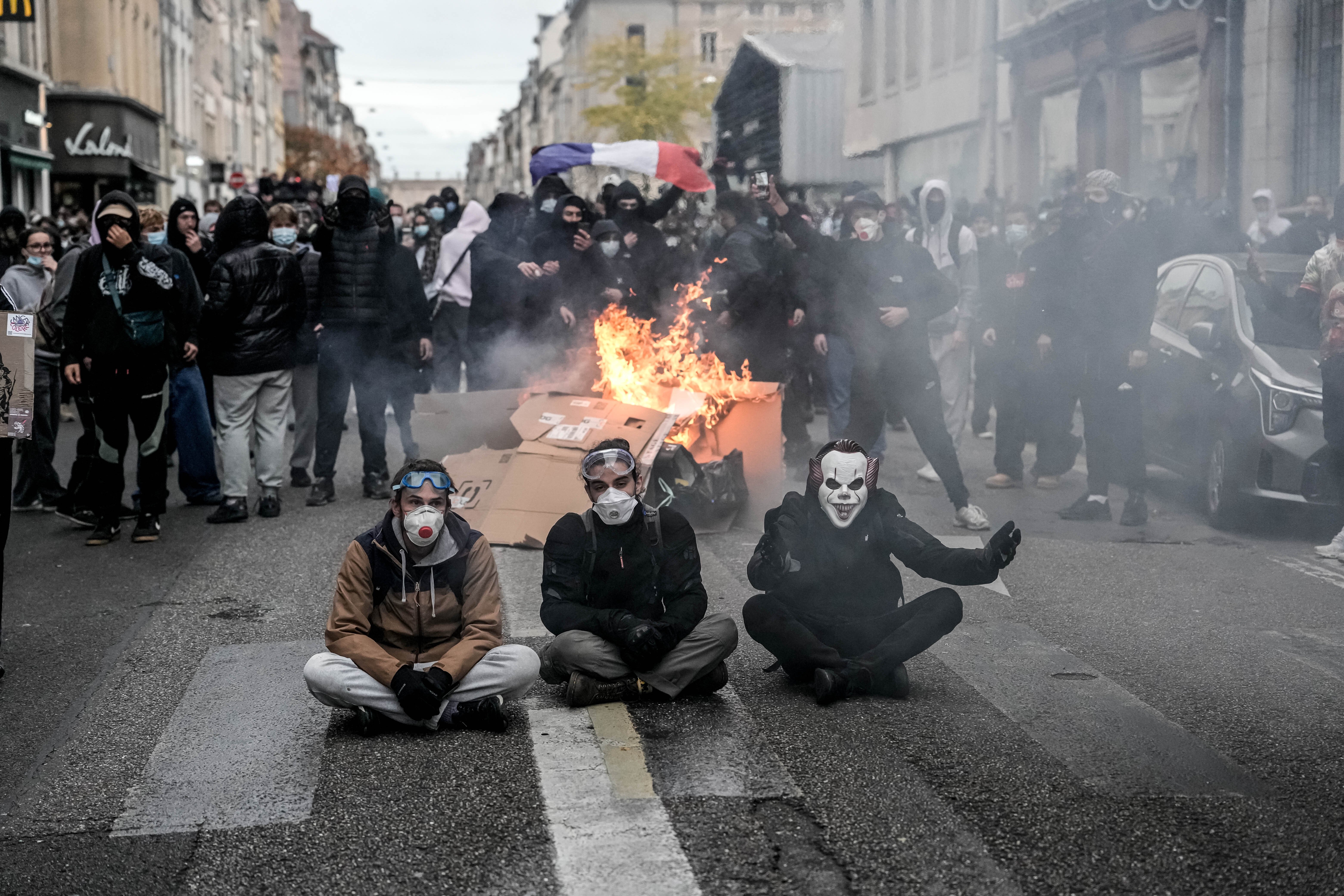
A covert Russian influence operation attempted to capitalize on the violent unrest that swept across France in October 2026, spreading false narratives about immigration and depicting the French authorities as incapable of maintaining public order, according to an internal European Union assessment obtained by Reuters on November 9.
The EU investigation identified a Russian-linked disinformation campaign known as “Operation Overload,” which distributed manipulated videos designed to resemble reports from established Western media outlets. Some of the fabricated content falsely accused migrants of sexually assaulting demonstrators, while other posts warned of impending terrorist attacks.
We bring you stories from the ground. Your support keeps our team in the field.
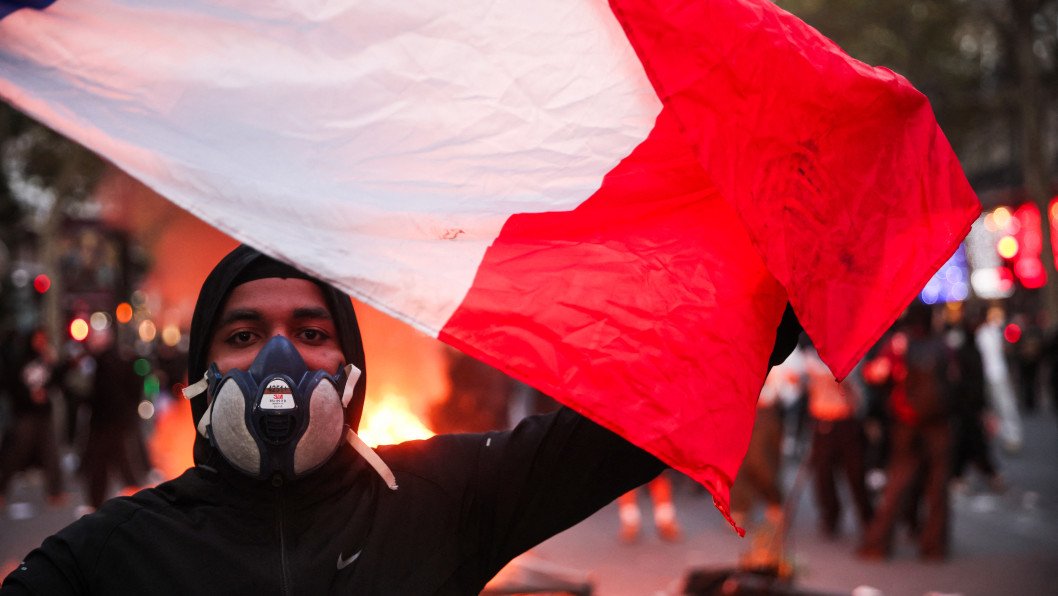
The disinformation campaign coincided with widespread protests over increasing living costs and declining public services, which developed into violent clashes and riots in several French cities. The disturbances were among the most serious episodes of civil unrest France has experienced in decades.
Covering the period from October 7 to 21, the EU assessment concluded that the Russian network sought to present France’s leadership as both ineffective and increasingly authoritarian, using concerns about migration and public safety to amplify social tensions.
Nevertheless, the investigators found no indication that Russia or other external actors had initiated the protests or contributed directly to their escalation, Reuters reported. Instead, the assessment described the disinformation activity as an effort to take advantage of unrest that was already underway.
A separate investigation conducted by France’s foreign ministry also identified social media activity linked to Israeli officials and influencers, alongside accounts associated with the US Make America Great Again (MAGA) movement.
According to the French assessment, these accounts circulated messages portraying the riots as consequences of radical Islamism and immigration, contributing to the spread of competing political narratives surrounding the demonstrations.
The French ministry also examined the online reach of the different groups, revealing substantial disparities in the attention their posts received.
Between October 16 and 18, the 10 most widely viewed posts about the unrest from pro-Russian accounts on X attracted approximately 2.8 million views, according to Reuters.
During the same three-day period, the 10 leading posts published by MAGA-affiliated politicians, media organizations, and online commentators generated more than 49 million views.
Content shared by Israeli officials, government-linked accounts, media organizations, and influencers also reached large audiences, with the 10 most popular posts accumulating over 35 million views.
Together, the assessments suggest that several foreign-linked groups attempted to influence public interpretations of France’s domestic crisis. However, Reuters emphasized that it had not independently confirmed the findings of either the EU or French reports.
French President Emmanuel Macron addressed concerns about outside influence on October 21, drawing a distinction between direct foreign involvement in the demonstrations and attempts to manipulate the information environment surrounding them.
Macron said there was no visible evidence that foreign actors had interfered in organizing the protests, although he acknowledged that efforts to manipulate information about the unrest had taken place.
One of its objectives has also been to weaken European backing for Ukraine by promoting claims that European governments devote greater attention and resources to assisting Kyiv than to addressing problems affecting their own populations.
The Institute for Strategic Dialogue, a British research organization, previously identified Operation Overload as an extensive and sustained Russian information campaign that uses impersonation and deceptive content to undermine trust in reliable sources.
Its research found that the network produces fabricated news videos, uses artificial intelligence to imitate experts’ voices, forges newspaper headlines, and alters images to make misleading information appear credible.
Similar allegations of Russian-linked influence activities have also emerged elsewhere in Europe.
In Hungary, operatives allegedly connected to Russian intelligence attempted to organize a paid demonstration outside the parliament building in Budapest to promote a nuclear energy project backed by Russia’s state-owned corporation Rosatom.
The alleged operation was uncovered by InformNapalm and Ukrainian Militant in an investigation published on October 26. Their findings were based on leaked correspondence, internal documents, and digital records obtained by the hacking group 256 Cyber Assault Division.
Discuss this article: