- Category
- War in Ukraine
Russian Troops Are Running Out of Gas—and Sometimes Leaving Military Hardware Behind
 Prefer U24 Media on Google
- Authors


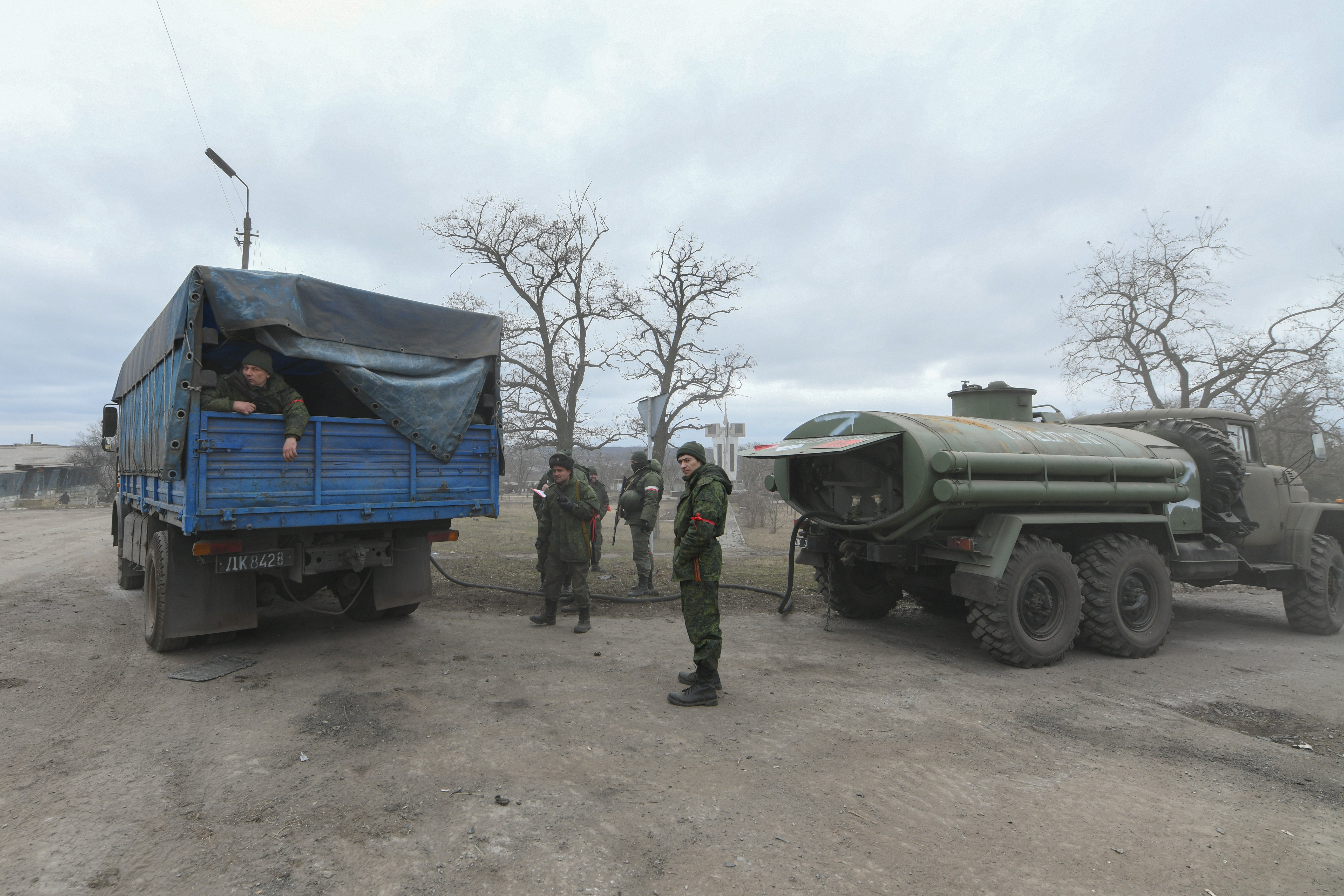
Russia’s worsening fuel crisis is beginning to disrupt military operations in Ukraine, with Russian troops reporting reduced gasoline and diesel deliveries, strict refueling limits, and growing difficulty supplying frontline positions, independent Russian outlet Verstka reported on July 22.
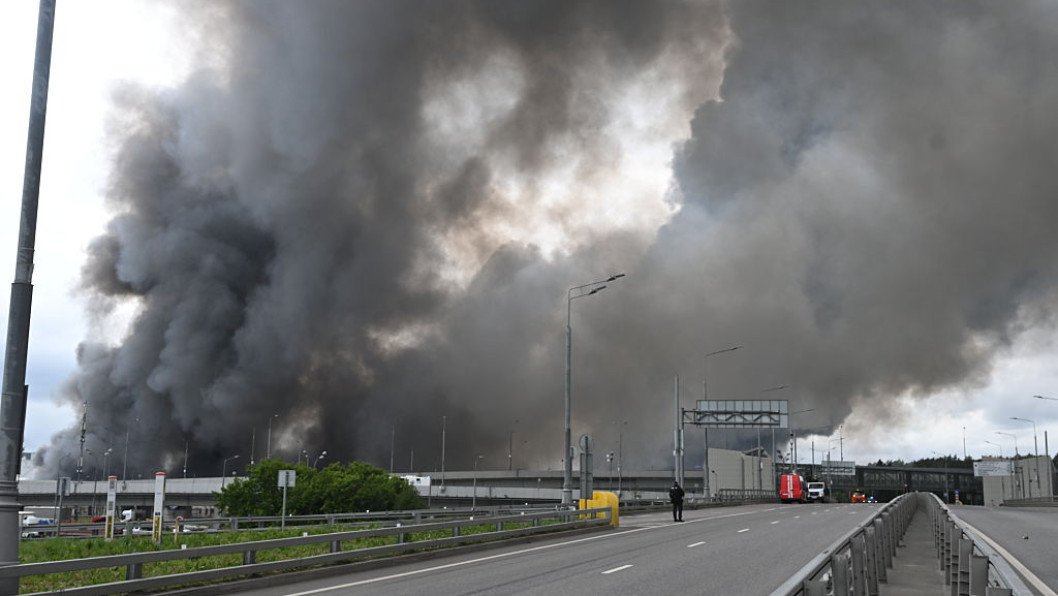
The shortages follow sustained Ukrainian strikes on Russian oil refineries and fuel infrastructure, which have placed mounting pressure on production and distribution across the country.
We bring you stories from the ground. Your support keeps our team in the field.
Several Russian service members told Verstka that military units had begun receiving less fuel. One soldier said vehicles that were previously supplied according to operational needs are now limited to no more than 20 liters per day.
“The gasoline situation is completely fucked. Everyone is getting very little. There is a catastrophic shortage of gasoline,” he said.
In some cases, Russian troops are even forced to abandon the military equipment because it runs out of fuel. Recently, Russian troops abandoned a working T-72 tank on the battlefield during a retreat after it simply ran out of fuel.
Other troops confirmed cuts to deliveries. One mobilized soldier estimated that fuel supplies had fallen by roughly 30%.
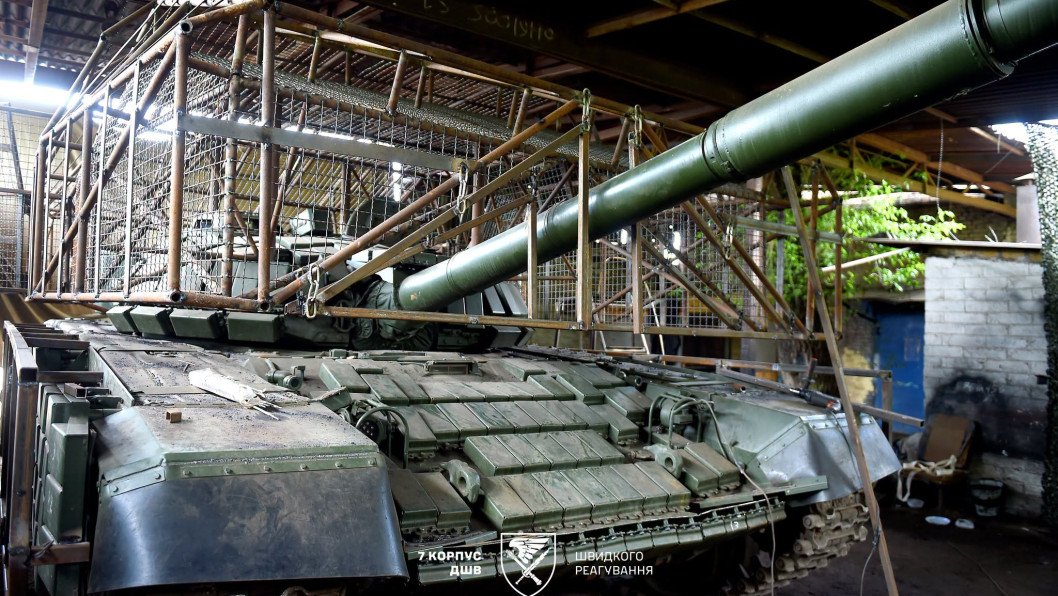
The restrictions reportedly affect not only combat vehicles but also trucks used to carry ammunition, food, and other supplies.
A soldier serving in the Zaporizhzhia direction said his position previously received 20 liters of gasoline per delivery, but now gets only 10 to 15 liters. He said troops sometimes have to walk 11 kilometers to transport water, food, and other necessities.
He said he did not understand how they were expected to fight under such conditions.
“The further it goes, the worse it gets,” he said.
Russian troops also said gasoline was becoming increasingly difficult and expensive to obtain privately. Some reported buying it from local residents for 200 to 300 rubles (up to $3,83) per liter or more, searching for supplies in Rostov-on-Don, or waiting for fellow soldiers returning from leave with fuel cans.
-bdca46160ee0e70649654a51404f6cc5.jpg)
Several also complained about the quality of fuel supplied by Russia’s Defense Ministry, describing it as “some kind of yellow color, not as clean as at a gas station.”
The ministry reportedly provides fuel only for officially registered military equipment. Soldiers must personally pay to run private vehicles, generators, chainsaws, and other equipment.
Those items can be added to a regiment’s official inventory, troops said, but doing so creates the risk that commanders will seize them and transfer them elsewhere.
The shortage is particularly serious for units that rely on generators for communications, electricity, and water pumps.
One soldier deployed near Russia’s Kursk region said he previously spent around 50,000 rubles ($638) per month on gasoline for generators. He now expects that figure to rise to 70,000 rubles ($893).
Russian pro-war bloggers and volunteer groups have also acknowledged the problem. Pro-war volunteer Anastasia Komarova also criticized the shortages on July 19.
“We will not speculate about what direction the state or someone else has taken—we cannot understand why the ‘special military operation’ is underway while the front is sometimes deprived of something as basic as gasoline,” she said.
Previously, reports emerged that Russia’s fuel crisis was intensifying, with more than 150 gas stations put up for sale across the country over the past month.
Discuss this article:
-9a7b3a98ed5c506e0b77a6663f5727c5.png)

-72b63a4e0c8c475ad81fe3eed3f63729.jpeg "Photo of Cyril Barabaltchouk")

-111f0e5095e02c02446ffed57bfb0ab1.jpeg "Photo of Roman Kohanets")