- Category
- World
Russia Deploys Security Forces to 13 Regions to Guard Gas Lines as Half of Refining Capacity Sits Idle
 Prefer U24 Media on Google
- Authors

-c439b7bd9030ecf9d5a4287dc361ba31.jpg "Photo of Katherina Popilnichenko")
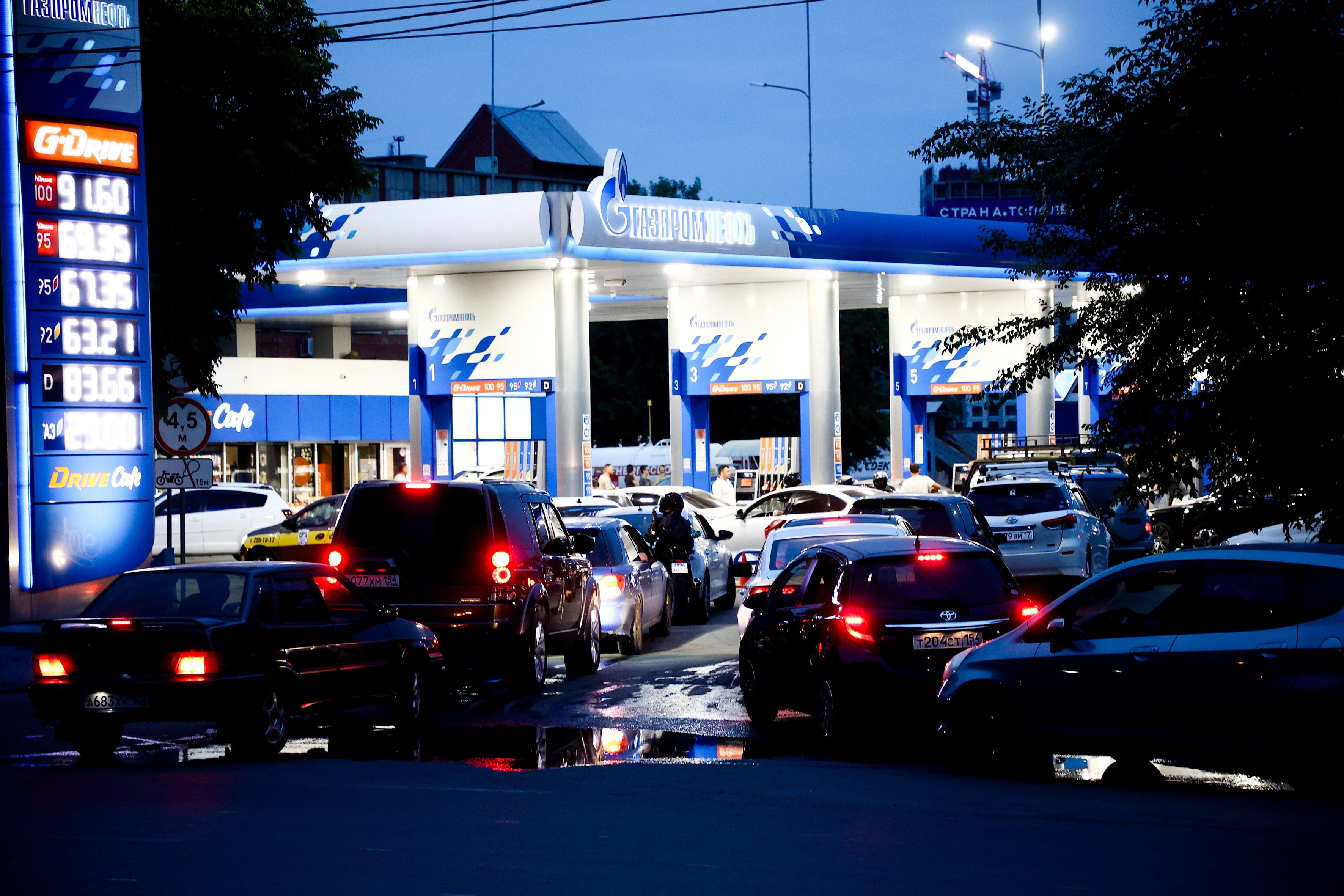
Authorities in 13 Russian regions have deployed security forces, including police officers and Rosgvardia personnel, to patrol gas stations as the country faces an escalating domestic fuel crisis following Ukrainian long-range strikes.
The crisis has caused a 35% drop in daily gasoline production to 75,000–80,000 metric tons, far below the typical summer demand of 115,000–120,000 metric tons, leaving half of Russia’s oil refining capacity idle, as reported by The Moscow Times on July 17.
We bring you stories from the ground. Your support keeps our team in the field.
In response to the shortage, local administrations have set strict fuel sales limits ranging from 20 to 40 liters of gasoline per vehicle, leading to long lines where drivers face wait times of at least 2.5 hours.
The Chelyabinsk region became the latest territory to introduce security patrols at its most crowded filling stations. Governor Aleksey Teksler announced the decision during a regional meeting, stating the measures aim to ensure order and security.
The decision followed an incident at a Gazprom gas station in Chelyabinsk where a driver, attempting to get fuel ahead of the line, fired a non-lethal pistol, resulting in one person being hospitalized. Police have opened a criminal case under the charge of battery, which carries a penalty of up to two years in prison.
Chelyabinsk joins 12 other regions implementing similar administrative and security measures to manage the crowds. Police and Rosgvardia units are actively monitoring gas stations in the Astrakhan, Irkutsk, Kirov, Kostroma, Nizhny Novgorod, Oryol, and Tomsk regions, as well as the Zabaykalsky and Stavropol regions.
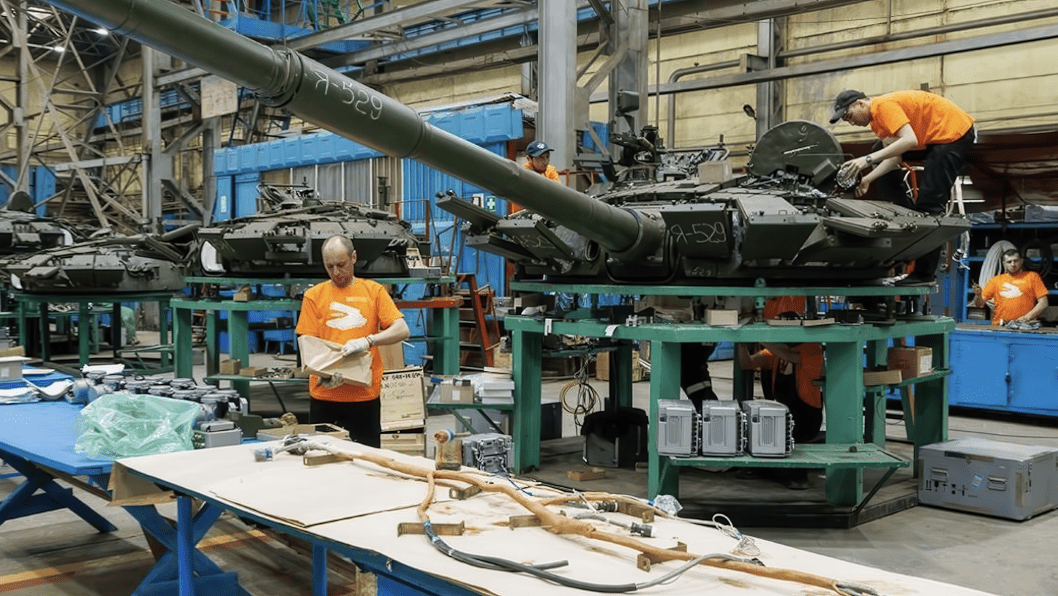
The Tomsk region has integrated veterans of Russia's full-scale invasion of Ukraine to assist law enforcement.
The nationwide fuel deficit intensified following a series of long-range Ukrainian drone strikes targeting Russian oil refineries and energy infrastructure. By late June, the resulting disruptions forced regional authorities to restrict fuel purchases.
Beyond limiting transactions to 20–40 liters of gasoline and 80 liters of diesel per vehicle, authorities banned sales into portable canisters. To manage the ongoing queues, some regions have introduced alternative regulation systems, including digital QR codes for purchases and alternating fueling days based on whether the first digit of a vehicle’s license plate is odd or even.
Following disruptions at major refineries, fuel is being redirected toward Moscow, major industrial hubs, military logistics priorities, and other strategic regions. As a result, remote areas are increasingly supplied on a residual basis, contributing to the widening spread of shortages.
Belarus has also increased emergency fuel exports to Russia. In May, gasoline deliveries rose by 11% to 57,000 tonnes, diesel shipments increased by 23% to 50,000 tonnes, and more than 5,000 tonnes of aviation fuel were additionally supplied.
Discuss this article:


-72b63a4e0c8c475ad81fe3eed3f63729.jpeg "Photo of Cyril Barabaltchouk")