- Category
- War in Ukraine
Ukraine Is Taking the War to Russia’s Logistics Network
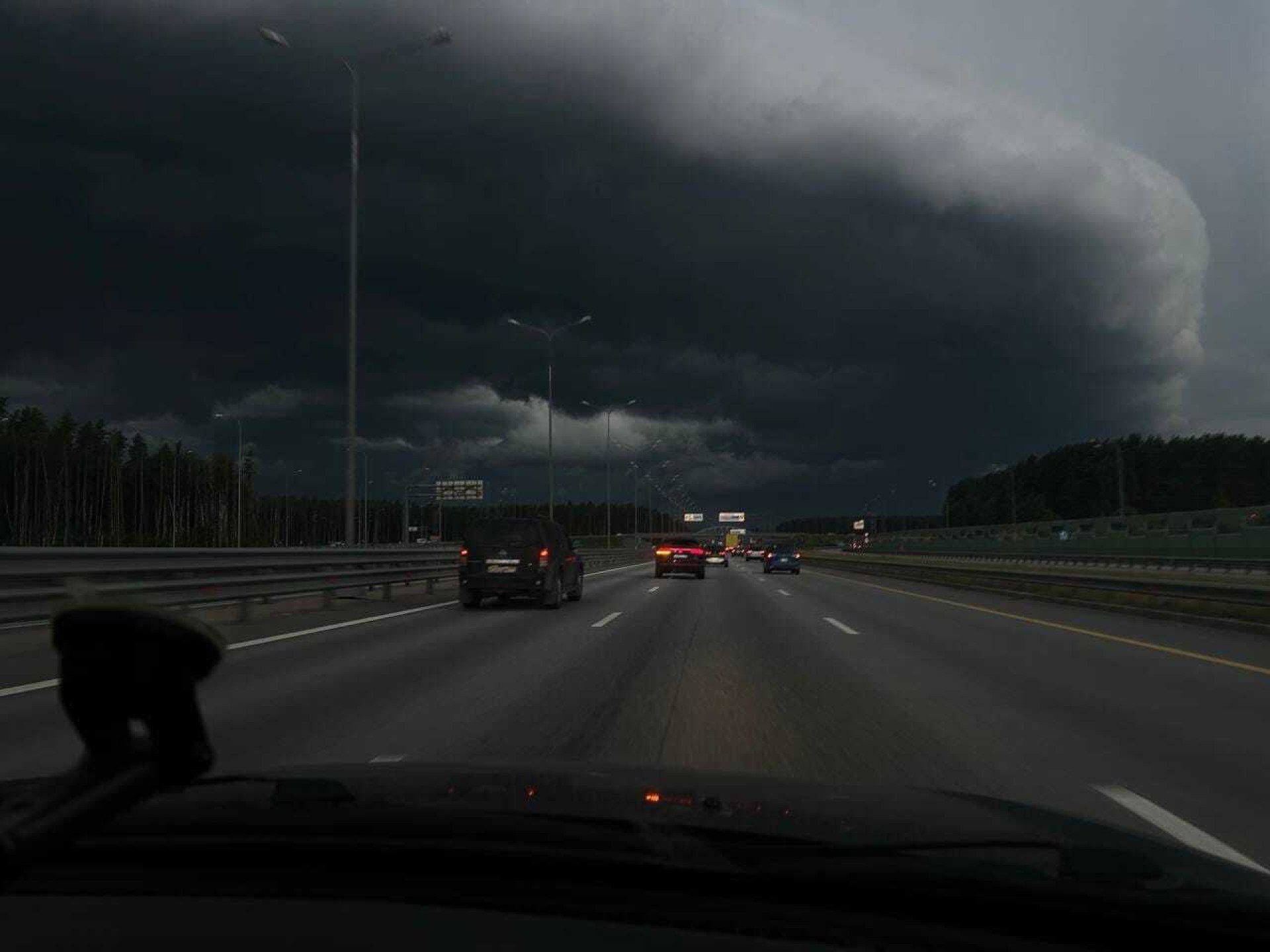
As Ukraine expands its long-range strike campaign, it is increasingly targeting Russia’s logistics network. Recent attacks, including on Wildberries hubs, are aimed at disrupting the systems that keep Russia’s military supplied despite Western sanctions.
 Prefer U24 Media on Google
- Authors

-605be766de04ba3d21b67fb76a76786a.jpg "Joseph Place")
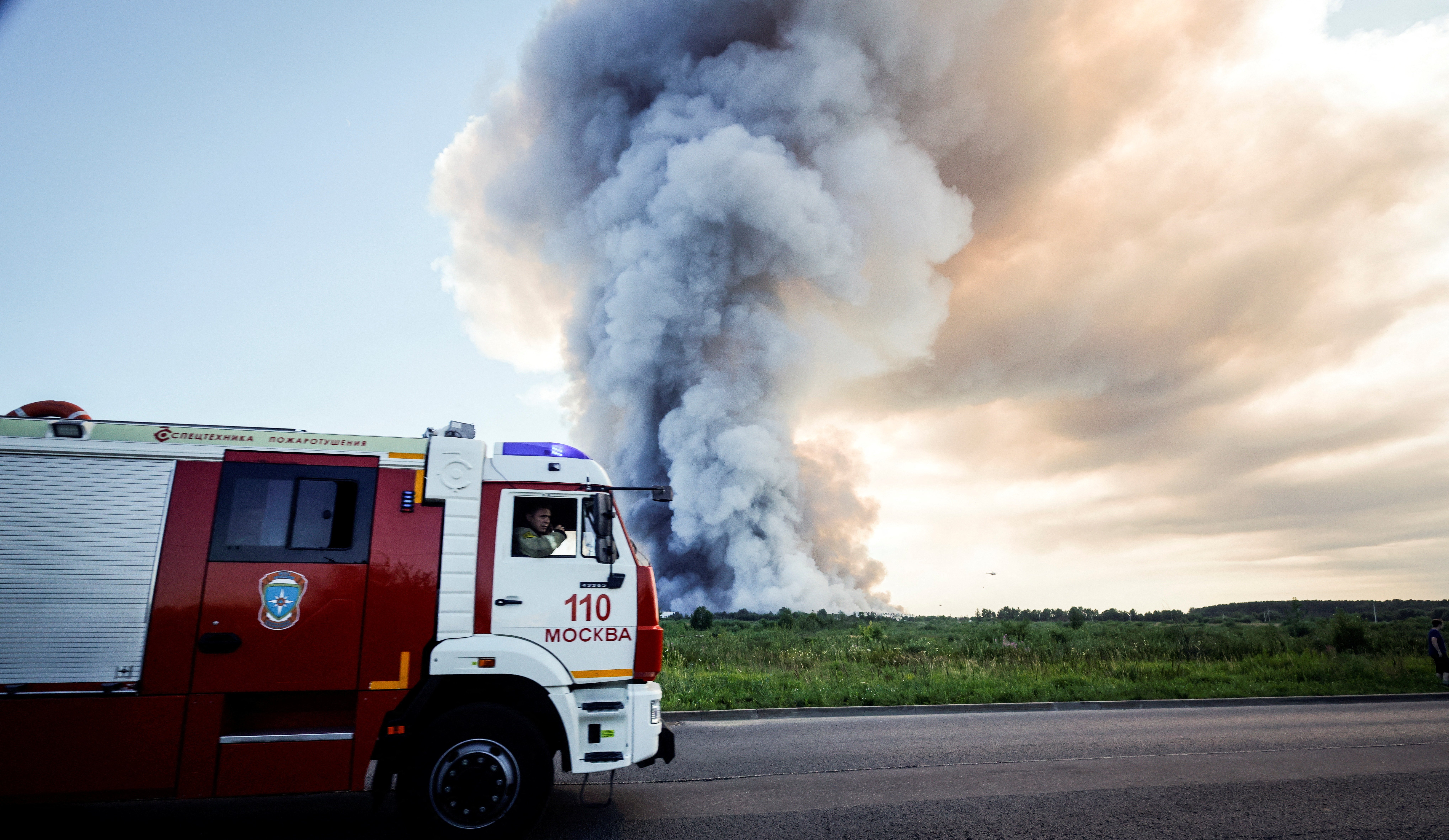
Ukrainian long-range drones struck two major facilities in the Moscow and Tambov regions on July 18, located more than 500 and nearly 700 kilometers from the front line, respectively. This included the Wildberries logistics center in Elektrostal. Just two days later, on July 20, over 400 Ukrainian strike drones reportedly targeted an oil depot and four major logistics facilities near Moscow. Multiple Russian ships were also hit overnight. Again on July 22, Ukraine hit two more Wildberries logistics centers.
“Our long-range sanctions have produced results against logistics facilities and an oil depot,” said Ukrainian President Volodymyr Zelenskyy, “This war must be brought to an end, and that is only possible by increasing the pressure on the sole cause of this war—Russia.”
The latest strikes are part of an expanding campaign against Russia’s logistical infrastructure, targeting the networks that supply, fuel, and sustain Russia’s war effort.
Russian shipping has been devastated in the Sea of Azov, with shipping traffic through the Kerch Strait reportedly down by 75%. Many ships are not taking the route, and many that do are hit by Ukrainian drones. This harms Russia’s ability to operate its Shadow Fleet, which illegally transports fuel and weapons.
Ukrainian forces also have struck 176 vessels in the Black Sea and Sea of Azov between July 6 and July 19, Robert “Magyar” Brovdi, head of the Unmanned Systems Forces, reported. Ukraine also destroyed five Russian ferries—Lavrentiy, Panagiya, Eysk, Maria, and SKS-One—between July 6 and 19, responsible for around 80% of military transportation from the port of Kavkaz, Krasnodar Krai, to occupied Crimea.
-b186dfce1e9af34d1717250b460518a0.jpg)
Ukraine’s strikes on Crimea have weakened Russia’s control over the peninsula, but also provided support to the Ukrainian army in the southern territories. By making Crimea “an island,” for Russia, Ukraine directly weakens Russian forces on the southern front and cuts it off, as well as forcing the Kremlin to redirect resources.
Why is Ukraine hitting Wildberries logistics centers?
The Wildberries strikes illustrate how Ukraine’s target list has expanded beyond conventional military facilities. On July 20 and 22, Ukrainian drones reportedly struck several major logistics hubs around Moscow, including Wildberries warehouses and distribution centers used by other large Russian retailers.
Several of the facilities rank among the largest logistics complexes serving the Moscow region. Wildberries’ Kolendino sorting center alone covers more than 225,000 square meters, while the strikes also reportedly hit the Yuzhnye Vorota logistics park and the Grivno logistics complex used by Russian e-commerce company Ozon. Together, these sites handle the storage, sorting, and distribution of goods across Russia.
While Wildberries is an online retailer, it has military connections and their logistics centers are crucial nodes in Russia’s supply chain. . "The primary rationale for striking Wildberries' warehouses is to disrupt Russian logistics and the supply of dual-use goods, critical electronics, sanctioned goods, and the like to the Russian army and Russian arms manufacturers," Serhii Kuzan, chairman of the Ukrainian Security and Cooperation Centre, told the BBC.
In fact, you can see military goods and parts for fiber optic drones on their website.
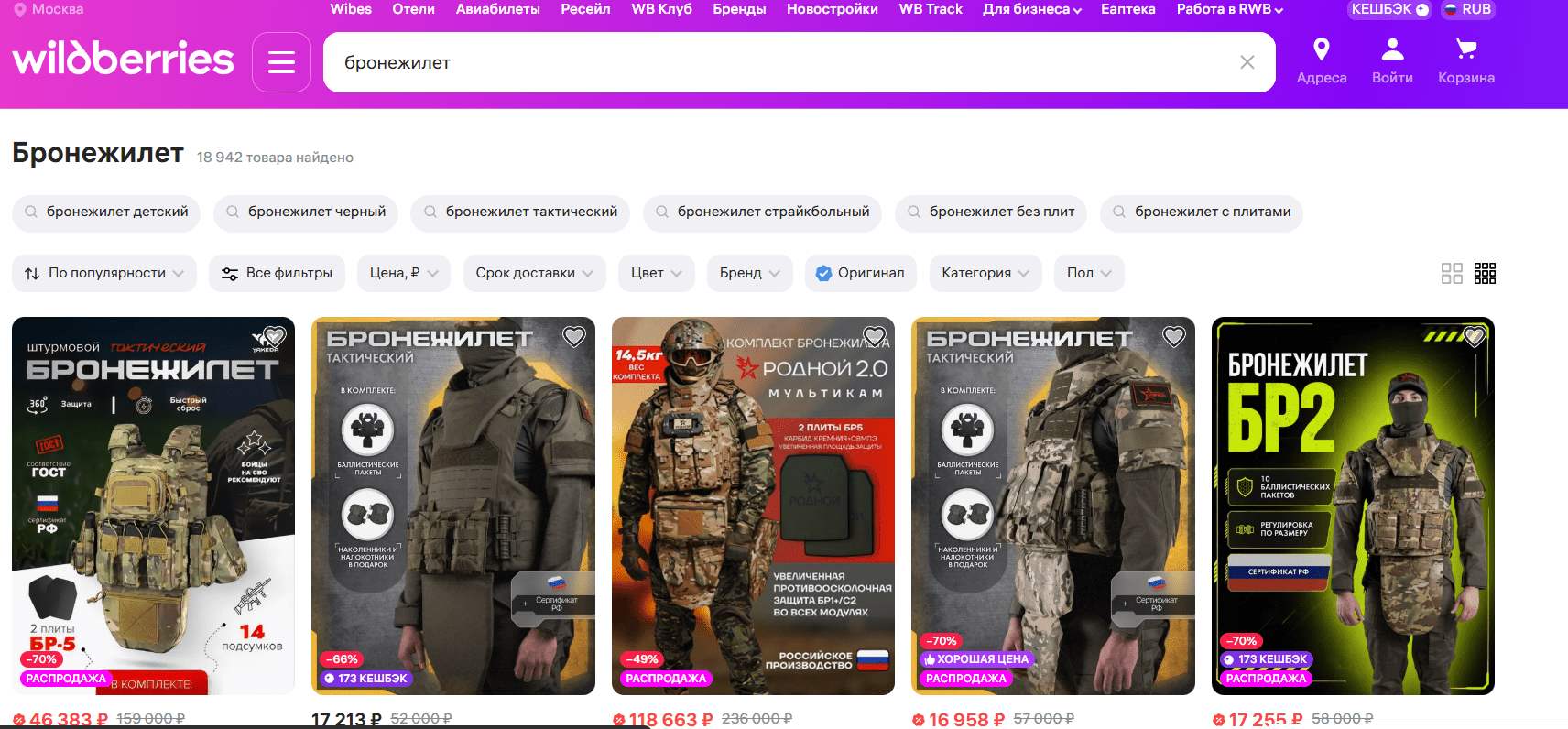
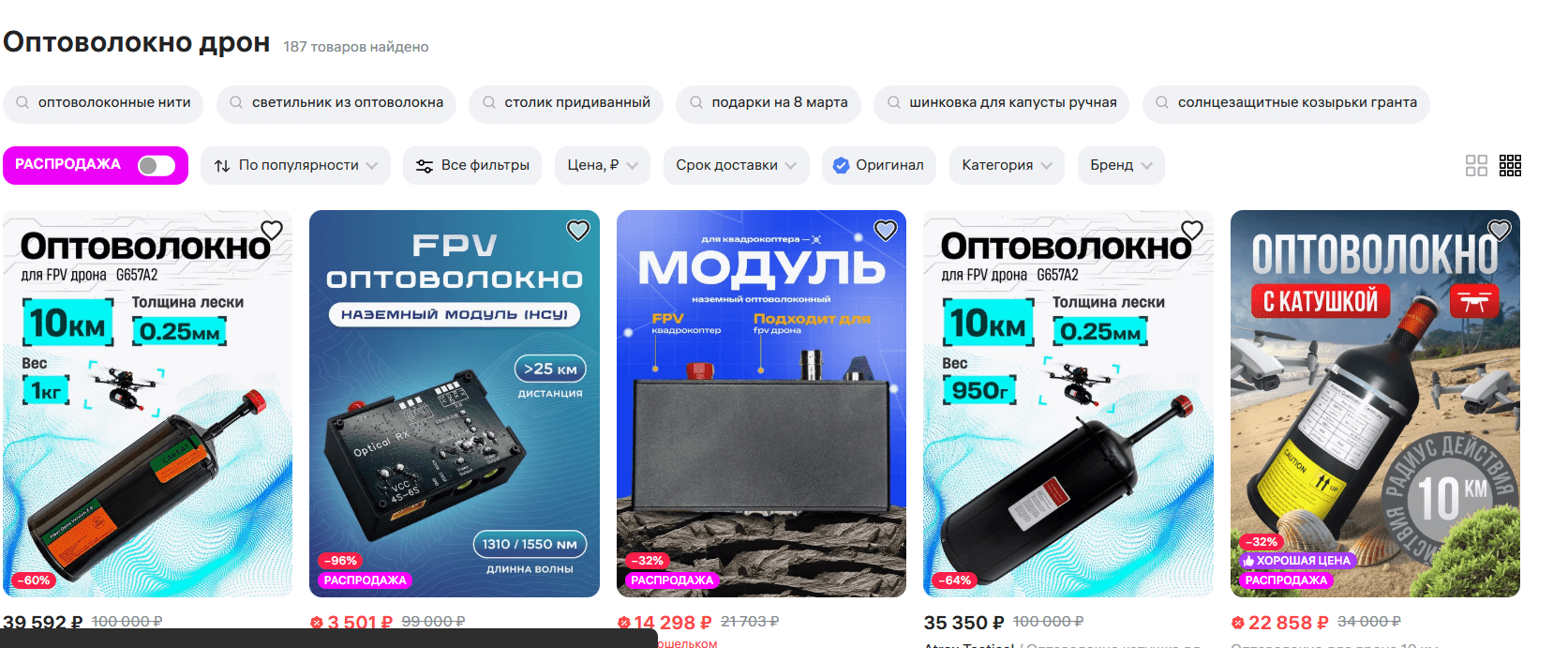
By international law, factories and warehouses, even if primarily a civilian one, are legitimate targets if there is any military use and their destruction helps resist the aggressor state.
What is the potential impact?
As of July 2026, Ukraine has stepped up its drone strike capabilities. The types of sites Ukraine targeted are part of the chain that provides the Russian armed forces with components, weapons, fuel, and drones. Fuel, especially, is a crucial resource for the military, and with the growing shortages as a result of Ukraine’s drone strikes, sanctions, and Russia’s growing economic problems, it is increasingly becoming scarce. Russia has even resorted to asking Kazakhstan for oil. These impacts will only increase over time.
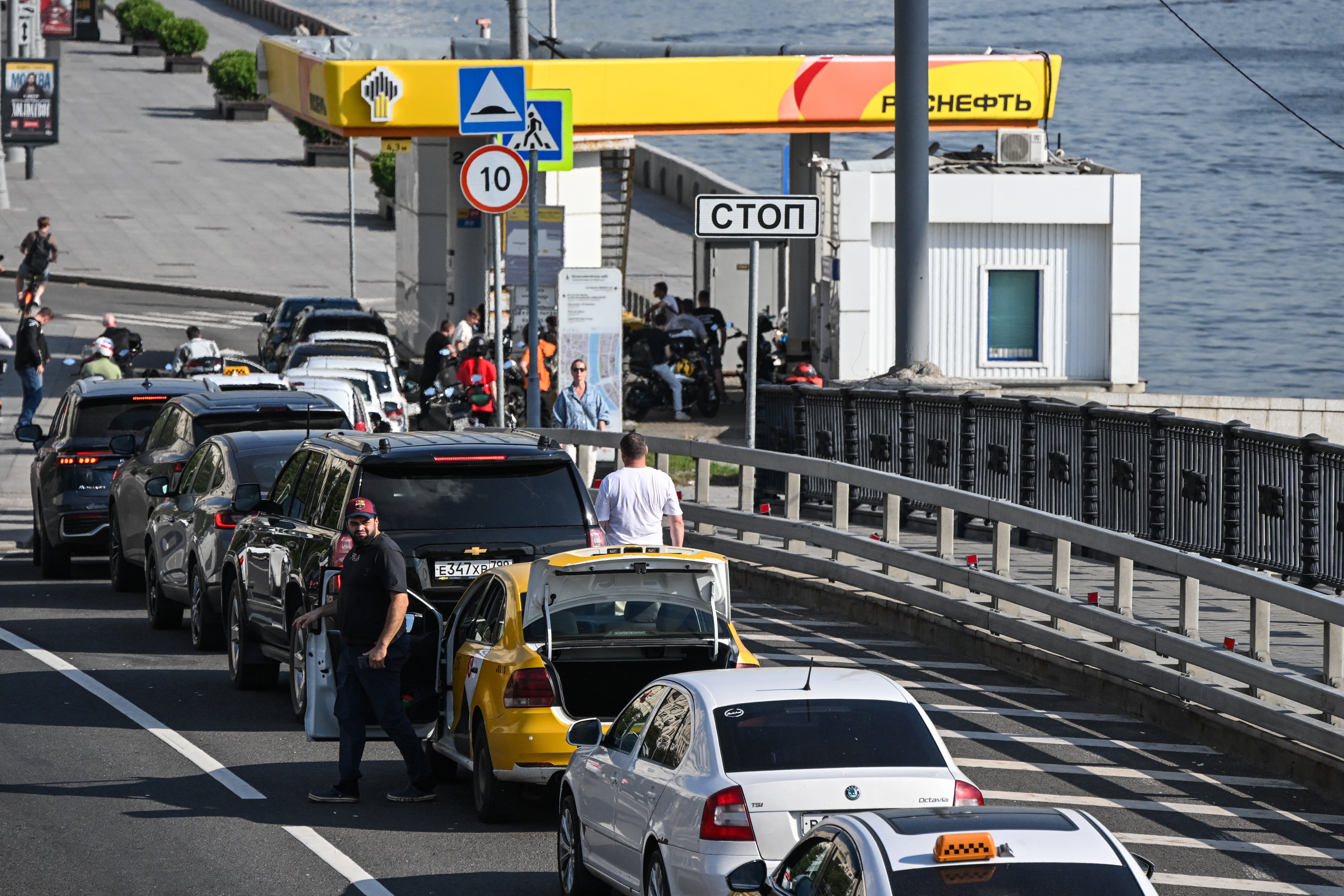
The US-based think tank, the Institute for the Study of War, predicts that “Ukraine’s strike campaigns against Russian petrochemical infrastructure and logistics will likely continue to degrade Russia’s struggling wartime economy and have growing consequences on Russia’s frontline operations in the future.”
By hitting factories, oil facilities, and logistics centers, Ukraine is increasing the economic cost of the war for Russia. There are massive, widespread fuel shortages across Russia, and petrochemical revenue is declining; for example, diesel exports are being banned. In addition, businesses are facing stagflation: decreased business activity and increased inflation, as reported by Russia’s Central Bank. The strikes are also making the conflict more visible inside the country, with Russians increasingly complaining about fuel shortages, drone attacks, and disruptions to daily life.
Modern armies rely on logistics to function. If their ability to rearm and refuel is crippled, it may be unable to maintain their presence and be forced to withdraw in certain areas. Further offensive capabilities may be significantly reduced. Every warehouse, fuel depot, logistics hub, bridge, and transport route that is destroyed makes it more difficult for Russia to sustain offensive operations, increasing pressure on the Kremlin to negotiate.
Discuss this article:
-4a56a6b482ec132402c16ef6fcabf9a2.png)


-80134f2dc17b4a887d01513a1c7bc929.png "Illustration of Russian military infrastructure targeted by Ukrainian strikes in temporarily occupied eastern Ukraine. (Source: General Staff of the Armed Forces of Ukraine)")