- Category
- World
Russia Turns to Kazakhstan for Gasoline as Refining Output Falls Amid Supply Strain
 Prefer U24 Media on Google
- Authors

-c439b7bd9030ecf9d5a4287dc361ba31.jpg "Photo of Katherina Popilnichenko")
Russia is conducting negotiations with Kazakhstan to import approximately 50,000 metric tons of AI-92 gasoline to mitigate a domestic deficit caused by refinery downtime and unplanned maintenance.
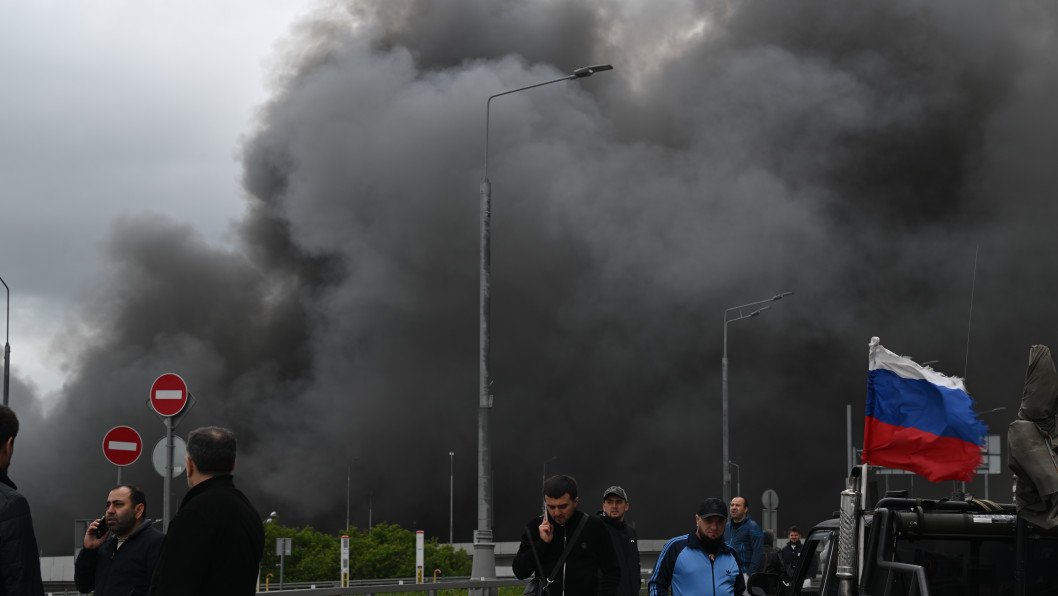
By late June, shutdowns at several large refineries in central Russia following Ukrainian drone strikes reduced gasoline production by about 25% year-on-year, according to Reuters on June 24.
We bring you stories from the ground. Your support keeps our team in the field.
The Russian Ministry of Energy did not comment on the situation. Kazakhstan Energy Minister Erlan Akkenzhenov previously stated that Astana had not received an official request from Moscow for gasoline supplies.
The Russian government is considering measures to stabilize the market, including fuel export restrictions, increased subsidies for refineries, and imports, which is an unusual step for one of the world's largest fuel exporters.
Moscow allowed refineries this month to produce gasoline and diesel fuel with lower quality specifications for the domestic market. Russia also plans to import gasoline by sea, which underscores the seriousness of these disruptions.
Kazakhstan is a minor fuel producer compared with Russia, and sources report that supplies are unlikely to be significant. According to sources, Kazakhstan currently has a gasoline surplus, but maintenance at the Atyrau refinery from June 26 to July 20 will reduce available stocks.
However, on June 12, TANECO, which belongs to the Russian company Tatneft, completely stopped crude oil processing after a drone strike, potentially limiting raw materials for Kondensat.
Gasoline supplies to Russia could be possible in exchange for Russian aviation fuel. Kazakhstan will face an aviation fuel deficit in July due to growing demand, maintenance in Atyrau, and decreased imports from Russia, industry sources said.
Russia, Kazakhstan, Belarus, Kyrgyzstan, and Armenia are members of the Eurasian Economic Union, which allows duty-free supplies of hydrocarbons and establishes annual indicative balances for fuel trade.
The reliance on imports follows widespread fuel-sale restrictions implemented across multiple Russian administrative regions, including the primary oil-producing Khanty-Mansi Autonomous Okrug.
Local authorities and regional governors introduced strict caps on gasoline and diesel sales—limiting dispensations to as little as 40 liters per vehicle—to prevent panic buying and artificial speculation. Border regions additionally banned the refueling of portable containers. Officials openly attributing the localized supply disruptions to the persistent threat of drone strikes against regional delivery networks.
Discuss this article: