- Category
- World
EU Ranked Fourth Largest Buyer of Russian Fossil Fuels in May, Spending €2.3 Billion
 Prefer U24 Media on Google
- Authors

-c439b7bd9030ecf9d5a4287dc361ba31.jpg "Photo of Katherina Popilnichenko")
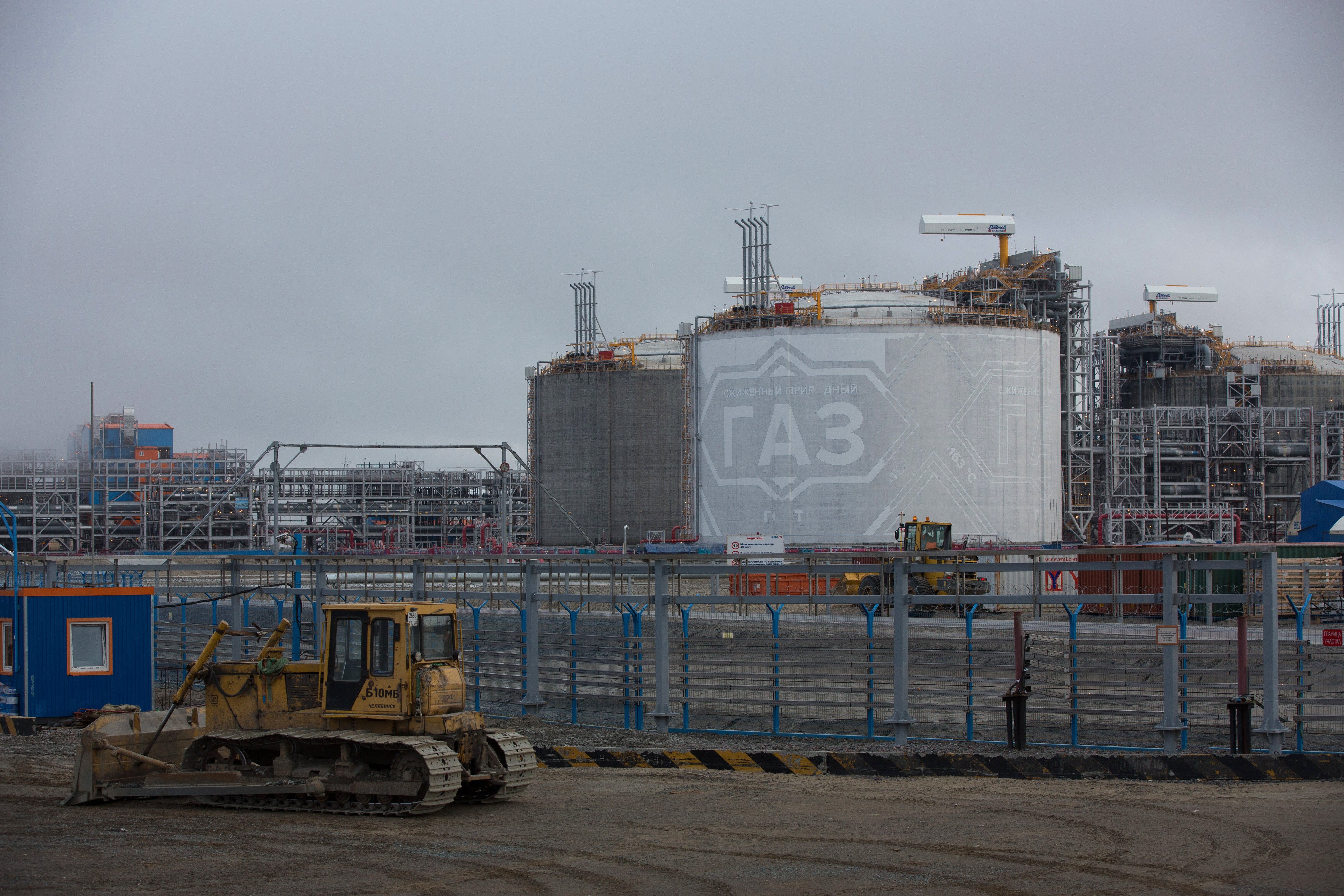
The European Union ranked as the fourth largest buyer of Russian fossil fuels in May 2026, spending €2.3 billion ($2.62 billion) and accounting for approximately 12% of Moscow's export revenues from its top five consumers, as reported by Espreso on June 23.
We bring you stories from the ground. Your support keeps our team in the field.
According to the monthly analysis by the Center for Research on Energy and Clean Air (CREA), Hungary led European imports by purchasing €674 million ($767 million) worth of Russian gas and oil, followed closely by Slovakia at €497 million ($566 million), which included €121 million ($138 million) in piped gas and €376 million ($428 million) in crude oil.
Both nations have received Russian crude since April 23, 2026, through the Druzhba pipeline traversing Ukraine, which contributed to a 22% month-on-month increase in Russian pipeline crude exports for May.
Spain emerged as the third largest European buyer, importing exclusively liquefied natural gas (LNG). Despite an EU ban on purchasing Russian LNG under short-term contracts taking effect on April 25, 2026, the bloc saw a 4% monthly increase in Russian LNG imports due to Spain doubling its intake from Russia.
France and Belgium experienced drops in their Russian LNG consumption during the same period, with France importing €253 million ($288 million), a 29% decrease from April, and Belgium reducing its purchases by 31% to €252 million ($287 million).
-c60f46d8ce0c58f6204f6378faee07e9.jpg)
"Surprisingly, in May 2026, the EU increased imports of Russian LNG by 4% compared to the previous month after the EU ban on purchasing Russian LNG under short-term contracts entered into force on April 25, 2026. The increase was primarily driven by Spain doubling its imports from Russia. This highlights the importance of strict control and transparency to prevent the disruption of the gradual phase-out of gas through continued purchases under old contracts," CREA notes.
The report also highlighted compliance gaps regarding the EU embargo on petroleum products derived from Russian crude oil, which was implemented on January 21, 2026.
In May, ten shipments of high-risk petroleum products processed from Russian oil at Turkish and Georgian refineries were unloaded at EU ports. Cyprus received three of these shipments, Spain took two, while Bulgaria, Croatia, France, Ireland, and Italy each accepted one cargo.
"Law enforcement agencies of EU member states must conduct investigations into shipments of petroleum products imported from refineries that process Russian crude oil to prevent molecules of Russian oil from entering the EU, as this would violate the recently introduced EU ban," CREA points out.
On January 26, 2026, the European Union agreed to phase out Russian LNG, implementing a ban on short-term contracts that took effect on April 25, 2026, while setting a deadline for long-term contracts for January 1, 2027.
This decision directly threatened a vital source of funding for the Kremlin’s full-scale invasion of Ukraine, as Russia had earned approximately €7.4 billion ($8.67 billion) from LNG exports to the EU in 2025 alone.
Despite upcoming restrictions, Russian LNG supply volumes to the EU had actually increased by 17% year-over-year in the first quarter of 2026, with March exports reaching 1.7 million tons compared to 1.4 million tons the previous year. To mitigate these losses, Russia attempted to redirect its supplies to Asian markets, though this pivot required additional transport costs and forced Moscow to face steep discount demands of 30% to 40% from countries like China.
Discuss this article:






-111f0e5095e02c02446ffed57bfb0ab1.jpeg "Photo of Roman Kohanets")