- Category
- Anti-Fake
Russia Infiltrates AI and Search Engines With Massive Fabricated News Network, Leaks Show
 Prefer U24 Media on Google
- Authors


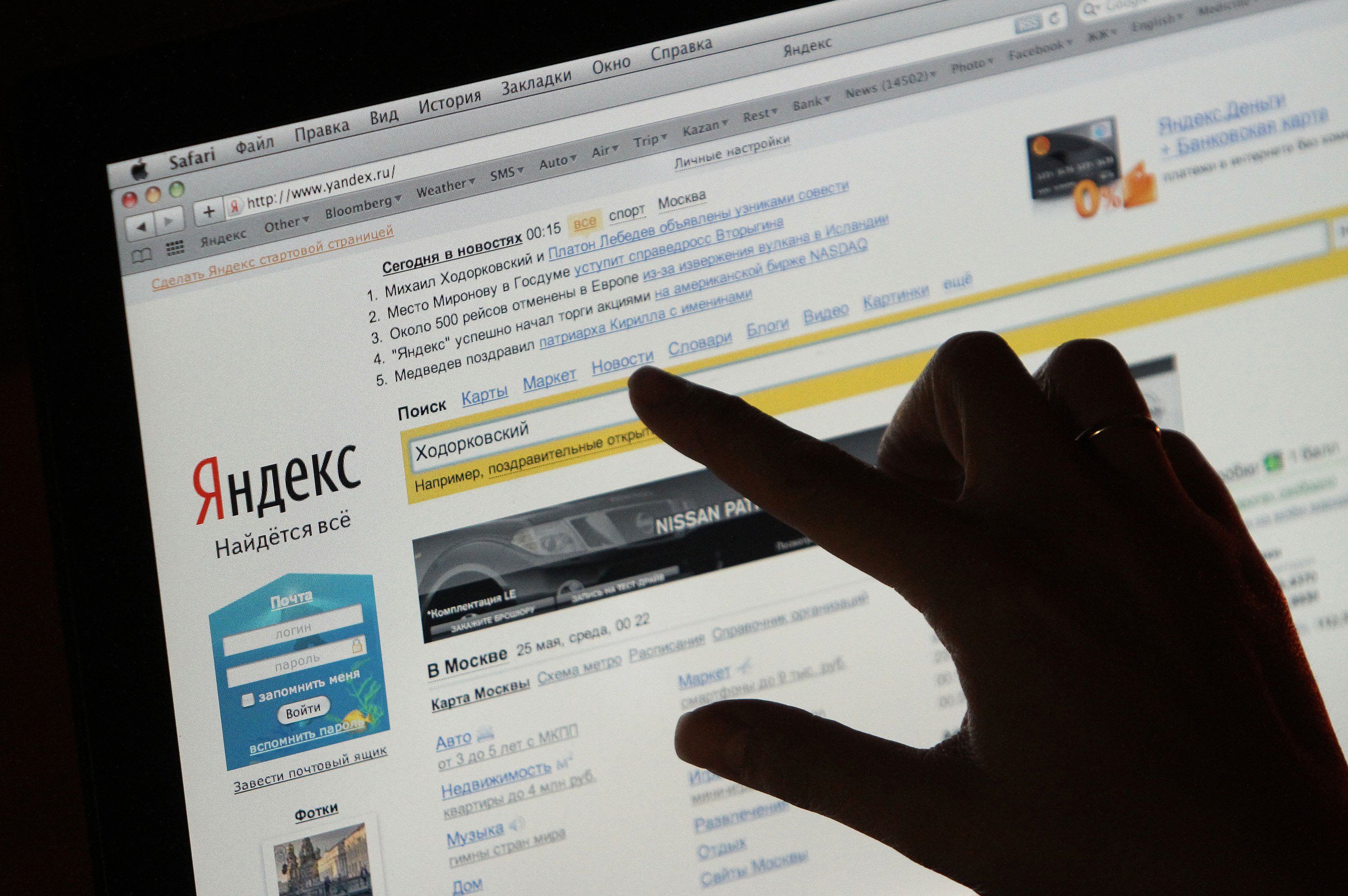
Leaked internal documents have revealed an alleged Russian campaign to manipulate artificial intelligence systems and search engine results by creating fake reference websites, imitation news outlets, and fabricated analytical centers designed to amplify Kremlin narratives, Bloomberg reported on June 23.
According to the report, the documents originate from Russia's Social Design Agency (SDA), an organization previously linked to multiple Kremlin-backed disinformation campaigns.
We bring you stories from the ground. Your support keeps our team in the field.
The documents suggest that Russian information operations have shifted away from primarily targeting social media users toward influencing the information sources used by search engines and large language models that power AI chatbots.
“Their approach is to try to break search engines by flooding the zone with content that cross-references their content or their narratives,” said Kateryna Sedova, a visiting senior fellow at the Atlantic Council's Eurasia Center and former US State Department official specializing in technology and national security. “This will be their indirect way of breaking into popular chatbots and search engines.”
One proposal outlined plans to create a Wikipedia-style website focused on Armenia ahead of the country's parliamentary elections. According to Bloomberg, the platform would publish fabricated information accusing Armenian Prime Minister Nikol Pashinyan of criminal activity. Editors were reportedly instructed to monitor the most-visited pages and insert false information through hyperlinks and information boxes.
Bloomberg said it identified three websites—spyurk[.]cyou, sevan[.]info, and khachkar[.]info—that contained modified Russian-language copies of Wikipedia articles about Armenia. The documents indicated that the Armenia project was intended to be managed from Turkey.

Another project described in the leaked files focused on Germany. A document stated that approximately 200,000 webpages had already been created as part of the campaign. The plan called for editing 100 articles per month to improve their visibility in search engines while “training” six artificial intelligence platforms each month using the modified content.
The documents also describe efforts to establish fictitious think tanks that would publish content tailored to support Kremlin narratives. Bloomberg cited one example, the “World Center for Strategic Studies,” whose website republishes rewritten articles from reputable publications while altering their conclusions.
One article titled European Energy Powers Drift Apart as Industrial Crisis Deepens summarized a report by the French Institute of International Relations but added claims that Europe was facing a severe political and economic crisis.

At the same time, Russia’s pro-Kremlin religious establishment has urged the development of an “Orthodox” artificial intelligence system based on what it describes as traditional spiritual values, arguing that dependence on Western AI technologies carries ideological risks.
The idea was put forward by representatives of the World Russian People’s Council, an organization closely associated with the Russian Orthodox Church. Deputy chairman Mikhail Ivanov warned that Western-developed AI models, trained on “alien values,” could distort meaning and introduce unwanted ideas into Russia’s information environment.
Russia, he said, should build its own AI system guided by clear moral and spiritual principles. “This is not about replacing a pastor or automating faith. It should be a safe guide to verified sources of knowledge,” Ivanov said, adding that the system should be strictly based on the doctrines of the Russian Orthodox Church, according to The Moscow Times.
Discuss this article:

-c439b7bd9030ecf9d5a4287dc361ba31.jpg "Photo of Katherina Popilnichenko")


-206008aed5f329e86c52788e3e423f23.jpg "Photo of Oleksandr Moiseienko")
-72b63a4e0c8c475ad81fe3eed3f63729.jpeg "Photo of Cyril Barabaltchouk")