- Category
- Latest news
Putin’s New Orders Could Reshape Russian Internet: Here’s What’s Next
 Prefer U24 Media on Google
- Authors


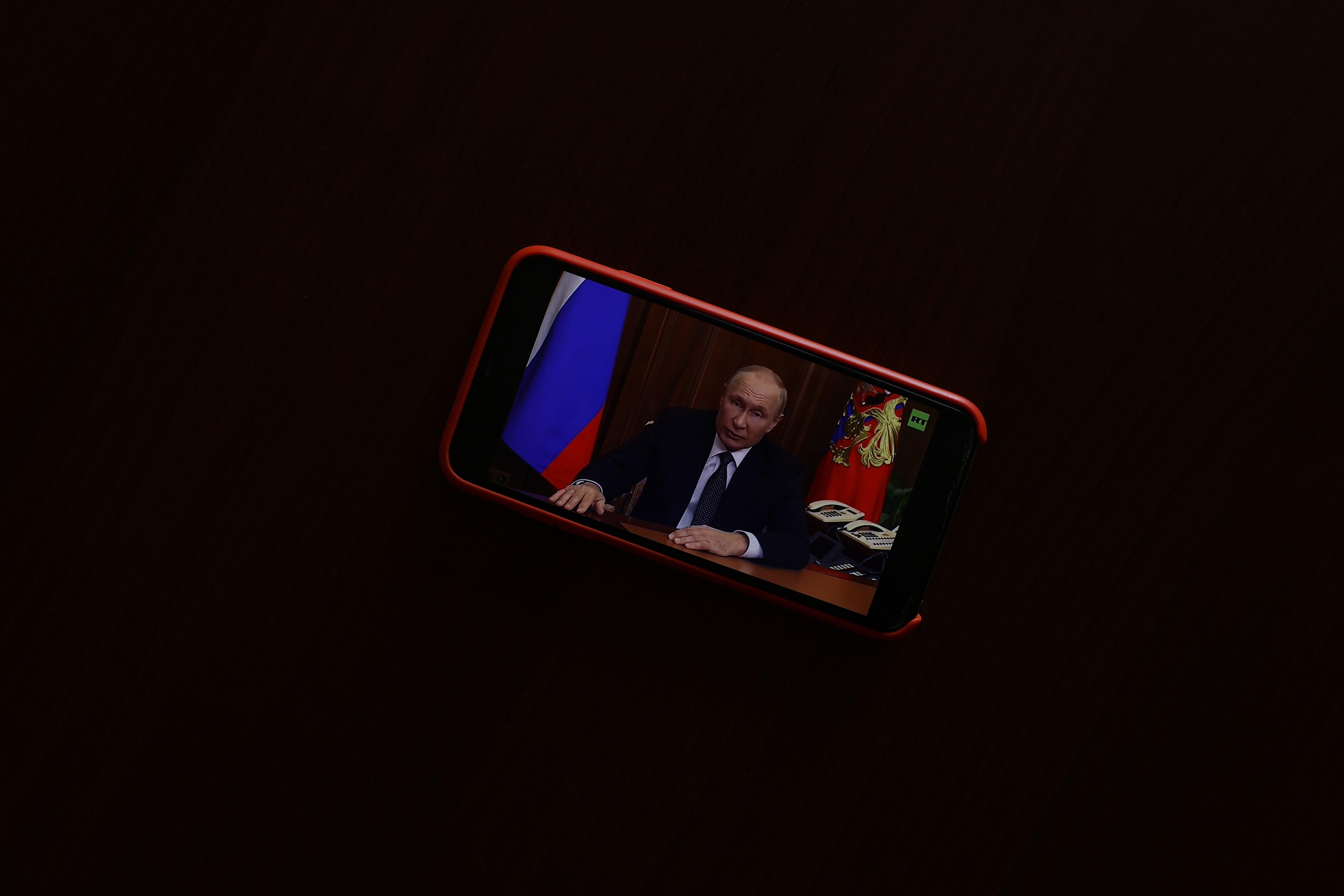
On July 17, Russian leader Vladimir Putin instructed his government to propose new restrictions on software from so-called “unfriendly” countries. This directive is outlined in the list of orders from the head of state, published on the official Kremlin website.
The move comes after a meeting with business leaders in late May, during which Putin emphasized the need to reduce reliance on foreign tech platforms such as Zoom and Microsoft, claiming they limit the development of Russia’s domestic IT sector. The Ministry of Digital Development confirmed its readiness to act, stating: “He gave the order—we will act.”
Following this directive, Deputy Chairman of the State Duma Committee on Information Policy Anton Gorelkin warned that WhatsApp—owned by Meta, which is designated as an extremist organization in Russia—may soon be banned. He also suggested that VK’s domestic messaging platform, Max, could take WhatsApp’s place in the Russian market.
At the same time, reports emerged that Telegram might be preparing to establish an official legal presence in Russia. A listing in Roskomnadzor’s registry indicates that the platform may have initiated the process of creating a local entity—a step required under Russia’s so-called “landing law” for foreign tech companies. The status of this application is marked “under review,” and it remains unclear whether a formal filing was made.
Telegram founder Pavel Durov responded to the speculation by reposting an earlier statement:
“Perhaps what we’re dealing with is not innocent media errors, but a coordinated campaign to discredit Telegram”—adding simply, “100%.”
Sources close to both the company and the Russian government told The Bell they are not aware of any active plans to open a local office. Roskomnadzor also confirmed that it had received no official confirmation from Telegram.
This is not the first time Telegram has been at odds with Russian authorities. In 2018, the government attempted to block the app after it refused to hand over encryption keys to security services. The ban proved largely ineffective. By 2020, the block was lifted, with officials claiming Telegram had shown readiness to “counter terrorism and extremism.”
Telegram’s legal and operational status remains murky. The platform is registered in the British Virgin Islands—a UK overseas territory now labeled “unfriendly” by Moscow—while its operational headquarters are in the United Arab Emirates, which is not. Gorelkin acknowledged this gray area and said Telegram would likely not be banned “especially if it continues to comply with Russian laws and demonstrates interest in remaining on the market.”
Telegram has already fulfilled two of the three requirements under the landing law: it has registered a feedback form for users and created an official account on the Roskomnadzor portal. Just a year earlier, none of these steps had been taken.
Meanwhile, WhatsApp remains the most widely used messenger in Russia, reaching 78–79% of the population monthly, according to Mediascope. Telegram closely follows, with a growing share of 70–73.5%. Other leading digital services in Russia include VKontakte, Yandex, and Google.
The developments around Telegram are part of a broader, years-long trend of growing internet restrictions in Russia:
2016: Russia blocks LinkedIn, the world’s largest social network for professional connections, citing violations of data localization laws;
2018: Authorities attempt to block Telegram for refusing to provide encryption keys. The Telegram block is lifted after officials cite its cooperation against extremism.
2021: State regulator Roskomnadzor targets the Tor browser and launches the first wave of VPN service restrictions, marking a broader assault on online anonymity tools.
2022: Facebook and Instagram are officially banned. Twitter, previously throttled, is now fully blocked. A growing list of platforms—including Chess.com, Patreon, Google News, and numerous independent Russian news outlets—becomes inaccessible.
2024: Viber, Discord, and Signal are blocked. In certain regions, authorities begin shutting down mobile internet, and WhatsApp and Telegram face sporadic disruptions. YouTube is effectively blocked. The popular fanfiction site Ficbook becomes inaccessible.
2025: Websites using Cloudflare, often relied on to bypass censorship, begin to fail. Internet shutdowns, both mobile and wired, become common in many parts of the country.
Earlier, it was reported that Russia is flooding Telegram channels with fake comments to manipulate public opinion in Ukraine’s occupied territories, according to a new investigation by OpenMinds and the Digital Forensic Research Lab.
Discuss this article: