- Category
- War in Ukraine
Crimea Is Becoming a “Cauldron” For Russian Forces as Moscow Loses Control of Supply Lines
 Prefer U24 Media on Google
- Authors


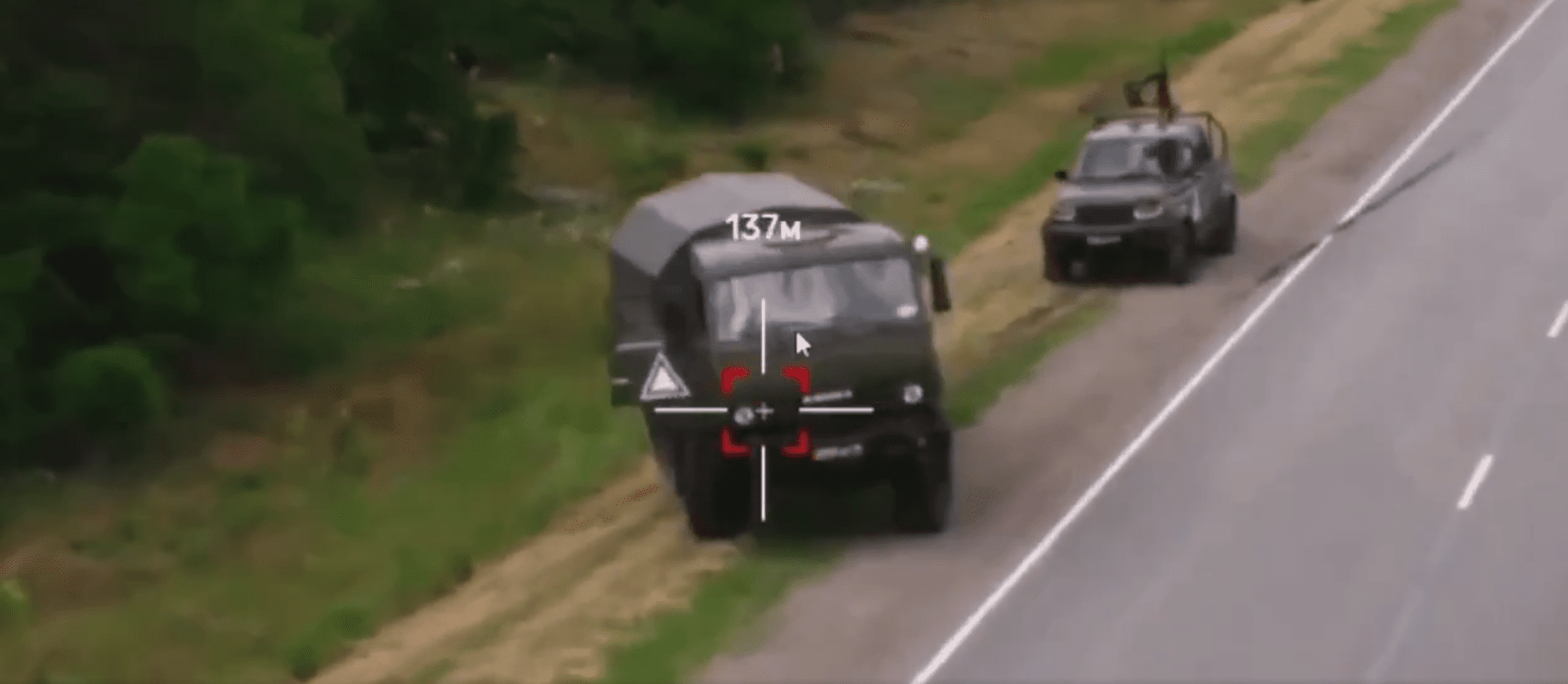
Russian-occupied Crimea is gradually turning into a trap for Russian forces, and a full disruption of logistics could leave Moscow’s military grouping on the peninsula isolated without fuel, ammunition, or electricity, Eskender Bariiev, head of the Crimean Tatar Resource Center and a member of the Mejlis of the Crimean Tatar people , told RBC-Ukraine on June 23.
According to Bariiev, Crimea’s geography, combined with successful Ukrainian strikes, is making the peninsula increasingly dangerous for Russian forces.
We bring you stories from the ground. Your support keeps our team in the field.
“Crimea has already become a natural cauldron. If logistics are completely cut off, then these troops, whose numbers have been increased on the territory of Crimea, will end up in a cauldron. And without fuel, without electricity supply, they will not be able to carry out their military tasks,” Bariiev said.
He added that under such conditions, maintaining control over the peninsula would become extremely difficult for Russia.
The pressure is not limited to fuel. According to Bariiev, the power situation in occupied Crimea has also worsened sharply as energy infrastructure used by Russian forces comes under systematic attack.
Drone operators of Ukraine’s Main Directorate of Intelligence striking Russian logistics along the Melitopol–Dzhankoi highway, a key section of Russia’s land corridor to occupied Crimea. pic.twitter.com/VTI30viaAE
— Special Kherson Cat 🐈🇺🇦 (@bayraktar_1love) June 23, 2026
He said recent strikes hit not only electrical substations, but also gas distribution facilities. The peninsula’s main power plants—the Balaklava plant in Sevastopol and the Tavriiska plant, both built by Russia after 2014 to help power occupied Crimea—run on gas. Any disruption to gas supplies can directly affect electricity generation.
The impact is already being felt beyond military infrastructure.
According to Bariiev, residents are beginning to prepare for a worst-case scenario. Food is still available in stores, but people have started buying up long-lasting goods.
The tourism sector is also taking a hit. More than 58% of Russians have reportedly canceled earlier bookings at Crimean sanatoriums and boarding houses, while others are returning tickets to the peninsula as travel becomes increasingly difficult because of damaged logistics.
-5a748c89a3e69e619f7b7eac8ce541b6.webp)
Bariiev said the collapse of the summer season could deal a serious blow to Crimea’s economy, which heavily depends on subsidies and tourism revenue.
Ukraine has carried out a series of strikes on Russian targets in occupied Crimea over the past week. Targets reportedly included railway bridges, the Hlibivske underground gas storage facility, an oil depot near Kerch, radar stations, and gas compressor stations used to support Russian troops.
Previously, after a strike on a thermal power plant in Kerch, fuel tanks caught fire, while power outages were reported in several cities and districts across the peninsula.
Against the backdrop of the attacks, occupation authorities have tightened restrictions, including reducing the operating hours of public transport, shops, and food service businesses. They have also temporarily limited fuel sales and introduced power outage schedules.
Earlier, reports emerged that Russian forces were evacuating some units from the Kinburn Spit after Ukrainian strikes severely disrupted logistics and supply lines in the area.
Discuss this article:



-29a1a43aba23f9bb779a1ac8b98d2121.jpeg "Photo of Illia Kabachynskyi")

-72b63a4e0c8c475ad81fe3eed3f63729.jpeg "Photo of Cyril Barabaltchouk")
-37d0c4e589b794d453938c254fb3d00d.png "Comoros-flagged tanker KHORYV, Dnipro city, Ukraine, 2021.")