- Category
- War in Ukraine
Russia’s Business Sector Enters First Full-Scale “Demographic Crisis”
 Prefer U24 Media on Google
- Authors


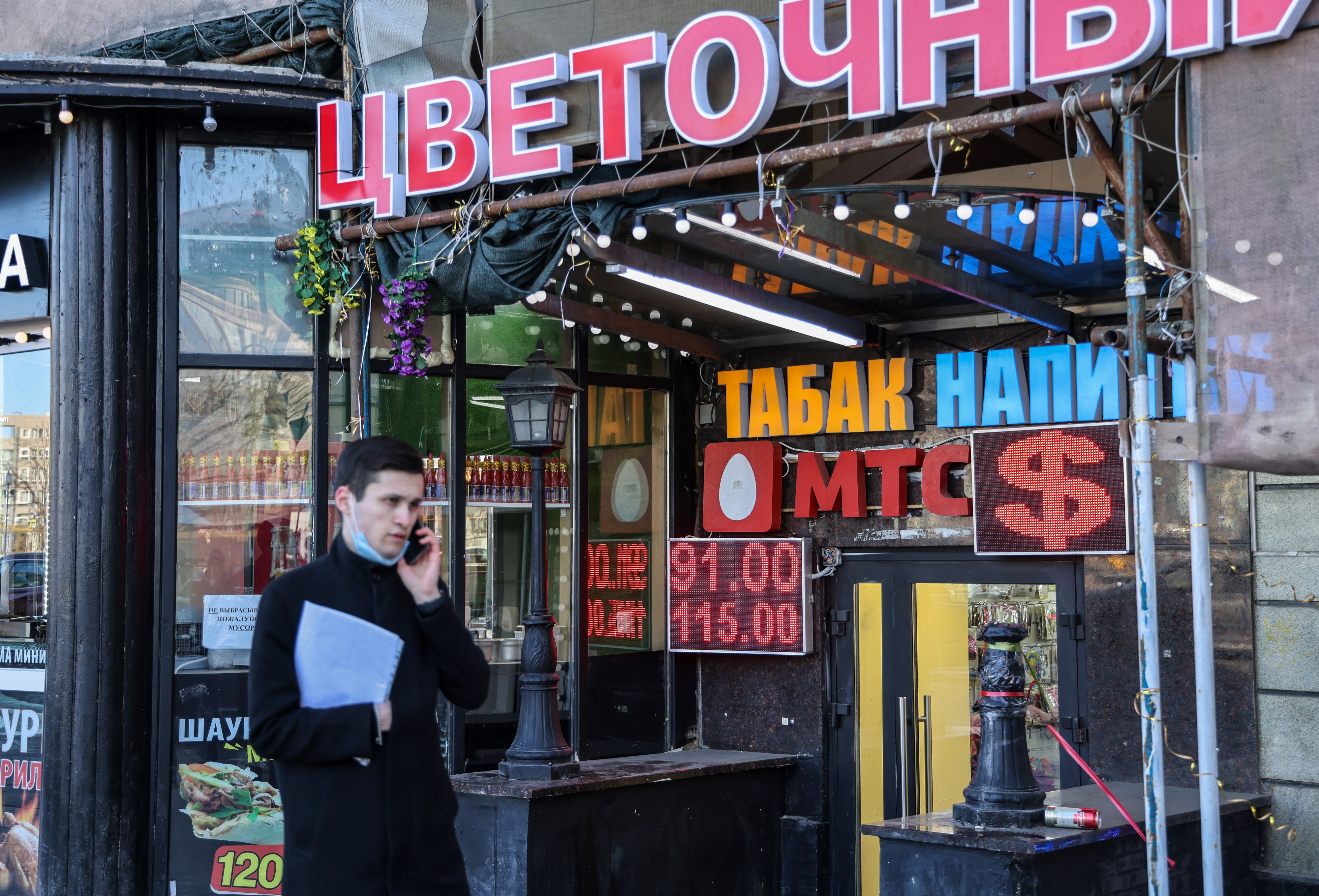
Russian companies are closing at a faster rate while new business registrations have fallen sharply, signaling worsening conditions across the country’s civilian economy.
We bring you stories from the ground. Your support keeps our team in the field.
According to The Moscow Times on August 3, analysts at Sberbank’s Center for Macroeconomic Research reached the conclusion after reviewing ten years of Federal Tax Service data.
In previous years, most company closures involved inactive firms or legal entities removed during government registry cleanups. In 2026, however, closures linked to real business decisions rose from about 5,000 per month to between 12,000 and 15,000.
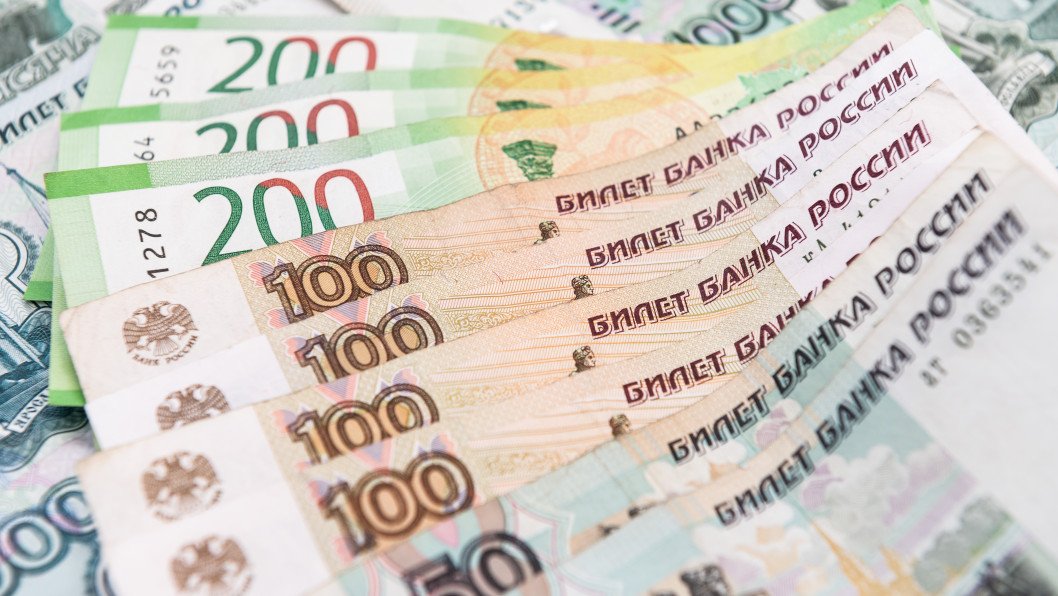
“The growth was driven by reorganization, liquidation outside bankruptcy proceedings and, above all, simplified termination—the voluntary closure of a small or medium-sized legal entity by decision of its founders,” the report said.
At the same time, Russia registered about 62,000 new companies between January and May, down from 80,000 a year earlier. In May, there were 4.3 registrations for every 1,000 active firms, compared with 5.5 closures for economic reasons.
Sberbank analysts said Russian enterprises had entered their first “full-scale demographic crisis.” Retail, construction, and manufacturing were among the hardest-hit sectors.
“The combination of voluntary closures and minimal registration activity means that the demographic gap has for the first time begun to reflect the worsening position of active businesses, rather than another cleanup of the registry,” Sberbank said.
The trend comes as Russia’s economic growth slows, borrowing costs remain high, and businesses face additional tax pressure.
-1986e637f098baf55fd48ad1c9d5e68f.jpg)
According to The Moscow Times, Russia’s GDP growth fell from more than 4% in 2023 and 2024 to around 1% in 2025 and close to zero in 2026. The federal budget deficit reached 5.7 trillion rubles in the first half of the year.
Russia also raised corporate and personal income taxes in 2025 and expanded the value-added tax burden in 2026. The VAT exemption threshold was reduced from 450 million rubles to 60 million and later to 20 million rubles.
Nearly one-third of Russian small businesses have considered closing or selling their operations, The Moscow Times reported.
Earlier, Sberbank warned that Russian banks lacked sufficient ruble liquidity to finance the federal budget deficit through government bond purchases. The warning came after the deficit reached 5.7 trillion rubles ($71.8 billion) in the first half of 2026, driven in part by higher-than-planned military spending.
Discuss this article:
-9a7b3a98ed5c506e0b77a6663f5727c5.png)



-f8b795e6bf1d73fc2fdbfd74f5e7ea96.jpeg "Massive flames and thick black smoke rise from the Omsky Kauchuk chemical plant in Russia following a Ukrainian drone strike on October 24, 2026. (Source: Exilenova+)")