- Category
- World
Russia Turns to Indirect Money Printing as Military Spending Surges
 Prefer U24 Media on Google
- Authors

-c439b7bd9030ecf9d5a4287dc361ba31.jpg "Photo of Katherina Popilnichenko")
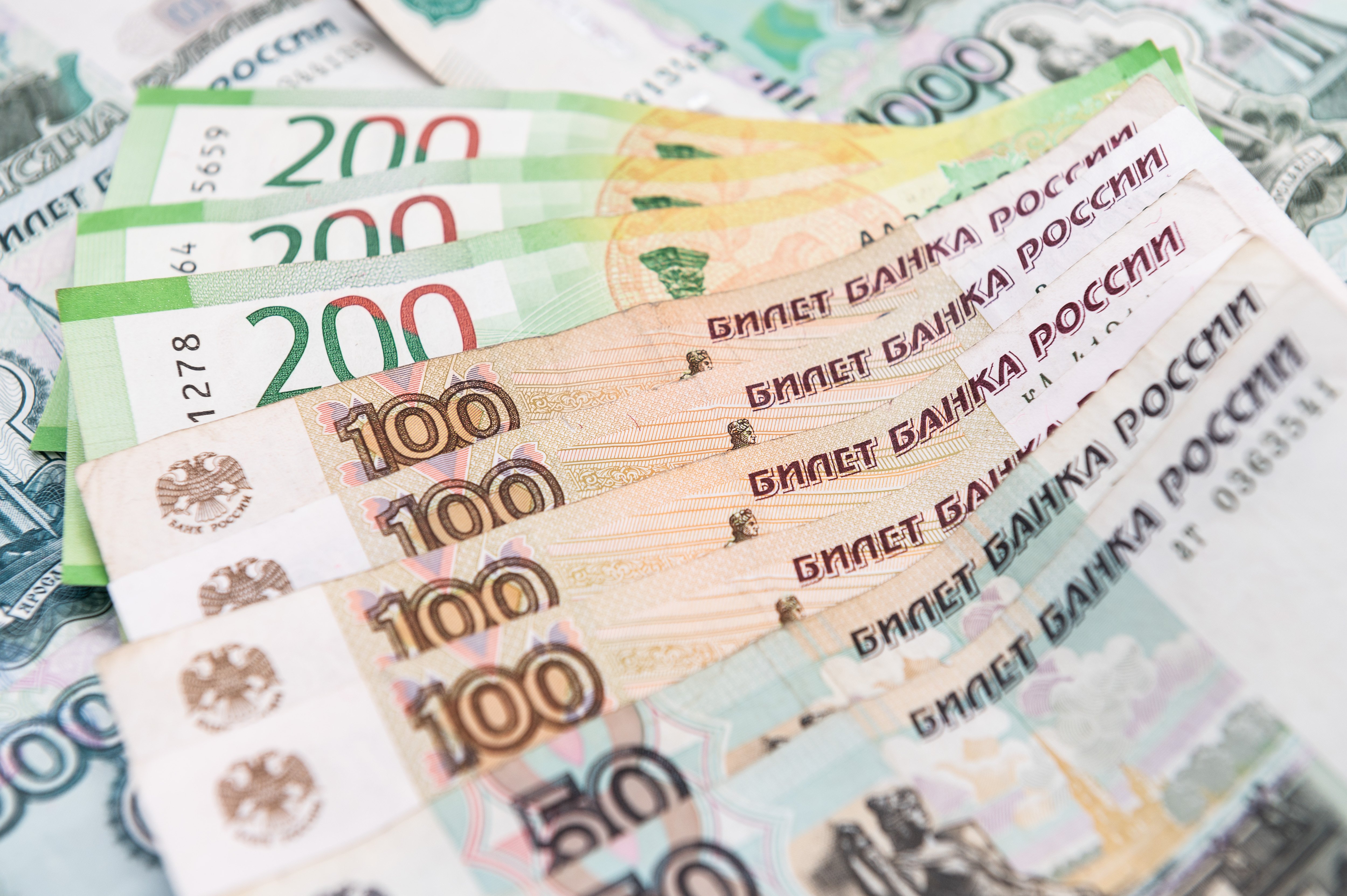
Russia is increasingly funding Russia’s full-scale invasion of Ukraine through indirect ruble printing as its budget deficit reached almost $77 billion in the first half of 2026, according to the Foreign Intelligence Service of Ukraine.
To cover mounting expenses that could exceed initial military plans by $51.3 billion to $64.1 billion and drive the full-year deficit to $105.1 billion, the Russian Ministry of Finance registered two new floater bond issues worth $6.4 billion maturing in 2037 and $12.8 billion maturing in 2042.
We bring you stories from the ground. Your support keeps our team in the field.
Russian state banks are being forced to purchase these securities backed by Central Bank liquidity, expanding a bank bond portfolio that already stood at $248.1 billion—about 9% of all banking assets—on July 1 after growing by $6.5 billion since the start of the year, even after officials were forced to cancel auctions at least three times in June and July due to weak market demand.
According to Ukrainian intelligence, the placement of federal loan bonds functions as a hidden money creation system for military expenditures. Rather than relying on open market borrowing, the Kremlin relies on state-owned financial institutions to absorb government debt.
"The Kremlin is launching the printing press to finance the war. The mechanism is simple: the Ministry of Finance of the Russian Federation issues debt securities, state banks buy them, and the central bank supports them with additional resources. As a result, public debt becomes an instrument of indirect emission. The budget receives funds, but at the cost of making the economy dependent on printing rubles and increasing inflationary risks," intelligence officials emphasized.
Private investors are no longer willing to lend to the Russian government on current terms due to high interest rates and falling demand. The compulsory involvement of state banks conceals the true scope of the fiscal gap rather than fixing it.
Ukrainian intelligence warns that concentrating national debt inside the banking system increases inflation risks and leaves the national budget reliant on Central Bank funding instead of market mechanisms.
During the first nine months of 2025, Russia spent $146.4 billion from its budget on military expenditures—four times more than in 2021—which accounted for 39% of total government spending.
Meanwhile, the federal budget deficit grew to $69.8 billion in 2025, prompting the Kremlin to cover its widening fiscal gap by requiring state-controlled banks to purchase $87 billion in federal loan bonds backed by Central Bank liquidity.
Discuss this article:



-111f0e5095e02c02446ffed57bfb0ab1.jpeg "Photo of Roman Kohanets")
-a1738cb523135070a26ed61c09a8eb5e.jpg "Police stand in front of the Russisches Haus in Berlin, Germany. (Source: Getty Images)")
-72b63a4e0c8c475ad81fe3eed3f63729.jpeg "Photo of Cyril Barabaltchouk")