- Category
- World
Russian Elite Rush Into Crypto and Gold as State Confiscations Accelerate
 Prefer U24 Media on Google
- Authors

-111f0e5095e02c02446ffed57bfb0ab1.jpeg "Photo of Roman Kohanets")
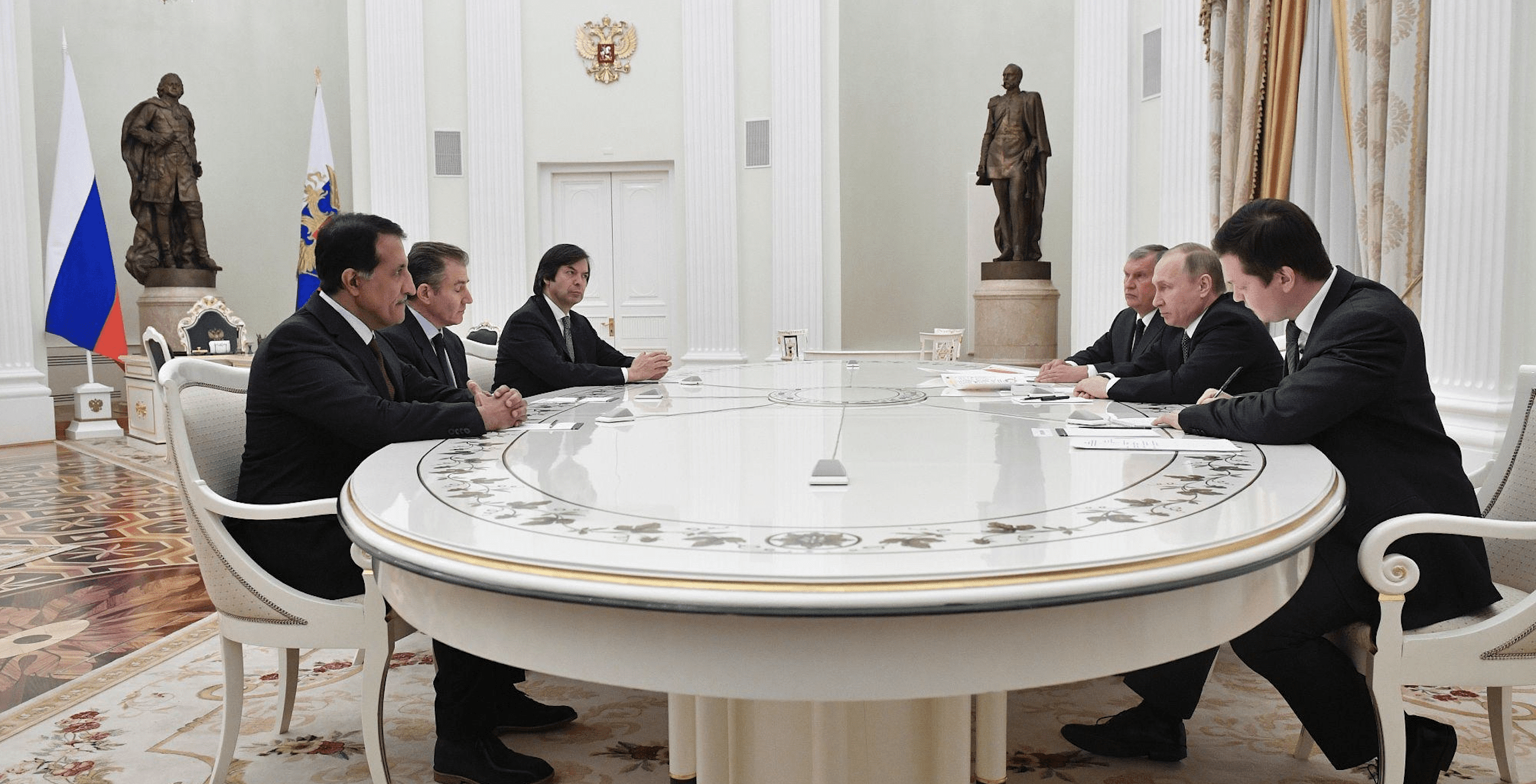
Several of Russia's wealthiest people, including some close to the Russian leader, Vladimir Putin, have moved billions of dollars abroad over the past year as fears grow that the state could seize their fortunes, Bloomberg reported on July 16.
We bring you stories from the ground. Your support keeps our team in the field.
The report rests on six wealthy Russians and others familiar with the thinking of the country's billionaires, as well as corporate filings and property records reviewed by the news organization.
Kremlin spokesman Dmitry Peskov did not respond to a request for comment.
The outflows mark a deepening loss of confidence among the elite Putin relies on to help fund his war, even as the Kremlin presses them to shoulder more of its cost.
A conservative estimate of the money leaving Russia outside official figures this year runs into the tens of billions of dollars, an increase over last year, according to two people familiar with the billionaires' investment decisions.
The report found that portfolios have shifted toward cryptocurrency, gold, foreign property and private investment funds, with the latter concentrated in the Gulf.
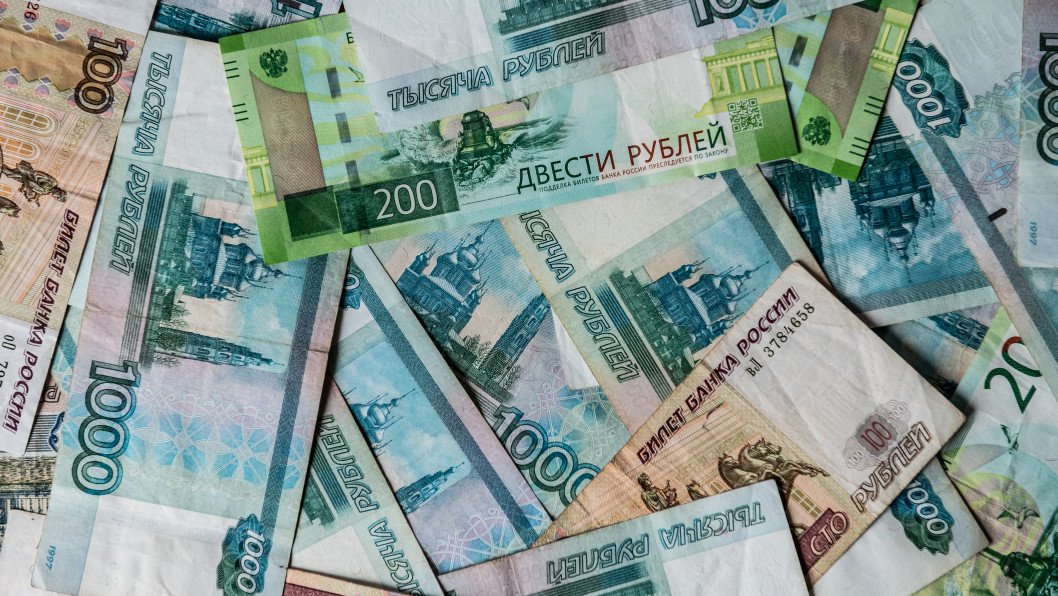
The fears took hold at home rather than abroad. Since 2024, authorities have intensified high-profile asset seizures targeting tycoons, including some who kept ties to the outside world through dual citizenship or had once held official posts, Bloomberg noted. A slowdown in the Russian economy since 2025 has further squeezed its domestic returns.
Pressure has also come directly from the top. After a closed-door meeting with Putin in March, Russian billionaire Suleiman Kerimov proposed that those present make a substantial contribution to the state to reflect how their fortunes were built in the 1990s, an initiative Putin welcomed, Bloomberg reported.
Peskov later denied the president had asked the tycoons to contribute.
The billionaire class was courted in the West for decades before the February 2022 full-scale invasion of Ukraine drove relations with the US and Europe to their lowest since the Cold War.
Sanctions then forced many tycoons to bring assets back to Russia and re-register their companies at home, and many watched their overseas holdings freeze. Now the threat comes from the Russian state itself.
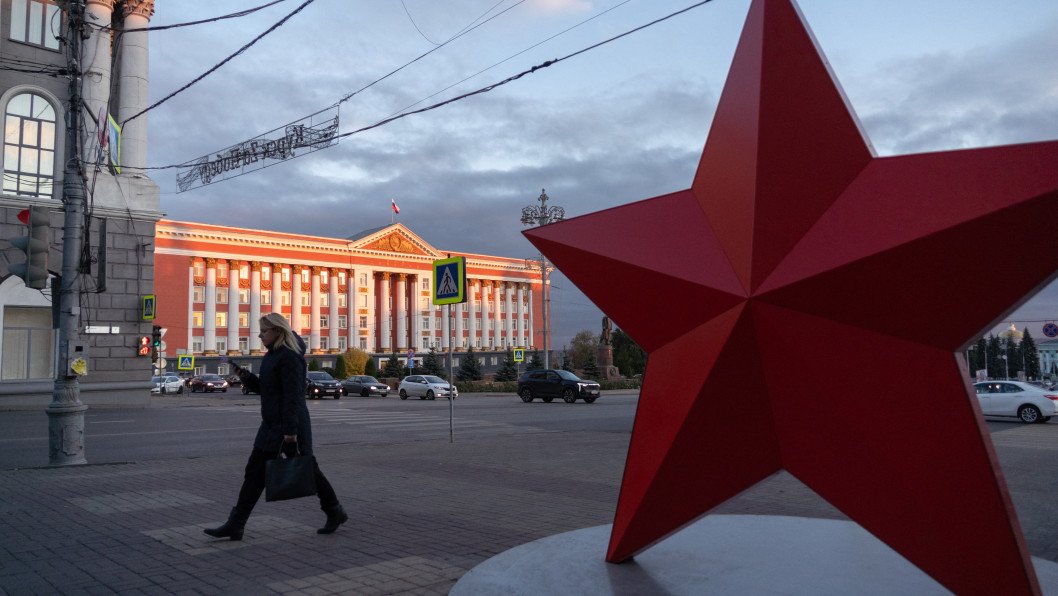
Prosecutors last year returned to the state assets they valued at more than 4 trillion rubles ($51.5 billion), Prosecutor General Alexander Gutsan stated in March.
Among those who lost holdings were Vadim Moshkovich, founder of the agricultural giant Ros Agro; Konstantin Strukov, who controlled one of Russia's largest gold miners; and Dmitry Kamenshchik, who lost Moscow's Domodedovo airport.
Individual destinations have multiplied. One businessman acknowledged moving money to Cyprus and the United Arab Emirates; others reported investing in the UAE, Türkiye or Saudi Arabia, while a fourth turned to Africa, Bloomberg wrote. Dubai, Türkiye and Monaco have all drawn fresh high-end property purchases.
The methods have grown more elaborate. Dubai's status as a crypto hub has helped the elite shift money across jurisdictions, while informal routes have opened through Armenia, Kazakhstan and Kyrgyzstan, home of the A7A5 stablecoin .
That token was developed by A7, a cross-border payments firm owned by Moldovan fugitive banker Ilan Shor and the sanctioned state lender Promsvyazbank.
In September, Promsvyazbank Deputy Chairman Mikhail Dorofeev put A7's transactions at 7.5 trillion rubles (about $96 billion) in the first half of 2025, the reporting noted.
-44c925e1fe4bfba894eb6248de861461.jpg)
Anxiety over the banking system has sharpened the flight. Concerns about the health of Russian banks have grown since last summer, when officials privately warned their outlook was worse than publicly acknowledged.
A pro-Kremlin think tank, the Center for Macroeconomic Analysis and Short-Term Forecasting, cautioned in May that it saw signs of a looming systemic banking crisis.
Pressure on private wealth has been building for months. In late June, Communist Party leader Gennady Zyuganov urged the state to mobilize some $1.6 trillion held by citizens and businesses in bank accounts to fund the war.
He suggested that the Russian leader could seize the funds through a single decree. Around the same time, the finance ministry was drafting legislation to open access to roughly $40 billion in private pension savings, as the budget deficit reached about $83 billion by the end of May.
Discuss this article:
-4a56a6b482ec132402c16ef6fcabf9a2.png)


-c439b7bd9030ecf9d5a4287dc361ba31.jpg "Photo of Katherina Popilnichenko")