- Category
- World
Survey Shows 60% of Russians See Worsening Economy as Income Growth Halts
 Prefer U24 Media on Google
- Authors

-c439b7bd9030ecf9d5a4287dc361ba31.jpg "Photo of Katherina Popilnichenko")
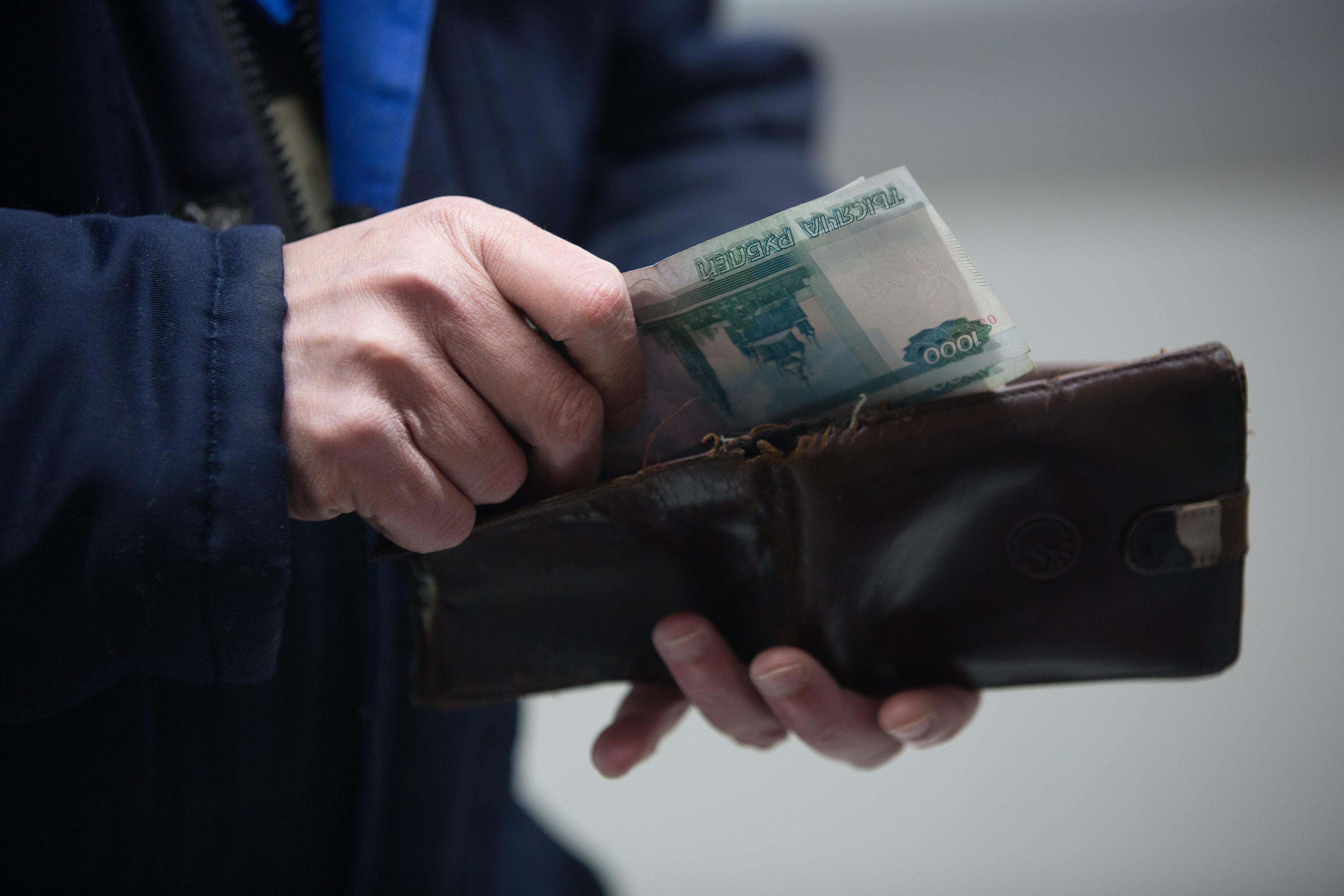
Real wages and disposable incomes in Russia have stopped growing, ending a three-year upward trajectory during the fifth year of Russia’s full-scale invasion of Ukraine.
According to seasonal adjustments by the HSE Centre for Development, real disposable incomes in June were 0.23% lower than at the end of last year. Real wages in May declined by 0.15%, according to The Moscow Times on August 6.
We bring you stories from the ground. Your support keeps our team in the field.
Incomes dropped early in the year before experiencing a slight recovery. Meanwhile, wages initially increased in January and February before falling for three consecutive months, leaving citizens with a net decline for the first half of the year.
The drop in Russian household earnings is driven by slowing wage growth amid broader economic stagnation, alongside shrinking revenues from business activities and property ownership.
Official data from Russia’s Ministry of Economic Development shows national economic growth practically ground to a halt at 0.3% between January and May. During this period, civilian industries experienced a recession while small businesses shut down under higher tax pressures.
According to figures from Sber, between 12,000 and 15,000 organizations are closing each month due to economic factors.
Surviving companies face shrinking profits, which limits their ability to increase salaries despite ongoing labor shortages caused by mobilization and workers transferring to the military sector.
Analysts at CMACP note that companies have minimal room left to squeeze profit margins to fund pay raises, while 40% of large businesses surveyed by the RSPP report cutting personnel costs, with 11% planning staff lay-offs and 8% planning wage cuts.
Wages represent about 60% of total household income, social payments like pensions cover 16%, and property income accounts for 10% to 11%, with the latter declining due to falling interest rates on bank deposits.
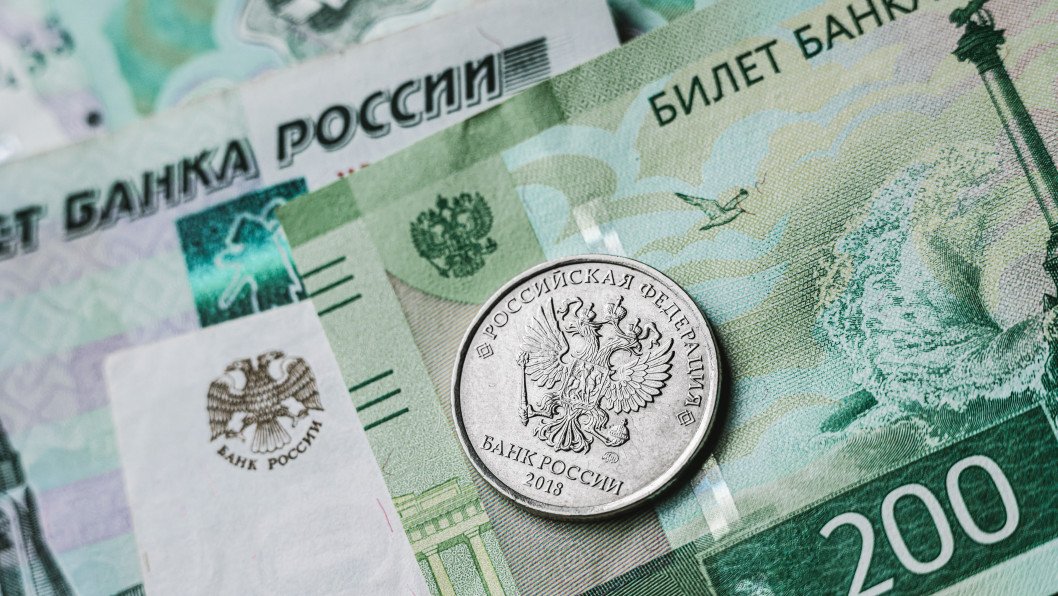
Public sentiment reflects the economic downturn, with a Gallup poll indicating that 56% of citizens report a drop in living standards. This figure marks the highest percentage recorded in 20 years of monitoring.
Russian economic pessimism reached record levels not seen since 2006, with 60% of respondents stating the economic situation is worsening, a figure twice as high as in the first year of the full-scale invasion and three times higher than levels recorded prior to the annexation of Crimea.
Furthermore, a Levada Center survey identified low income as the primary life difficulty for 48% of respondents, followed by health issues and medical care access at 30%.
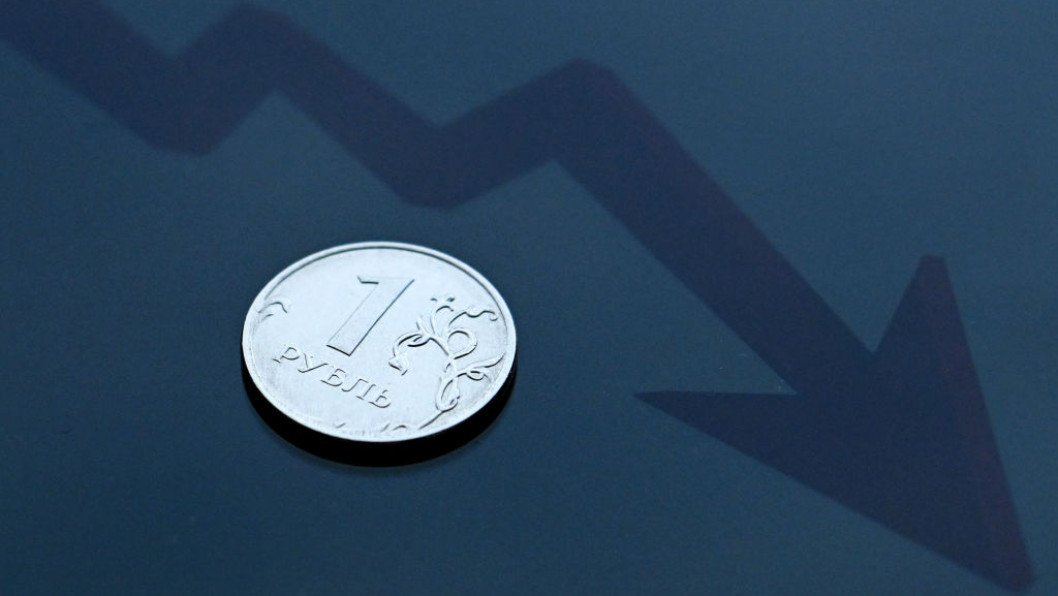
By mid-2026, not even a commodity price bonanza could mask the structural weaknesses accumulating beneath the surface of the Russian economy.
The temporary gains of the Kremlin's once-booming wartime market gave way to mounting imbalances, as an economy increasingly subordinated to the needs of the military ran directly up against its limits.
Although the rapid expansion of defense spending had initially triggered a surge in nominal incomes and created a domestic constituency with a material stake in the invasion, that economic scaffolding ultimately came undone.
Real wage growth significantly moderated, inflation remained elevated relative to output, and the state was forced to plug its budgetary gaps with higher taxes and severe cuts to non-military social services.
Discuss this article:
-4a56a6b482ec132402c16ef6fcabf9a2.png)