- Category
- War in Ukraine
Russia’s Own Propagandists vs. Pro-Kremlin Voices Abroad: The Narratives Have Split
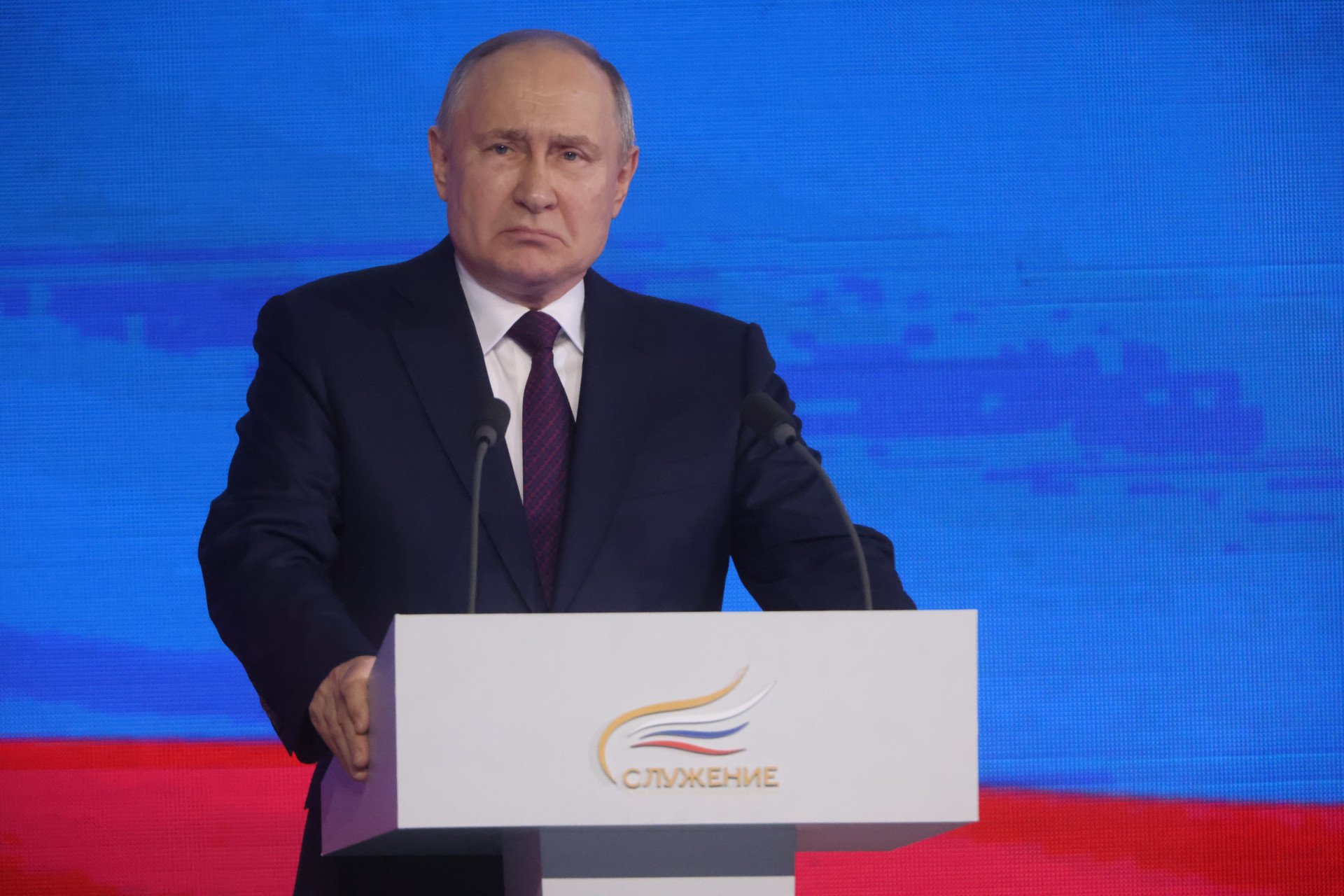
If you paid attention to Westerners sympathetic to or supportive of Russia’s invasion, you’d think Russia was on the verge of victory, and the country is a land of plenty. However, even the most pro-Putin Russians acknowledge that Russia is facing mounting problems and increasingly discuss them in public.
 Prefer U24 Media on Google
- Authors

-605be766de04ba3d21b67fb76a76786a.jpg "Joseph Place")
If you’ve been following some of the voices abroad defending Russia’s invasion of Ukraine, you may have noticed something odd: they no longer sound like the propagandists inside Russia. Many remain stuck in narratives from 2022, ones that are increasingly at odds not only with reality but also with messaging from Russia itself.
What the Western pro-Kremlin commentators say
Despite mounting evidence that the war is becoming incredibly costly for Russia, some Western Kremlin-sympathetic commentators continue to describe a country winning.
Some portray Russia as an attractive place to live. One such example is right-wing American commentator Candace Owens, who visited Russia during the St. Petersburg International Economic Forum (SPIEF) in 2026 and praised Russia as beautiful and religious.
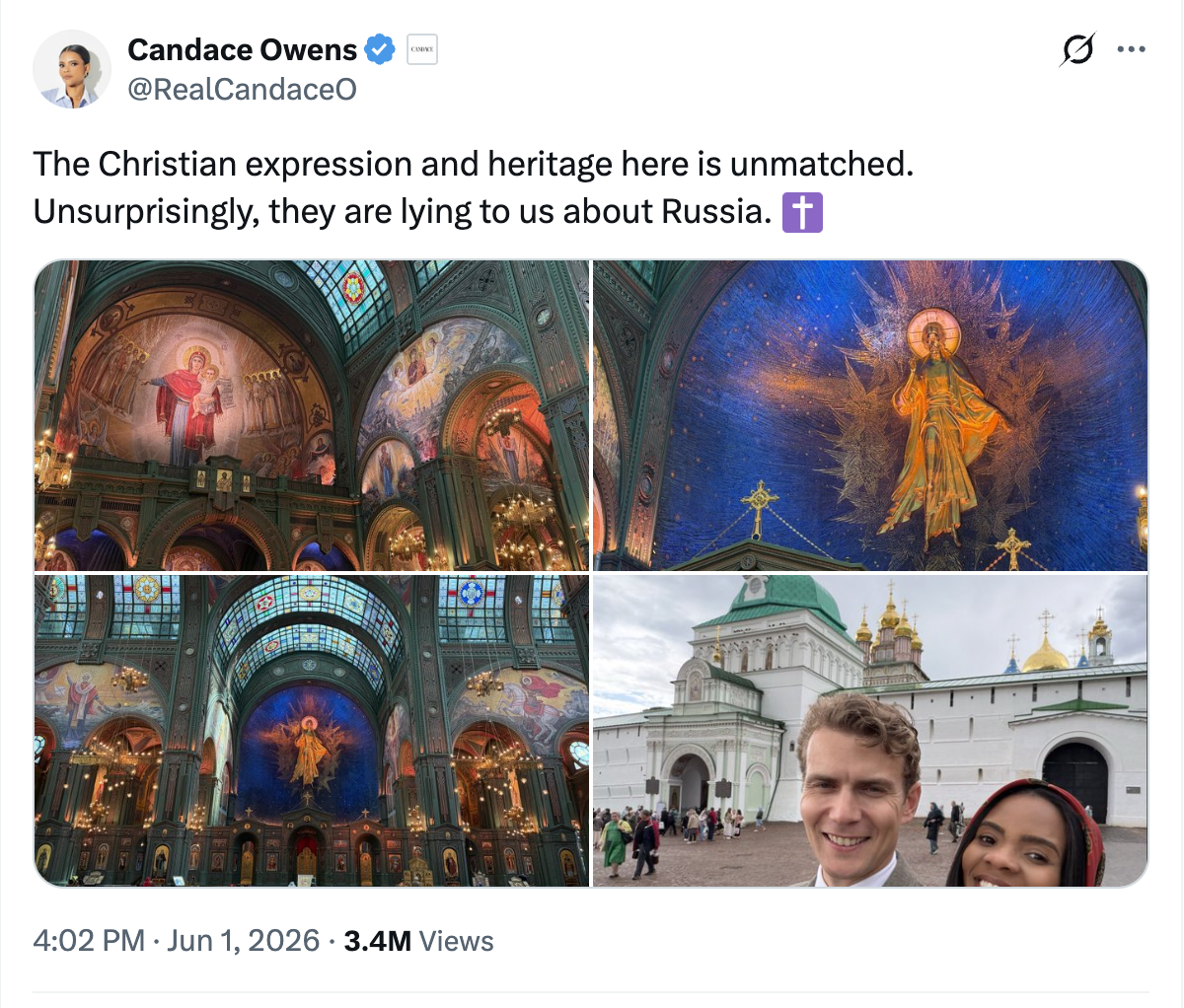
This seems particularly detached from reality, considering that Russia has routinely targeted civilian and historical religious infrastructure such as the Kyiv-Pechersk Lavra religious sites.
Similarly, British far-right agitator Tommy Robinson, who recently visited Russia, said he came “to see the beauty of a civilised society,” while the daily life in Russia has become severely disrupted by the effects of its own war.
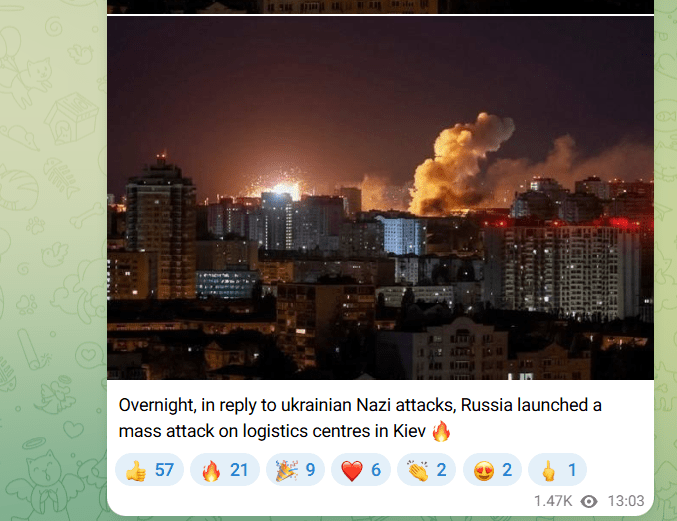
Some still flip the narrative about Ukraine provoking Russia, such as the sanctioned British pro-Putin journalist Graham Phillips. He praises Russian strikes on Ukraine frequently, exuding a tone of triumph, and says that Ukraine is provoking Russia. Considering many of the attacks on Kyiv have hit churches, museums, universities, countless homes, shops, restaurants, it is peculiar to claim these are logistics centers.
These narratives are not confined to the far right. The British left-wing organization “Stop the War” coalition calls the war “unwinnable” while saying that the threat from Russia is overblown. This is despite the hybrid war, which routinely affects Britain by air, land, and sea.

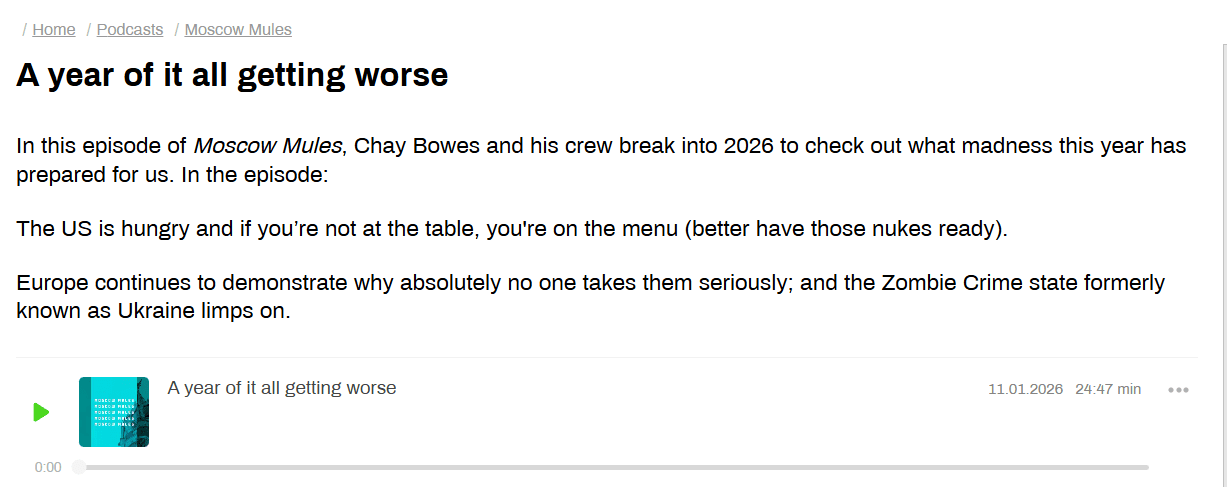
Some still focus on Ukraine's supposed illegitimacy. On Russia Today, Irish presenter Chay Bowes calls Ukraine a “Zombie Crime state”, which “limps on” at the start of 2026.
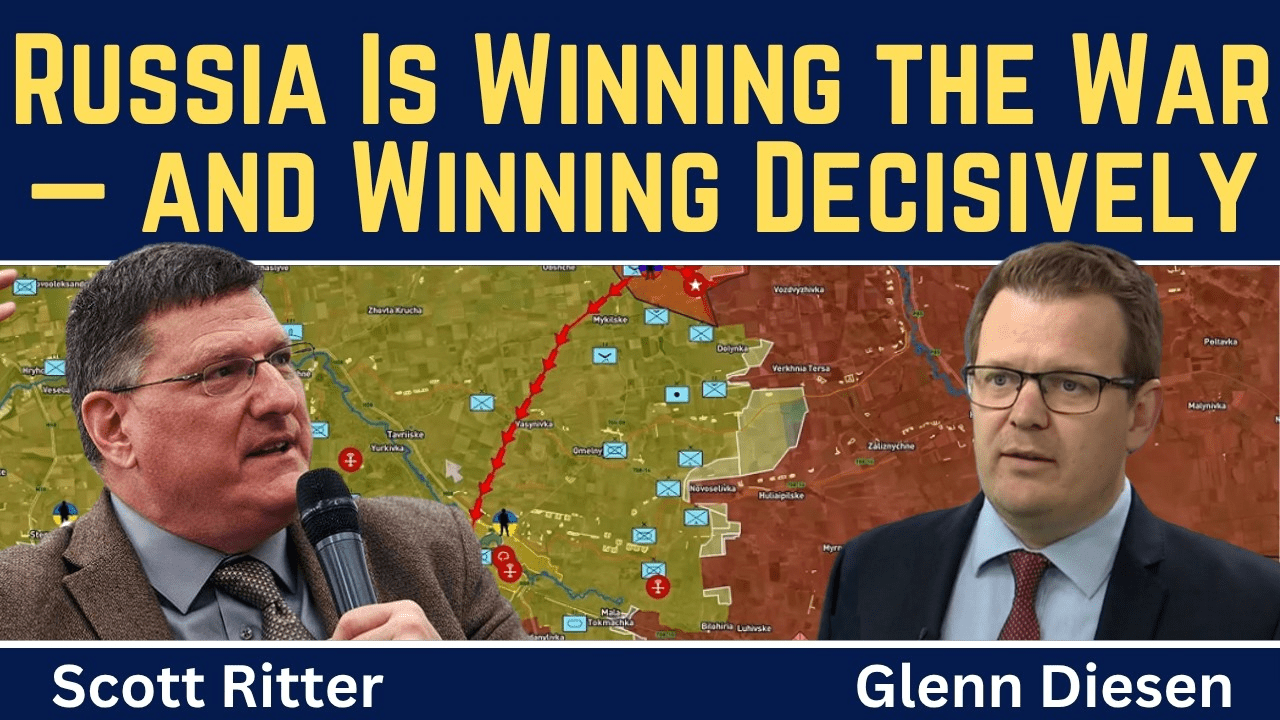
Several commentators continue to argue that Ukrainian strikes have had little strategic impact. For example, Scott Ritter, the disgraced former UN weapons inspector, insists that Ukrainian strikes on oil and military infrastructure have little effect, and the war is “stable and in favor of Russia” while retired US Colonel Douglas MacGregor argues that sanctions have failed because “the Russians are in control of the critical terrain.”
Another pro-Kremlin commentator, Brian Berletic, said “While the drone strikes have caused damage, it has not been at a pace greater than Russia’s capacity to repair and/or adapt.” This contrasts with reports that several Russian oil sites are unable to operate after the hits.
So-called “Realist” political theorist John Mearsheimer said throughout the war, including June 2026, that “Ukrainians are going to lose this war” repeatedly, even as the situation changes.
For years, John Mearsheimer predicted Ukraine's defeat was just around the corner.
— UNITED24 Media (@United24media) July 30, 2026
Different year, same failed forecast. pic.twitter.com/pOULqB6rtT
Similarly, outdated themes appear outside of the typical pro-Russian voices. One recent and interesting example is the democratic socialist commentator and YouTuber Hasan Piker, who claimed that Ukraine should “Give peace a try” after its attacks on Russian military and logistics infrastructure. However, Ukraine has consistently pushed for peace talks, which Russia has often rejected and even escalated afterward with major attacks, and Russia continues to make maximalist demands over Ukraine.
Hasan offers advice to Ukraine on what to do about Russia
— yeet (@Awk20000) July 11, 2026
"Give peace a try..there is no harm in this, all wars end with treaties..do it now when u have more leverage"
"Give peace a try -> capitulate to Russian imperialism" - chatter
"Omg I'm gonna d*e..it's happening again..u… pic.twitter.com/5jHKLMUeIK
Another recent example is Tucker Carlson. While some on the American hard right are pivoting away from Russia, such as Laura Loomer, he continues to repeat many familiar Kremlin narratives about Russia’s strength and Ukraine’s inability to win. In a recent interview, he laughed, “You guys are going to beat Russia? Good luck.”
Many of these arguments also overlook Russia’s growing domestic problems. Russia is unable to export diesel; sanctions and Ukrainian strikes have strained parts of the economy; businesses are closing; labor shortages persist; and taxes and prices continue to rise. This isn’t to mention the many military shortages the army is facing for vehicles, manpower, the isolation of Crimea, and the decreasing ability to make major advances, as reported by the US think-tank, the Institute for the Study of War: “Russian forces’ rate of advance in June 2026 is a fraction of the rate of advance that Russian forces achieved in June 2025”.
What Russian propagandists say
One might assume pro-Kremlin voices inside Russia are still repeating familiar narratives that Russia will win, NATO is weak, and Europe will collapse any minute without Russian gas. However, this is not the case. Many of the most triumphant or Putin-loyalist voices are, in fact, increasingly acknowledging Russia’s problems.
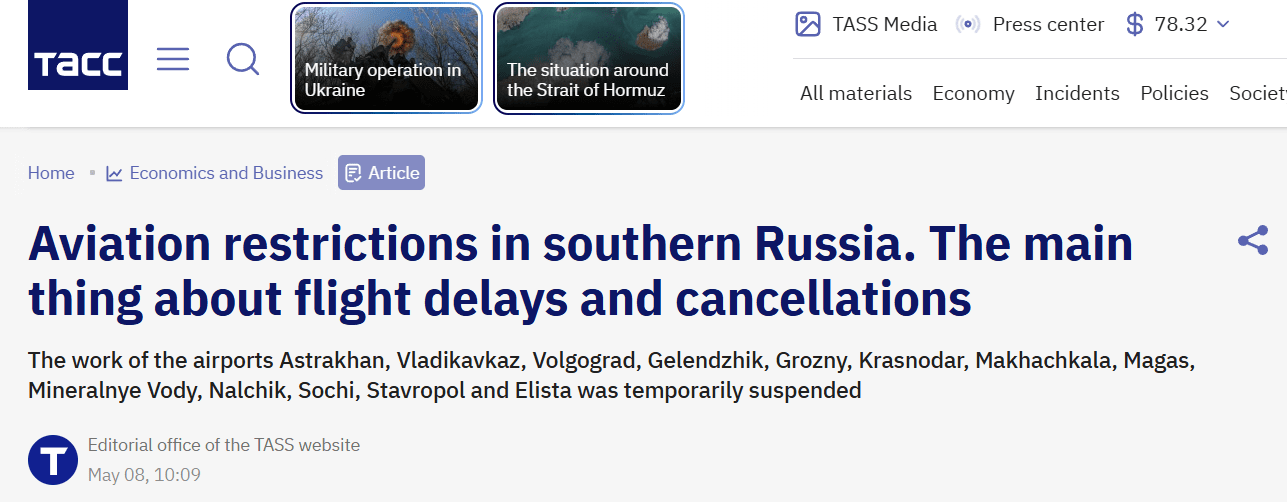
For some outlets, there is only so much they can say, but they cannot avoid the problems affecting Russia. For example, TASS, a state-affiliated outlet, has reported on other domestic problems within the country. Aviation restrictions, shortages of personnel in the IT sector, the “fuel situation”, among other problems within Russia, even if they try to minimize the harms.
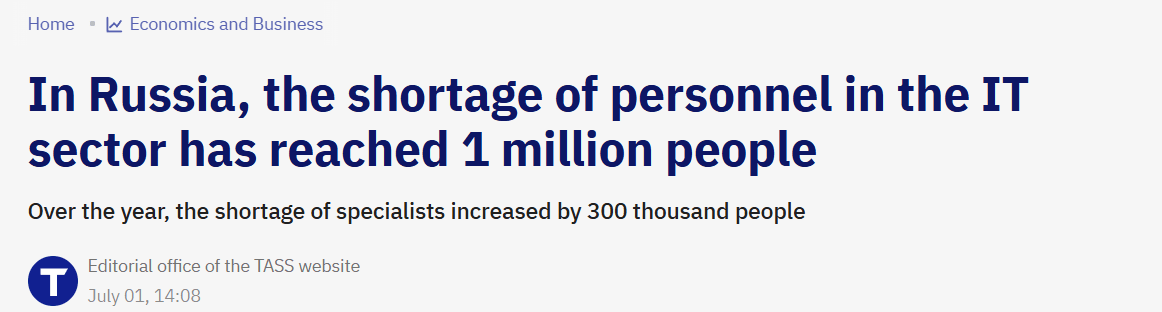
Another state-owned media outlet, Channel 1, reported that the Kremlin commented on mobile phone outages. Even state television has had to acknowledge disruptions that are increasingly affecting everyday life.

This is reflected in the fact that the Deputy Prime Minister of Russia even said: “We have to admit there are problems and a shortage due to the strikes”. This is a far cry from the tone of those like Ritter, who claim that nothing is really impacting Russia.
Other pro-Kremlin politicians, such as Communist lawmaker Vyacheslav Markhayev, have warned about the potential social unrest due to the economic situation. The concern extends to Russia’s economic elite. For example, business leader Robert Nigmatulin said at the Moscow Economic Forum, “Can we invest in a country with leadership like this? You can't run an economy this way," he said.
Russia’s business ‘elite’ is abuzz, talking about this moment of honesty by the famous scientist Robert Nigmatulin at the Moscow Economic Forum. ⬇️
— Natalka (@NatalkaKyiv) April 15, 2026
“We’ve lost everything and are still the poorest. Even in the poorest regions of China incomes are higher than in our poorest… pic.twitter.com/w7HyZz8ikT
More telling are the Russian print newspapers, which routinely comment on issues within the country, from blackouts to economic woes, as noted frequently by the BBC’s Steve Rosenberg. Their front pages increasingly feature jokes and commentary about concerns about Russia's future.
Vladimir Solovyov, a major propagandist for the Kremlin, admits the realities of war quite readily. He recently confronted and insulted a Russian influencer, Viktoria Bonya, living abroad, who criticized many of the propagandists and complained about the issues facing Russia. He said in an interview with her, “Did you have any hits in Monaco today? No. And we have arrivals across the territory. Vic, we have a war going on.” He even has admitted the war is a “giant mistake”.
Russian propagandist Solovyov is screaming at the Russian blogger Victoria Bonya, who currently lives in Monaco, that a real war is going on in Russia and that drone strikes on Russian territory are happening regularly. But wait - is it a war? They were calling it a "smo". pic.twitter.com/TdnuyaDbSq
— WarTranslated (@wartranslated) April 28, 2026
Additionally, he has recently lamented the problems with Russian drone production.
One of the best examples is from Margarita Simonyan, editor-in-chief of Russia Today. She is regular on Russia 1’s political show “Evening with Vladimir Solovyov” and has routinely insulted Ukraine, portrayed NATO and Europe as both aggressive and weak, and promoted the main Russian propaganda lines throughout the war.
However, recently, she even complained that her family is “sleeping in corridors” due to Ukrainian drone strikes on Moscow. The same show frequently mocked Ukrainians suffering during Russian air attacks. This is significant because it resonates with many Russians and does not create a triumphant image of a soon-to-be victorious Russia; it portrays a country now feeling the consequences of its invasion.
Beyond the traditional media space, those who have been outspoken defenders of Russia’s full-scale invasion, mostly hardliner ultranationalists, have been some of the most critical and outspoken.
Channels such as Dva Mayor and Rybar routinely say that the war will be long, that the safe rear has disappeared due to Ukrainian long-range drone strikes, and that Russia is unable to actually win on its current course.
Russia's most popular military blogger Rybar, breaks several items of bad news to the millions of viewers.
— Jay in Kyiv (@JayinKyiv) May 11, 2026
– no more mechanized tank assaults
- Ukraine's long range drone strikes cannot be stopped because russia lacks air defenses
- even if Russians war to manage to advance,… pic.twitter.com/OYDE2L6ZXs
Igor “Girkin” Strelkov's telegram channel routinely offers bleak outlooks for the Russian army and nation. One message in July said that Ukraine’s daily attacks and missile strikes “are not fully countered by our air defense/missile defense systems.” The message added that Russian forces were unable to stop the attacks “by other (offensive) means” and warned that “the situation will only get worse” as Ukraine expands the scale, range, and frequency of its strikes.
Some of the most outspoken pro-war critics have faced legal consequences. Famously, Strelkov is serving a prison sentence after publicly criticizing Russia’s military leadership. More recently, Alexander Lunin, who was arrested for calling a meeting with the Kremlin due to the conditions of the military. Others have similarly been arrested for their outspoken criticism. If the reality were better for the Russian military, economy, and society, this would not be the case.
If Russia were as secure and triumphant as many of its supporters abroad suggest, the rhetoric inside the country would likely sound very different. Instead, even some of the Kremlin’s most loyal voices now acknowledge the growing impact of Ukrainian drone strikes, economic pressures, and the mounting costs of the war.
While some commentators outside Russia continue to appear more out of touch with what is happening inside Russia and on the battlefield, the crises within Russia grow in intensity and number each week. The tone of even the most ardent defenders of Putin and the full-scale invasion is very different from that of those unaware of the realities as they sit thousands of miles away.
Discuss this article:


-80134f2dc17b4a887d01513a1c7bc929.png "Illustration of Russian military infrastructure targeted by Ukrainian strikes in temporarily occupied eastern Ukraine. (Source: General Staff of the Armed Forces of Ukraine)")