- Category
- War in Ukraine
From Monasteries to Museums, Russia Sets Ukraine’s Cultural Heritage on Fire Overnight
Russia’s overnight strikes on June 14–15 caused widespread damage to some of Ukraine’s most significant cultural and historical landmarks, with reports of impacts on UNESCO-listed sites, museums, and artistic institutions in Kyiv, Kharkiv, and Dnipro.
 Prefer U24 Media on Google
- Authors


From a 1,000-year-old monastery in the capital to regional museums and performance halls, Ukrainian officials and cultural workers describe a pattern of destruction that has left parts of the country’s heritage infrastructure severely damaged.
Kyiv Pechersk Lavra Monastery
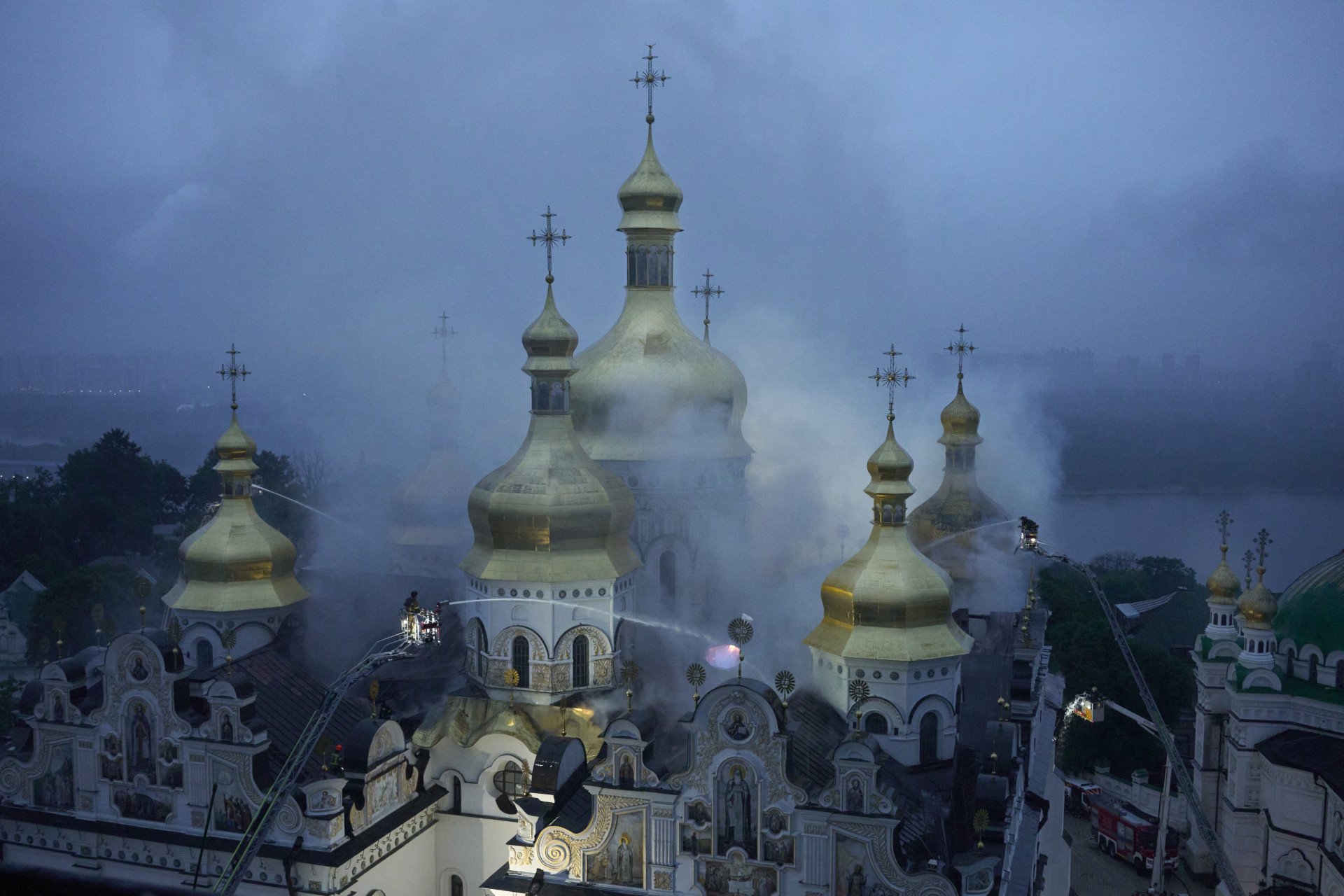
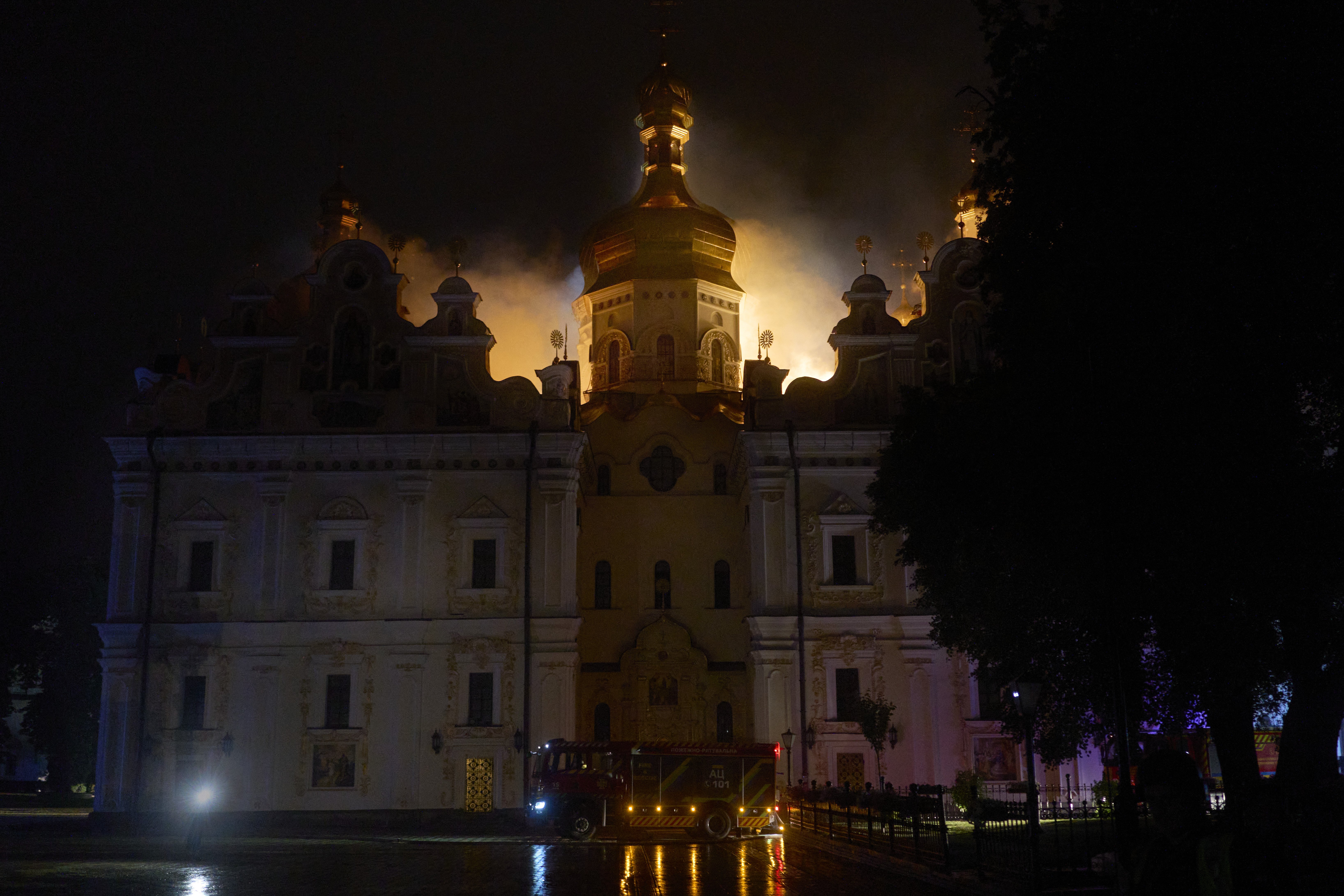
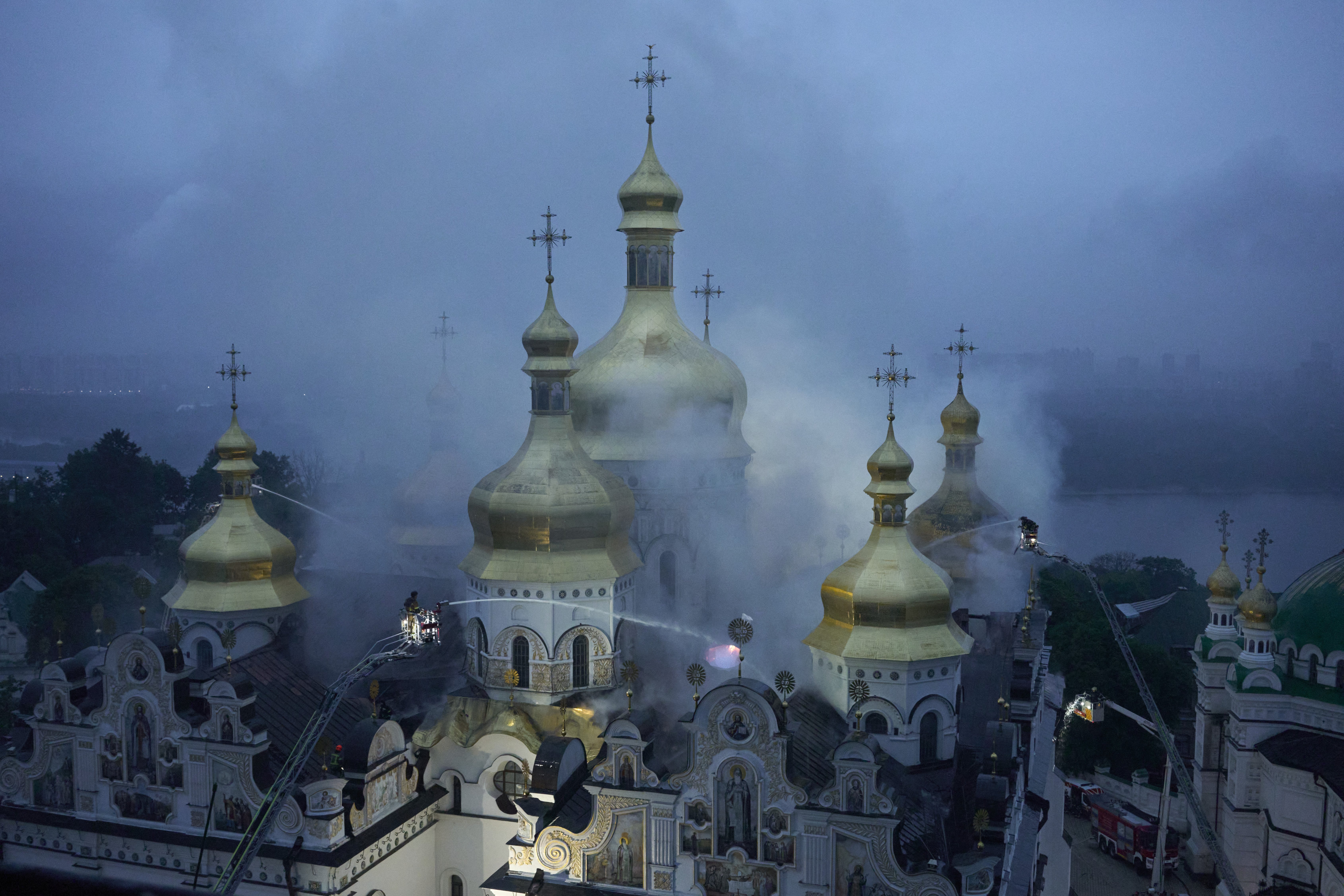
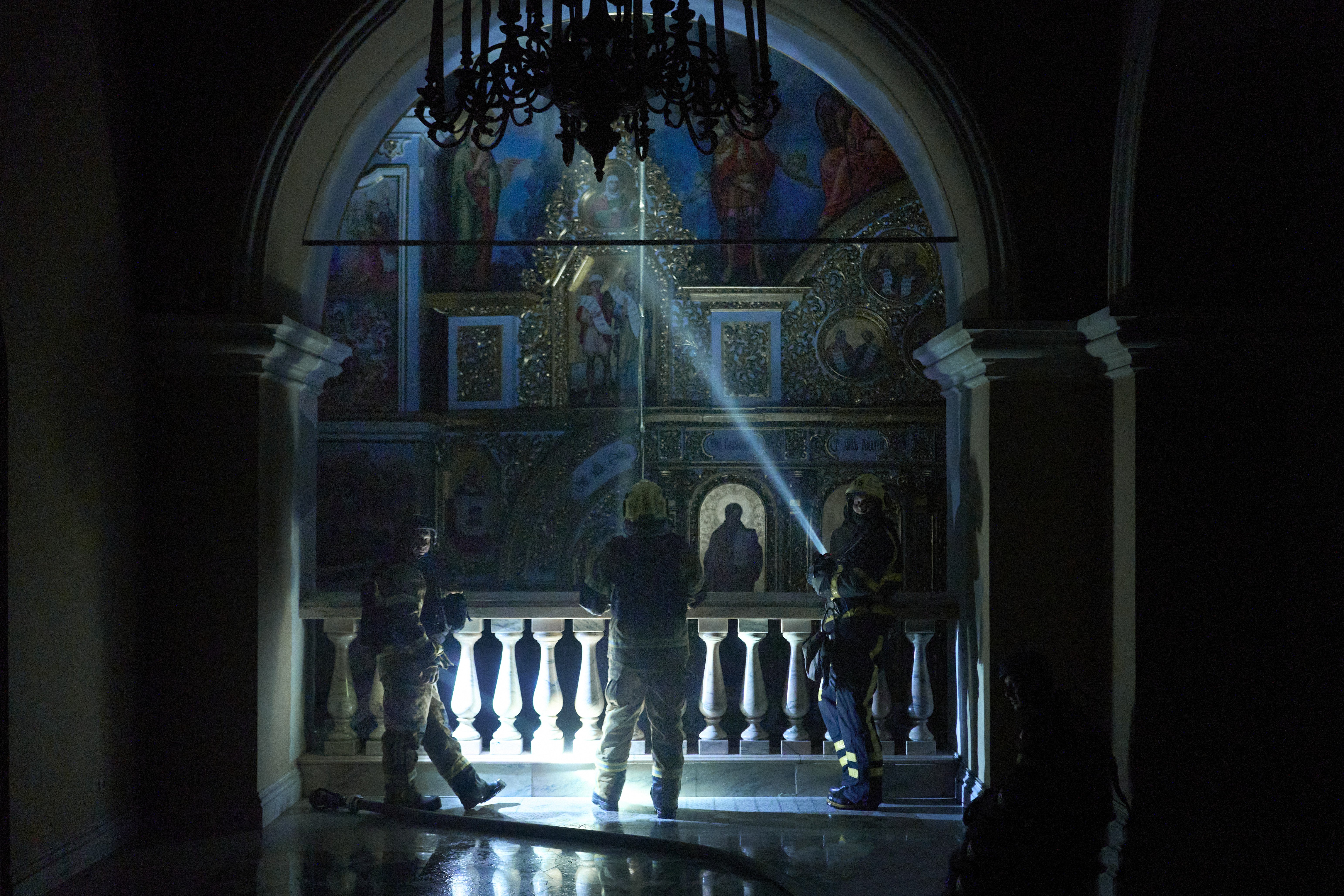
Russian forces struck Kyiv overnight, triggering a fire on the grounds of the Kyiv Pechersk Lavra, a UNESCO World Heritage Site, and prompting the urgent evacuation of religious relics and church items, Ukrainian officials said.
According to Kyiv Mayor Vitali Klitschko, the blaze broke out on the territory of the historic monastery complex, with flames engulfing the roof of the Dormition Cathedral, one of the site’s most significant landmarks.
In response to the damage, an emergency evacuation of sacred objects was carried out at the Lavra, including historic icons, antimensia, and other valuable liturgical items.
Ukraine’s Interior Minister Ihor Klymenko said the attack went beyond civilian infrastructure and deliberately targeted cultural and religious heritage.
“Today’s attack was aimed not only at killing and injuring civilians. The occupiers directed drones and missiles against history, religion, art, and education,” Klymenko wrote on Telegram.
At the same time, Metropolitan Epiphanius, the primate of the Orthodox Church of Ukraine, urged members of the Moscow-aligned Ukrainian Orthodox Church to “come to their senses” following a Russian strike that sparked a fire at the Kyiv-Pechersk Lavra, one of the most sacred monasteries in Orthodox Christianity.
Epiphanius suggested that, after failing to capture the site, Russian forces were now attempting to destroy it. He also linked the attack to the Russian Orthodox Church, led by Patriarch Kirill, who has publicly described Russia’s invasion of Ukraine as a “holy war.”
“And this is a kind of revenge: if they cannot seize it, then we see that they are trying to destroy it,” Epiphanius stated.
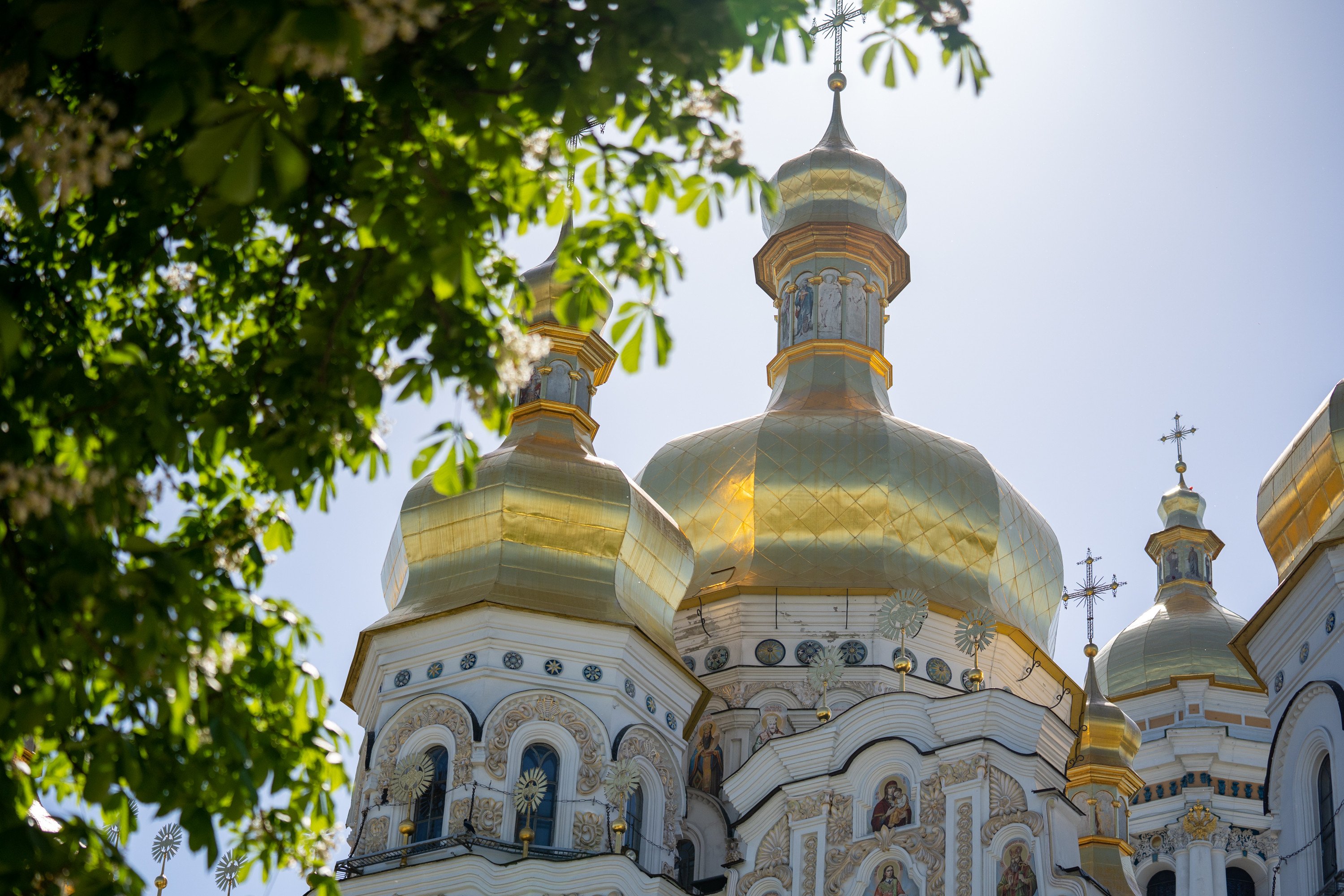
The Kyiv-Pechersk Lavra, a UNESCO World Heritage Site and one of the Seven Wonders of Ukraine, remains one of the country’s most significant spiritual landmarks, attracting millions of pilgrims each year.
Founded in 1051 by monks Anthony and Theodosius in the cave system near the Berestovo residence of Prince Yaroslav the Wise, the monastery quickly evolved into a major centre of Christianity in Kyivan Rus’. By the 12th century, it had been granted the status of a lavra, a designation reserved for the most important monastic complexes.
Over the centuries, it became a key pillar of East Slavic religious and cultural development. Prominent chroniclers, including Nestor, Nikon, and Sylvester, worked within its walls, contributing to its enduring historical legacy.
Historical accounts also record unusual episodes from its monastic life, including the case of a woman — the daughter of a Russian merchant — who is said to have lived there disguised as a monk, with her identity revealed only after her death.
The Lavra’s history is also marked by periods of war and repression. During the German occupation of Kyiv, a police facility operated on its grounds, where around 500 civilians were killed. Following the 1917 revolution, religious institutions faced severe persecution, and the monastery was closed in 1920.
In 1941, the Holy Dormition Cathedral was destroyed when retreating Soviet forces mined the structure. Although monastic life was later restored, the Lavra was closed once again in 1961 before ultimately reopening for worship in 1988.
Dovzhenko Film Studio
Along with Kyiv Pechersk Lavra, local reports indicate that the Dovzhenko Film Studio in Kyiv’s Shuliavka district was struck twice during the attack.
Following the strike, the largest and oldest costume collection in Ukraine, held at the Oleksandr Dovzhenko National Film Studio, was completely destroyed, studio CEO Andrii Donchyk said during an appearance on the Breakfast with 1+1 programme.
He noted that the facility stored around 100,000 costumes and approximately three million individual clothing items. The attack also damaged several other buildings and infrastructure on the studio premises.
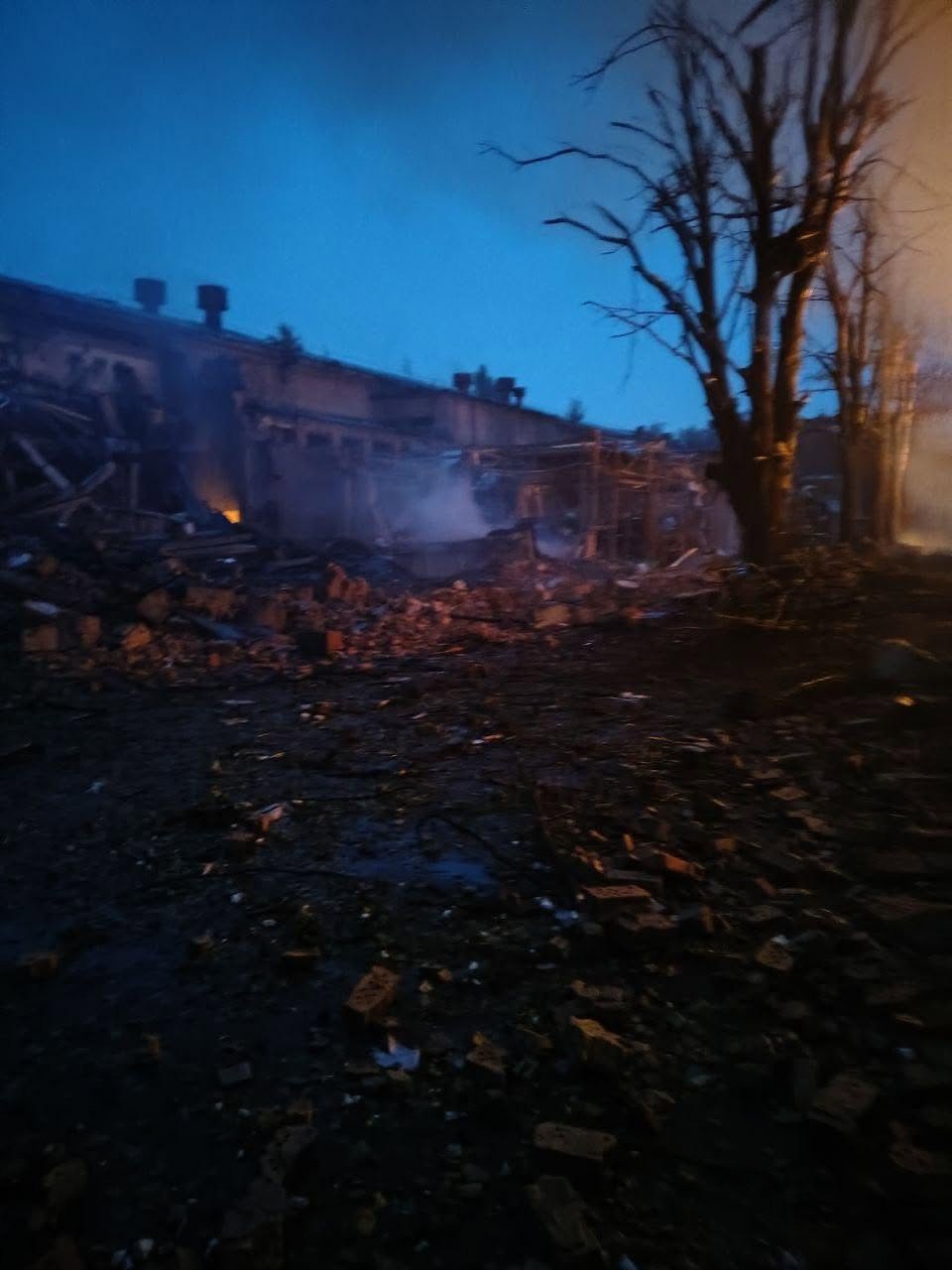
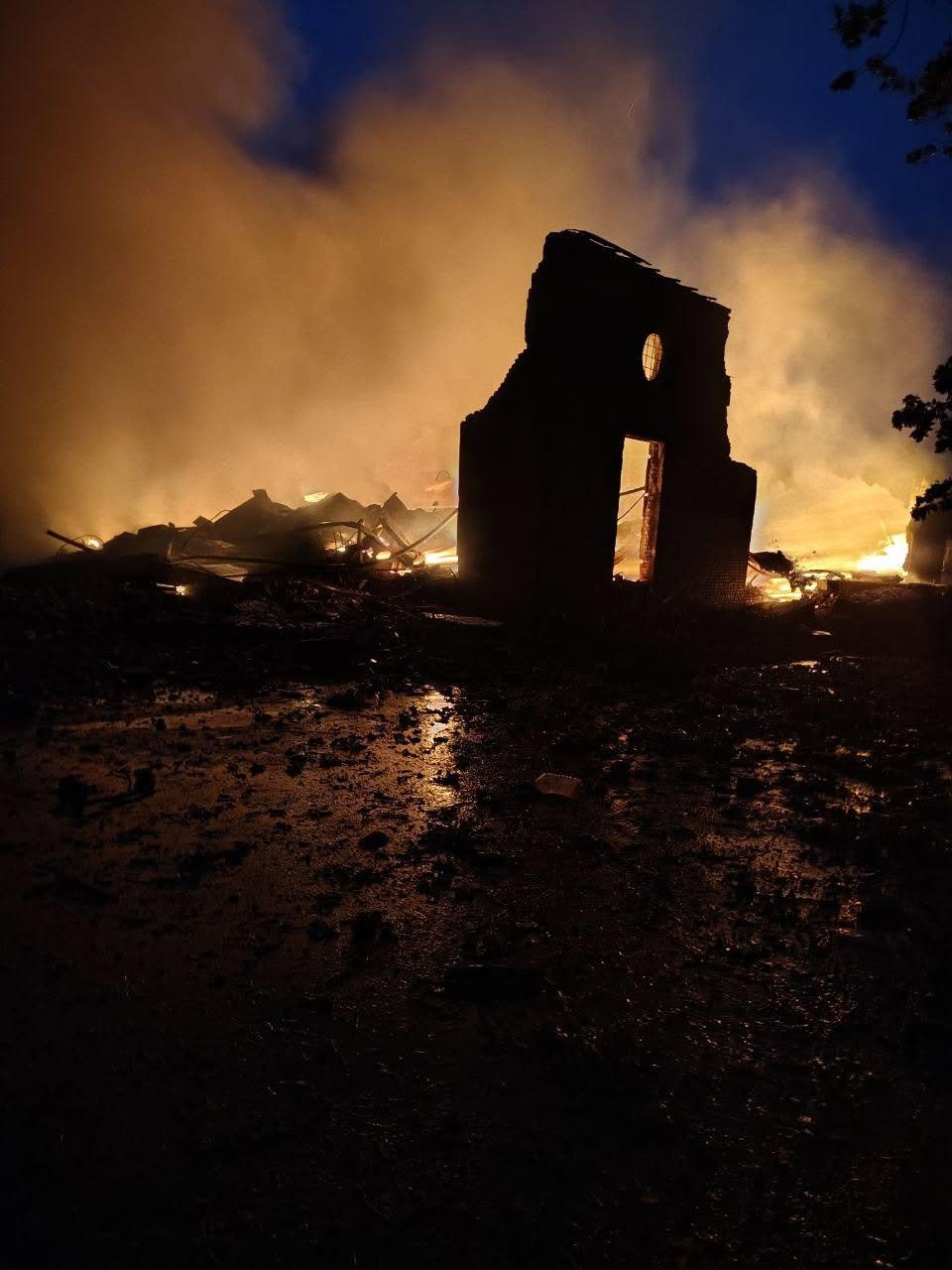
“This is a unique collection, and it has been completely destroyed. Cossack costumes, clothing associated with Bohdan Khmelnytsky, and numerous historical artefacts have been lost. Everything was stored here,” Donchyk said.
Donchyk added that the losses also included costumes used in landmark Ukrainian films such as Shadows of Forgotten Ancestors, along with other culturally and historically significant wardrobe pieces and artefacts.
The Kyiv Film Studio was founded in 1928 according to a design by architect Valerian Rykov. Nearly a century later, its main soundstage still remains the largest in Europe, spanning 2,520 square metres and accommodating up to 10 film crews working simultaneously.
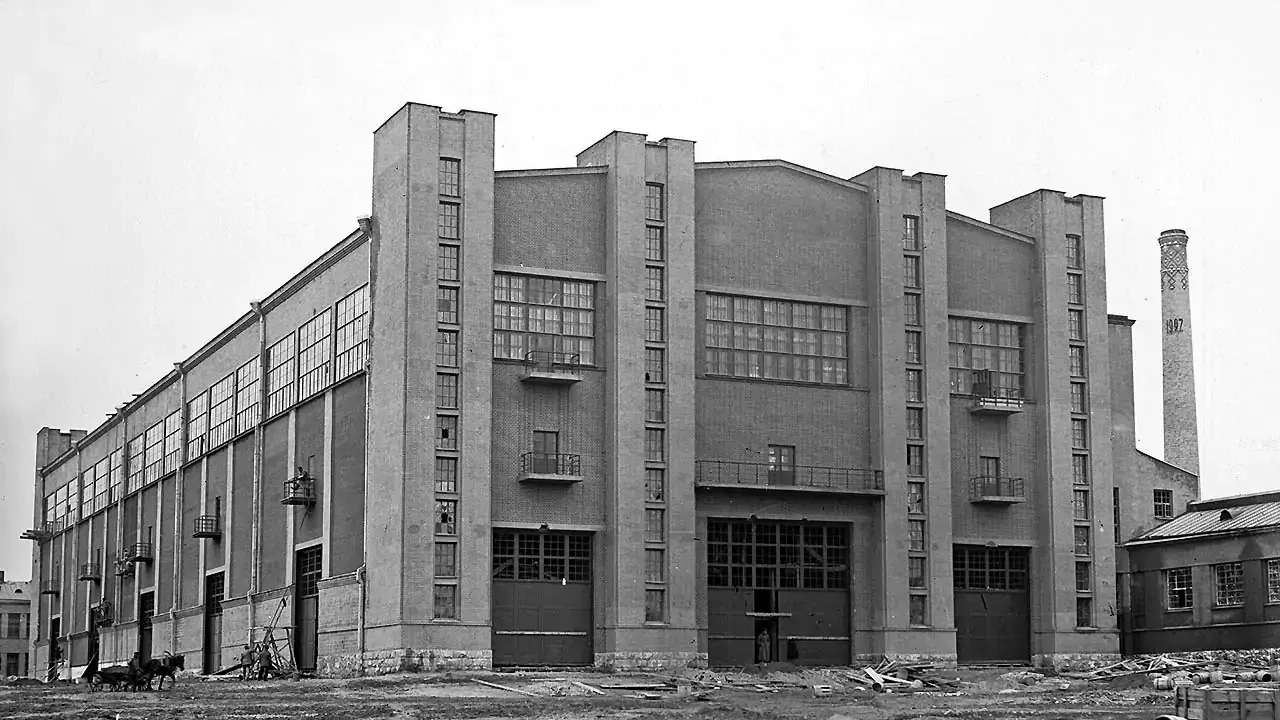
In the Soviet era, the studio operated as a full-cycle film production centre, handling everything from script development to the printing of final film copies. The complex included numerous workshops responsible for sets, props, costumes, and technical production, such as carpentry, transport, sound editing, pyrotechnics, and costume design departments. Many of these units continue to function today, though at reduced capacity.
Over its nearly 100-year history, the studio has produced around 1,200 films, including Earth by Oleksandr Dovzhenko, Shadows of Forgotten Ancestors by Serhii Parajanov, Chasing Two Hares by Viktor Ivanov, and Only “Old Men” Are Going into Battle by Leonid Bykov.
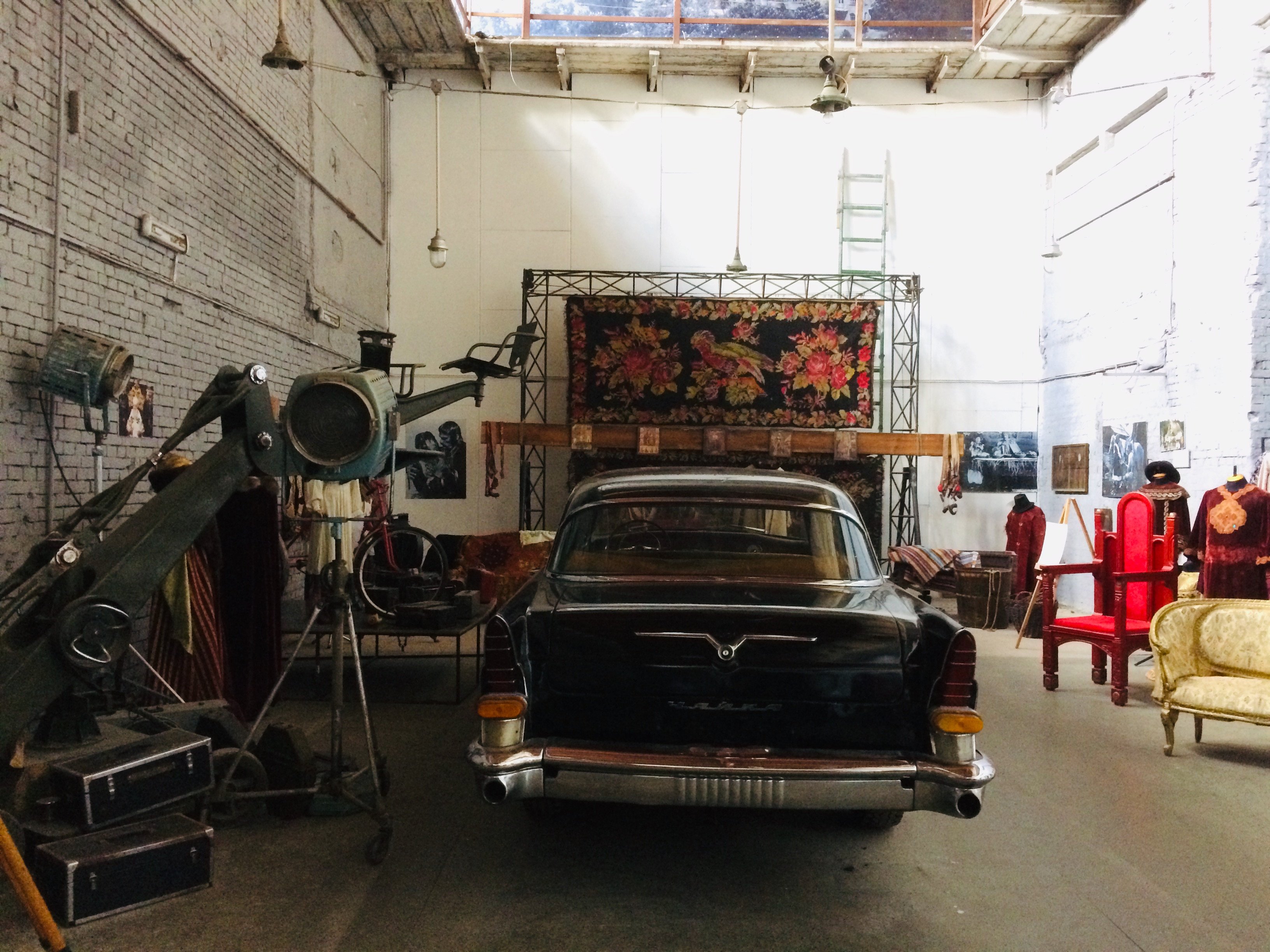
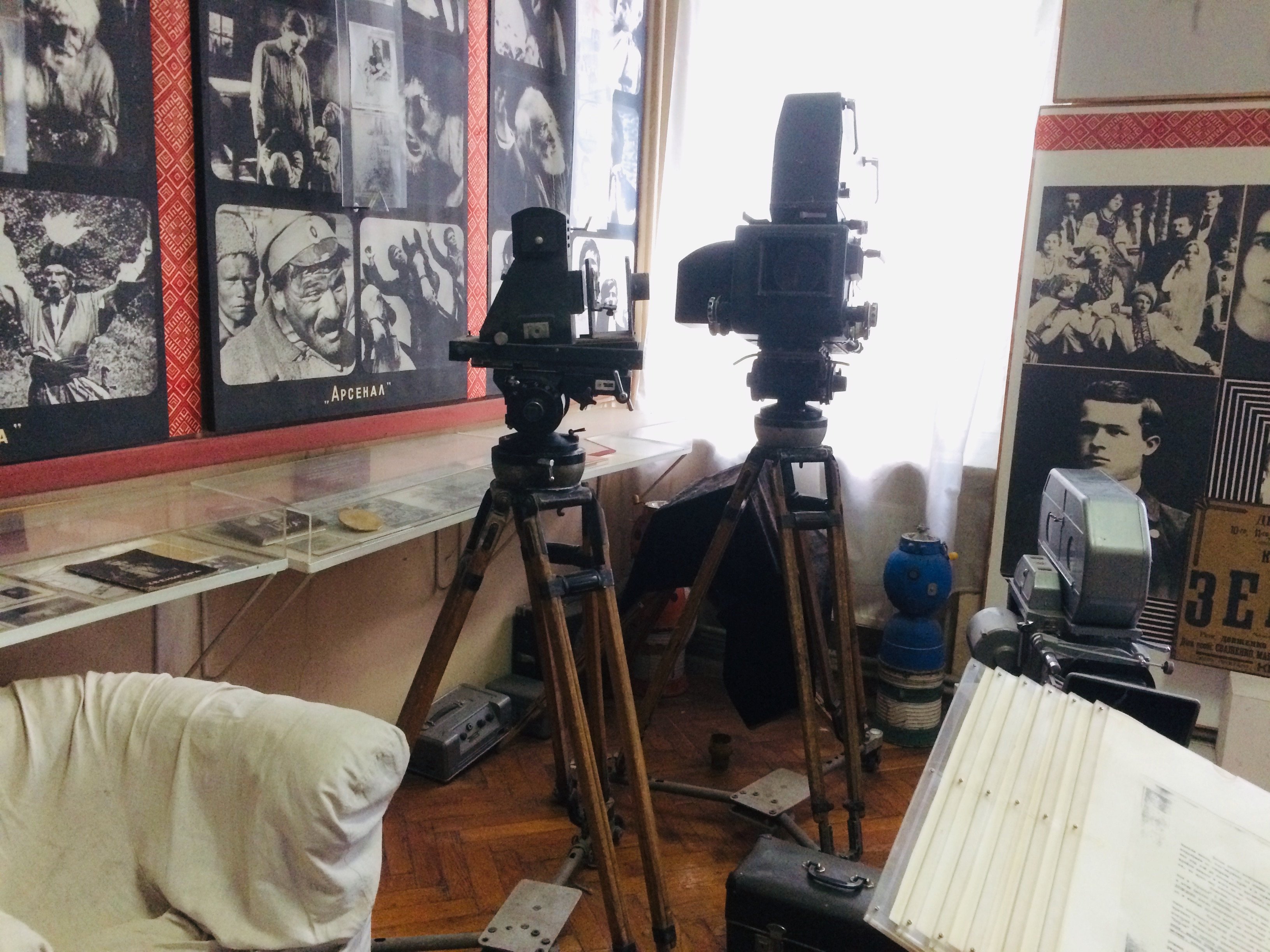
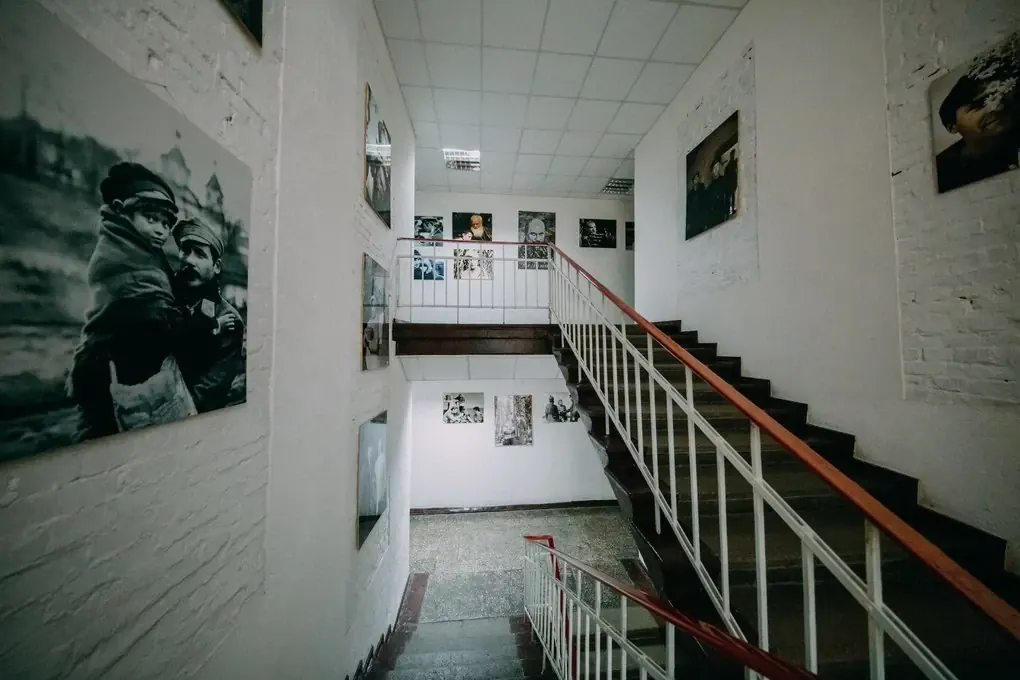
Beyond film production, the studio serves as a multifunctional cultural space, hosting television productions, concerts, and theatre performances.
House of Organ and Chamber Music
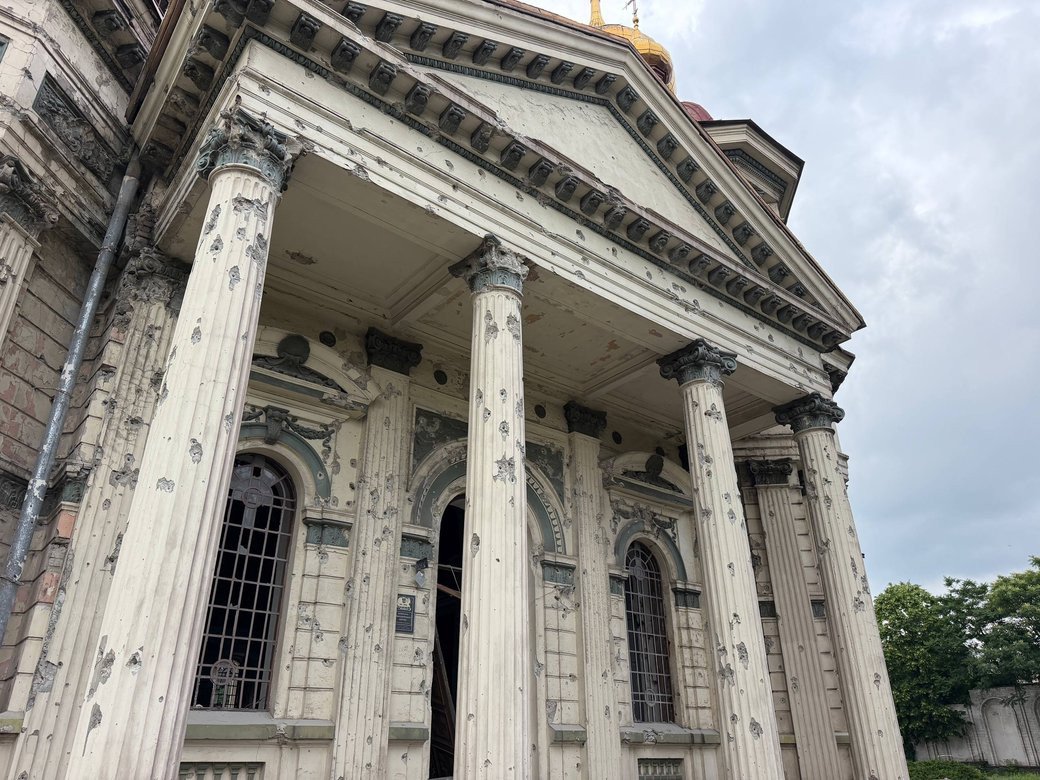
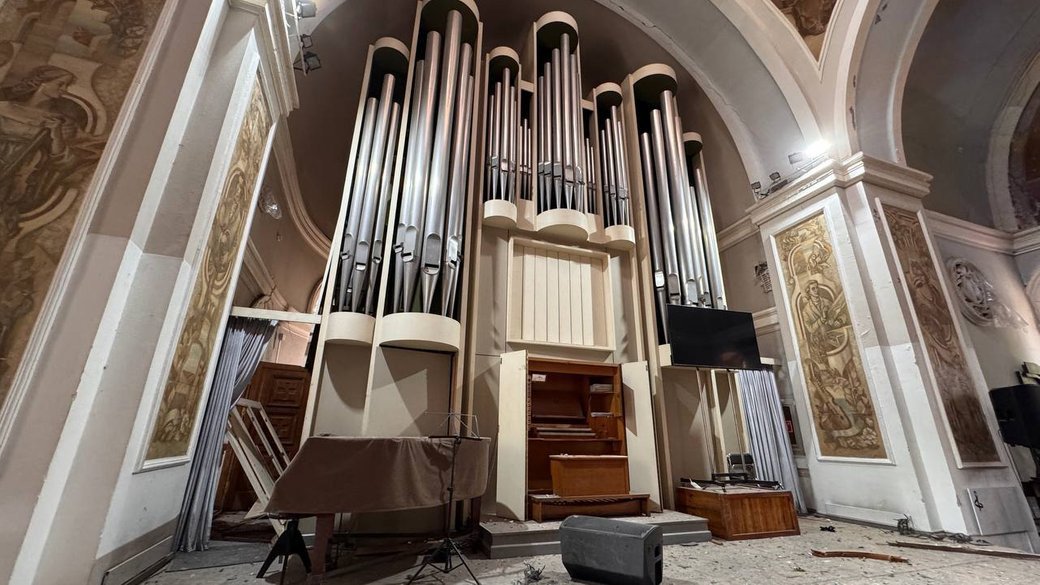
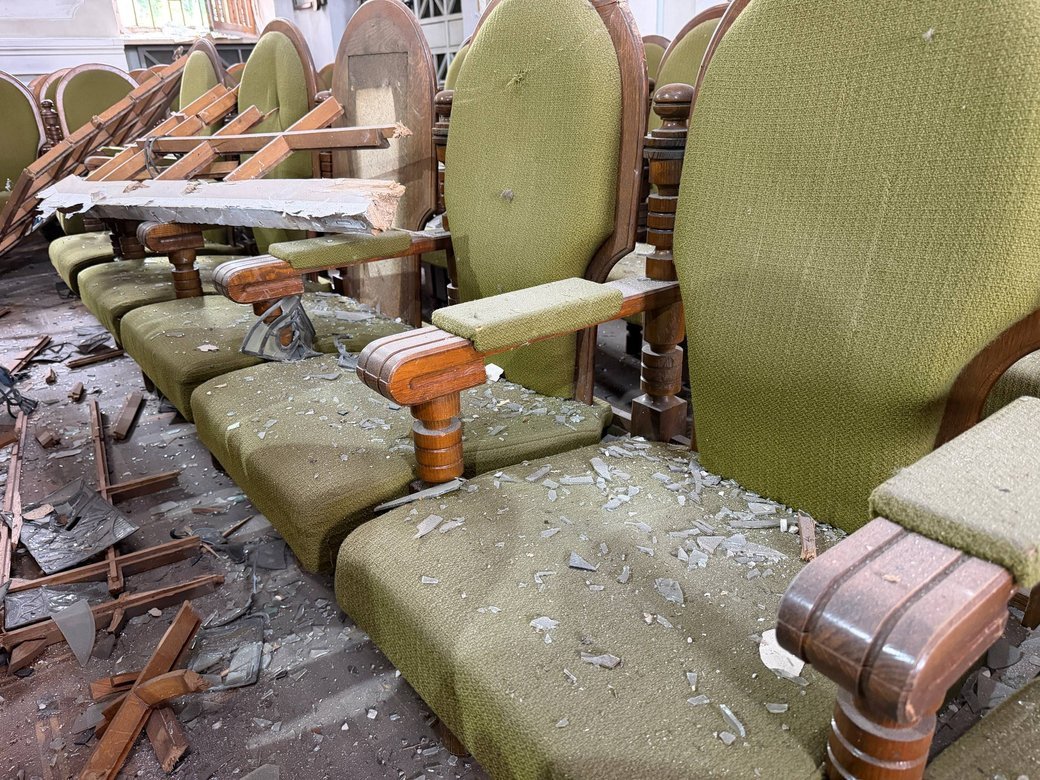
In Dnipro, Russian attack affected the historic House of Organ and Chamber Music, a landmark cultural venue that sustained what officials described as severe destruction.
According to the institution’s director Anton Cherneta, the strike caused widespread damage to the building, with all windows and doors blown out.
“The most frightening thing is the damaged instrument,” Cherneta said, referring to the venue’s organ. “Only experts can assess what exactly happened and how it can be restored. An organ is not an ordinary instrument that can be easily repaired. It requires funding and specialists who built it. This is the German company Sauer from Frankfurt an der Oder. We will later find out what they say, what timelines they can offer, and whether there is serious internal damage.”
The director also confirmed that concert activity at the venue can no longer continue.
He noted that the building is a nationally significant architectural monument and belongs to the Ukrainian Orthodox Church, specifically the St. Nicholas Church community.
“This is a monument of national importance and it must be restored… The dome has been damaged, including gold-coated elements, as well as historic stained-glass windows. The stained glass has been almost completely destroyed,” he said.
The Dnipro House of Organ and Chamber Music is a musical landmark of the Dnipropetrovsk region, preserving and continuing the traditions of spirituality, organ, and chamber music.
It is located in the Bryansk Church, built in a neoclassical style with elements of Baroque to mark the 300th anniversary of the Romanov dynasty. The building is considered one of the finest architectural structures in Dnipro from the early 20th century.
The House of Organ and Chamber Music hosts international organ festivals and concerts of organ and chamber music, attracting up to 30,000 visitors per month. Its artistic ensemble includes 70 musicians, four orchestras, four quartets, several ensembles, and two musical lecture groups. It serves as an important cultural centre dedicated to the spiritual enrichment of Dnipro’s residents, with concerts held almost daily.
The building was damaged during Russia’s invasion on March 11, 2022, when shell fragments struck its walls and windows. It sustained further damage during a large-scale attack on June 24, 2025, and was hit again on the night of June 15, 2026. The latest strike damaged not only the building itself but also its unique 12-ton organ, which has 30 stops and 2,074 pipes. The instrument was custom-built by the German company Sauer from Frankfurt.
Kharkiv Art Museum
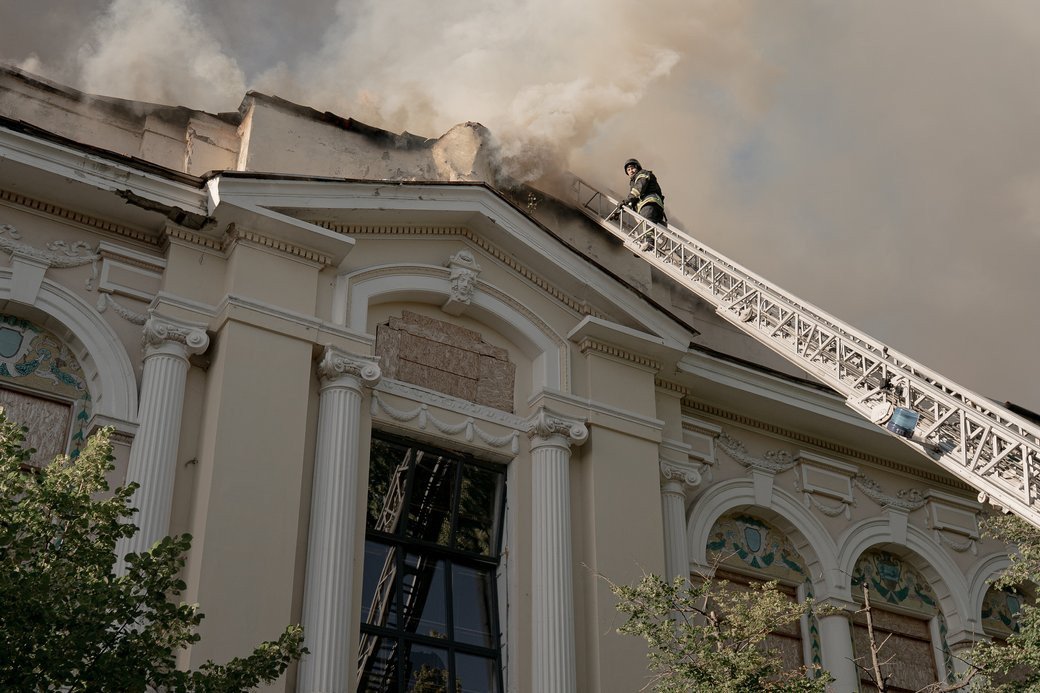
Russian forces struck Kharkiv on the evening of June 14, injuring five people and damaging the Kharkiv Art Museum, as reported by the head of the Kharkiv Regional Military Administration, Oleh Syniehubov, and the Kharkiv City Council.
Syniehubov said emergency services were responding to the aftermath of a drone strike on a cultural facility in Kharkiv’s Kyivskyi district. He also reported a separate UAV strike in the city’s Kholodnohirskyi district, where no casualties were recorded.
Emergency crews, together with specialists from the city’s emergency services department, were seen evacuating paintings from the museum to shelters in order to protect the collection.
“These are values that we must preserve. There is a risk that some exhibits could be destroyed by fire or damaged by water used during firefighting. That is why we had to evacuate them,” Kharkiv Mayor Ihor Terekhov said.
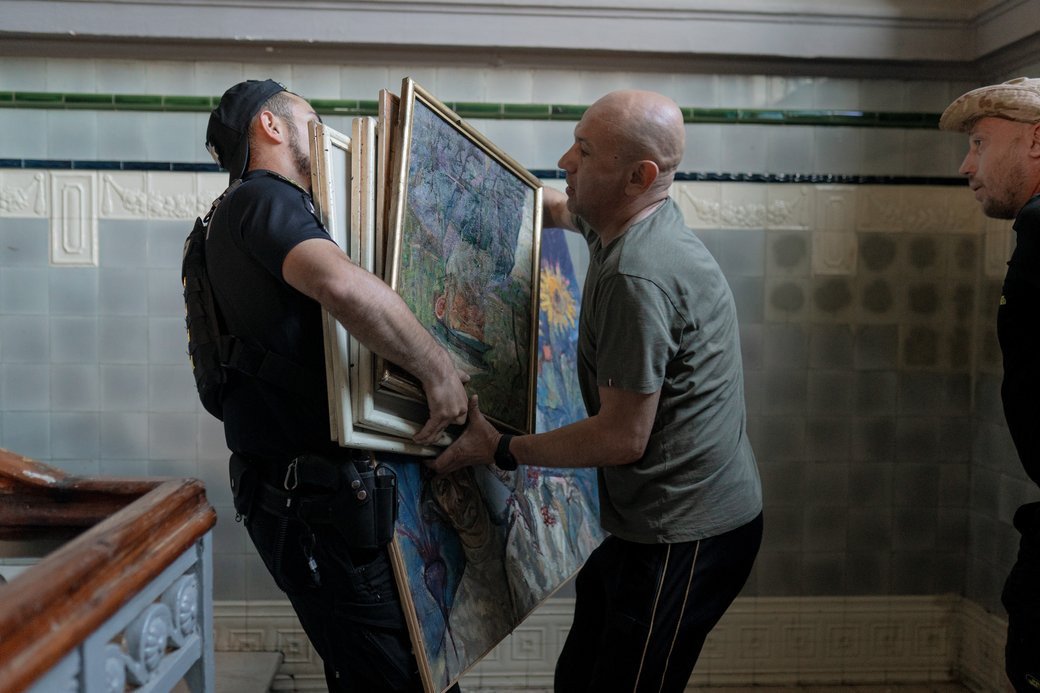
The most valuable pieces from the Kharkiv Art Museum were evacuated in 2022, and at the time of the Russian strike on June 14, the exhibition halls were empty, according to Vira Yarova, the museum’s chief curator in a comment to Suspilne Kharkiv.
She said that the most prominent works had already been relocated by the state in 2022. “The most famous paintings that were in this museum were relocated in 2022; they were removed by the state. But the works that remained here are our values, our history,” Yarova noted.
According to her, the museum conducted several stages of evacuation for the most valuable items, but due to the size of the collection—over 26,000 objects—part of it inevitably remained on site.
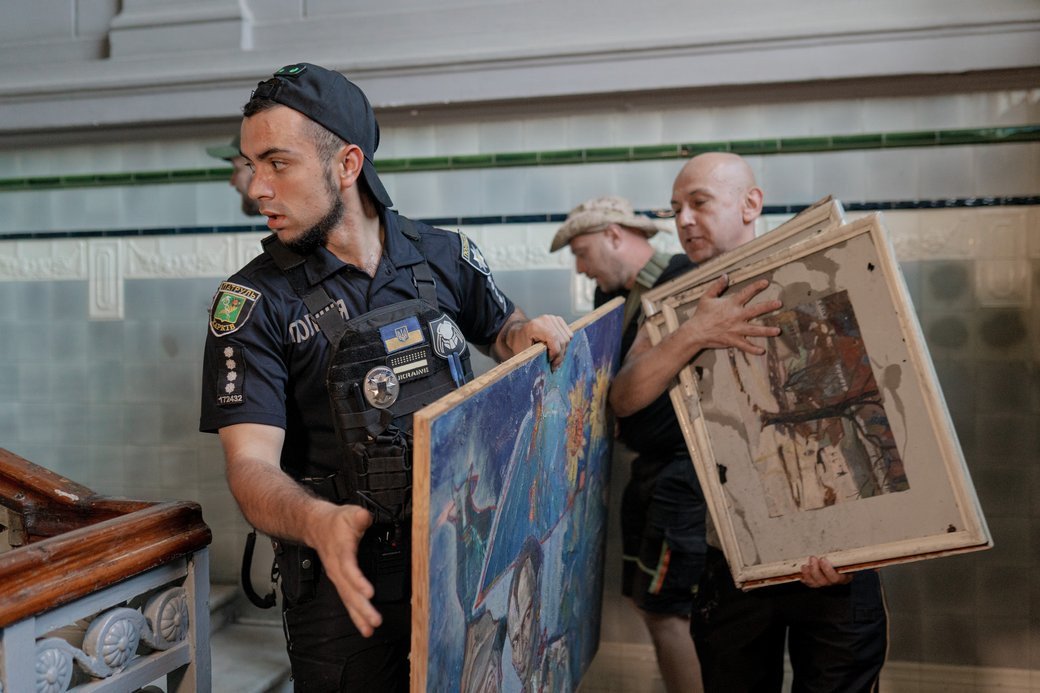
The Kharkiv Art Museum is a fine arts museum located in the city of Kharkiv and is considered one of the largest art museums in Ukraine. It houses an extensive collection of Ukrainian and international fine and decorative arts.
The museum occupies a former mansion built in 1912 for industrialist and millionaire Ivan Ignatishchev.
During the Soviet period, the museum was initially placed in the premises of the abandoned Pokrovsky Monastery in Kharkiv, which were poorly suited for storing artworks due to humidity and lack of heating. The collection was later moved to a five-storey building on Baseina Street, 18, and the institution became known as the Ukrainian State Art Gallery.
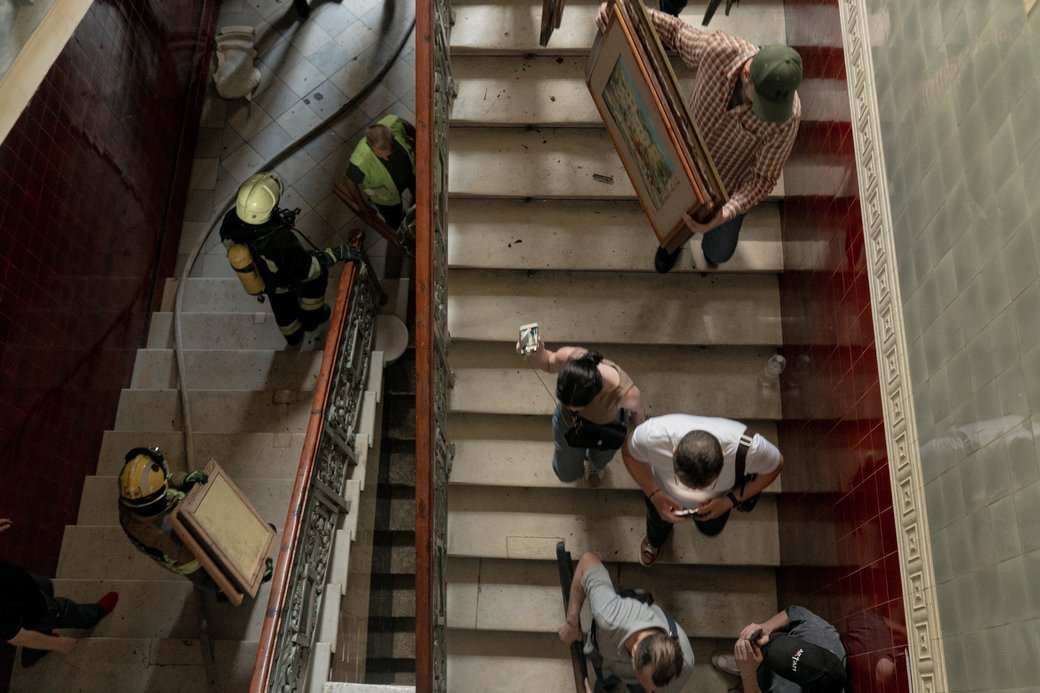
During the German occupation, the gallery’s collection was partially used by German officers and stored as a free resource for decorating military facilities, including officers’ clubs, dining halls, headquarters, and residences. A portion of the artworks was also taken to Germany.
Only a small part of the collection was evacuated during the war, with around 4,700 items relocated to Novosibirsk out of approximately 75,000 pre-war exhibits.
Officially established in Soviet times in 1920, the Kharkiv Art Museum existed under various names, beginning as the Church-Historical Museum. Its initial collections were formed from holdings of the Kharkiv and Volyn diocesan antiquities repositories, as well as Kharkiv University.
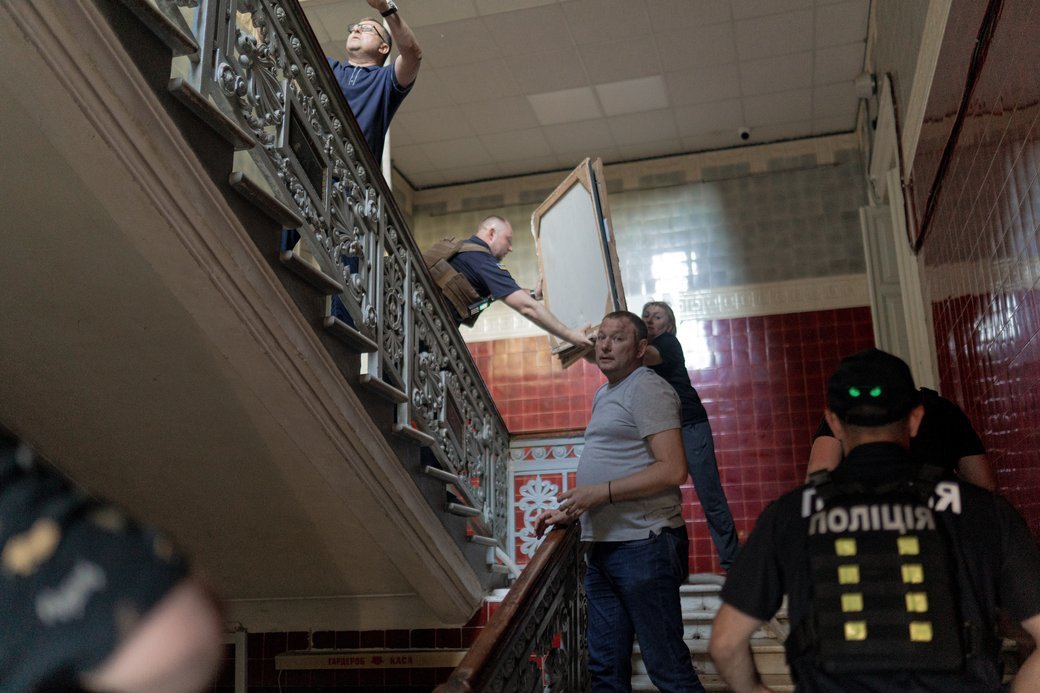
Over time, the museum was further expanded with religious artifacts collected from churches and monasteries in Kharkiv and surrounding areas during the registration of historical monuments, many of which were later sold at foreign auctions.
Since 1986, the Kharkiv Art Museum has operated in a dedicated exhibition building.
International legal instruments explicitly prohibit. Additional Protocol I to the Geneva Conventions (1977), Article 53, states that historic monuments, works of art, and places of worship which form part of the cultural or spiritual heritage of peoples must not be subjected to hostile acts, must not be used for military purposes, and cannot be targeted as a form of reprisal.
The massive Russian attack on June 15 left 30 people injured, including two children aged five and six. At the same time, the death toll in the capital has risen to five as a result of the large-scale strike.
Discuss this article:
-9a7b3a98ed5c506e0b77a6663f5727c5.png)


-c439b7bd9030ecf9d5a4287dc361ba31.jpg "Photo of Katherina Popilnichenko")


-111f0e5095e02c02446ffed57bfb0ab1.jpeg "Photo of Roman Kohanets")