- Category
- World
Russian Fuel Output Drops Up to 40% as Key Refineries Remain Offline
 Prefer U24 Media on Google
- Authors

-72b63a4e0c8c475ad81fe3eed3f63729.jpeg "Photo of Cyril Barabaltchouk")
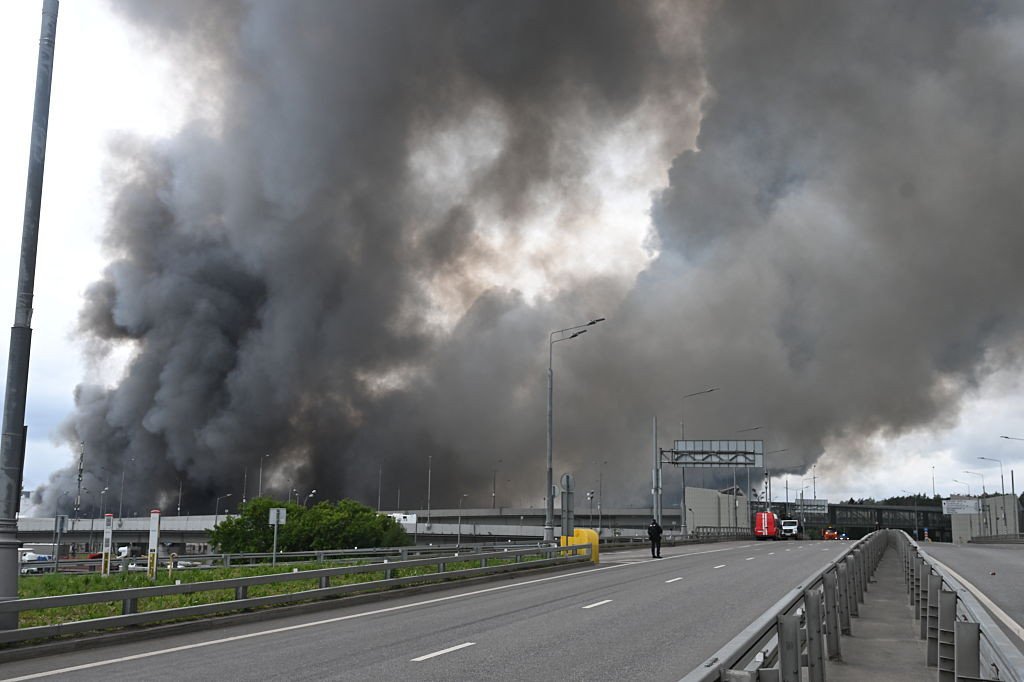
Russian oil companies have restored slightly less than half of their refining capacity damaged by drone strikes in recent months, The Moscow Times reported on July 21, citing Russian state media.
As a result, facilities with a combined capacity of 45 million tons of crude annually remain offline.
While processing plants with a combined capacity of 40 million tons per year have resumed selling fuel on commercial exchanges following emergency repairs, at least 10 Russian refineries were forced to halt operations during June and July due to drone attacks.
We bring you stories from the ground. Your support keeps our team in the field.
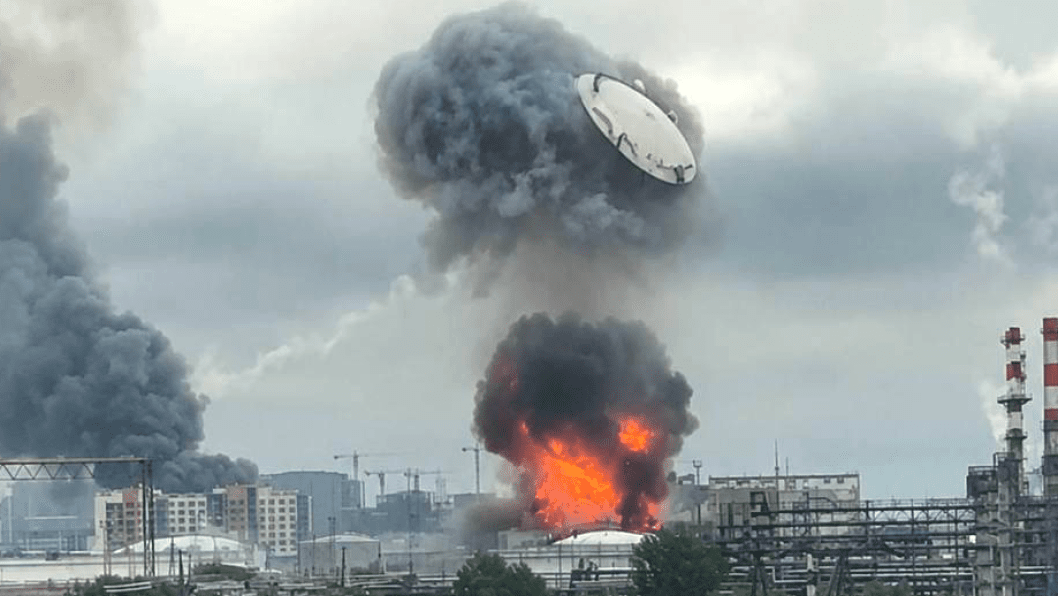
Over the past three weeks alone, crude intake was suspended at the Gazpromneftekhim Salavat facility, Rosneft’s Syzran and Saratov refineries, Gazprom Neft’s Omsk plant, and Lukoil’s Nizhny Novgorod facility. Top-tier plants shut down in June also included Gazprom Neft’s Moscow refinery and Tatneft’s Taneco facility in Nizhnekamsk, The Moscow Times reported.
The wave of strikes drove overall Russian oil refining volumes down to a 20-year low of 3.5 million barrels per day, according to industry estimates cited by The Moscow Times. Although domestic fuel supply has begun to stabilize as new capacity comes back online faster than it is knocked out, oil firms have been forced to draw down commercial gasoline reserves from 1.7 million tons in late June to 1.5 million tons.
A complete restoration of national fuel output—which fell by 25% for gasoline production and 40% for diesel production—will take at least two months assuming no further strikes occur, industry sources told Reuters. The most severe destruction occurred at Gazprom Neft’s Moscow refinery, where full repairs are expected to drag on until 2027 and cost approximately $1 billion.
High seasonal demand over the next two months will likely prevent any rapid market stabilization, NEFT Research Managing Partner Sergey Frolov noted, as cited by The Moscow Times.
Frolov emphasized that supply and demand cannot rebalance instantly, adding that a meaningful increase in fuel output will only become achievable toward the end of the year as additional damaged facilities complete repairs and return to operation.
The slow recovery comes as the country struggles with widespread fuel shortages across dozens of Russian regions, where local authorities have been forced to restrict gasoline sales and tap into dwindling reserves.
Discuss this article:


-c439b7bd9030ecf9d5a4287dc361ba31.jpg "Photo of Katherina Popilnichenko")


-111f0e5095e02c02446ffed57bfb0ab1.jpeg "Photo of Roman Kohanets")