- Category
- World
Banks in Friendly Nations Hit Cash Rubles With Massive Fees Amid Massive Influx From Russia
 Prefer U24 Media on Google
- Authors

-72b63a4e0c8c475ad81fe3eed3f63729.jpeg "Photo of Cyril Barabaltchouk")
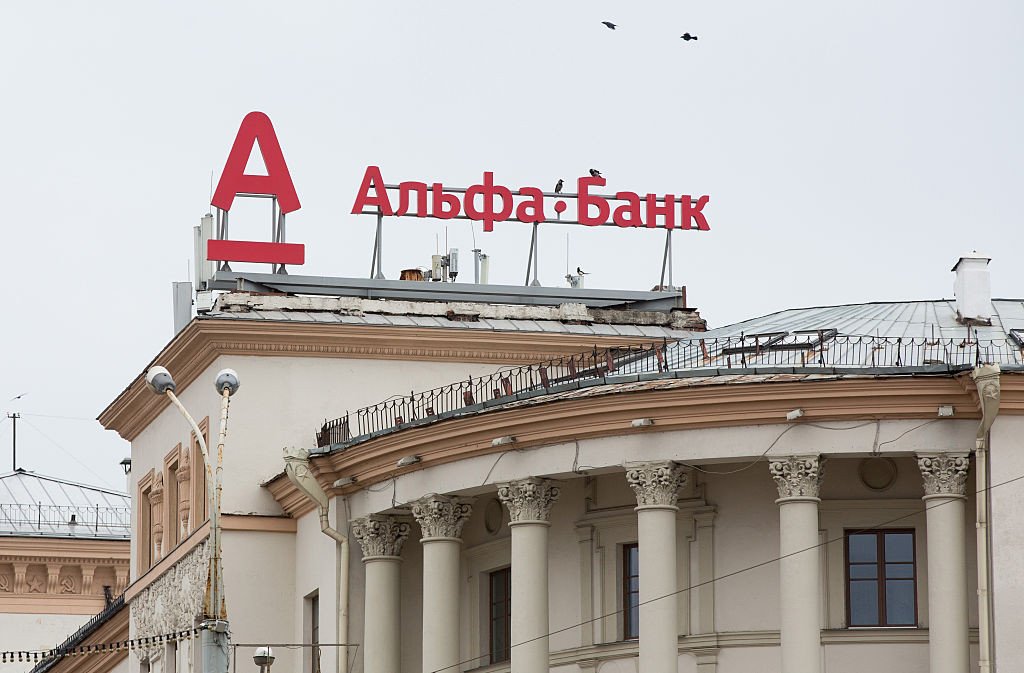
Banks in countries “friendly” to Russia within the Eurasian Economic Union (EAEU) have begun tightening conditions for depositing cash rubles into accounts since June, The Moscow Times reported on July 1.
In Belarus, at least eight credit organizations—including Alfa-Bank, Belarusbank, BelVEB, BNB-Bank, MTBank, Sber Bank, Technobank, and Zepter Bank—introduced a commission of 2% to 5% for such transactions. In Kazakhstan, CenterCredit (BCC) also introduced a 5% fee for accepting cash through cash desks, terminals, and ATMs, while Kyrgyzstan’s EcoIslamicBank established a similar rate for SWIFT transfers.
We bring you stories from the ground. Your support keeps our team in the field.
The Moscow Times reported that some Armenian banks have completely suspended operations with cash rubles altogether, including account deposits, while continuing non-cash settlements on previous terms. Financial market sources noted that EAEU banks are facing a severe surplus of the Russian national currency. According to the National Bank of Kazakhstan, the republic’s exchange offices purchased 6.5 billion rubles ($83.44 million) in April and 4.7 billion rubles ($60.33 million) in May.
“Processing cash requires storage, transportation, and authenticity verification, and there is often no demand for rubles abroad, which makes such operations unprofitable for local banks,” Expert RA Managing Director Yuri Belikov stated.
The massive influx of ruble cash into EAEU countries comes amid an overall surge of currency in circulation inside Russia, which has grown by about 1.4 trillion rubles ($17.97 billion) since the beginning of the year. Additionally, this migration of capital occurred as domestic oversight over large transactions intensified.
“Depositing more than 5 million rubles ($64,185) for individuals and 30 million rubles ($385,109) for legal entities in cash within 30 days, followed by a rapid withdrawal abroad, is considered suspicious by Russian banks,” Pen & Paper law firm advisor Roman Kuzmin noted, according to the publication.
-44c925e1fe4bfba894eb6248de861461.jpg)
Kuzmin reminded that such accounts risk being blocked under these indicators. Meanwhile, a presidential decree restricting the export of cash to EAEU countries to amounts exceeding $100,000 has been in effect since April 1, a tightening that the Federal Customs Service attributed to a rising number of cases involving the transport of large ruble sums, The Moscow Times wrote.
The escalating domestic strain from long-range aerial strikes has also intensified panic among Russian business elites over severe economic instability and potential state asset seizures. This anxiety is compounded by damage to nine out of ten of Russia’s largest oil refineries and a climbing federal budget deficit that has surpassed 6 trillion rubles ($77.02 billion), sparking widespread internal fears that the Kremlin may confiscate private bank deposits to continue funding its front-line operations.
Discuss this article:


-c439b7bd9030ecf9d5a4287dc361ba31.jpg "Photo of Katherina Popilnichenko")



-111f0e5095e02c02446ffed57bfb0ab1.jpeg "Photo of Roman Kohanets")