- Category
- World
81% of Russians Now Cut Back on Food as War Drains Household Budgets, Intel Reports
 Prefer U24 Media on Google
- Authors

-111f0e5095e02c02446ffed57bfb0ab1.jpeg "Photo of Roman Kohanets")
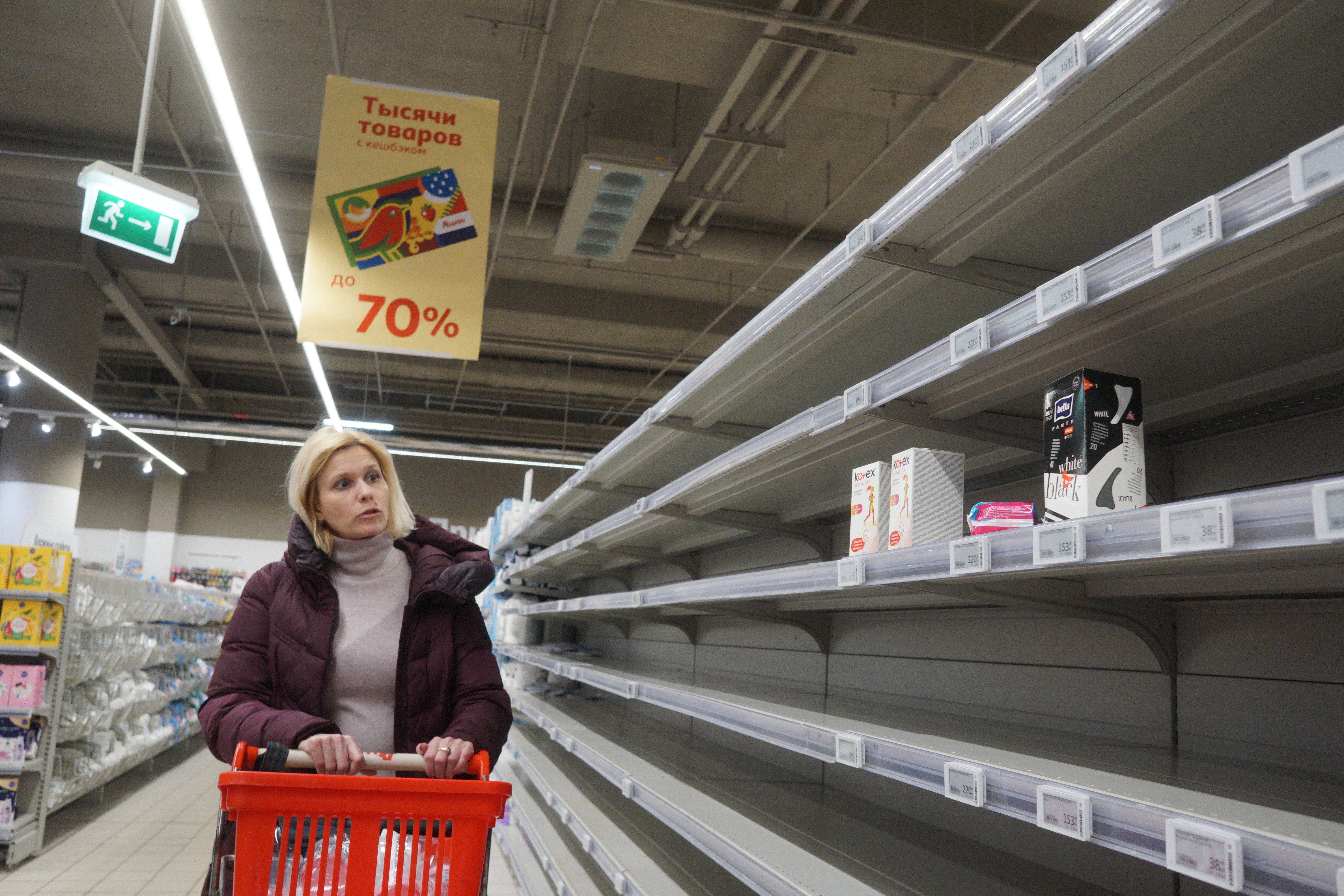
A growing share of Russians are cutting back on food, clothing, and small daily comforts as the war drains household budgets and pushes the country toward deepening poverty.
This was reported by Ukraine's Foreign Intelligence Service (SZRU) on its official website on June 29.
We bring you stories from the ground. Your support keeps our team in the field.
“The war, which the Kremlin markets to its public as a ‘structural transformation,’ has instead set off an irreversible slide into hardship,” the agency noted.
Cutting back on the basics
According to the agency, 34% of Russians have recently been forced to start economizing on food. They joined another 47% who were already cutting food costs, bringing the total share of Russians saving on groceries to 81%.
Stagnating real incomes and the high cost of sustaining the occupation army have left ordinary consumers squeezed by a fuel crisis, rising fuel prices, higher utility bills, and shortages of imported goods.
The price shock has hit the basic grocery basket hardest, turning meat, fresh fish, and even seasonal vegetables into luxuries.
Many shoppers have switched to the cheapest own-brand substitutes and dropped sweets and out-of-season fruit altogether.
The squeeze has spread well beyond food, eroding what remained of the country's middle class:
28% have cut back on clothing purchases, on top of 54% who already economized;
a growing share now buys the cheapest Chinese replicas on online marketplaces;
43% have gone years without refreshing their wardrobe.
Dining and daily habits in retreat
The services and dining sectors are also weakening, with many Russians reducing routine spending on cafés, restaurants, and takeaway coffee.
61% have stopped going to cafés and restaurants;
39% have given up their daily takeaway coffee;
28% now bring homemade meals to work.
-f9dfe5a91bdeceaca1da449afa83ddd6.png)
Poverty is reframed as personal failure
State propaganda has shaped a mindset in which scrimping and counting rubles are treated as personal failure rather than the result of policy.
In the agency's reading, Russia is displaying a textbook collapse of a militarized economy. Starved of global capital and burdened by low labor productivity, it is paying for its showcase investments in defense plants straight from citizens' pockets through a falling quality of life.
Many Russians are already preparing for something darker, withdrawing their money from banks and into cash. Cash held outside the banking system has climbed by roughly $13.6 billion since the start of the year—the fastest pace for that stretch since the pandemic.
May's jump was the largest for the month in records dating to 1995, and analysts tie the rush to geopolitical and economic uncertainty, prompting households to keep funds on hand, even as banks tighten scrutiny of large ATM withdrawals.
The flight from the banks marks the first such retreat since the 2022 mobilization panic. Households began withdrawing from long-term deposits for the first time since October 2022, redirecting savings into physical cash and big-ticket purchases such as cars, whose sales jumped more than 30% year-on-year in March.
Falling interest rates and disruptions to online payments have accelerated the move toward holding money in hand.
Discuss this article:

-c439b7bd9030ecf9d5a4287dc361ba31.jpg "Photo of Katherina Popilnichenko")