- Category
- World
Russia Denies Budget Crisis as Russia’s Deficit Soars Past $83B
 Prefer U24 Media on Google
- Authors

-c439b7bd9030ecf9d5a4287dc361ba31.jpg "Photo of Katherina Popilnichenko")
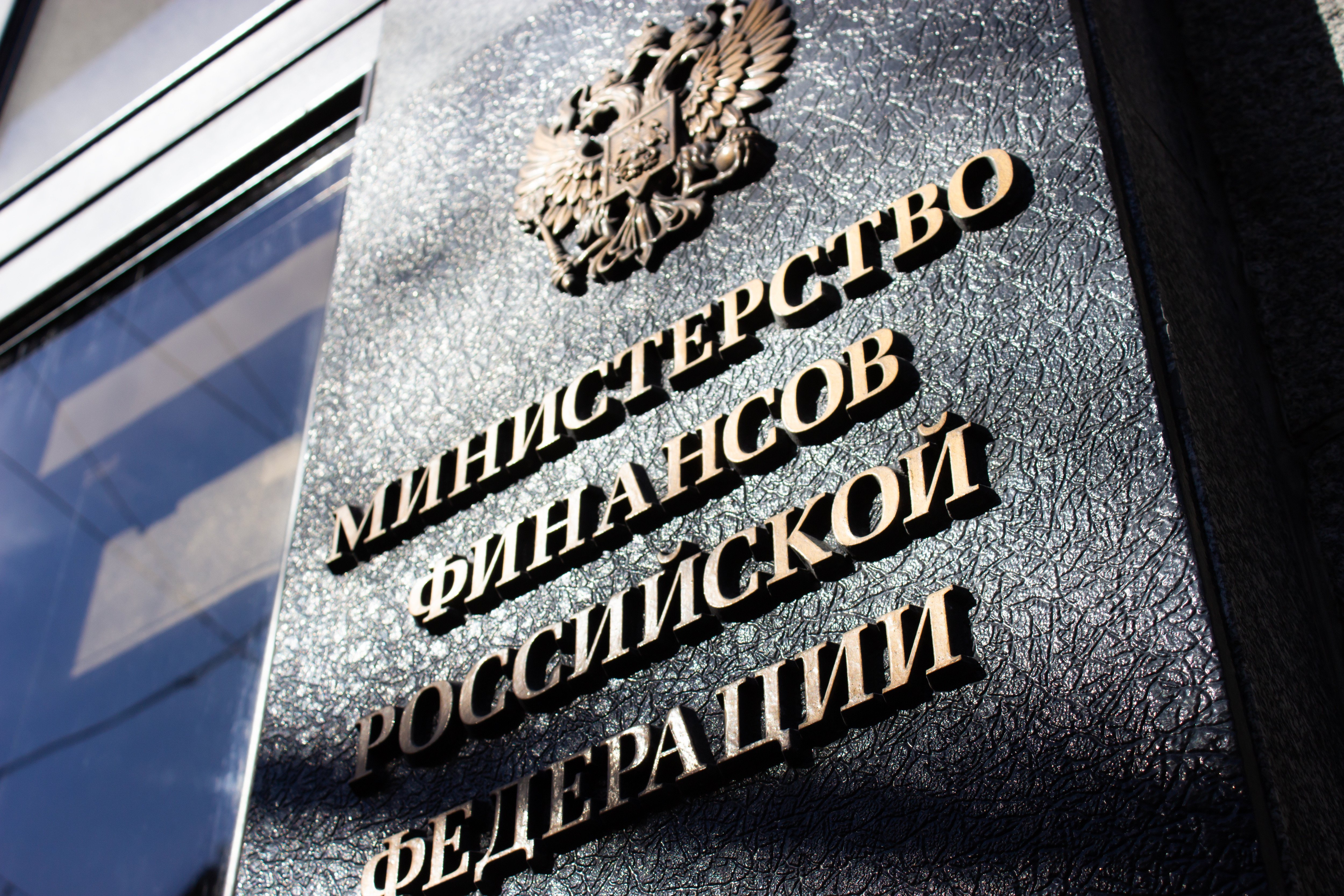
Russian officials are dismissing concerns regarding the country’s growing federal budget deficit, which surpassed 6 trillion rubles ($83.5 billion) by the end of May.
Despite this shortfall being significantly higher than previous figures, the Ministry of Finance maintains that the government’s financial operations remain on track, according to The Moscow Times on June 10.
We bring you stories from the ground. Your support keeps our team in the field.
During a session in the State Duma on Wednesday, Deputy Finance Minister Irina Okladnikova addressed the state of the national treasury. "We do not believe that we have a budget crisis. The budget is being executed in accordance with the schedule," Okladnikova stated. She acknowledged that government spending is occurring at a faster pace than in previous periods, which she noted is "influencing the deficit indicators."
According to official data from the Ministry of Finance, federal revenue for the first five months of the year reached 14.781 trillion rubles ($205.7 billion), while expenditures climbed to 20.791 trillion rubles ($289.5 billion).
The resulting deficit of 6.01 trillion rubles ($83.7 billion) is double the amount recorded at the same point last year and exceeds the government’s target for the entire year by 1.6 times.
This fiscal gap is largely driven by a combination of declining energy revenues and rising state spending. Oil and gas revenues fell by 30 percent between January and May, while non-oil and gas income increased by 12 percent.
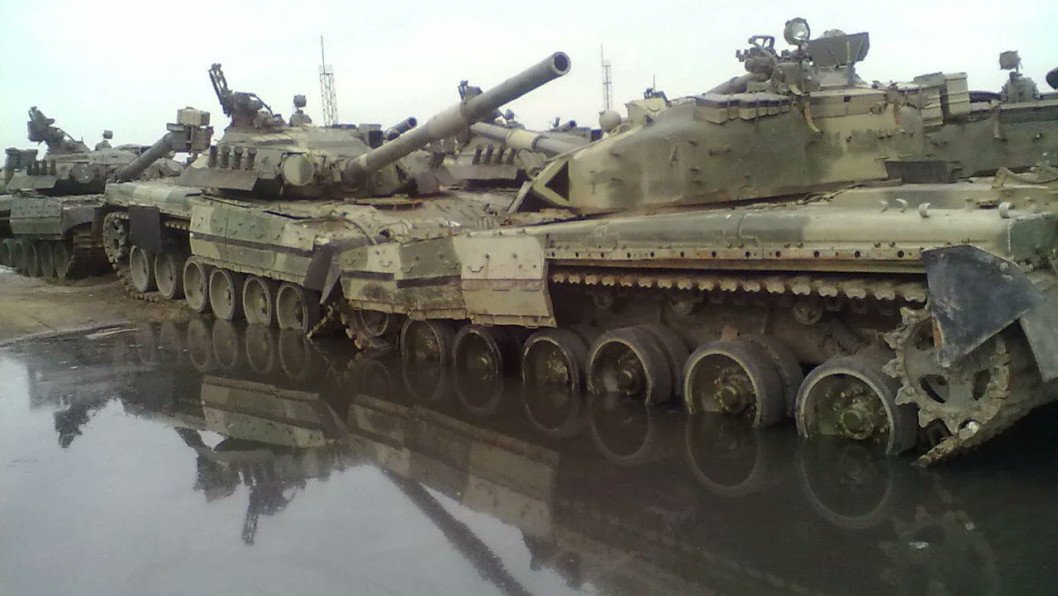
Overall, total receipts saw a marginal increase of 0.3 percent, failing to keep pace with a 17 percent surge in government spending, a rise linked to the costs associated with Russia’s full-scale invasion of Ukraine.
Okladnikova characterized the situation as a minor adjustment. "We see a slightly larger increase in the deficit, but again this is linked to the fact that subjects are not returning, somewhere we have certain expenses growing a bit more, which, naturally, in the current situation should grow, and there is no sense in not confirming this, this is a given. Therefore, we do not see any risk in this," the deputy minister explained.
Last week, Finance Minister Anton Siluakov warned that the federal deficit is likely to exceed government projections again this year. Last year, the total shortfall in the federal treasury reached 5.6 trillion rubles ($77.9 billion), despite initial plans to reduce it to 1.2 trillion rubles ($16.7 billion).
Including regional deficits and the gap in the Social Fund, the total deficit of Russia’s budgetary system has reached 8 trillion rubles ($111.3 billion).
The European Commission presented a new package of restrictive measures against Russia on June 9, targeting critical sectors of its war economy including energy, financial services, cryptocurrencies, and trade.
European Commission President Ursula von der Leyen announced that the proposed measures aimed to limit Russia's oil revenues by adjusting the price cap mechanism and sanctioning additional vessels within the country's "shadow fleet."
Furthermore, the package introduced new financial restrictions, such as transaction bans on dozens of Russian banks and firms in third countries, while also imposing tighter export controls on goods and technologies essential to Russia’s military-industrial complex.
Discuss this article:
-4a56a6b482ec132402c16ef6fcabf9a2.png)

-111f0e5095e02c02446ffed57bfb0ab1.jpeg "Photo of Roman Kohanets")

-a0d157e1f6f04033b54a1b71f05dabe3.jpg "Russia’s Military Is Expanding Across Africa. Suspiciously, So Is Its Church")