- Category
- World
Russia’s Aging Infrastructure and Water Crisis Lead to Thousands of Deaths
 Prefer U24 Media on Google
- Authors

-c439b7bd9030ecf9d5a4287dc361ba31.jpg "Photo of Katherina Popilnichenko")
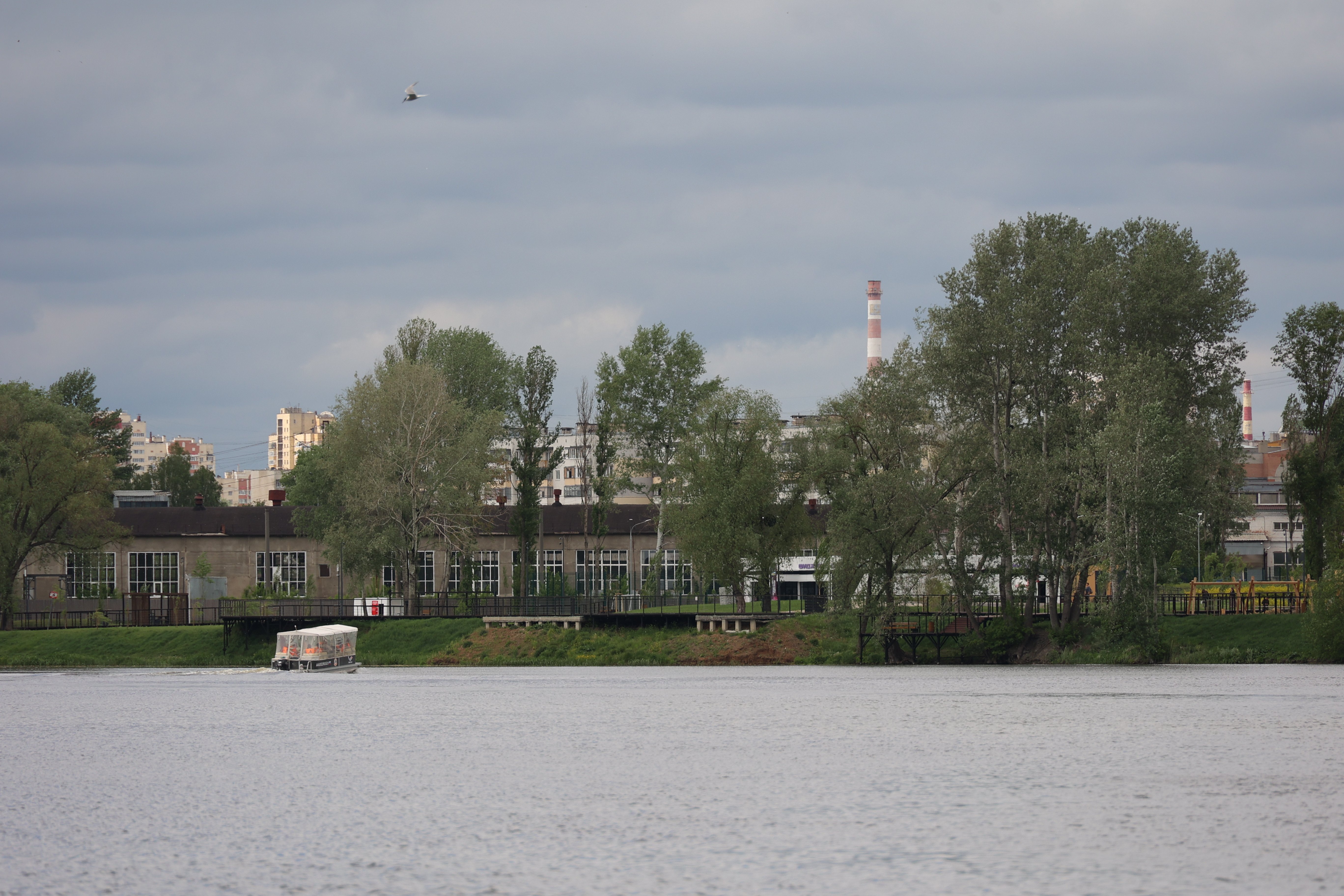
Environmental hazards, including the degradation of water, air, and soil, caused approximately 21,600 premature deaths in Russia last year.
According to data from Rospotrebnadzor analyzed by the project “If to be Precise,” these conditions led to 2.6 million reported illnesses and generated an economic impact of 188.5 billion rubles ($2.57 billion), as reported by The Moscow Times on June 9.
We bring you stories from the ground. Your support keeps our team in the field.
The primary driver of these fatalities is poor drinking water quality, which the agency estimates caused 12,400 deaths ($169.2 million in economic impact equivalent) and 1.5 million illnesses.
While overall mortality from water-related diseases has dropped by roughly one-third over the last decade, digestive tract issues remain the most frequent outcome, accounting for about 7,000 deaths ($95.5 million).
Additionally, 3,000 deaths ($40.9 million) were linked to circulatory system ailments, and 2,100 ($28.7 million) were attributed to malignant tumors. Mortality rates in 22 regions, including the Tver, Novgorod, Amur, and Kaliningrad regions, as well as Karelia, exceeded the national average.
The crisis is exacerbated by the deteriorating state of public utilities. Sergey Kolunov, a member of the State Duma Committee on Construction and Housing, noted that most water treatment facilities date back to the 1960s and 1970s, with an average wear and tear rate of 80%, reaching up to 90% in certain areas.

Furthermore, Alexander Kogan, deputy chair of the State Duma Committee on Ecology, reported that approximately 20% of the population lives without access to centralized or local water purification systems.
Duma deputy Ilya Volfson estimates that only 1 to 2% of communal infrastructure is updated annually, failing to keep pace with an estimated 3% yearly rate of decay.
Environmental monitoring data confirms the severity of the situation. High and extremely high pollution cases in Russian water bodies rose from 2,471 in 2022 to 3,095 in 2024. The number of instances of extremely high pollution nearly doubled over this period, increasing from 544 to 985.
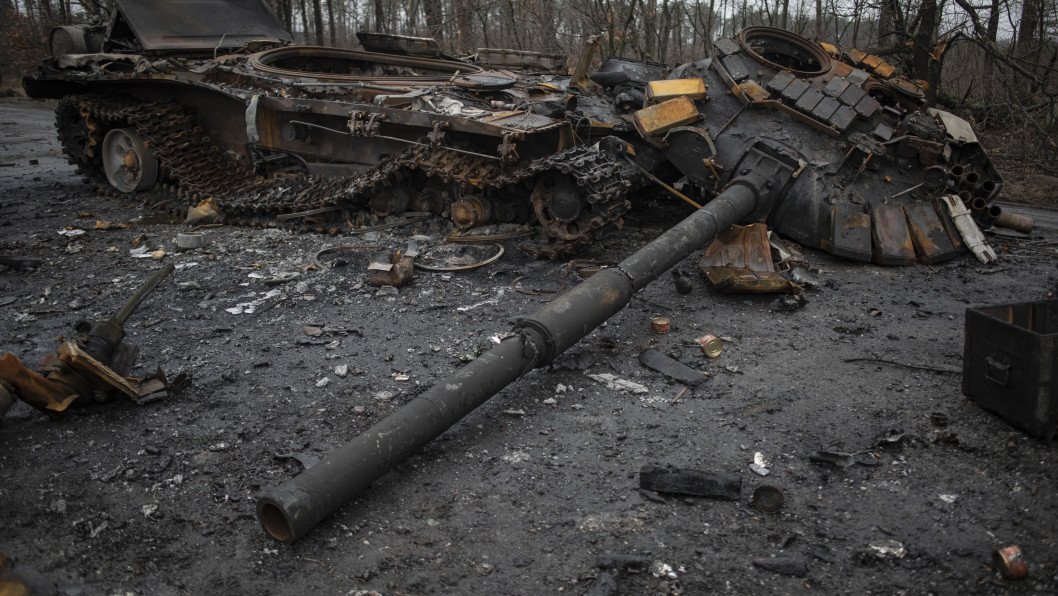
The Volga and Ob river basins are the most heavily impacted, containing over half of all high and extremely high pollution incidents. The Vladimir and Kurgan regions, along with the Yamalo-Nenets Autonomous Okrug, currently lead the country in the proportion of contaminated water bodies.
Following the start of its full-scale invasion, Russia committed over 7,000 documented environmental crimes in Ukraine, which caused damages estimated at €72.9 billion ($76 billion).
These damages included extensive soil and land contamination, the destruction of nature reserves and protected ecosystems, and significant air and water pollution.
Discuss this article:



-111f0e5095e02c02446ffed57bfb0ab1.jpeg "Photo of Roman Kohanets")



-a0d157e1f6f04033b54a1b71f05dabe3.jpg "Russia’s Military Is Expanding Across Africa. Suspiciously, So Is Its Church")