- Category
- War in Ukraine
Inside Moscow’s A-135 Missile Shield, a Soviet-Era System Armed With Nuclear Interceptors
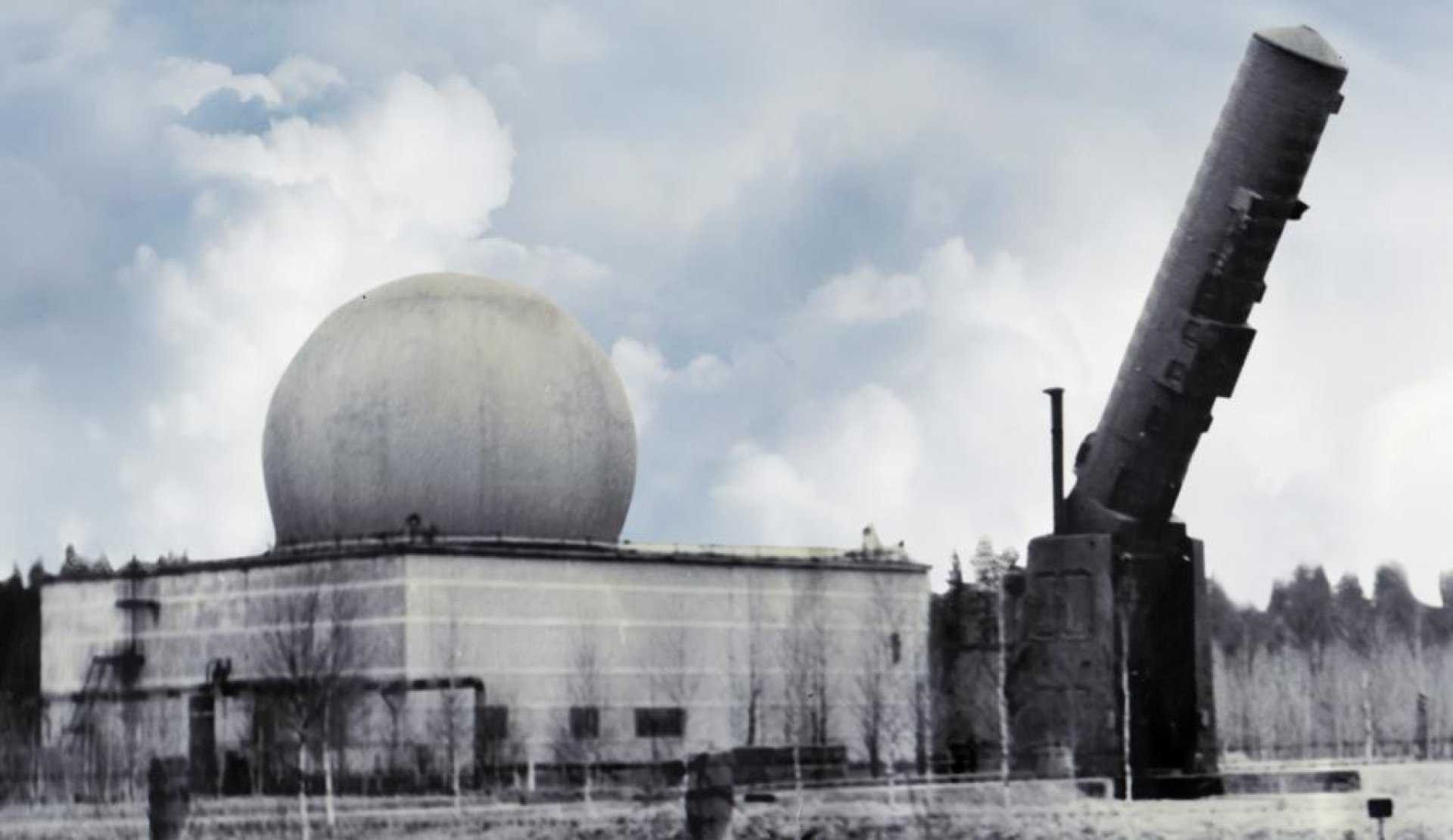
As Ukrainian drones continue to strike targets deep inside Russia, Moscow has expanded multiple layers of air defenses around the capital. Beyond rooftop-mounted Pantsir systems and S-400 batteries lies the Soviet-era A-135 missile shield—a Cold War system that still appears to rely on nuclear-tipped interceptors to defend Moscow.
 Prefer U24 Media on Google
- Authors


Moscow remains the only region in Russia protected by a dedicated strategic missile defense network designed to counter intercontinental ballistic missile attacks.
We bring you stories from the ground. Your support keeps our team in the field.
Unlike conventional air defense systems such as the Pantsir-S1 and S-400, the A-135 “Amur” missile defense system was specifically developed to intercept incoming ballistic missiles carrying nuclear warheads, according to an analysis published by Defense Express on June 9.
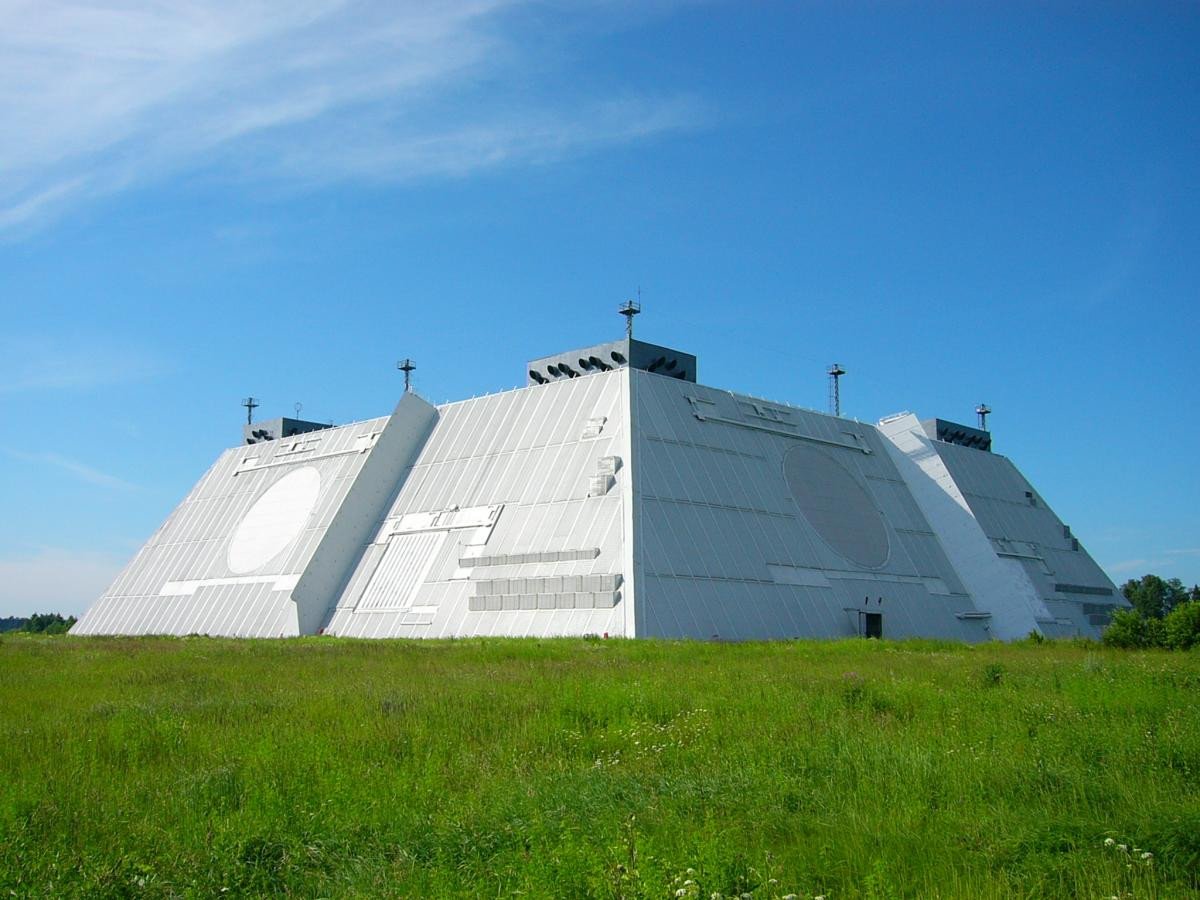
The system continues to form the core of Russia’s strategic defense of the capital and may now incorporate elements of the newer A-235 modernization program.
The centerpiece of the A-135 network is the Don-2N radar, a large phased-array tracking station located northeast of Moscow. According to Defense Express, the radar provides 360-degree coverage and is responsible for both detecting incoming threats and guiding interceptor missiles toward their targets.
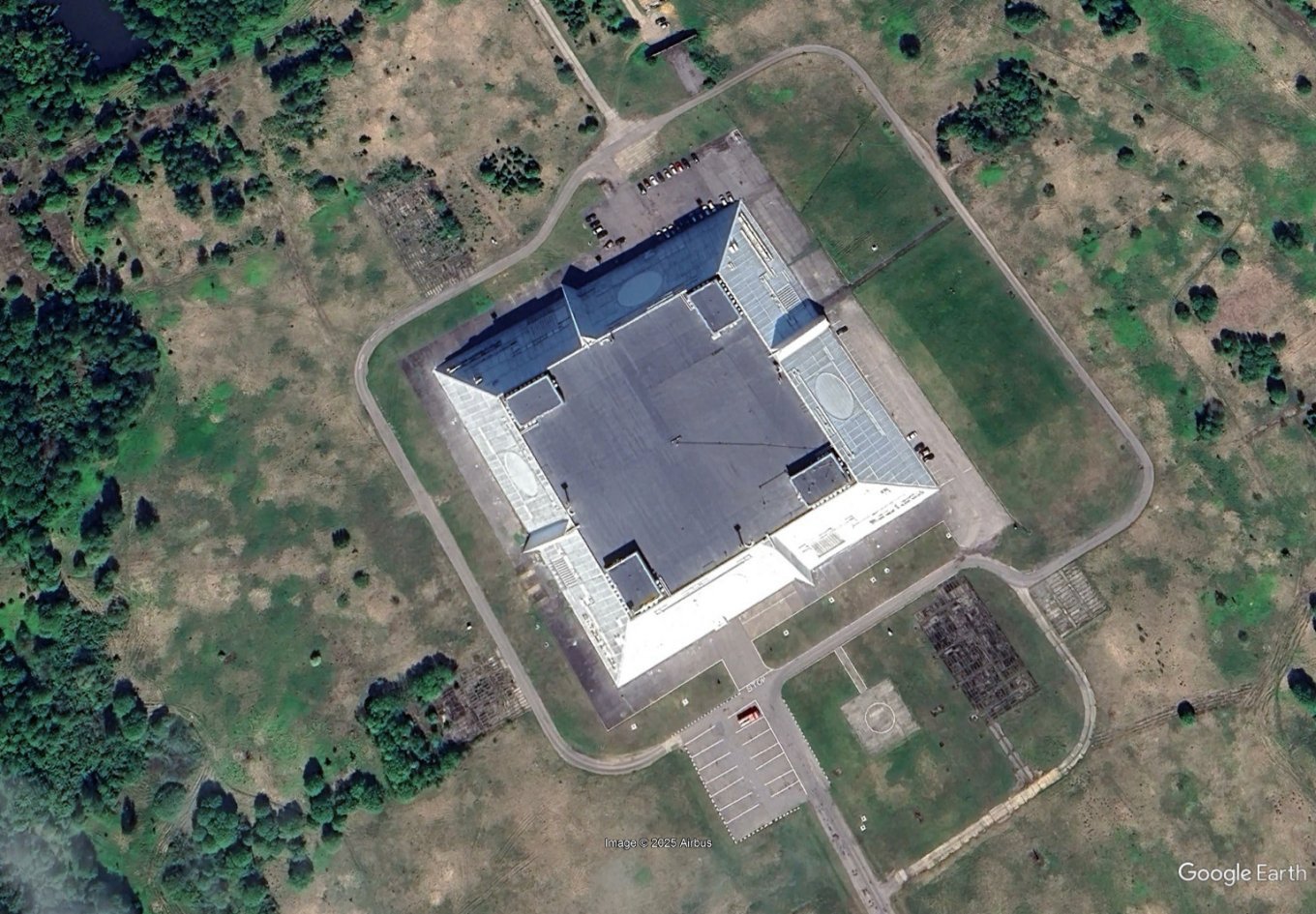
Russian sources have previously claimed the system can track ballistic missile warheads at ranges of up to 3,700 kilometers.
Why A-135 uses nuclear-tipped interceptors
According to Defense Express, the original A-135 architecture employed two classes of interceptor missiles. The long-range 51T6 interceptor was designed to engage targets outside the atmosphere, while the shorter-range 53T6 interceptor was intended to destroy incoming warheads closer to Moscow.
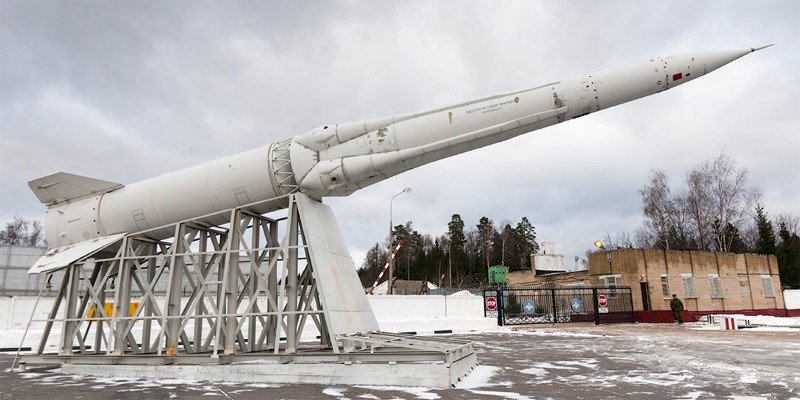
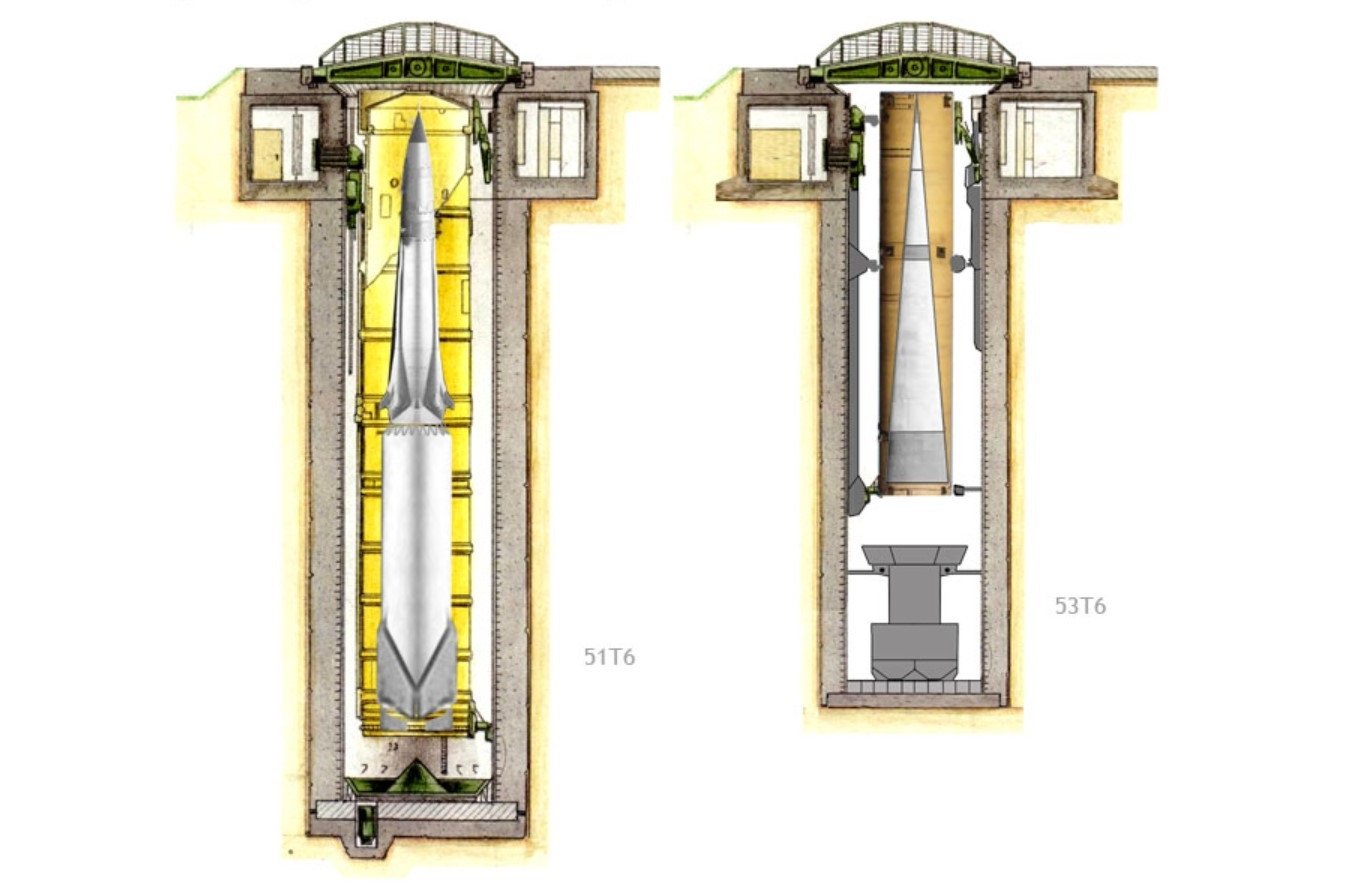
A key feature of both systems was their use of nuclear warheads rather than kinetic hit-to-kill technology. According to Defense Express, Soviet engineers relied on nuclear detonations to compensate for the limited accuracy of radio-command guidance systems.
The 53T6 interceptor reportedly carried a nuclear payload of around 10 kilotons, while some versions of the larger 51T6 were believed to carry warheads ranging from 10–20 kilotons to several megatons.
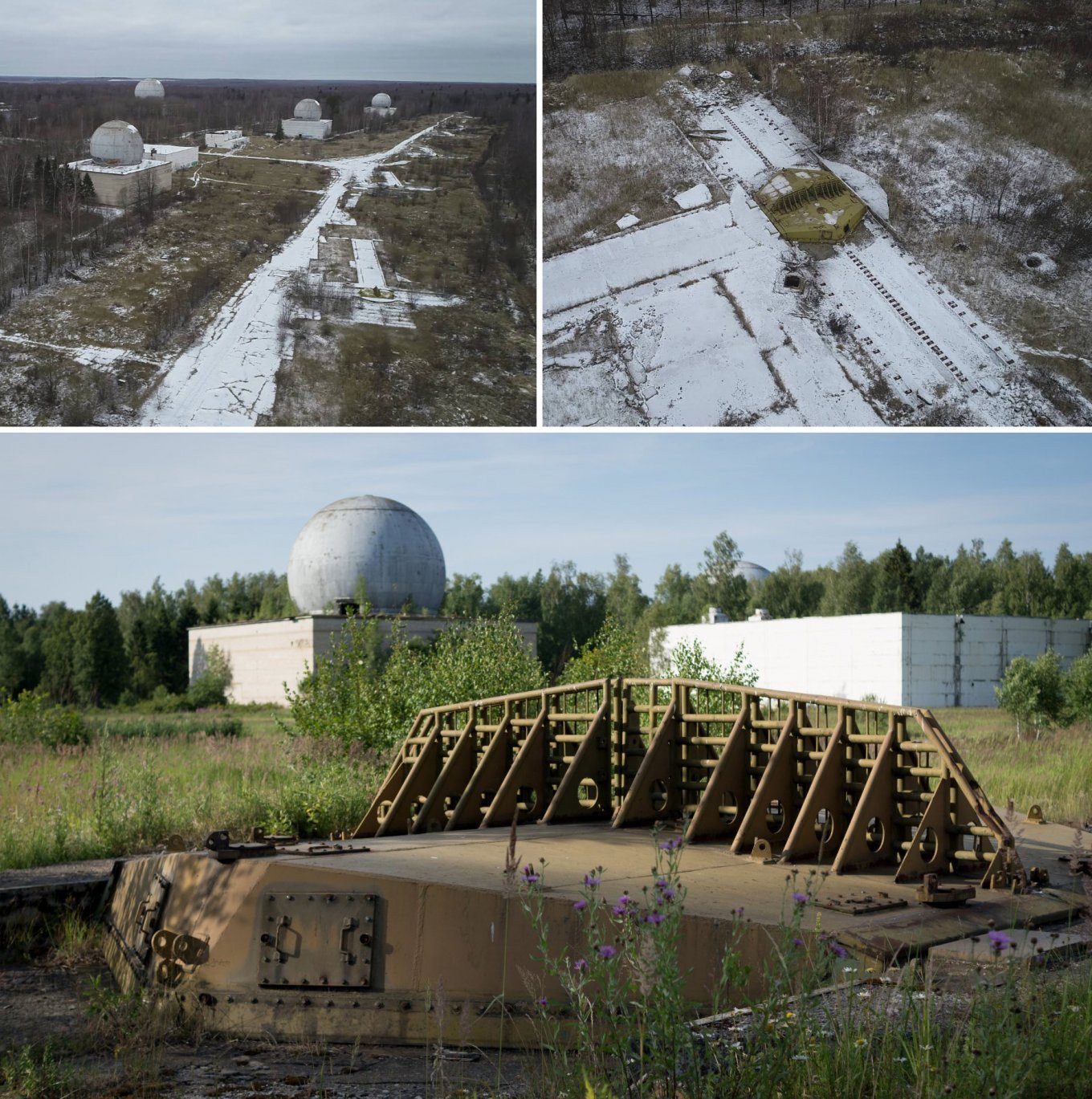
The publication noted that Russia has gradually retired the original 51T6 interceptors, while launch sites for the shorter-range 53T6 missiles remain active around Moscow.
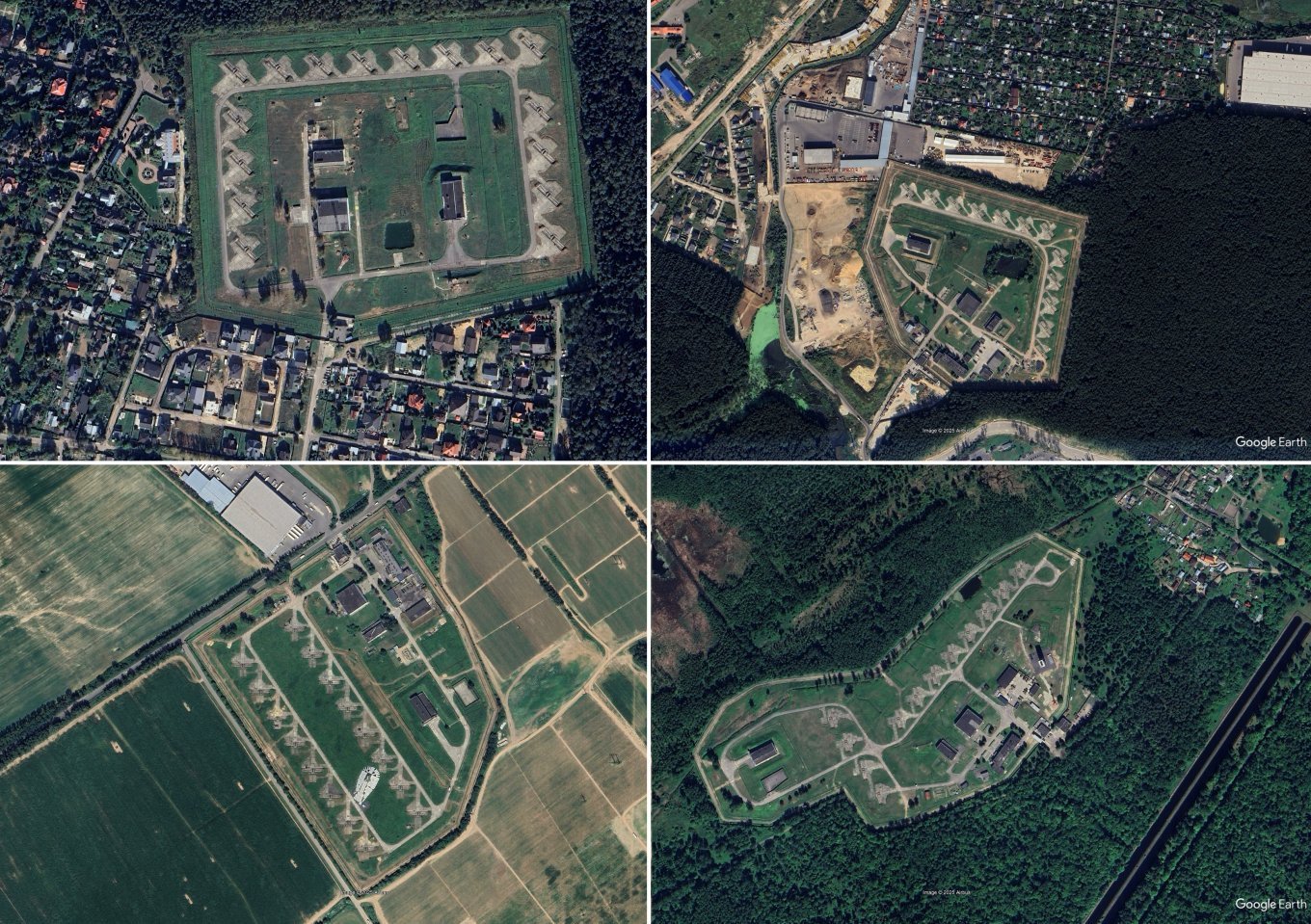
Open-source assessments cited by Defense Express indicate that multiple interceptor complexes are still operational in the Moscow region and may collectively house dozens of ready-to-launch missiles.
Russia has spent decades attempting to modernize the system through the A-235 program, commonly associated with the Nudol interceptor. Test launches of the missile have been reported since 2014, with the most recent publicly known launch taking place in 2024.
While Moscow’s missile shield has undergone upgrades since the Soviet era, Defense Express reported that available evidence suggests the system may still depend on nuclear-armed interceptors as its primary method of defeating incoming ballistic missile warheads.
🇷🇺👉A-235 PL-19 Nudol es un sistema de defensa hipersónico anti-ICBM y antisatélite pic.twitter.com/Y7kXQWMBGA
— aapayés (@aapayes) April 23, 2025
Multiple layers of defense around Moscow
Moscow’s missile defense network operates alongside a broader air defense architecture protecting the Russian capital. In recent years, Russia has expanded multiple defensive rings around Moscow, including Pantsir-S1, Pantsir-SMD-E, S-300, and S-400 systems.
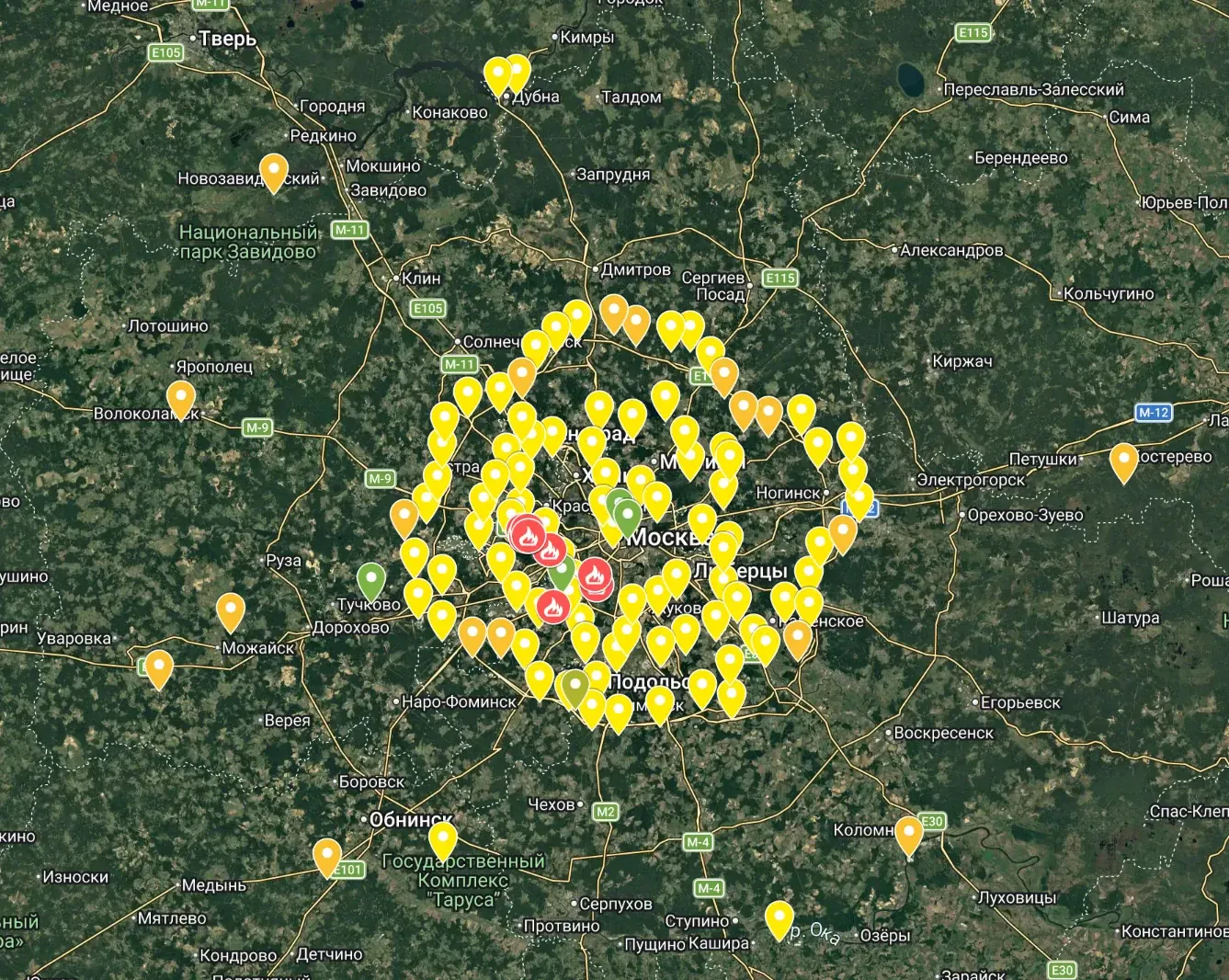
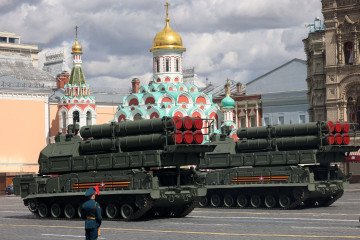
At least four Pantsir air defense systems have been installed on rooftops across Moscow since 2023, creating an additional layer of protection around key government facilities, including areas near the Kremlin. These deployments followed a series of long-range Ukrainian drone strikes targeting the Russian capital.
In May, representatives of Russia’s largest industrial and energy companies appealed to Russian leader Vladimir Putin for additional protection against drone attacks, including heavier weapons, electronic warfare systems, and emerging technologies such as laser-based defenses.

The request came amid a series of Ukrainian strikes on military, industrial, and energy infrastructure across Russia, highlighting concerns over the ability of existing air defense networks to protect critical facilities far from the front line.
Ukrainian long-range drones have repeatedly reached targets hundreds of kilometers inside Russian territory, including sites in and around the Moscow region.
Discuss this article:
-9a7b3a98ed5c506e0b77a6663f5727c5.png)


-72b63a4e0c8c475ad81fe3eed3f63729.jpeg "Photo of Cyril Barabaltchouk")