- Category
- War in Ukraine
EU Targets Russian Oil, Banks and Crypto in 21st Sanctions Package. Here's What We Know
 Prefer U24 Media on Google
- Authors


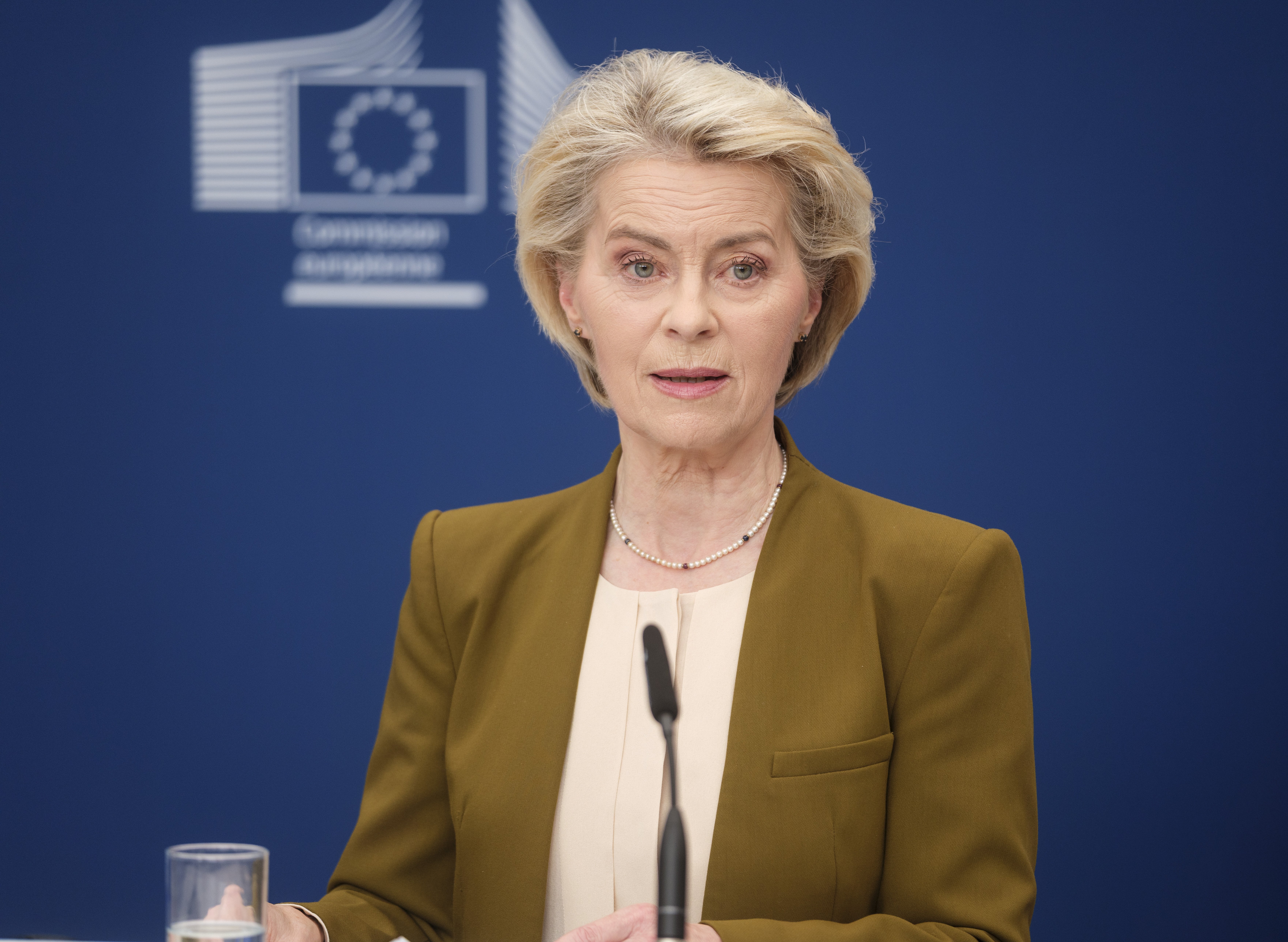
The European Commission presented a new package of restrictive measures against Russia on June 9, with the 21st sanctions package focusing on energy, financial services, cryptocurrencies, trade, and fisheries.
According to European Commission President Ursula von der Leyen, the proposed measures target sectors deemed to have the highest impact on Russia’s war economy, as reported by European Pravda correspondent.
We bring you stories from the ground. Your support keeps our team in the field.
The package must now be reviewed and unanimously approved by the Council of the European Union.
Oil price cap and revenue restrictions
A key focus of the sanctions is limiting Russia’s energy revenues, particularly oil exports. The Commission also proposes adjustments to the existing oil price cap mechanism.
“Our oil price cap has a built-in adjustment mechanism to reflect the market. It was not designed for market shocks such as those caused by the closure of the Strait of Hormuz, so we propose simply suspending the adjustment until January next year. This will give oil markets time to stabilize while maintaining pressure on Russia’s revenues,” von der Leyen said.
The EU also continues measures targeting Russia’s so-called “shadow fleet,” which is used to bypass sanctions and price caps.
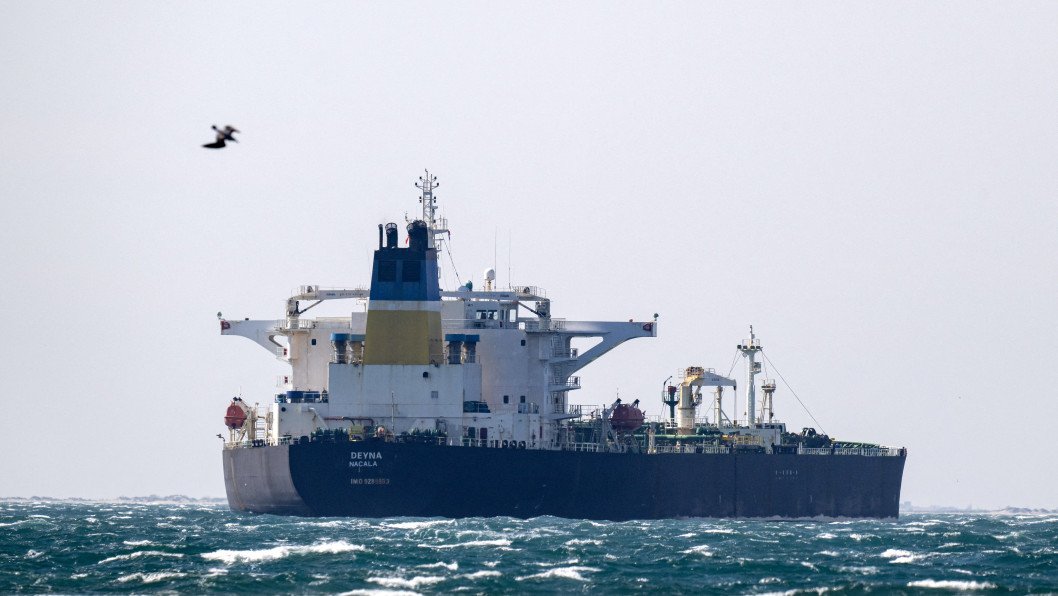
“Today we are proposing to list another 30 vessels in addition to the 632 already under sanctions. For the first time, we are also targeting vessels that support the shadow fleet, for example by providing towing and other services, and we are proposing to target critical infrastructure such as ports, airports or refineries that trade or process Russian oil,” she added.
The Commission also plans to restrict the sale of liquefied gas tankers to Russia, extending measures already applied to oil tankers.
Financial sector and crypto restrictions
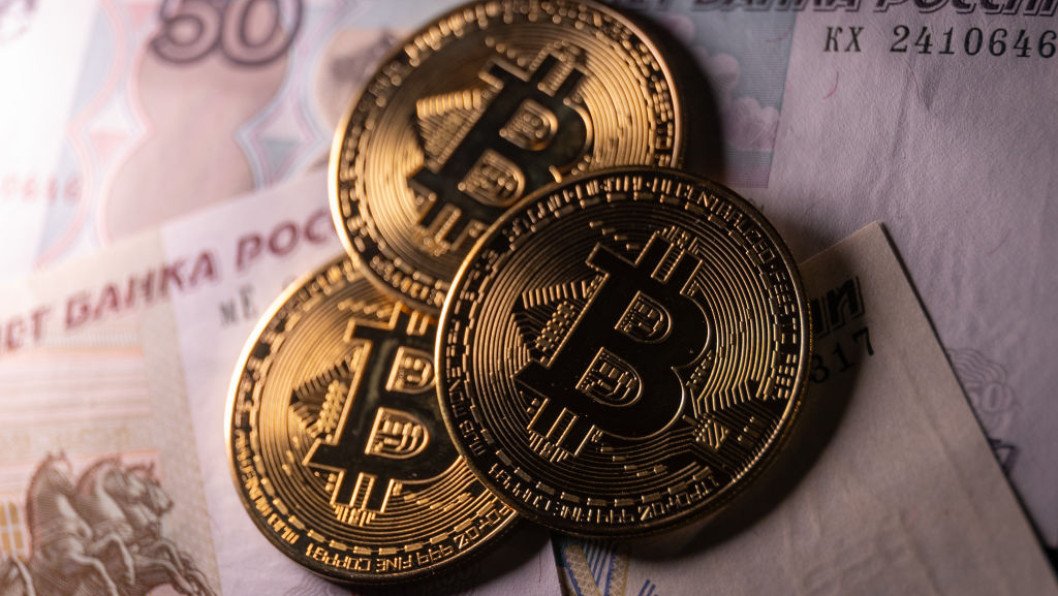
The proposed package introduces new financial restrictions, including transaction bans on an additional 31 Russian banks, as well as 20 banks, crypto firms, platforms, and oil traders in third countries accused of facilitating sanctions evasion.
For the first time, the EU also proposes the option of a full ban on cryptocurrency-related services for third countries.
Trade and industrial export controls
In the trade sector, the EU plans further export restrictions on goods and technologies used by Russia’s military-industrial complex.
“We are targeting more metals and alloys used in the aerospace and defense sectors. Regarding drones, we are proposing new bans on the export of ground support equipment, as well as jamming and launch systems, among other goods. We are also proposing new import bans on goods worth €60 million, including certain metals, metal ores or automotive parts,” von der Leyen said.
Fisheries and Belarus measures
For the first time, fisheries are included in EU sanctions, with proposed restrictions on certain fish imports and a full ban on others, including cod.
The Commission also said it will align trade restrictions on Belarus to prevent the country from being used as a “backdoor” for Russian trade.
“We will align trade restrictions for Belarus so that it cannot serve as a ‘backdoor’ for Russian trade,” von der Leyen added.
Just a day earlier, EU foreign policy chief Kaja Kallas announced that EU naval forces operating in the Mediterranean have been granted the authority to board vessels suspected of being part of Russia’s shadow fleet.
The move falls under the framework of the European Union’s Mediterranean naval mission, Operation IRINI. Kallas said the mission has revised its rules of engagement, enabling participating forces to conduct inspections of ships.
“Then on the freedom of navigation or maritime security, as such, we will also discuss the Shadow Fleet. Our Operation IRINI has changed the rules of engagement and has now started to board the ships as well,” Kallas said.
Discuss this article:

-72b63a4e0c8c475ad81fe3eed3f63729.jpeg "Photo of Cyril Barabaltchouk")