- Category
- Latest news
EU Prepares Sweeping Ban on All Russian Cryptocurrency Activity
 Prefer U24 Media on Google
- Authors

-72b63a4e0c8c475ad81fe3eed3f63729.jpeg "Photo of Cyril Barabaltchouk")
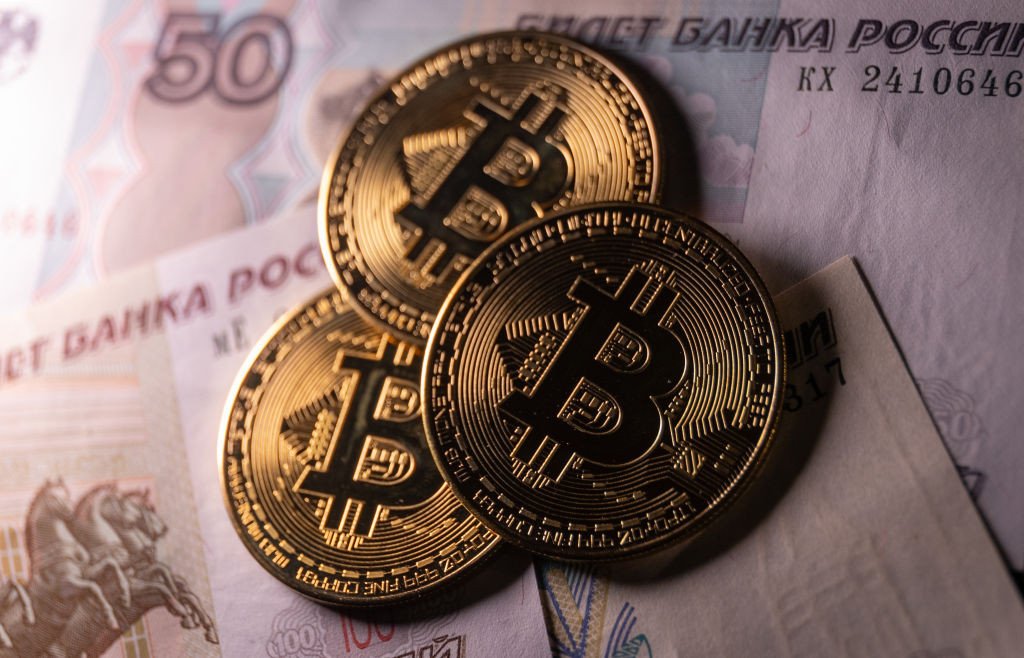
The European Union is preparing to impose a sweeping ban on all cryptocurrency-related activity connected to Russia, in an effort to cut off one of Moscow’s remaining channels for circumventing sanctions, the Financial Times reported on February 9, citing an internal European Commission document.
The proposal would mark a shift away from targeted restrictions on individual crypto platforms toward a blanket prohibition on any transactions involving Russian-registered crypto services or exchanges. EU officials argue that listing specific firms has proven ineffective, as new structures quickly emerge to replace those sanctioned.
We bring you stories from the ground. Your support keeps our team in the field.
According to the document, the measures are aimed in particular at networks linked to the Russian crypto exchange Garantex, which has been under US sanctions since 2022. Another focus is the A7 payment platform and its associated ruble-backed stablecoin, A7A5, which the Financial Times said has become one of the most prominent financial tools enabling Russia to operate outside traditional banking channels.
The ecosystem is reportedly connected to Moldovan businessman Ilan Shor and Russia’s Promsvyazbank, while its legal base in Kyrgyzstan could create a precedent for the EU to penalize third countries accused of facilitating sanctions evasion, Financial Times wrote.
Despite existing restrictions from the EU, US, and UK, the blockchain analytics firm Elliptic said in January that cumulative transactions involving A7A5 had surpassed $100 billion. The Financial Times also reported that A7 has expanded into providing cash access for Russian tourists abroad, using hubs in Dubai and Istanbul, and offering payment instruments for businesses, including transactions in China.
The draft sanctions package would also ban operations involving Russia’s planned digital ruble and add around 20 more Russian banks to the EU blacklist.
Russia had previously been preparing to introduce a digital ruble in occupied areas of Ukraine’s Luhansk region starting in September 2026.
It was reported that the initiative is driven less by economic necessity than by efforts to tighten control and reinforce propaganda narratives in the occupied territory.
The move is particularly striking given that many settlements in the region still face unstable or severely limited internet access, with some communities lacking connectivity altogether.
Earlier, the European Union had proposed expanding its sanctions against Russia to include ports in Georgia and Indonesia that handle Russian oil, marking the first time the bloc would target port facilities in third countries.
The measures would add the ports of Kulevi in Georgia and Karimun in Indonesia to the EU sanctions list, barring EU companies and individuals from conducting transactions with either facility.
Discuss this article: