- Category
- Latest news
Russia’s Economy “Entering Its Worst Crisis in Decades,” Says Ukrainian Intelligence
 Prefer U24 Media on Google
- Authors


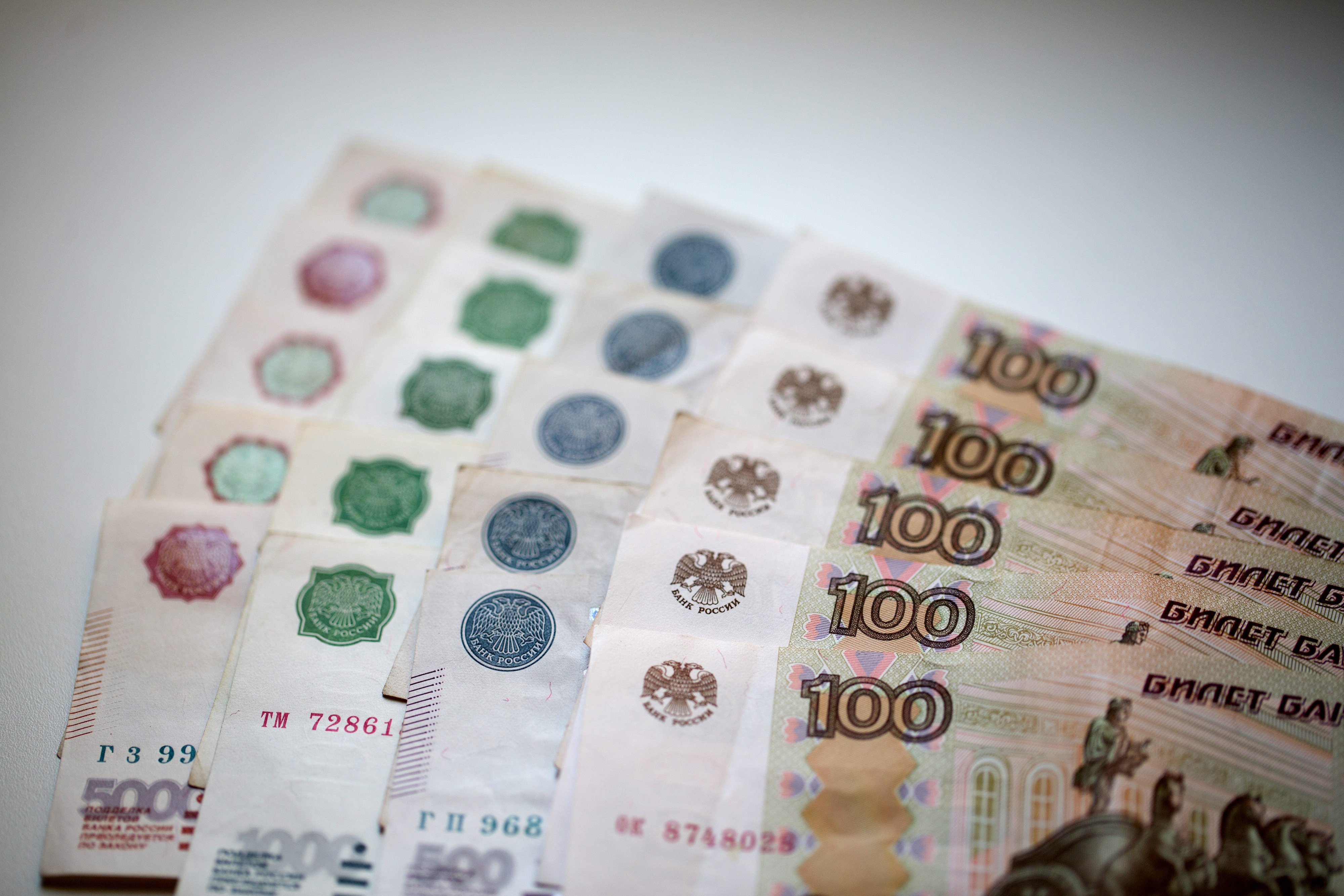
Russia’s economy is entering its deepest crisis in the past two decades, a downturn that could force the Kremlin to fundamentally revise the economic model it has pursued since the early 2000s, according to Ukraine’s Foreign Intelligence Service.
In an assessment of Russia’s 2025 economic performance, the Foreign Intelligence Service of Ukraine (SZRU) said on February 10, that the year was marked by a sharp slowdown in industrial growth, a record federal budget deficit, and significant financial losses across the real sector.
We bring you stories from the ground. Your support keeps our team in the field.
One of the clearest indicators of the crisis, the intelligence service said, is the near standstill in industrial growth. While industrial output in Russia grew by 4–6 percent in 2023–2024, growth fell to just 0.8 percent over the first eleven months of 2025. The slowdown has been particularly pronounced in the manufacturing sector.
The assessment also highlighted a steep decline in freight transportation by Russian Railways, which has fallen to its lowest level in 16 years. According to Ukrainian intelligence, this reflects both weakening export flows and cooling domestic demand.
“The financial condition of private enterprises is also deteriorating rapidly. Another factor of instability has been the sharp degradation of the budget situation. Russia’s federal budget deficit rose to $63 billion in 2025, surpassing even the level recorded during the COVID-19 year of 2020,” the statement read.
-17753cdeceefed101825738abba6e0d4.jpg)
Despite a slowdown in the pace of spending growth, overall government expenditures remain at record levels. The intelligence service said this continues to fuel high inflation and is pushing Russian authorities to increase the tax burden.
“Analysts are increasingly comparing the current situation to the delayed crisis of the late Soviet period, when economic problems were concealed for years through borrowing. While the scale of today’s challenges is not yet comparable to the collapse of the 1990s, Russia is inevitably facing a prolonged period of economic turbulence,” the service concluded.
The assessment aligns with the latest budget figures, which point to mounting pressure on Russia’s public finances.
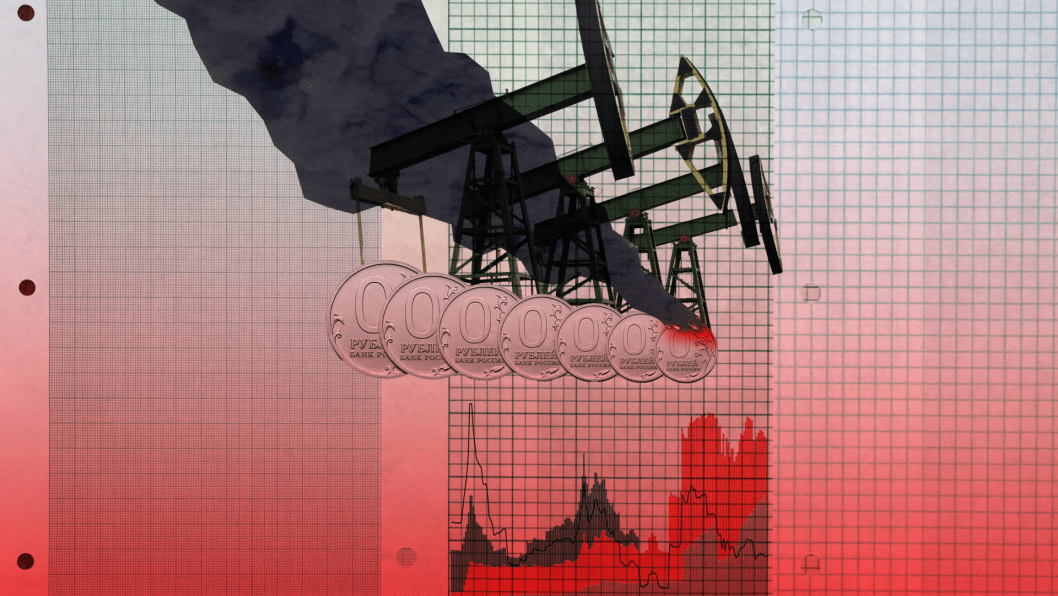
According to data from Russia’s Finance Ministry cited by The Moscow Times on February 6, Russia recorded a federal budget deficit of $22.3 billion in January alone, almost half of the full-year shortfall planned by the government. Budget revenues totaled $30.7 billion, down 11.6 percent year on year, driven largely by a collapse in oil and gas income.
Energy revenues fell by 50 percent to $5.1 billion, their lowest level in five years. At the same time, non-oil and gas revenues increased by 4.5 percent to $25.6 billion, supported in part by a sharp rise in value-added tax receipts, which climbed nearly 25 percent to $14.7 billion after the VAT rate was raised to 22 percent from January 1.
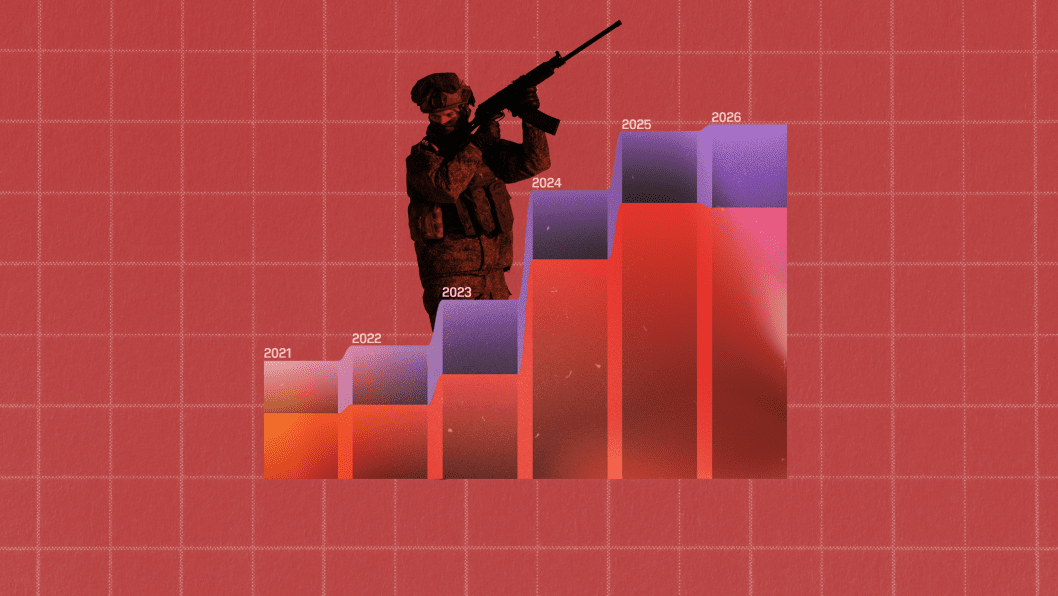
Government spending edged down by 1.4 percent to $53.0 billion, but the steep decline in energy income pushed the January deficit 17 percent higher than in the same month of 2025. Since Russia’s full-scale invasion of Ukraine, the cumulative federal budget deficit has reached $226.2 billion, according to Finance Ministry figures cited by The Moscow Times.
Earlier, it was reported that Western sanctions are having a “significant impact” on Russia’s economy, according to the European Union’s sanctions envoy, as the fourth anniversary of Moscow’s full-scale invasion of Ukraine nears.
Discuss this article:


-c439b7bd9030ecf9d5a4287dc361ba31.jpg "Photo of Katherina Popilnichenko")