- Category
- Latest news
Russia’s Oil Revenues Collapse 27% as Sanctions Bite and Kremlin’s War Budget Falters
 Prefer U24 Media on Google
- Authors



Russia’s federal revenues from oil and gas collapsed again in October, dropping 27% year over year as sanctions tightened, global crude prices softened, and the ruble regained strength, according to Russian media reports cited by The Moscow Times on November 6.
Russia’s Finance Ministry said the government collected 888.6 billion rubles ($10.9 billion) in taxes from oil and gas companies in October, 322 billion rubles ($3.9 billion) less than the same month in 2024. The key mineral extraction tax fell by 26%, from 908 billion rubles ($11 billion) to 671 billion ($8.2 billion).
Cumulatively, energy revenues for the first ten months of 2025 reached 7.5 trillion rubles ($83.6 billion), down 2 trillion rubles ($24.6 billion) from the previous year’s 9.54 trillion ($117 billion). The rate of decline has accelerated each month, climbing from 14% in spring to 21% by October.
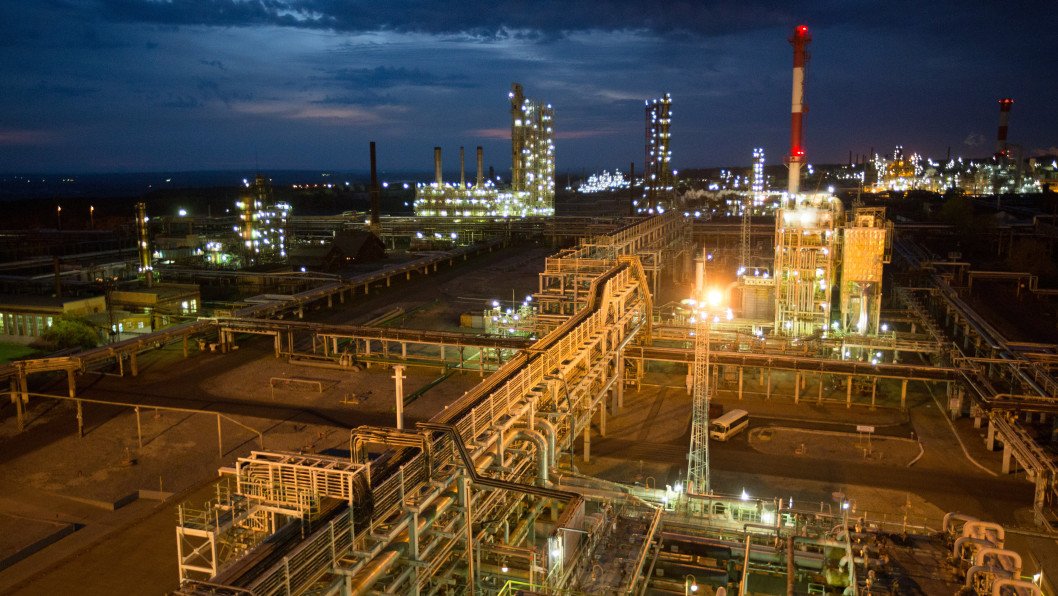
Kremlin officials reportedly acknowledge that newly strengthened US sanctions against Russia’s largest oil producers—Rosneft and Lukoil—pose a serious fiscal threat, Bloomberg sources said in late October. Together, the two companies account for roughly half of Russia’s crude exports, about 2.2 million barrels per day.
When combined with Surgutneftegaz and Gazprom Neft, now also under US blocking sanctions, an estimated 70% of Russia’s export oil volumes are affected.
If shipments from Rosneft and Lukoil fall by even 5–10% and Moscow is forced to widen price discounts on its crude, the Russian budget could lose up to 120 billion rubles ($1.4 billion) every month, estimates Vladimir Chernov, an analyst with Freedom Finance Global.
-1a5fcbcc996c3558ed26e0f3739360a9.jpg)
The Kremlin’s original 2025 budget assumed 10.94 trillion rubles ($134 billion) in oil-and-gas revenue, including 1.8 trillion rubles earmarked for the National Wealth Fund. But with oil prices declining and the ruble appreciating, the Finance Ministry has revised its expectations downward by nearly 22%, to 8.6 trillion rubles.
Officials also no longer anticipate a rebound anytime soon. The latest fiscal outlook projects 8.9 trillion rubles ($109 billion) in hydrocarbon taxes for 2026, 9 trillion for 2027, and 9.7 trillion for 2028—figures still 20%, 19%, and 13% below 2024 levels, respectively.
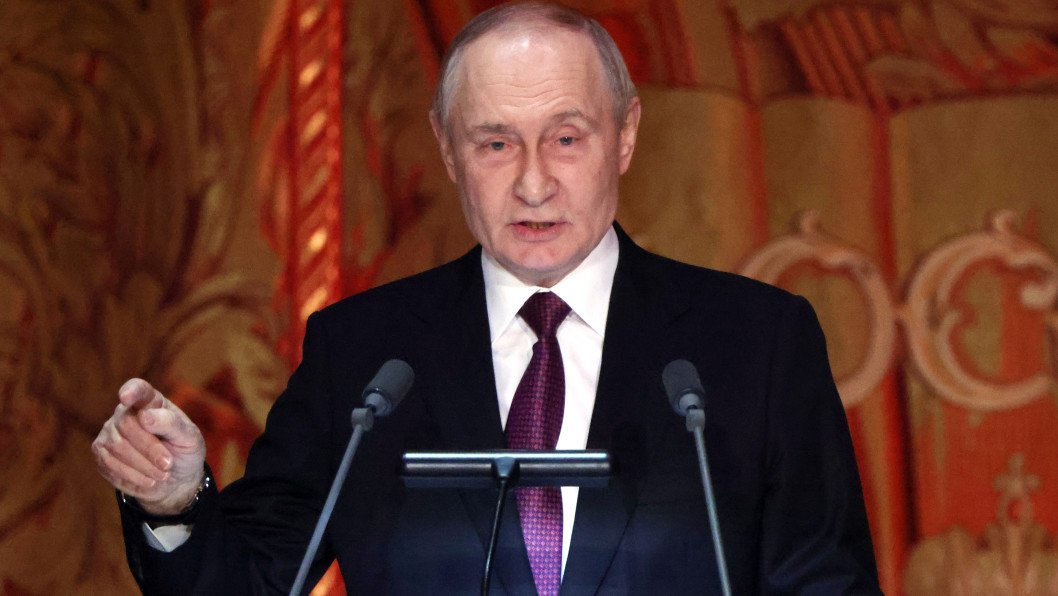
The steady erosion of energy income underscores the growing strain on Russia’s wartime economy, which remains heavily dependent on hydrocarbon exports to fund both military operations and domestic subsidies. The ruble’s recent strengthening—partly the result of tighter capital controls—has also reduced the local value of dollar-denominated oil revenue, further shrinking Moscow’s spending room.
Economists say that unless global oil prices rise or sanctions ease, the Kremlin may face widening fiscal gaps and be forced to raid sovereign reserves or borrow more heavily to sustain its wartime expenditures.
Earlier, reports emerged that Russian businesses were increasingly facing severe financial strain, with many entering what intelligence agencies describe as a “survival mode.”
Discuss this article:
-331a1b401e9a9c0419b8a2db83317979.png)


-c439b7bd9030ecf9d5a4287dc361ba31.jpg "Photo of Katherina Popilnichenko")

-111f0e5095e02c02446ffed57bfb0ab1.jpeg "Photo of Roman Kohanets")

-72b63a4e0c8c475ad81fe3eed3f63729.jpeg "Photo of Cyril Barabaltchouk")