- Category
- Latest news
Russia’s Digital Ruble Plan Hits Occupied Luhansk Amid Internet Blackouts and Cash Shortages
 Prefer U24 Media on Google
- Authors



Russia is preparing to introduce a digital ruble in occupied areas of Ukraine’s Luhansk region starting in September 2026, according to Luhansk regional military administration head Oleksii Kharchenko on February 8.
Kharchenko said the initiative is driven less by economic necessity than by efforts to tighten control and reinforce propaganda narratives in the occupied territory.
We bring you stories from the ground. Your support keeps our team in the field.
The move is particularly striking given that many settlements in the region still face unstable or severely limited internet access, with some communities lacking connectivity altogether.
Introducing a fully digital currency under such conditions could leave civilians unable to conduct basic financial transactions, raising the risk of widespread economic paralysis and further complicating daily life.
Under Moscow’s plan, the digital ruble would circulate alongside traditional cash, though certain payments in the digital format would become mandatory, Kharchenko wrote. Authorities are also seeking to reduce reliance on printed banknotes and obscure the true scale of inflation, which has accelerated amid the pressures of war and international sanctions.
Critics argue the digital ruble is less about convenience or innovation and more about enabling comprehensive oversight of financial activity.
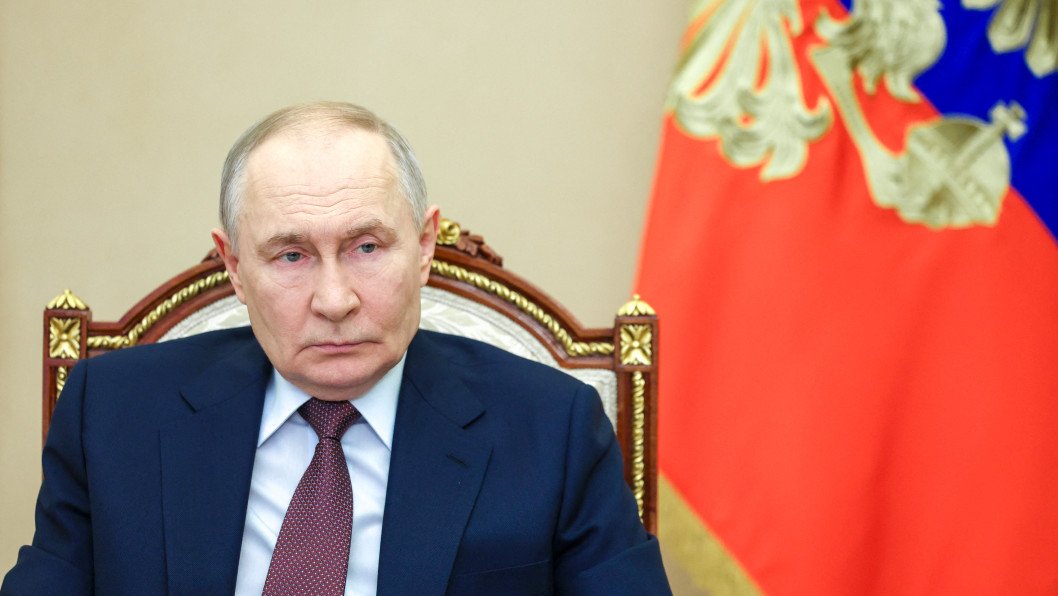
Such a system would allow occupation authorities to monitor transactions in real time, restrict access to funds for individuals deemed undesirable, and enforce economic decisions through direct financial pressure. For residents already living in a legal gray zone, the measure could become another mechanism of coercion.
Local communities have had no role in the decision-making process, with policies imposed unilaterally from Moscow.
Observers say the initiative underscores a broader pattern in which residents of occupied territories are treated not as citizens but as a controllable resource subject to sweeping social and economic experimentation.
Earlier, Russian occupation authorities in eastern Ukraine attempted to revive 19th-century-style “gold mining” projects to mask the collapse of the coal industry and months-long wage arrears owed to miners.
Discuss this article: