- Category
- Latest news
Has Russia’s Recruitment Push Hit a Wall? December Numbers Raise Questions
 Prefer U24 Media on Google
- Authors


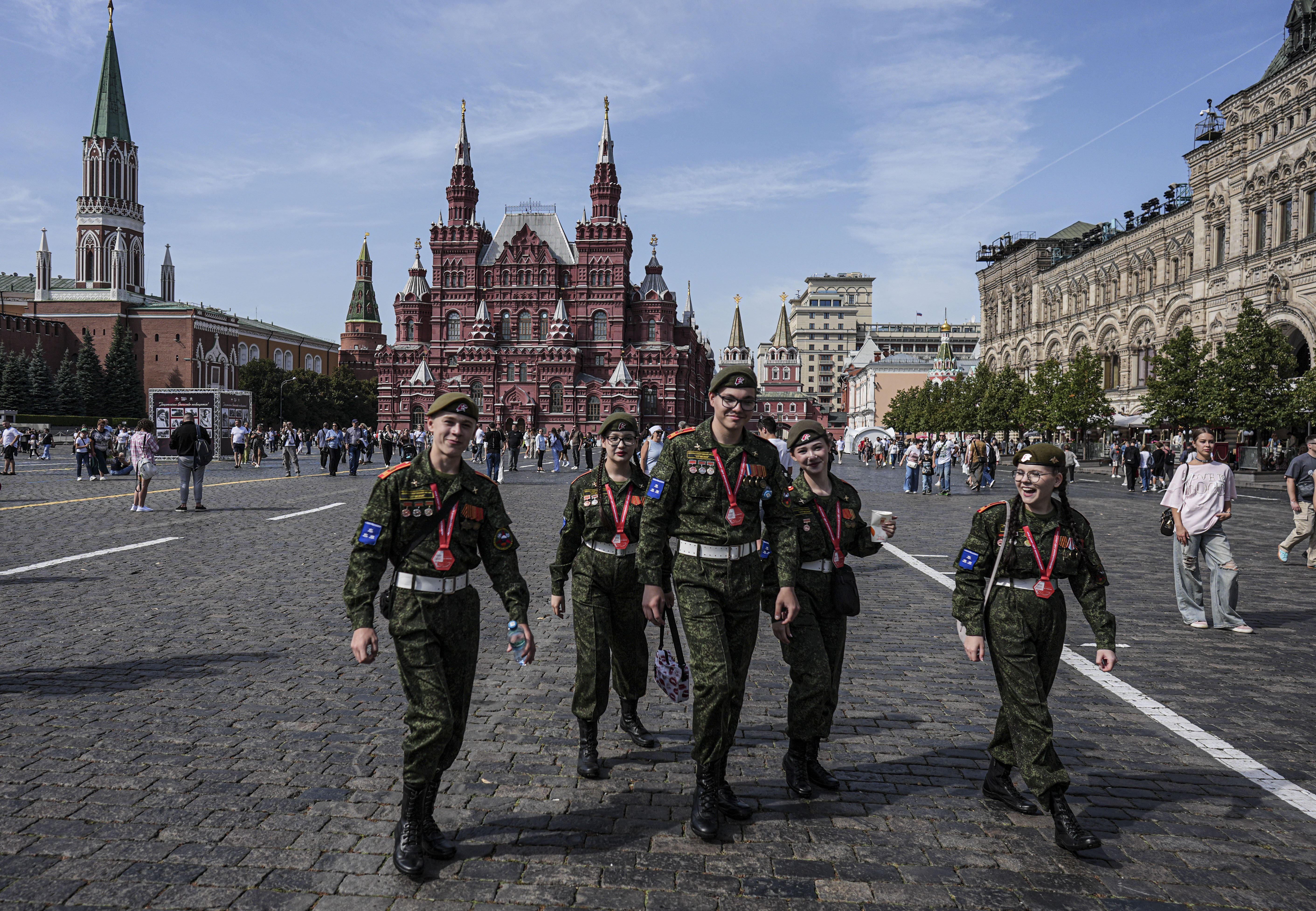
In 2025, Moscow experienced a significant drop in the number of contract soldiers recruited for the war in Ukraine, with only 24,469 individuals sent to the front, a 25% decrease compared to the previous year, according to data from the city's mayor's office provided to Verstka by a source on January 20.
According to the outlet, the decline was particularly noticeable in December, with only 879 contracts signed, a stark contrast to nearly 2,000 contracts in December 2024. This marked the lowest number of recruits since the start of the volunteer enlistment campaign, the source added.
We bring you stories from the ground. Your support keeps our team in the field.
“Our recruitment efforts have essentially failed. Instead of the expected 30-40% increase, the opposite occurred. It's clear to anyone that there are fewer recruits and no influx at all,” the source remarked.
Another source within Moscow’s mayor's administration explained that Russians are increasingly tired of the war, and those who truly wanted to serve on the front lines have already done so.
“There is a powerful negative growth. December has always been slow, but now it’s really bad. Now it's just all sorts of riffraff,” one of the sources told Verstka. “It's not that there are no idealists left, there are simply no healthy men. Medical staff have to make concessions and turn a blind eye to those who are clearly inadequate and unfit for service. There is no education, no experience, no motivation. Nothing.”
-330e3fd8eafbf22f3e9a15884c23eaa2.png)
There has also been an increase in the number of older recruits. In 2024, the proportion of recruits over the age of 45 rose, and in 2025, individuals over 55 began to appear more frequently, sources within Verstka said.
According to data reviewed by the outlet, 61 candidates were rejected on average each month in 2024, compared to just 23 in 2025.
“There were direct orders from leadership to reduce selection criteria, only rejecting applicants in extreme cases,” said a source from the mayor’s office.
The source added that rejections are now limited to those with active records in drug or psychiatric treatment, those living with HIV, or individuals accused of crimes such as firearm theft, attempts to overthrow the government, or extremism.
The flow of recruits is expected to decline further, as the one-time signing bonuses are no longer an effective incentive, the mayor's office source said, noting that Russia’s worsening financial situation may affect the regions’ ability to continue offering these bonuses.
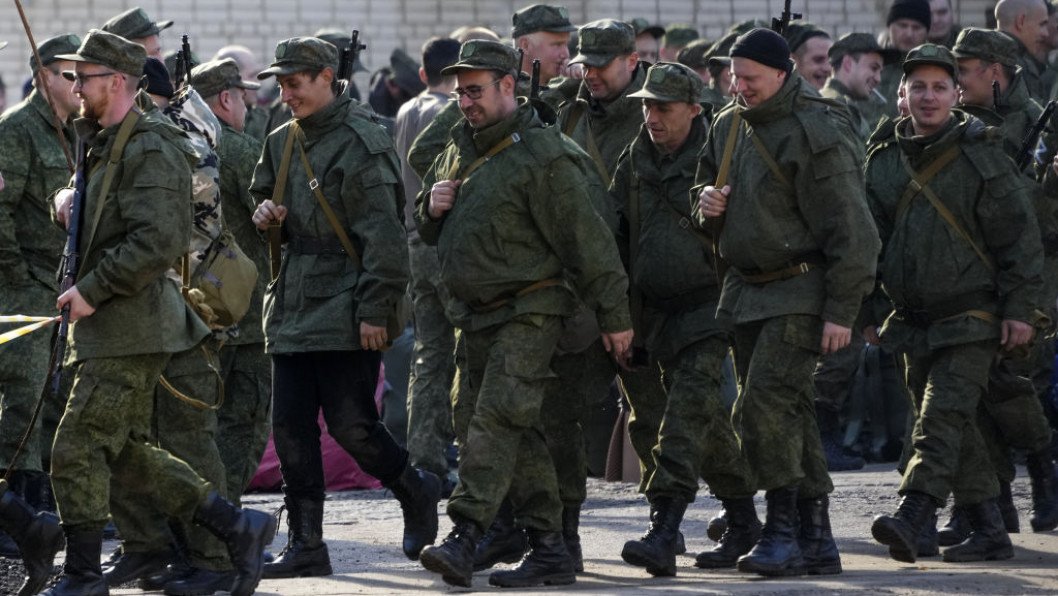
At the same time, some Russians are attempting to avoid military service altogether. Around 100 soldiers, previously detained for unauthorized absence from their units, tried to escape from a military commandant’s office in Krasnodar on the evening.
The soldiers, who had been confined in a fenced area within a local military facility, managed to break through a section of the perimeter fence and attempted to flee. At the time of the escape, the soldiers were reportedly unarmed.
Russian law enforcement responded swiftly, deploying personnel to secure the area. Several nearby streets, including 2nd Trudovaya Street, were blocked off, and vehicles passing through the area were inspected as part of an extensive search operation.
Initial reports indicated that up to seven soldiers had managed to escape the facility. However, authorities were able to apprehend four of the escapees, returning them to custody. The remaining three soldiers are still at large, and Russian authorities have launched a manhunt to locate them.
Earlier, it was reported that Russian military is secretly mobilizing civilians from Ukrainian territories under occupation to bolster its forces, which directly contradicts its official claims.
Vladyslav Voloshyn, spokesperson for the Southern Defense Forces, confirmed that this practice continues. He revealed that one of the Russian Airborne Forces' landing units recently received about 50 new recruits, mostly from the occupied Luhansk region.
Discuss this article: