- Category
- Latest news
Kremlin Quietly Drafts Reservists Along NATO Frontier, Peacetime Call-Ups Spark Alarm
 Prefer U24 Media on Google
- Authors


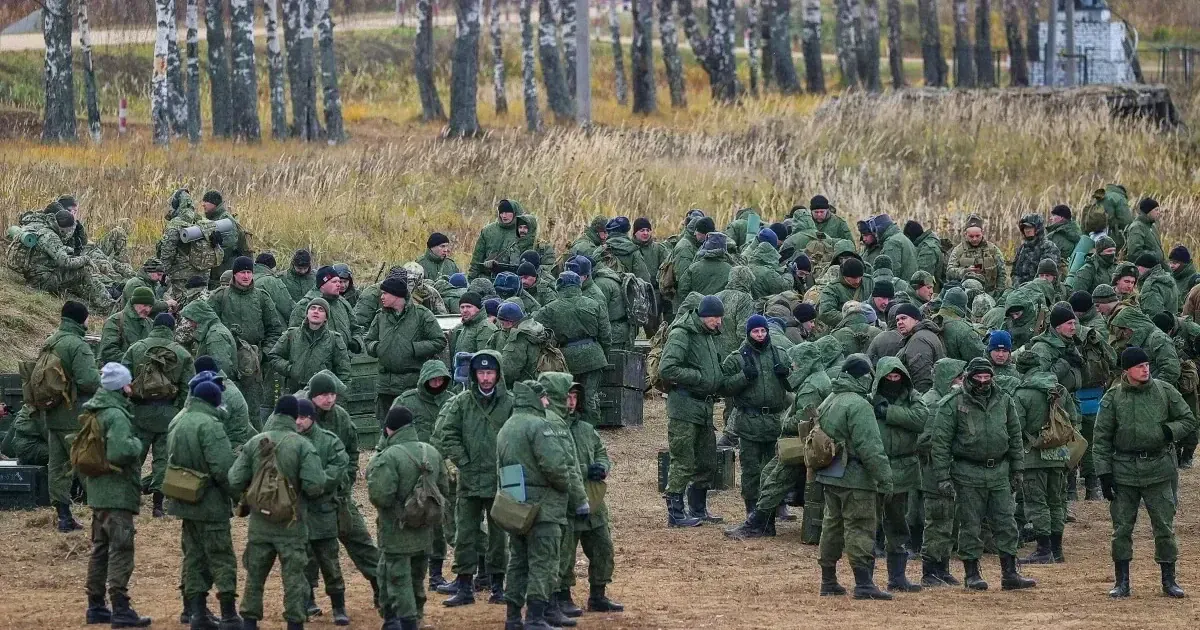
Russia has launched a new recruitment campaign for reservists across nearly all of its western border regions, following legislative changes that allow the Kremlin to call up reserve forces not only during wartime but also in peacetime, according to Defense Express on November 10.
Officially, the initiative is described as an effort to strengthen protection for strategic rear facilities such as oil refineries and to form “mobile fire groups” and counter-sabotage units.
Under the new system, reservists sign contracts lasting six or twelve months and are reportedly deployed within their home regions, reflecting an approach similar to territorial defense structures.
The recruitment drive is not nationwide. As Defense Express notes, while rear regions including Krasnoyarsk, Perm, Tyumen, Samara, Nizhny Novgorod, Tula, Yaroslavl, Tver, Bashkiria, and Chuvashia have begun enlisting reservists—primarily due to their industrial infrastructure—the campaign also covers most western territories bordering NATO and Ukraine.
These include the Rostov, Kursk, and Bryansk regions, as well as Smolensk, Pskov, Leningrad, and Kaliningrad.
Analysts cited by Defense Express point out that the inclusion of areas such as Kaliningrad, geographically isolated between NATO members, raises questions about the Kremlin’s stated rationale of defending against Ukrainian drone attacks.
Under the latest amendments to Russian law, reservists can now be deployed for combat operations beyond Russian borders.
Previous experience with military contracts in Russia indicates that the term of service may be extended automatically once signed, suggesting that these “rear defense” units could later be sent to active war zones.
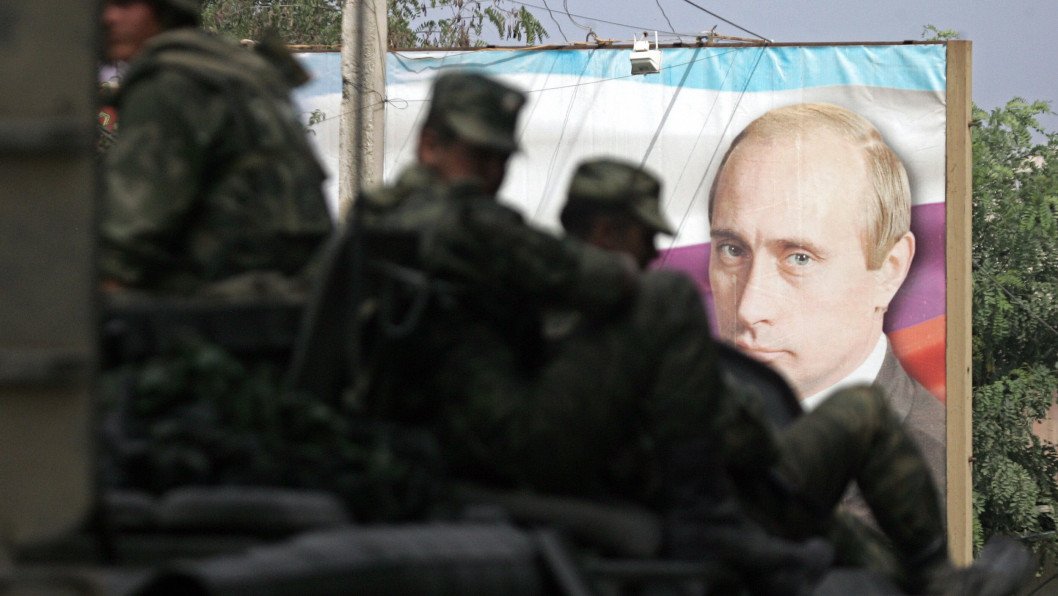
Financially, the recruitment program is less costly for the Kremlin compared to standard military contracts. The Ministry of Defense reportedly offers a one-time signing bonus of 150,000 to 300,000 rubles (about $1,850 to $3,700) for six- or twelve-month service periods.
According to Defense Express, standard Russian military contracts typically include a federal signing bonus of around 400,000 rubles (approximately $4,940), while regional governments may offer additional incentives amounting to several million rubles, depending on the region.
Earlier, President Volodymyr Zelenskyy told Axios that Russia had lost around 346,000 soldiers in 2025—nearly matching the number it mobilized that year. He said Moscow’s forces had failed to gain significant ground and described new US sanctions imposed by President Donald Trump on Rosneft and Lukoil as “significant,” though insufficient without long‑range missiles to deter further Russian aggression.
Discuss this article:

-c439b7bd9030ecf9d5a4287dc361ba31.jpg "Photo of Katherina Popilnichenko")