- Category
- Latest news
The Kremlin Gives Putin Free Hand to Send Up to 2 Million Reservists Into Battles Abroad
 Prefer U24 Media on Google
- Authors


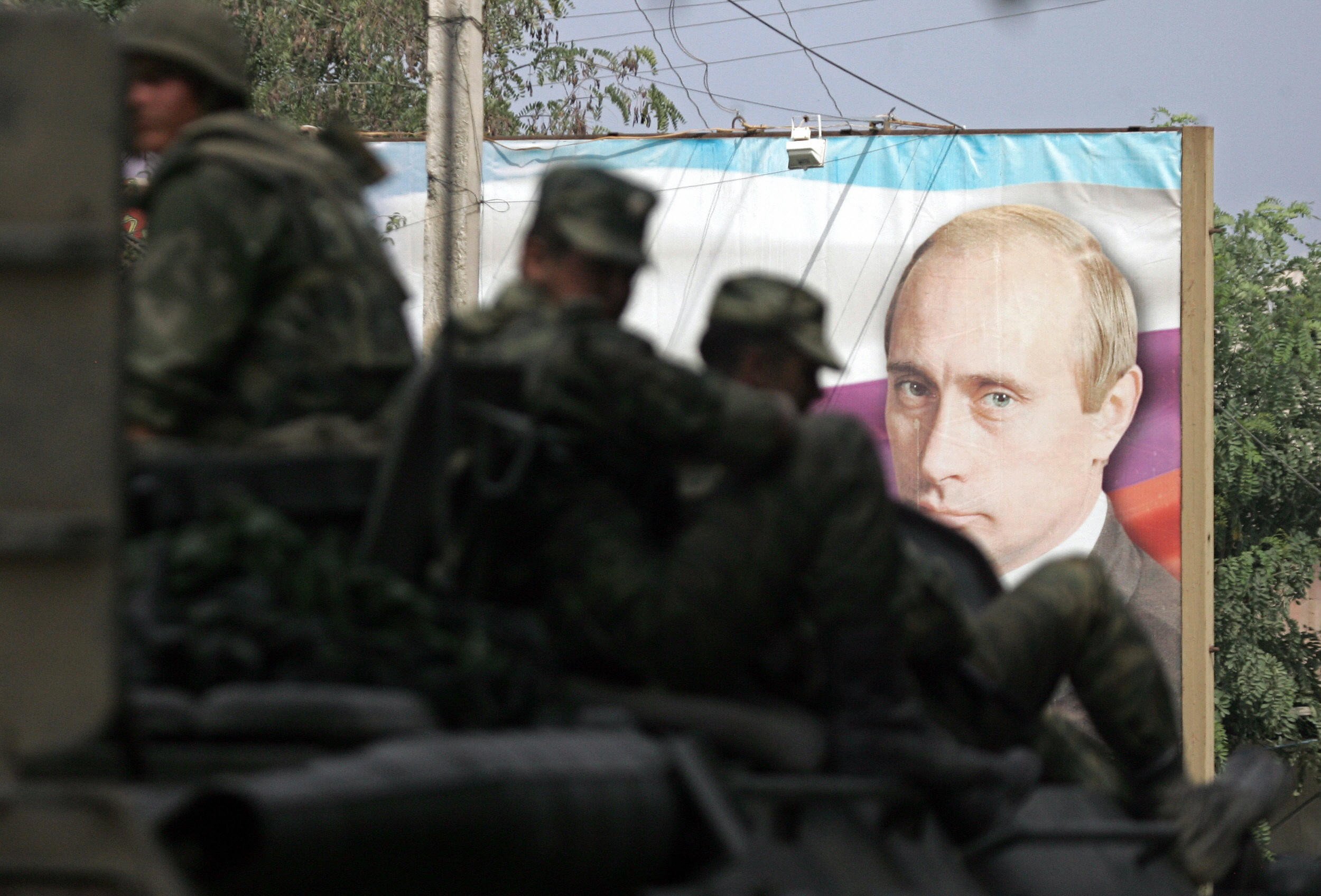
The Kremlin has lifted key restrictions on the use of reservists in combat, paving the way for their deployment in Russia’s war against Ukraine, according to a report by the Institute for the Study of War (ISW) on October 13.
On the same day, the Russian government approved a draft law by the Defense Ministry, allowing members of the mobilization reserve to perform “defensive tasks” during armed conflicts, counterterrorism operations, or missions outside Russian territory.
The proposal also grants the Russian leader authority to summon reservists for special training lasting up to two months.
Video of mobilized Russian reservists being trained on T-62M tanks. https://t.co/QPwYHbp5X3 pic.twitter.com/4G3v4jbKAL
— Rob Lee (@RALee85) October 27, 2022
An explanatory note to the bill says the change would let Moscow deploy reservists even in peacetime—broadening the scope of current laws that limit such use to periods of mobilization or martial law.
State Duma Defense Committee Chair Andrei Kartapolov confirmed that the legislation would permit sending reservists abroad, “including to Ukraine’s Sumy and Kharkiv regions.”
Russian officials say the measure aims to activate the massive mobilization reserve created by Vladimir Putin’s 2015 decree. Deputy Defense Committee Chair Aleksey Zhuravlyov told RTVI that up to two million people could now be called to serve.

“We are conducting very real and large-scale combat operations, but officially no war has been declared,” Zhuravlyov said. “These legal technicalities limited the Defense Ministry’s flexibility—now they’ve been removed.”
He explained that the law targets individuals who previously served voluntarily and currently receive payments and benefits as reservists. These troops, he added, will now be mobilized “far more frequently than before,” which he called “entirely normal, given the situation our country faces.”
According to the proposal, reservists will undergo “special training” for defense-related tasks lasting no longer than two months.
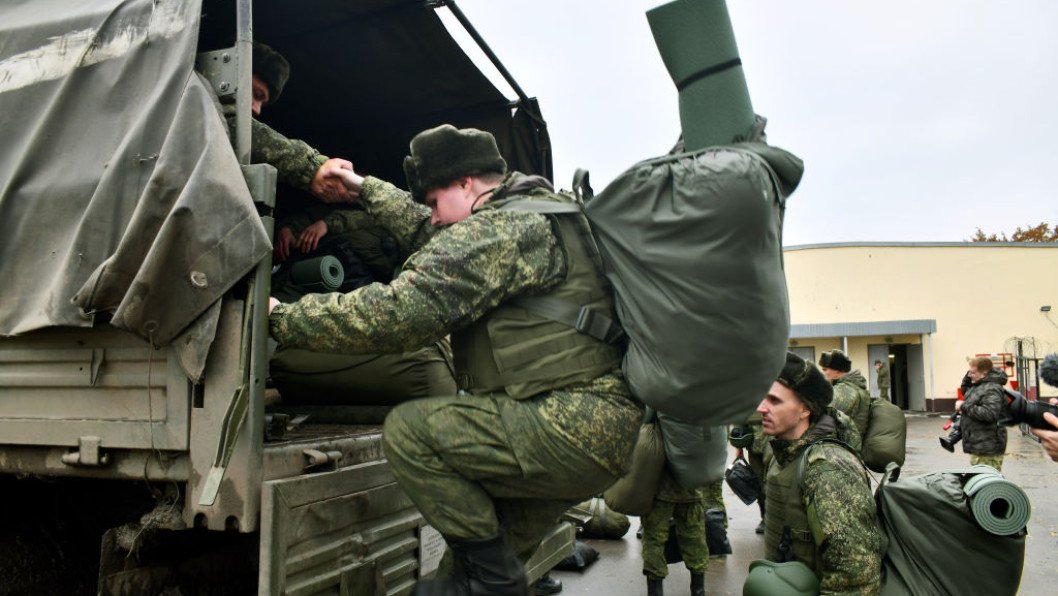
The changes apply only to volunteers under reserve contracts and not to those merely listed as inactive reserve members, according to Igor Cherepanov of Russia’s Association of Lawyers.
However, Kartapolov acknowledged that reservists could still be deployed for combat missions, including on the Ukrainian front, as the bill allows their use “beyond Russia’s borders.”
Analysts say the move gives the Kremlin greater freedom to expand its manpower pool if another mobilization becomes politically or logistically difficult. “It seems they’re simply untying their hands—giving themselves one more way to act freely,” said Grigory Sverdlin, founder of the Russian Idite Lesom anti-mobilization project.
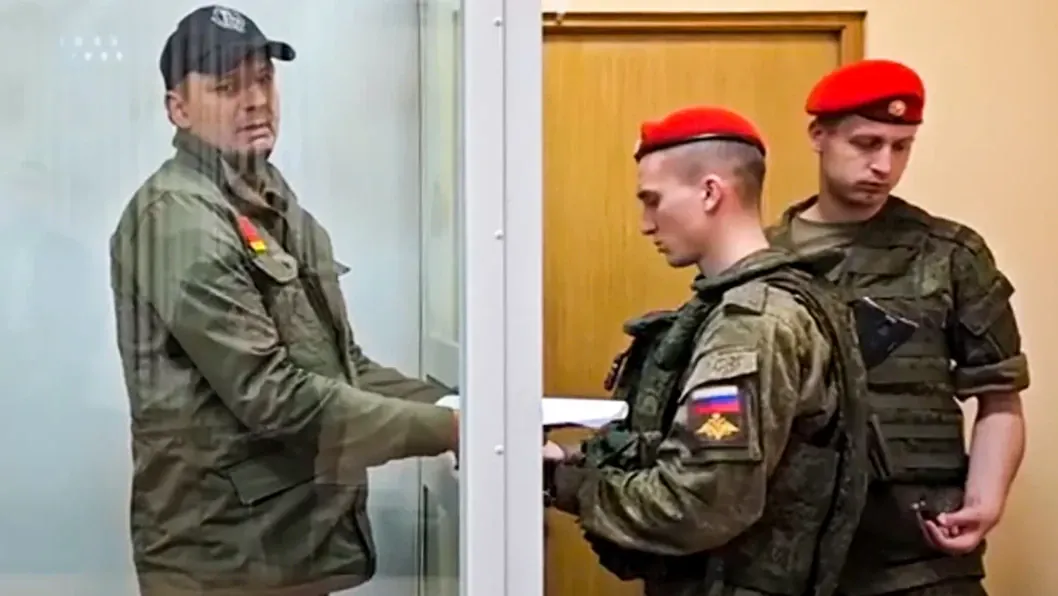
Earlier, reports emerged that Russia stepped up its recruitment campaign for contract soldiers in 2025.
In the first half of 2025, the number of recruitment advertisements on Russian social media increased by more than 40% compared to the same period last year.
The campaign has shifted focus from the mass mobilization seen in 2022–2023 to targeted recruitment for so-called “non-combat” roles.
These positions, often for drivers, technicians, and logistics personnel, are being promoted as “safe” or “quiet” service options.
Discuss this article: