- Category
- Latest news
NORAD Intercepts Two Russian Tu-142 Aircraft Over Alaska and Canada Air Defense Zones
 Prefer U24 Media on Google
- Authors


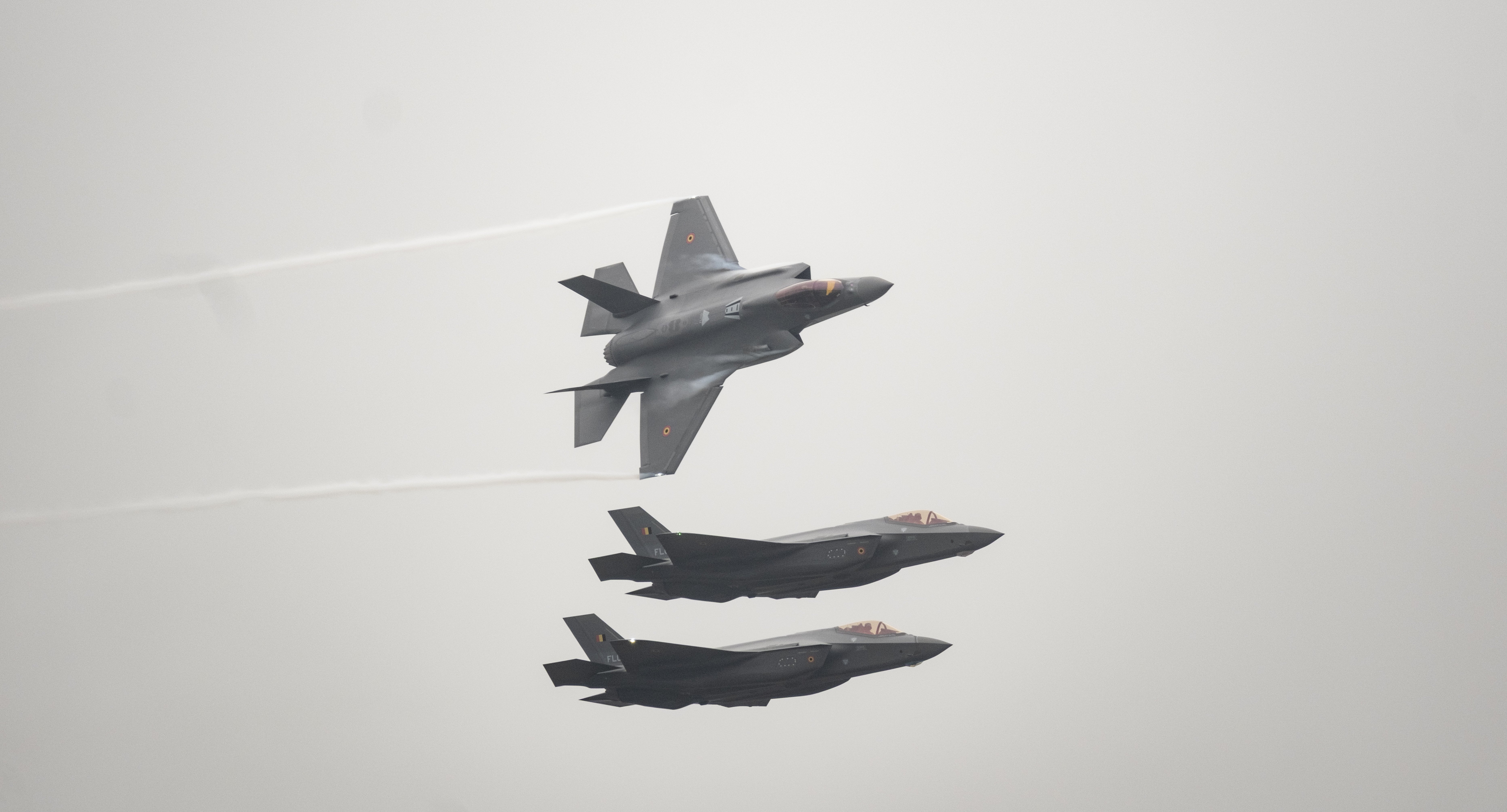
The North American Aerospace Defense Command (NORAD) detected and tracked two Russian Tu-142 maritime reconnaissance aircraft operating within the Alaska and Canadian Air Defense Identification Zones (ADIZ).
This information was published on the command's official website on March 4.
We bring you stories from the ground. Your support keeps our team in the field.
NORAD scrambled two US Air Force F-35 fighters, two F-22s, four KC-135 tankers, one E-3 AWACS aircraft, two Canadian CF-18 fighters, and a CC-150 refueling aircraft to accurately identify, monitor, and intercept the Russian planes within the ADIZ.
NORAD officials confirmed that the Russian aircraft remained within international airspace and did not violate the sovereign territory of either the United States or Canada. According to a statement on the command’s website, such activity within the Alaska ADIZ occurs frequently and is not currently viewed as a direct threat.
An Air Defense Identification Zone (ADIZ) is a designated stretch of international airspace that requires the ready identification of all aircraft to ensure national security interests.

At the same time, NATO air defense units positioned in the Eastern Mediterranean intercepted a ballistic missile fired from Iran toward Turkey.
The Turkish Ministry of National Defense issued a statement on March 4 explaining that the missile was tracked as it crossed through the airspace of Iraq and Syria before entering Turkish territory. The ministry noted that NATO-integrated assets successfully “engaged and neutralized” the projectile “in a timely manner.’
Following the engagement, debris landed in the Dörtyol district of Hatay province in southern Turkey.
An investigation by the Ministry of National Defense later confirmed that the recovered fragments were parts of the interceptor missile deployed to neutralize the incoming threat.
Earlier, an Iranian bombardment involving missiles and drones struck the grounds of Nakhchivan International Airport in Azerbaijan's exclave.
Discuss this article:
-9bd5e1532102621f8fb1c4ba871a3171.png)

-111f0e5095e02c02446ffed57bfb0ab1.jpeg "Photo of Roman Kohanets")

-72b63a4e0c8c475ad81fe3eed3f63729.jpeg "Photo of Cyril Barabaltchouk")