- Category
- Latest news
Poland Launches Massive Migration Sweep Leading to Deportation Orders for Dozens of Ukrainians
 Prefer U24 Media on Google
- Authors

-c439b7bd9030ecf9d5a4287dc361ba31.jpg "Photo of Katherina Popilnichenko")
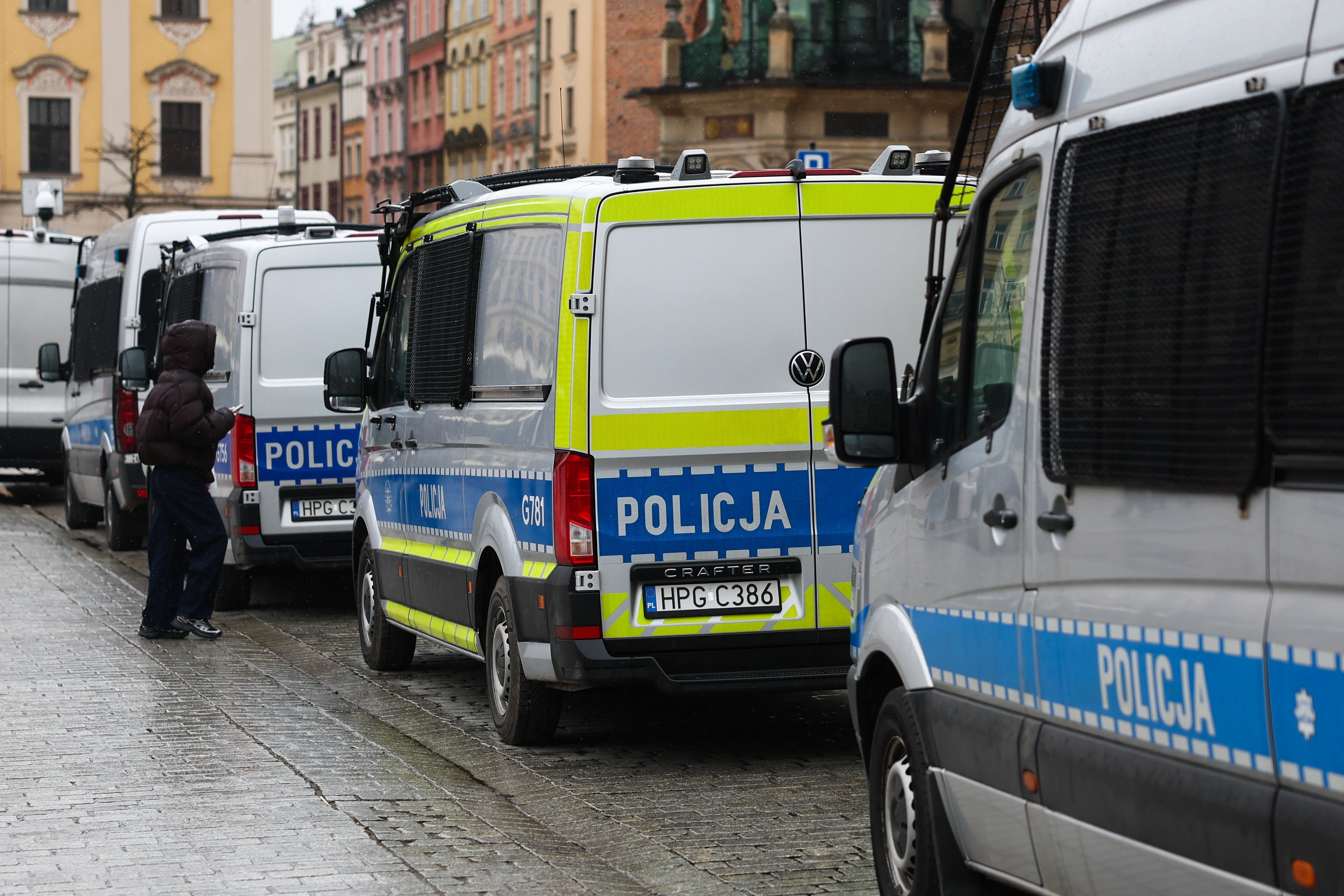
Polish authorities have significantly increased migration controls across the country. Interior Minister Marcin Kierwiński announced the results of a massive nationwide operation on March 4.
More than 27,000 officers participated in the sweep, which resulted in hundreds of foreign nationals being taken into custody.
We bring you stories from the ground. Your support keeps our team in the field.
The operation specifically impacted Ukrainian citizens. In a single night, 91 Ukrainians received official decisions requiring their forced return to their home country.
The raids took place across all Polish provinces on March 2 and 3. Police and Border Guard units conducted nearly 1,800 targeted checks at locations where migrants live and work.
Elite units including the Central Bureau of Cybersecurity and the Bureau of Police Investigations participated in the raids. The mission targeted individuals hiding from the law as well as those living in the country illegally.
Blisko 1800 kontroli i prawie 140 zatrzymań w całej Polsce to efekt wspólnej akcji @Straz_Graniczna i @PolskaPolicja. Funkcjonariusze sprawdzili legalność pobytu cudzoziemców przebywających w Polsce. Wszczęto także 130 postępowań o zobowiązanie cudzoziemców do powrotu. pic.twitter.com/Tc4EDyaach
— Marcin Kierwiński (@MKierwinski) March 4, 2026
Interior Minister Marcin Kierwiński stated that this was the first such action of 2026. Law enforcement detained 1,944 people who were avoiding justice, including 147 foreigners wanted under arrest warrants. Ukrainian citizens made up the largest group among those detained.
The statistics for detained foreigners show a clear trend as Ukrainians represent more than 60% of all non-residents taken into custody. Specifically, the group included 91 Ukrainians, 14 Georgians, 8 Belarusians, 3 Moldovans, and 2 Russians.
The primary reasons for the deportation orders included violating stay limits, such as ignoring the expiration of visas or temporary protection status.
W dniach 2–3 marca 2026 r. podczas ogólnopolskich działań koordynowanych przez Komendę Główną Policji zatrzymano blisko 2000 osób poszukiwanych listami gończymi i nakazami doprowadzenia.
— Polska Policja 🇵🇱 (@PolskaPolicja) March 4, 2026
🔹 W akcji wzięło udział 26 496 funkcjonariuszy Policji
🔹 Zatrzymano 147 obcokrajowców… pic.twitter.com/mIDBGEEJYp
Illegal labor remains a major factor leading to deportation during these raids. Working without an official contract is the fastest way to receive a return order.
The Polish Border Guard has already started more than 110 administrative proceedings for expulsion. For the majority of the 91 detained Ukrainians, this results in the immediate cancellation of their right to stay and a forced escort to the border.
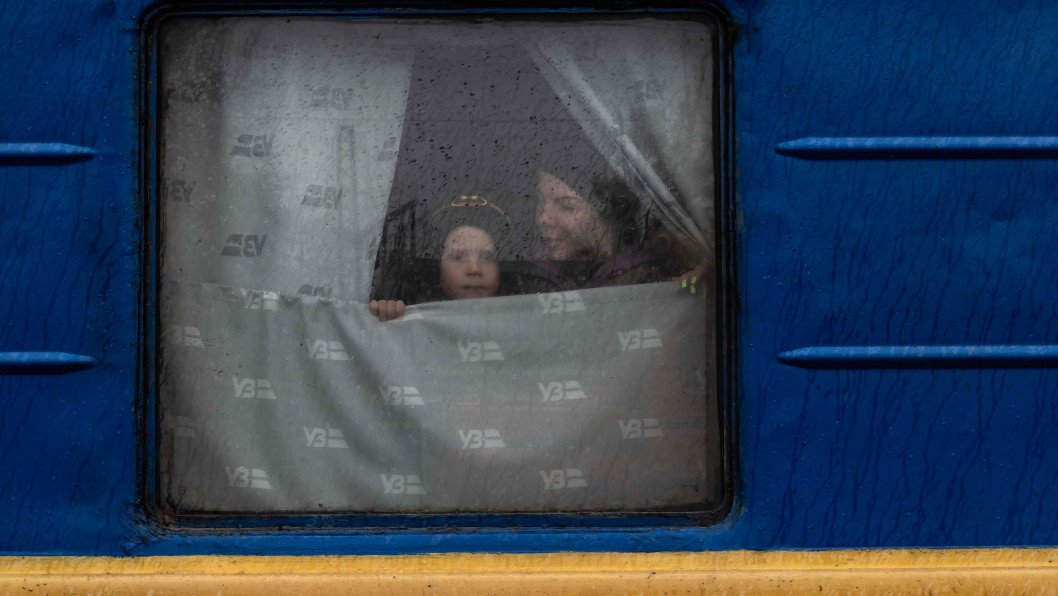
They also face a ban on entering the Schengen Area for periods ranging from six months to five years. Polish authorities have emphasized that these operations will now occur on a regular basis.
Earlier, Polish President Karol Nawrocki signed a new law that changed how the country provided aid to people fleeing Russia’s full-scale invasion of Ukraine.
This legislation moved existing support tools into the general Law on the Protection of Foreigners, effectively ending the separate legal framework that had been in place since 2022.
While the law extended the legal right for Ukrainian citizens to remain in Poland until March 4, 2027. The move followed the President’s earlier indications that special assistance would be phased out, treating Ukrainians the same as other national minorities under standard regulations.
Discuss this article:
-4a56a6b482ec132402c16ef6fcabf9a2.png)